Belize Launches Six-Month CONOPS Study on Airport and Airspace Capacity
Why It MattersCapacity studies that favour low-capital operational fixes over new runways or airports show how small-state aviation systems often try to squeeze more throughput from existing airspace before committing to infrastructure.
What happened
On November 4, 2026, the Central American Corporation for Air Navigation Services (COCESNA) signed a private consultancy contract in Belmopan, Belize, with Tetra Tech AMT. The contract covers development of a Concept of Operations (CONOPS) for the capacity of Belize's inter-airport system and the efficient use of air routes. COCESNA's Executive Director–CEO, Juan Carlos Trabanino Aguirre, formalized the agreement.
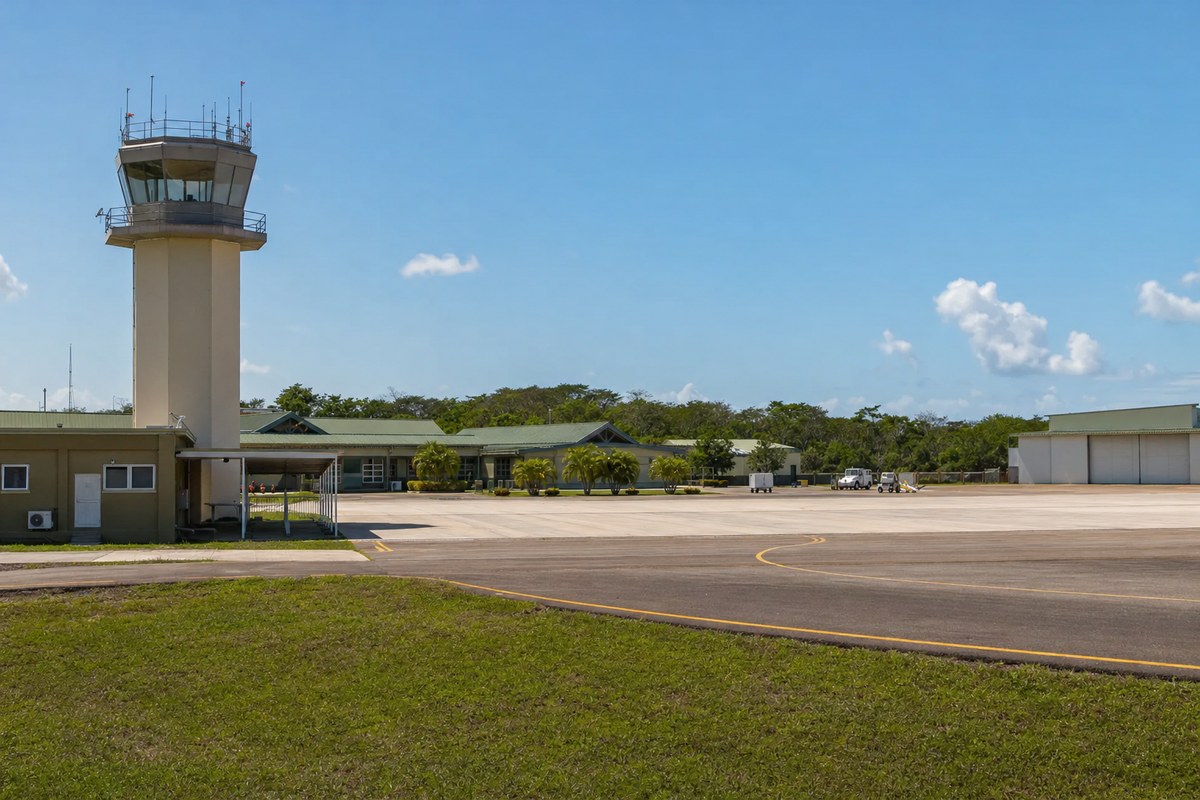
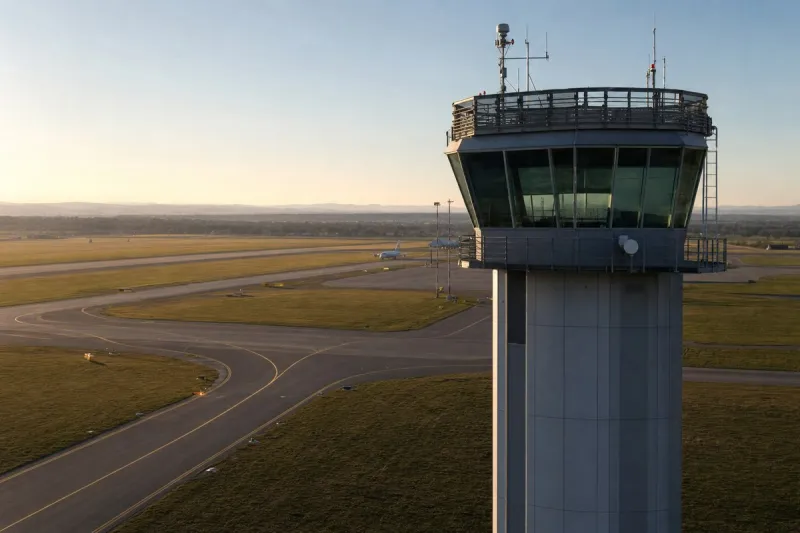
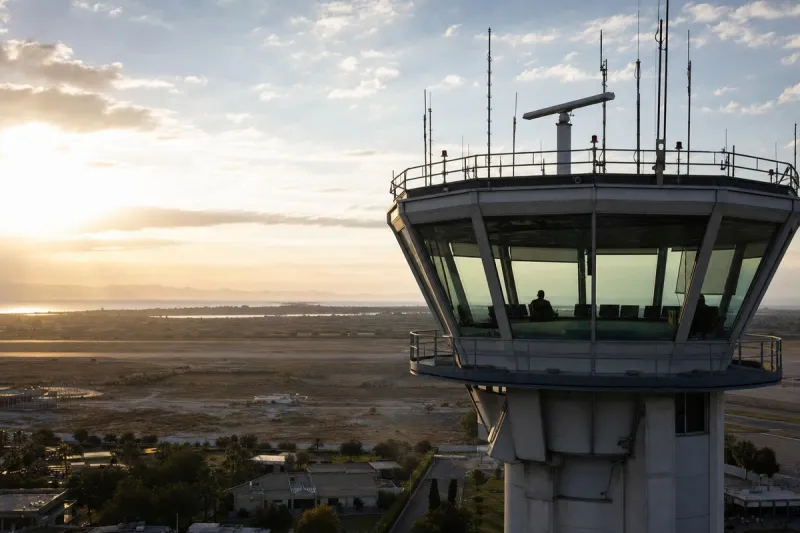
The Belize Department of Civil Aviation (BDCA) announced the study's launch on November 10, and COCESNA issued its own statement on November 11. The assignment is expected to last about six months, beginning in November 2026. It covers Philip S. W. Goldson International Airport, six domestic airports and associated air routes, and will analyze airport operations, air routes, air traffic procedures and the capabilities of navigation systems.
The aim is to identify improvement opportunities and recommend a safer, more efficient operation. The BDCA identified Tetra Tech and The Aviation Group as technical participants, without confirming The Aviation Group as an additional contractual signatory.
According to the BDCA, a priority is the corridor between Philip S. W. Goldson International Airport and San Pedro on Ambergris Caye, where frequent short-haul flights share operating environments with larger aircraft. International connections involving the United States, Canada, Mexico and Central America will form part of the wider evaluation.
The four phases
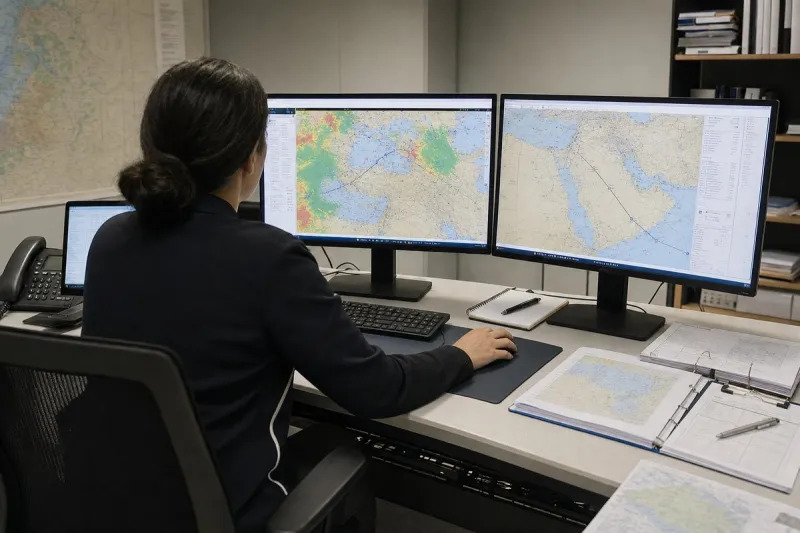
The BDCA outlined four phases. The first is a three-day initial assessment with aviation stakeholders and facility inspections. The second is a technical evaluation of traffic demand, delays, peak periods, navigation equipment and air traffic procedures, including comparison with applicable ICAO standards.
The third phase identifies operational solutions, prioritizing measures that need limited capital investment. The fourth produces a final CONOPS with operational scenarios, recommendations and a prioritized implementation roadmap.
The BDCA has indicated the study should not disrupt existing flight schedules or normal airport operations.
Industry impact & what to watch
A CONOPS is a planning document, not a construction decision. The BDCA's announcement states that it does not approve or reject any construction project, including proposals for an additional airport on Ambergris Caye. Director of Civil Aviation Nigel Carter cited an IATA projection that air traffic could potentially double by 2045, but that projection does not establish how traffic will grow at individual Belizean airports or what infrastructure will be required.
The emphasis on measures needing limited capital investment is typical of how smaller aviation systems approach congestion: procedures, routing and navigation capability are tested for headroom before any case is made for new physical capacity. The Goldson–San Pedro corridor, where short-haul flights share operating environments with larger aircraft, is where any gain from procedural change would be most visible to operators.
The study's first dated milestone is the three-day initial assessment in the opening phase, and the final deliverable, the prioritized implementation roadmap, is due at the end of the roughly six-month assignment. Consultancy value, a quantified capacity improvement and a final infrastructure investment programme have not been set out publicly.