FAA ground stops explained: who orders them, why, and how rarely they cover the whole country
Why It MattersBecause a ground stop follows a flight's destination, one constrained hub can delay departures across many cities, so schedule disruption spreads well beyond the airport that triggered the restriction.
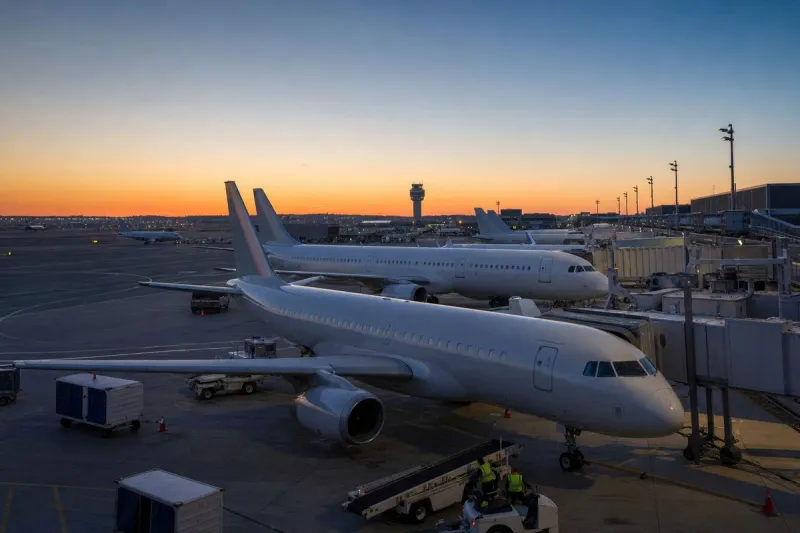
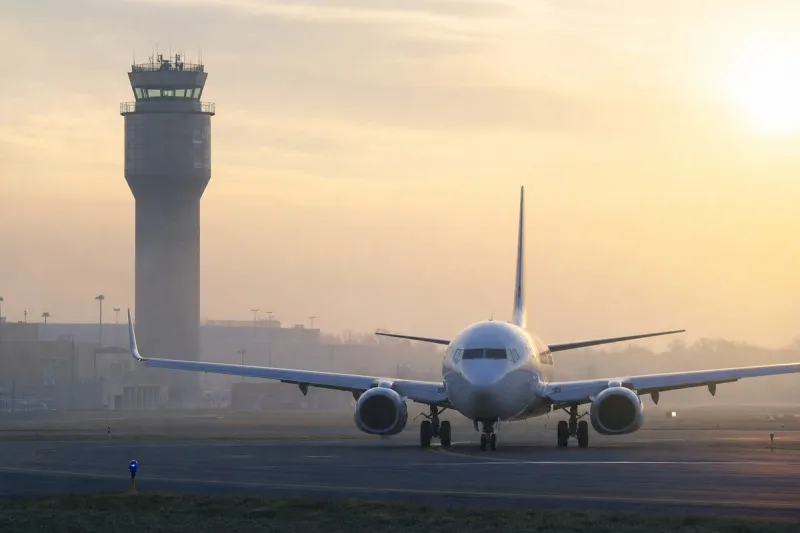
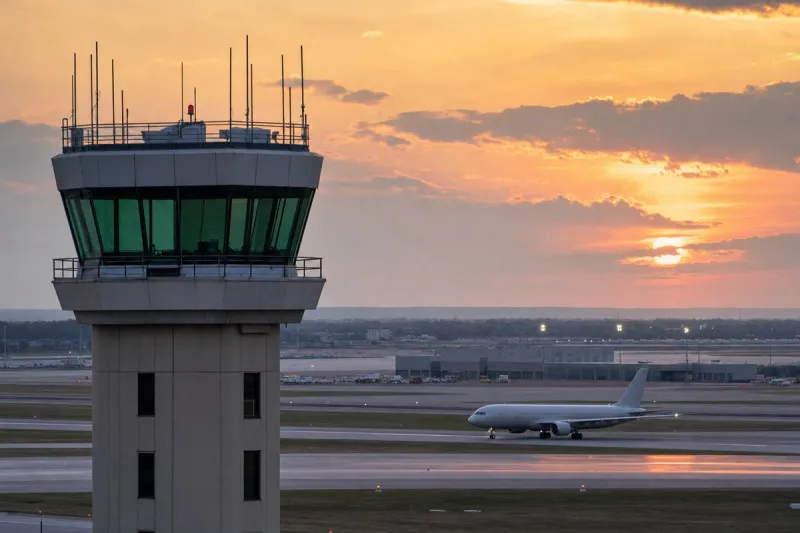
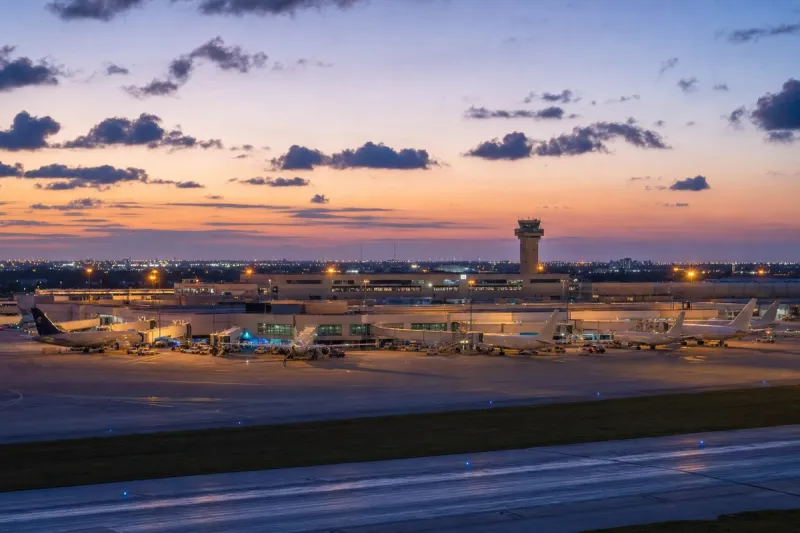
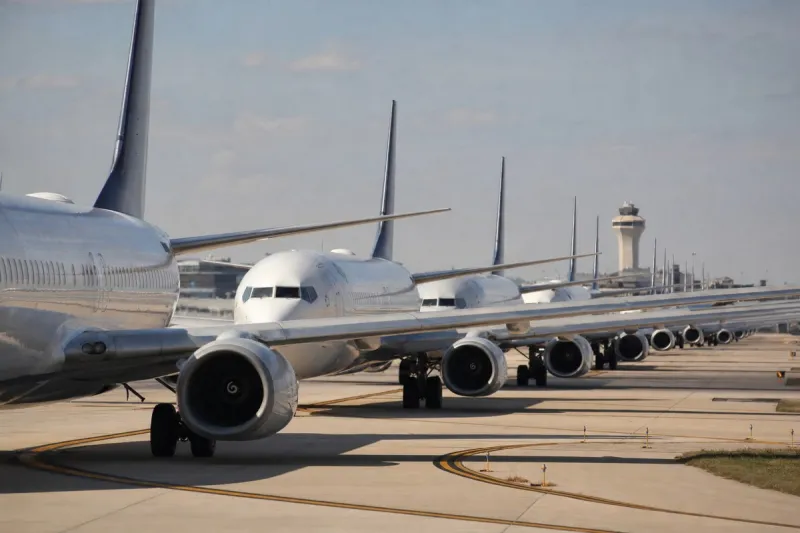
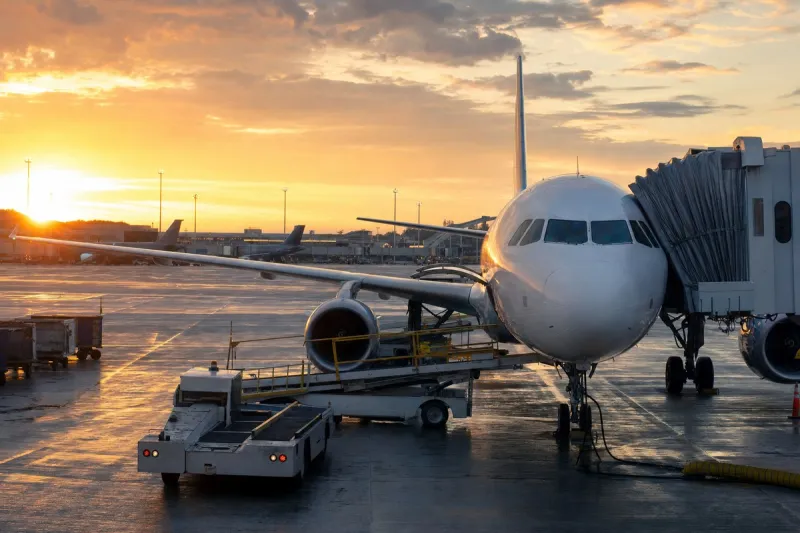
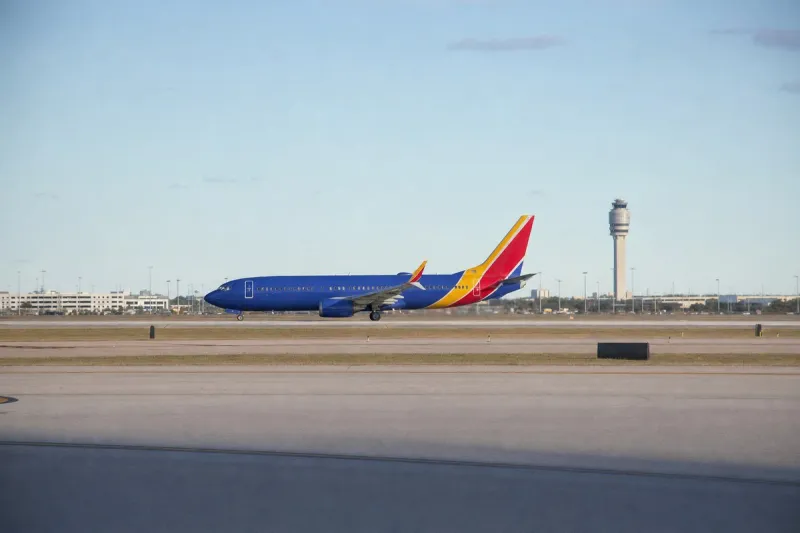
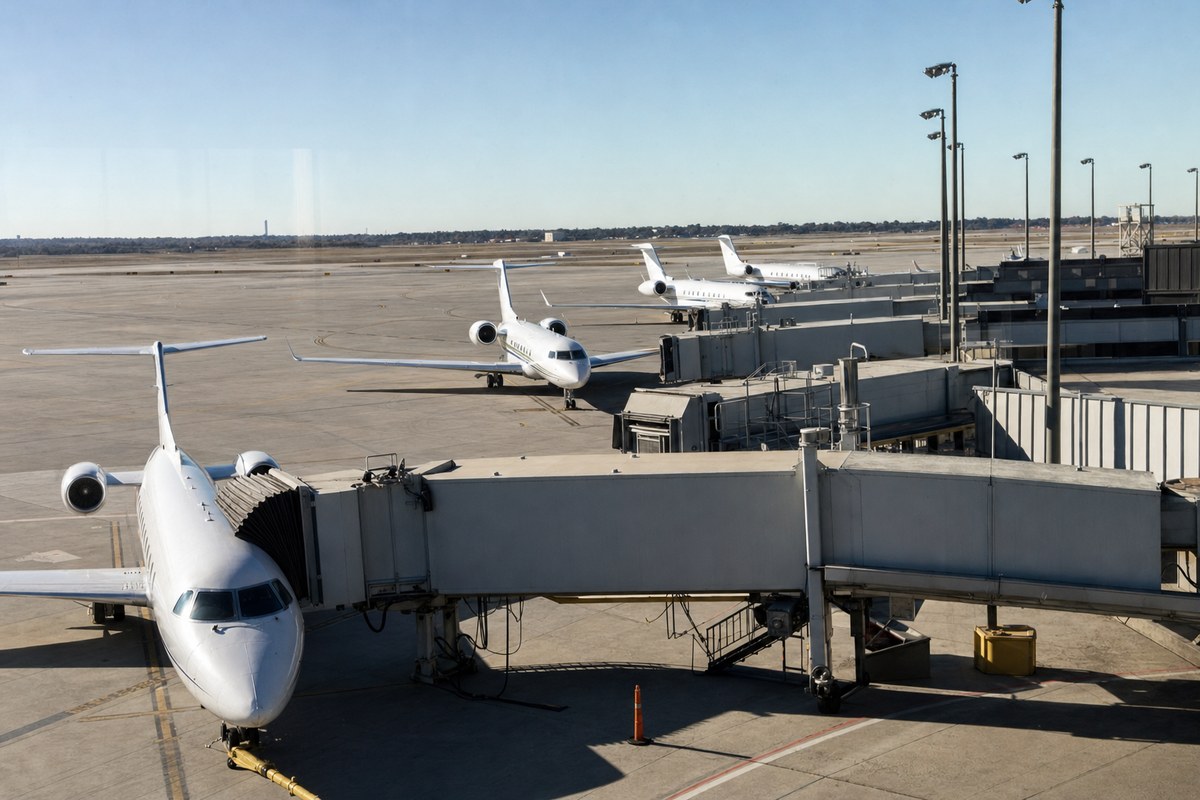
An FAA ground stop is a traffic management order that keeps flights bound for a specific airport or area on the ground at their departure airports. Aircraft already in the air continue to their destinations. The restriction follows a flight's destination rather than its origin, so a hold on flights to one hub can leave travelers waiting at gates in many other cities, even where skies are clear. Holding aircraft at the gate also avoids fuel burned in holding patterns and keeps airspace near the destination from becoming crowded.
A ground stop differs from a ground delay program. A ground stop halts departures to a constrained airport entirely, usually for a short period. A ground delay program keeps flights moving but gives each affected flight an assigned departure slot, known as an expect departure clearance time (EDCT), to space out arrivals. Traffic managers can use a ground stop to buy time while they assess a problem, then replace it with a ground delay program once they know how much capacity remains.
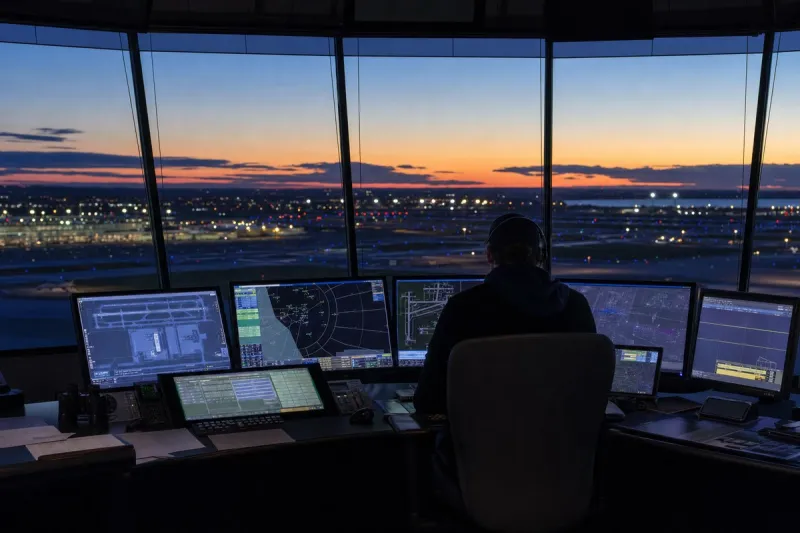
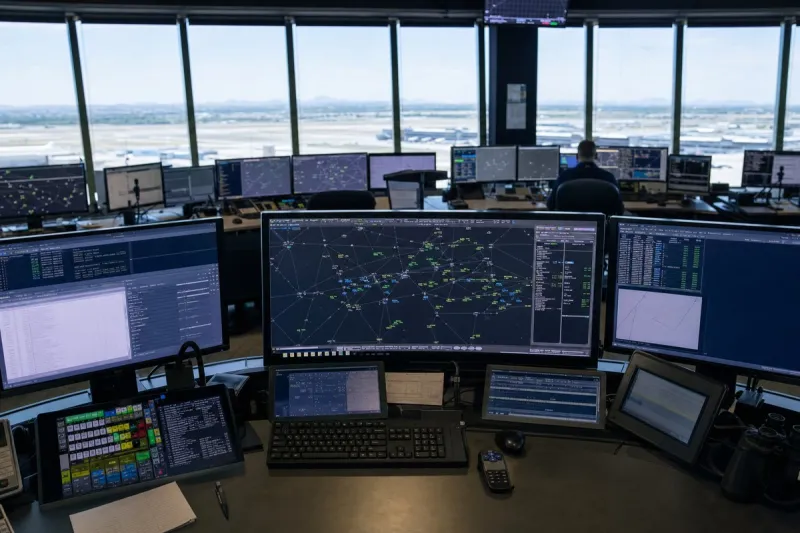
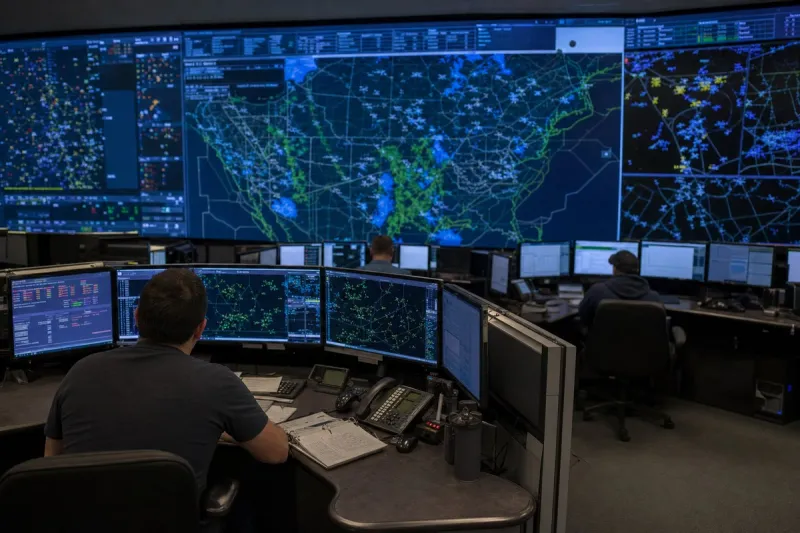
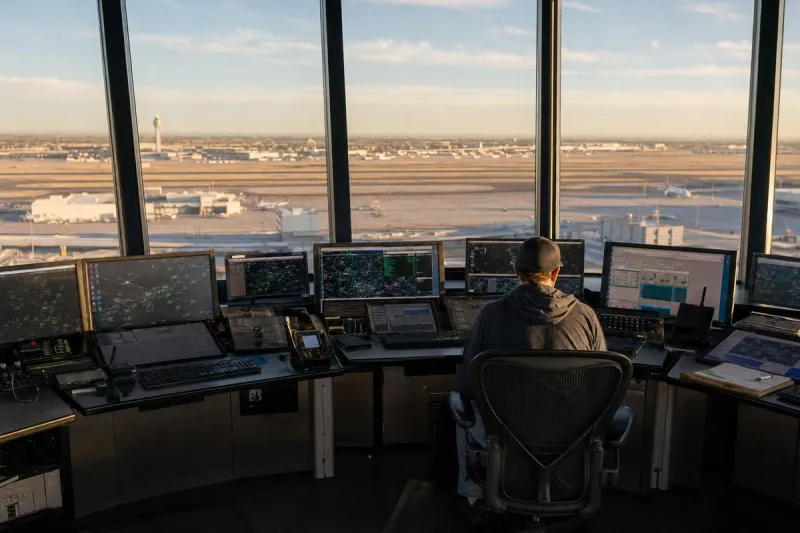
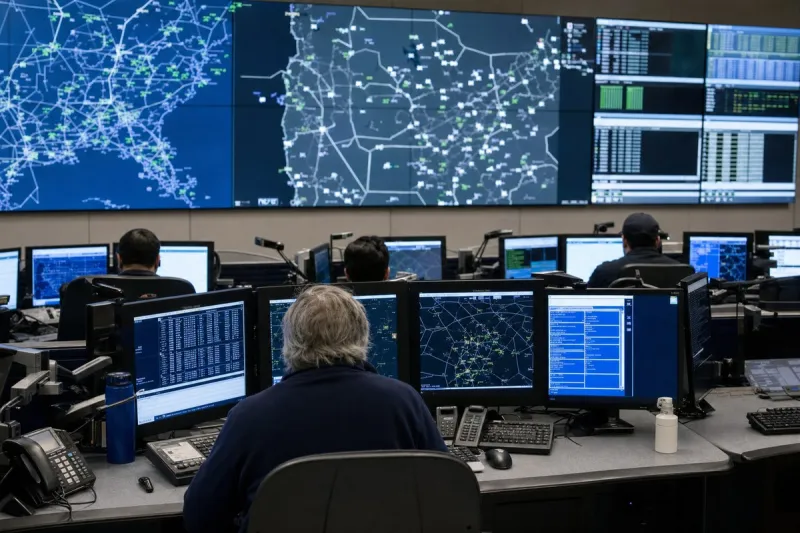
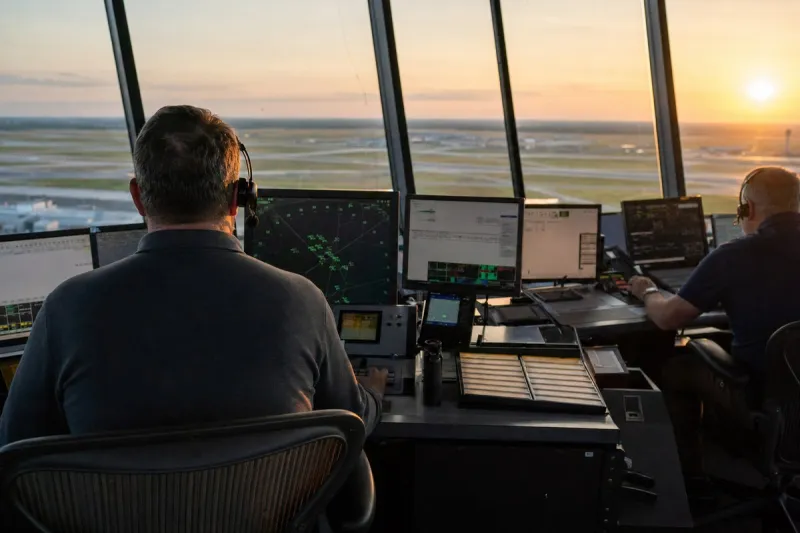
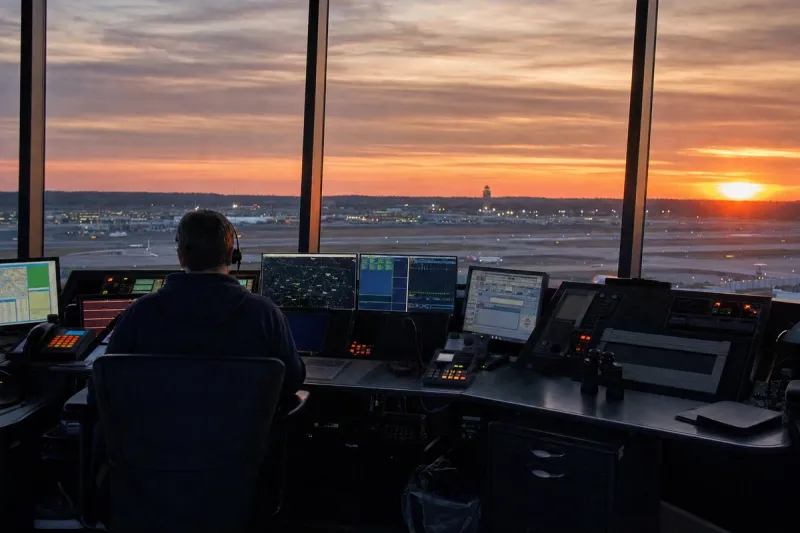
Ground stops are issued through the FAA's traffic flow management system. The FAA's Air Traffic Control System Command Center in Warrenton, Virginia, coordinates each one with air traffic facilities across the country, and airlines are then notified and hold their flights. The process usually begins when a facility's traffic managers, expecting more arrivals than an airport can accept, raise the issue with the Command Center, where national specialists weigh the request against conditions elsewhere in the system.
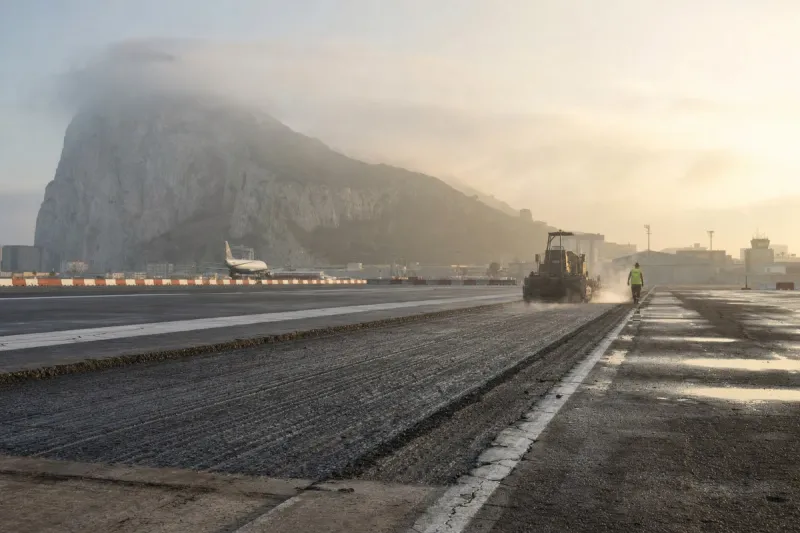
Common causes include thunderstorms, fog and low visibility, runway closures, equipment failures, security events and sudden traffic surges. Airlines can also request stops for their own flights, as during the July 19, 2024 CrowdStrike-related disruption. Nationwide stops are rare: on September 11, 2001, the FAA ordered every civil aircraft in U.S. airspace to land and barred new takeoffs, and on January 11, 2023, an outage of the Notice to Air Missions system led the FAA to halt domestic departures nationwide. Nearly all ground stops are local.