Poonawalla Family's Global 6500 VT-CCA Lands at London Luton After 9h 56m Flight From Van Nuys
Why It MattersFrequent long-range runs between California and Luton show how an ultra-long-range jet and a multi-aircraft fleet let a single family keep a base in India while operating across several continents.
What happened
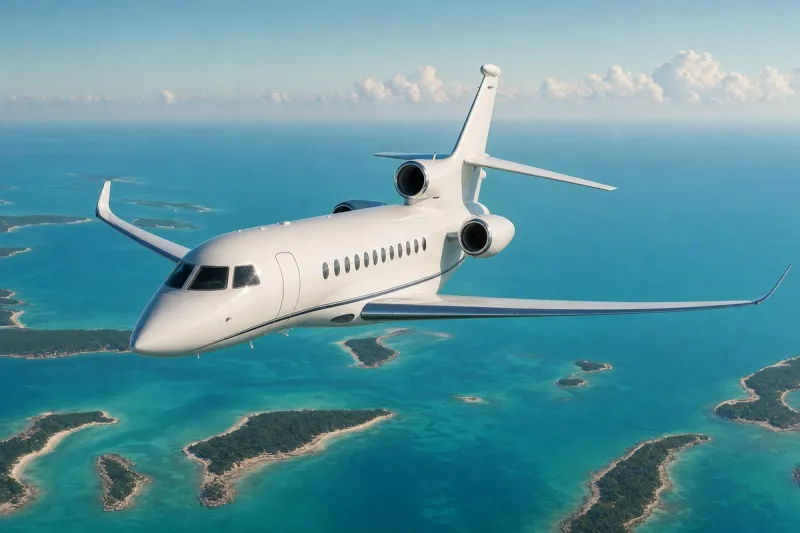
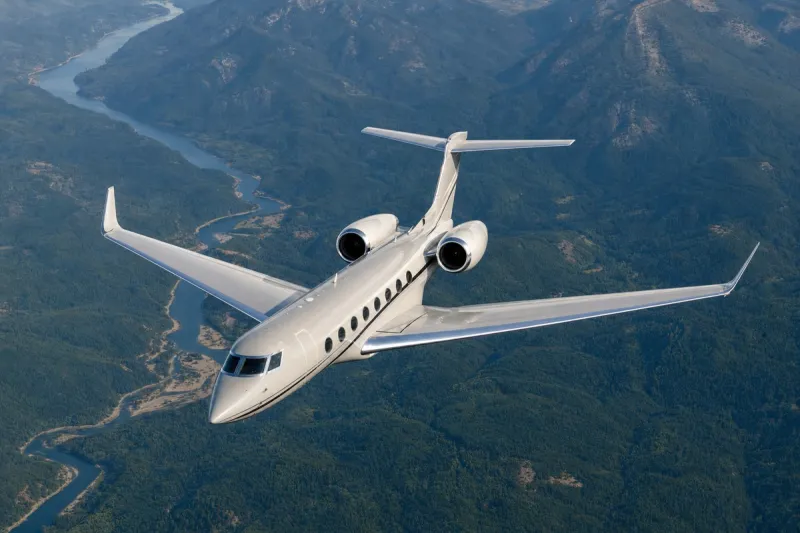
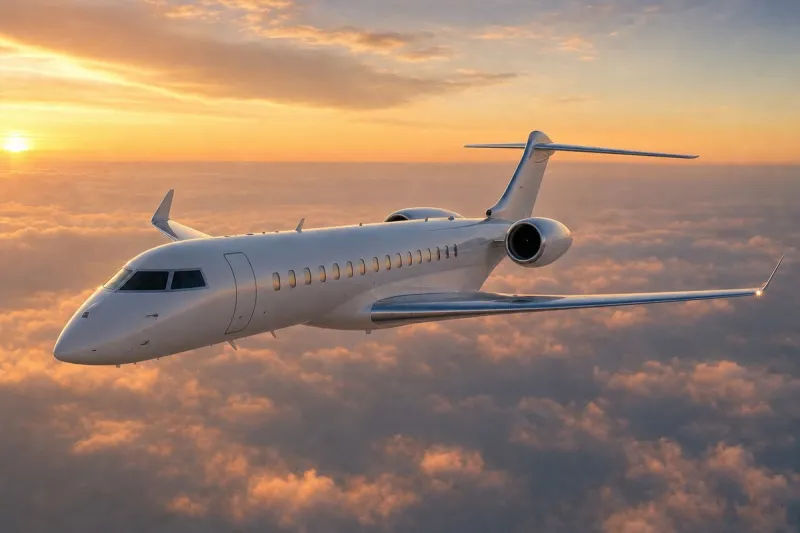
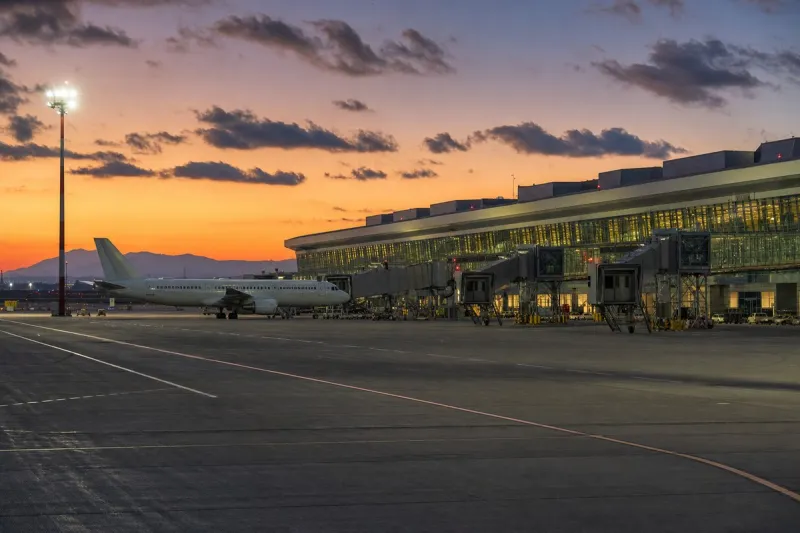
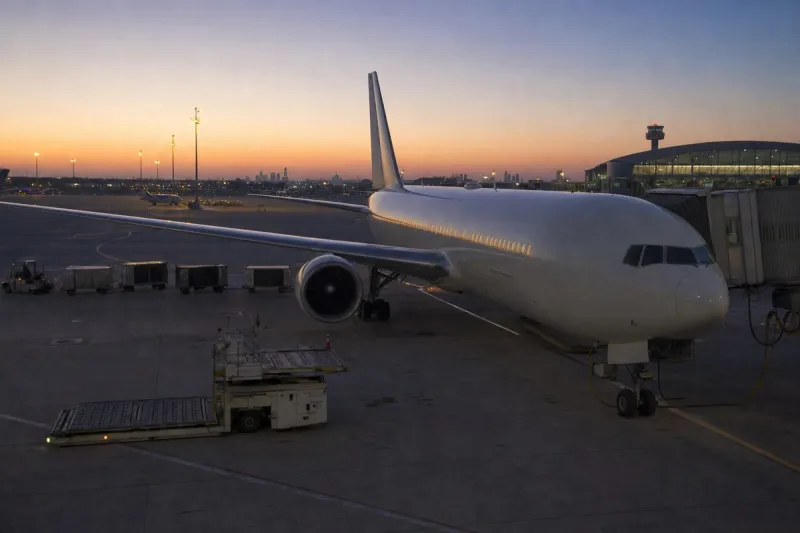
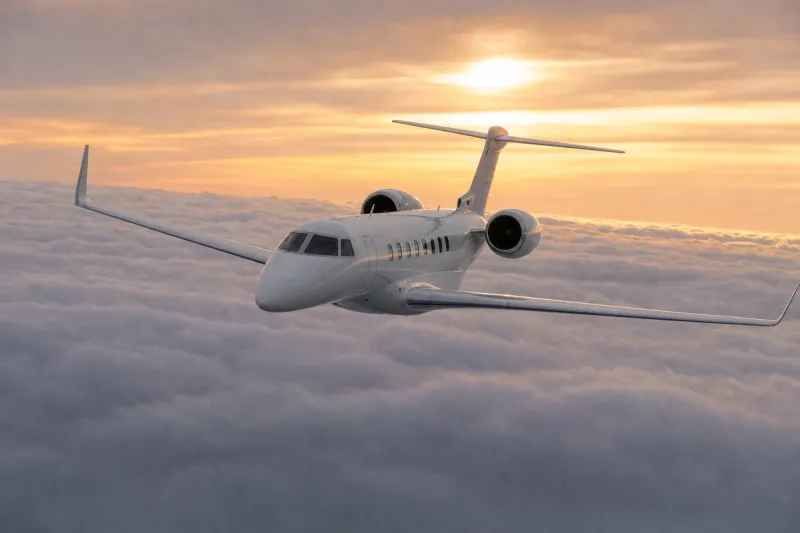
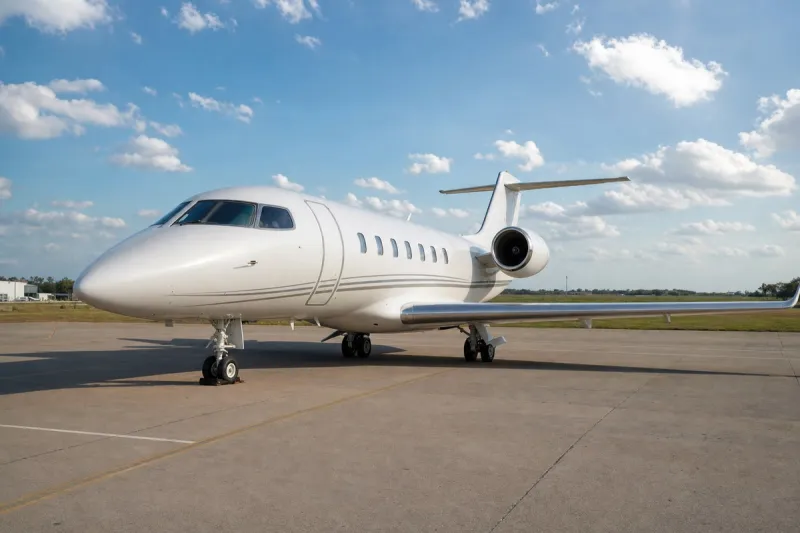
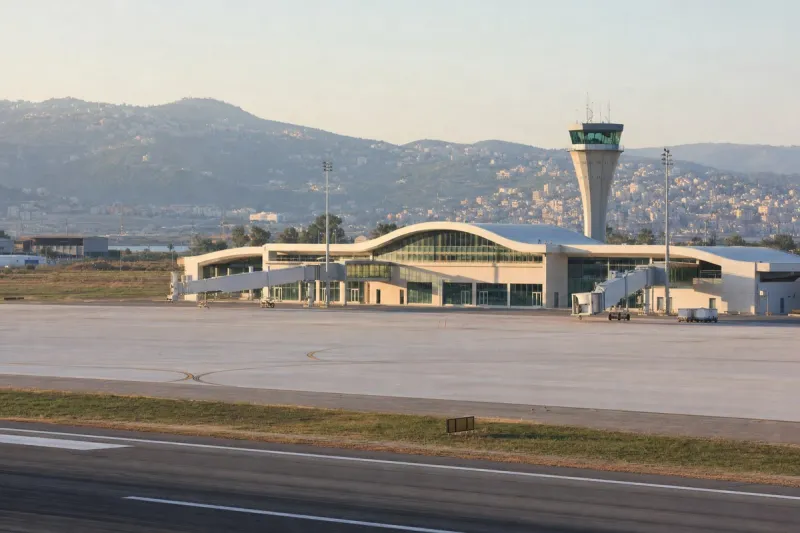
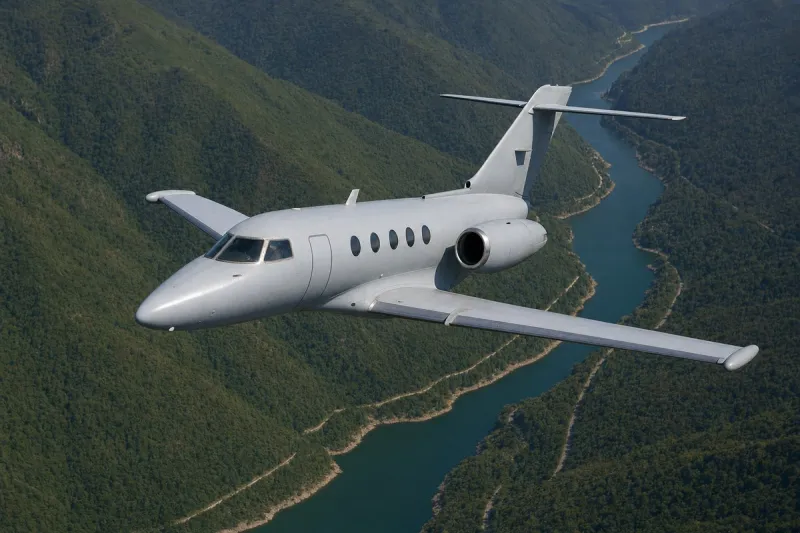
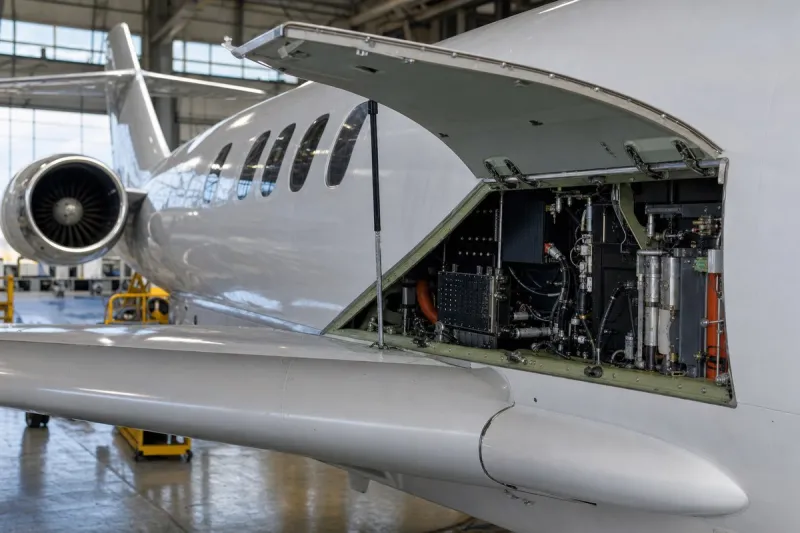
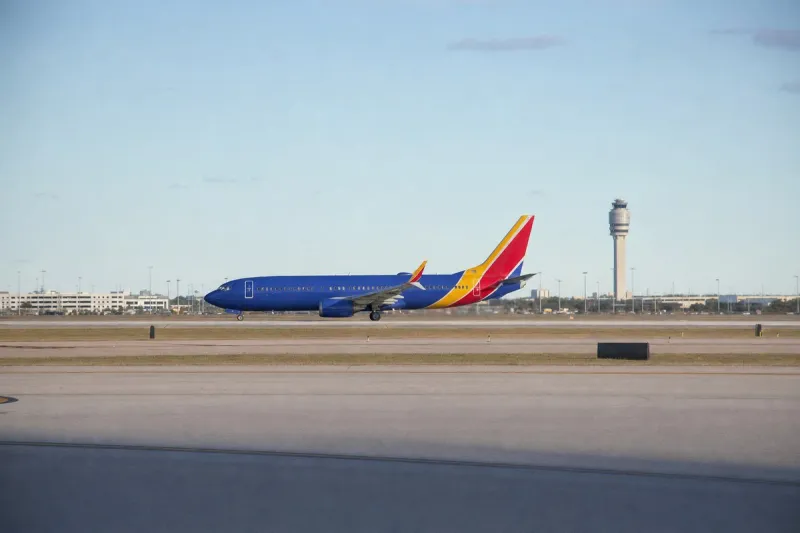
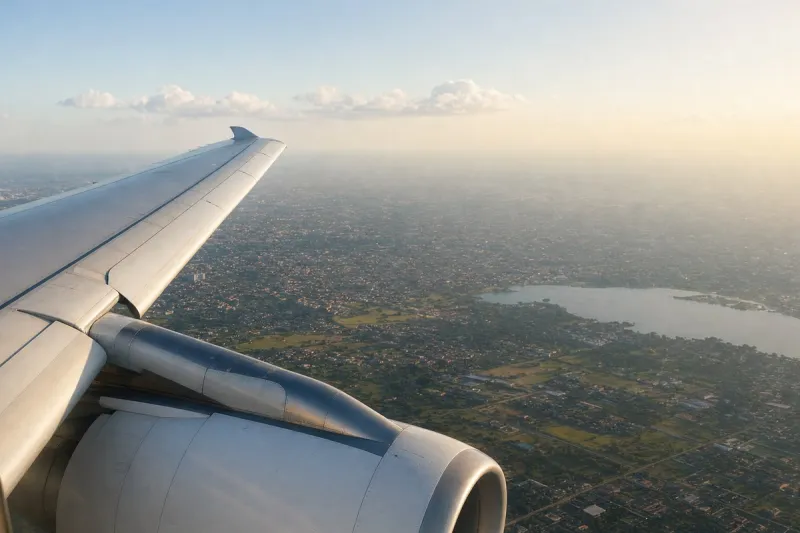
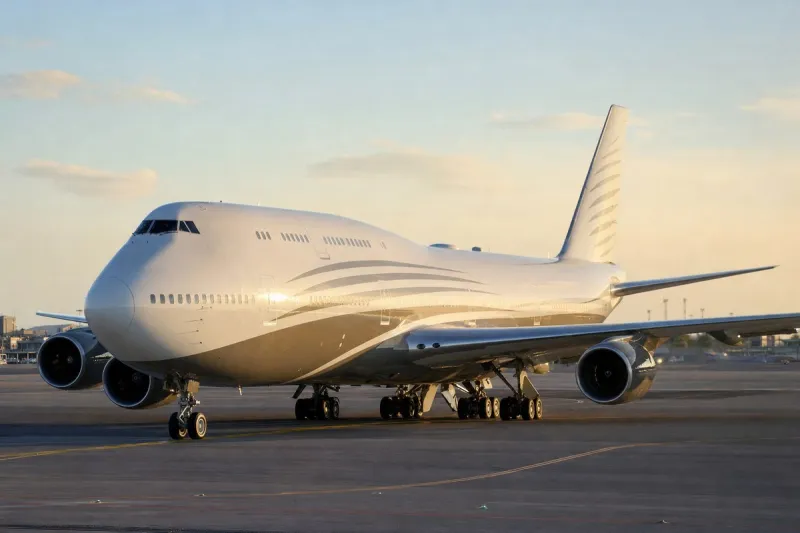
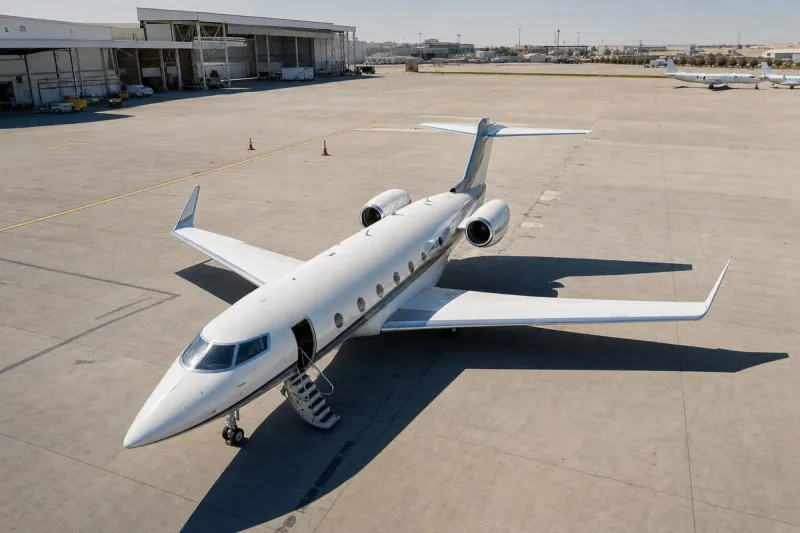
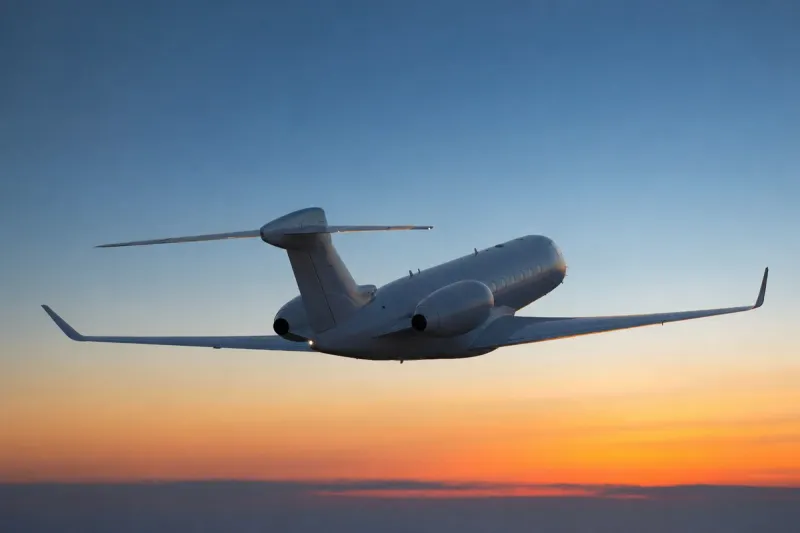
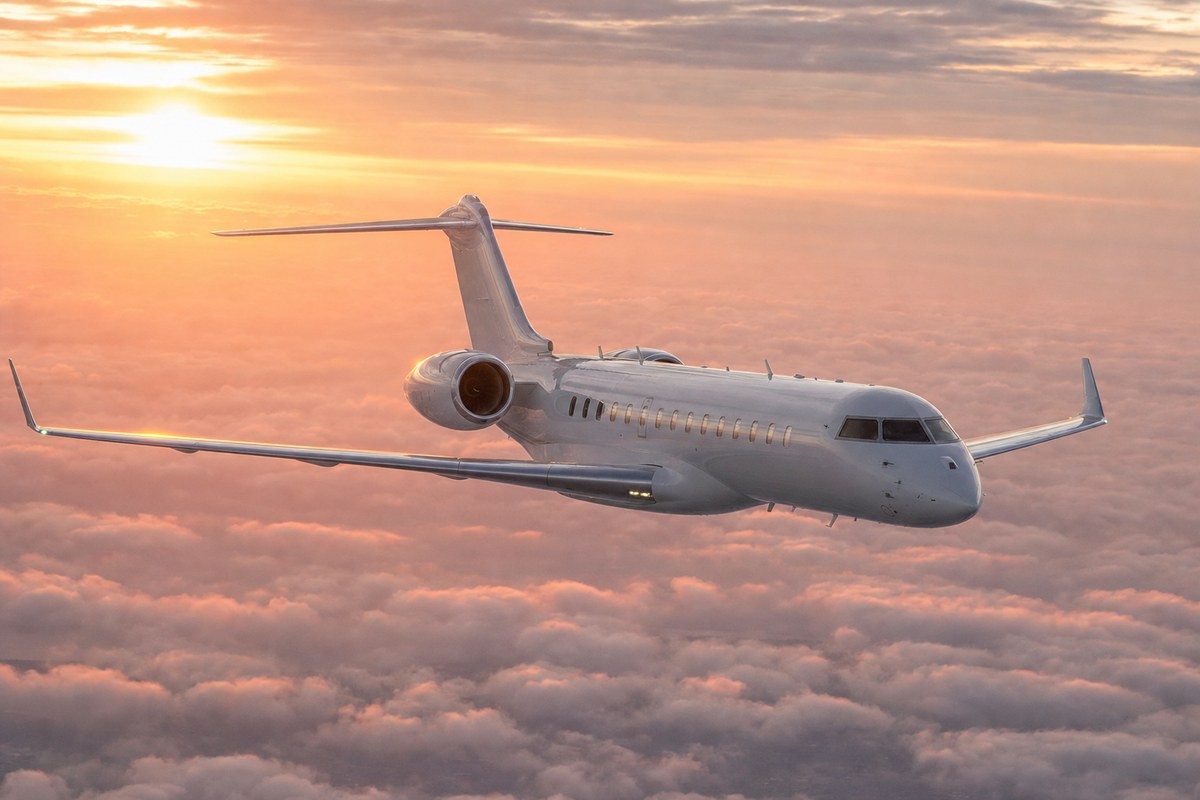
The Poonawalla family's Bombardier Global 6500, registered VT-CCA, touched down at London Luton Airport (EGGW) at 01:47 UTC on November 17, 2026. It had left Van Nuys Airport (KVNY) in California at 15:52 UTC on November 16, and the flight lasted 9 hours, 56 minutes.
The great-circle distance was 4,705 nm, using 71 percent of the aircraft's 6,600 nm range. VT-CCA climbed to 41,025 feet, reached a top ground speed of 561 knots and averaged 474 knots. Celebplanes estimates the flight burned about 4,466 US gallons of fuel, producing roughly 42,906 kg of CO2.
This was the sixth landing by the family's aircraft at Luton in the tracked window from September 28 to November 14, 2026. The previous Luton arrival was on November 7, 2026, also by VT-CCA. Before this flight VT-CCA had been on the ground for about 41 hours, following a tracked landing at Van Nuys on November 14, 2026, after a 4-hour, 17-minute flight from Foxburg. Lord Alan Sugar's Embraer Legacy 650 landed at Luton about 16 hours before VT-CCA. The purpose of the Luton stop is not confirmed by tracked data.
The aircraft and the family fleet
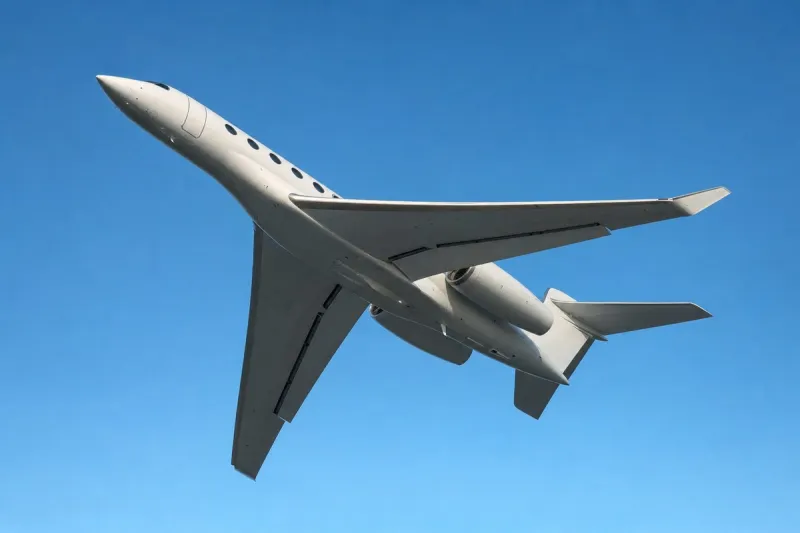
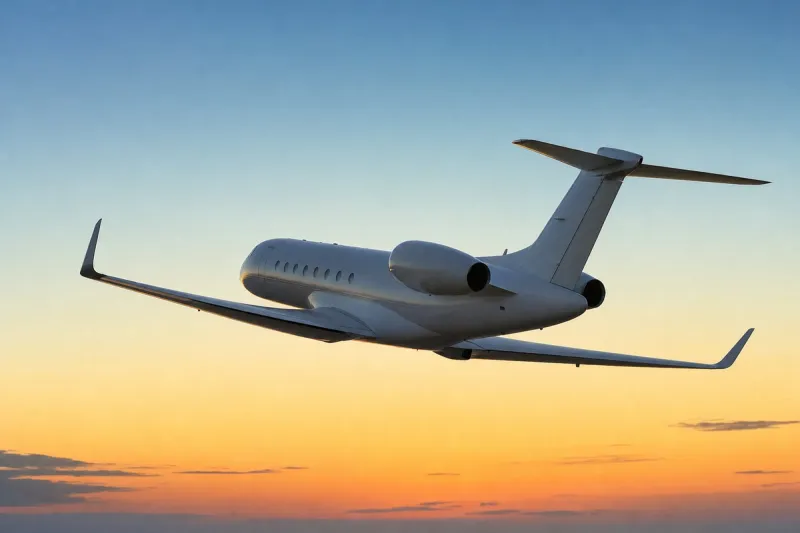
The Bombardier Global 6500 is an Ultra Long Range jet in service since 2019. It typically seats 13 passengers and can carry up to 17, has a top speed of Mach 0.90 and a ceiling of 51,000 feet, and is powered by Pearl engines with an upgraded wing.
The family's home base is Pune International Airport (VAPO), 3,954 nm from Luton. It is led by Cyrus Poonawalla and his son Adar Poonawalla, CEO of Serum Institute of India, and owns Poonawalla Aviation Pvt. Ltd., established in 2005. Its fleet includes a Bombardier Global 6000 (VT-CDP), a Gulfstream G550 and an Airbus H145 helicopter.
Thirty days of fleet activity
In the 30 days before this flight, the family's four aircraft — VT-NAD, VT-CCA, VT-CDC and VT-CDP — completed 19 flights totaling 62.0 hours in the air. The most common destinations were Pune with 10 landings, Luton with 5 landings and Mumbai with 4 landings.
The aircraft used 15 airports in 6 countries over that period, covering about 27,174 nm. The longest leg was Luton to Los Angeles on November 10, 2026, at 4,729 nm, flown by VT-CCA.
Industry impact & what to watch
A 4,705 nm leg that uses 71 percent of a 6,600 nm range shows the practical envelope of ultra-long-range jets: transatlantic and transcontinental sectors are flown nonstop with margin, which is what lets an owner shuttle between California and the London area without a technical stop. The two longest legs in the 30-day window, Luton to Los Angeles at 4,729 nm and this return at 4,705 nm, both sit in that same band.
For private fleets spread across several aircraft, the pattern in the tracked data is a rotation across types, with the Global 6500 taking the longest sectors while others cover shorter regional work. Repeated visits to one airport, six at Luton in under seven weeks, also illustrate why business-aviation airports near major capitals draw steady ultra-long-range traffic.
The fuel and CO2 estimates, about 4,466 US gallons and 42,906 kg for a single crossing, are the kind of per-flight figures that feed scrutiny of long-haul private flying. They are Celebplanes estimates, and the next tracked movements of VT-CCA from Luton would show whether this rotation continues.