US Part 139 Airports Assign ARFF Index A to E by Aircraft Length, Setting Truck Numbers and Agent Loads
Why It MattersAirport fire capability is tied to the largest regularly scheduled airliner rather than to total traffic, so a single type's departure frequency can move an airport's whole rescue-equipment obligation up or down.
What happened
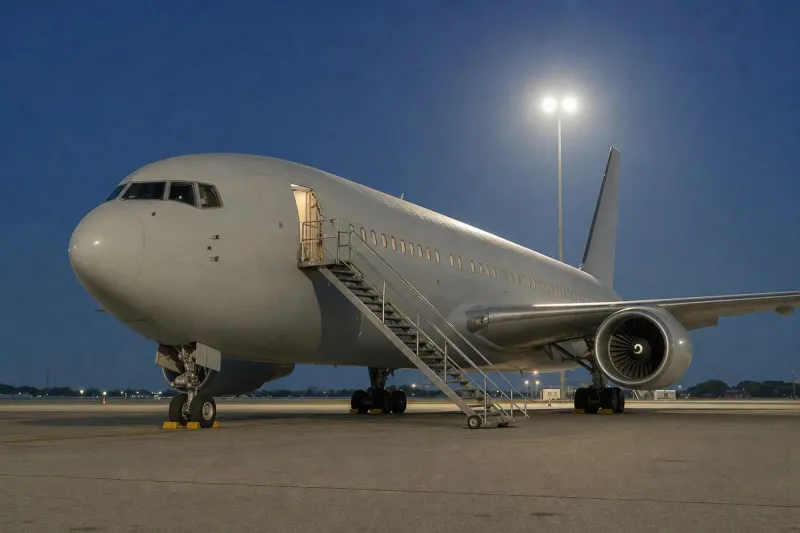
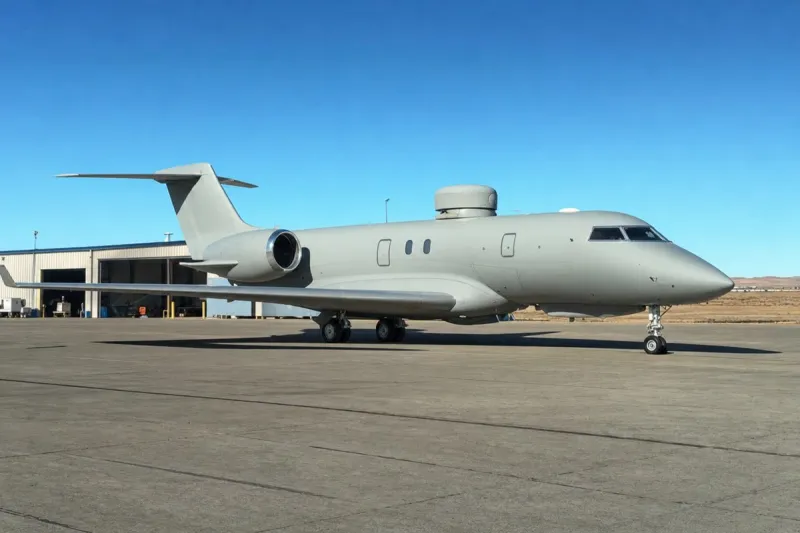
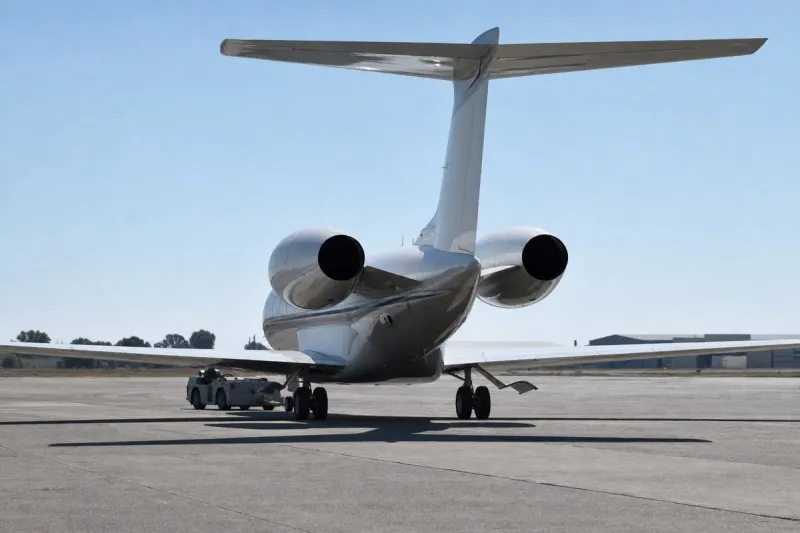
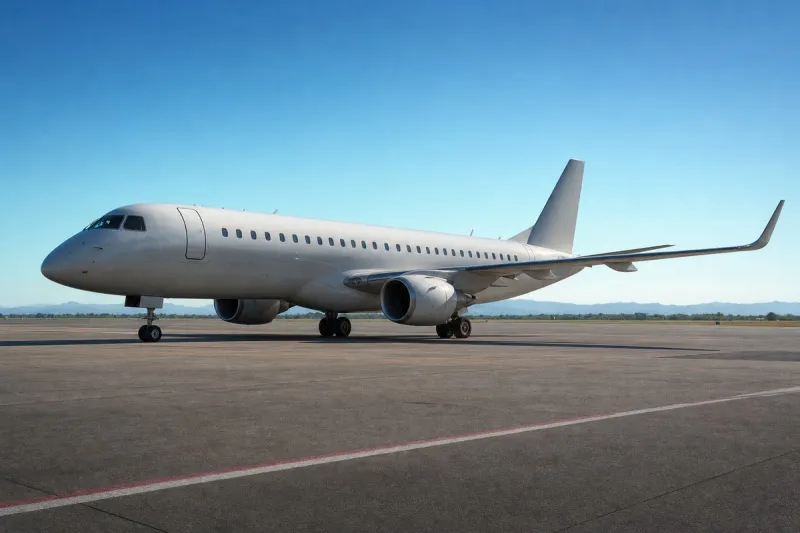
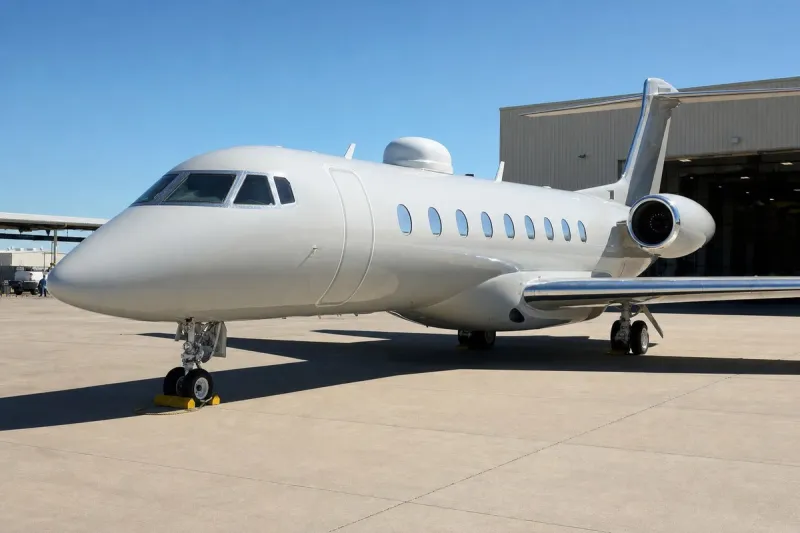
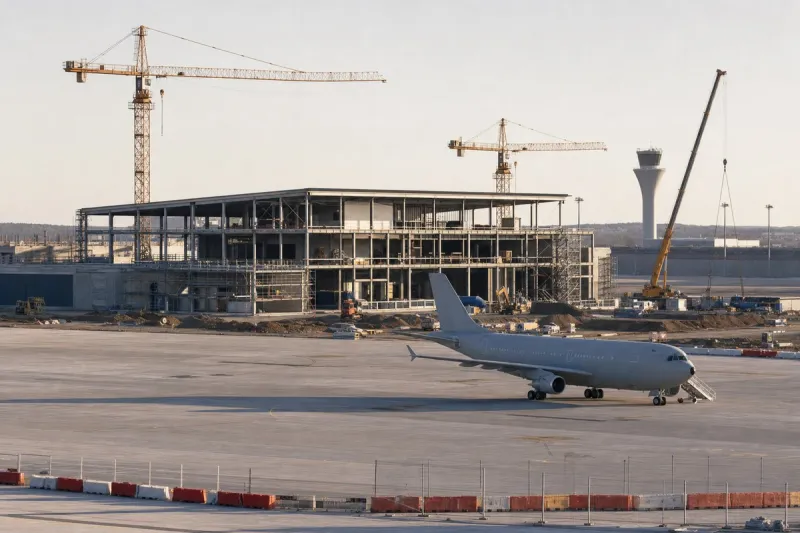
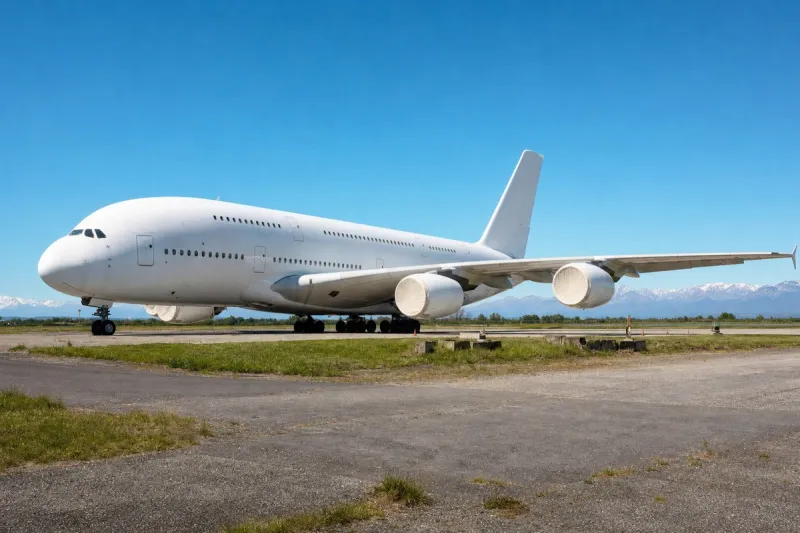
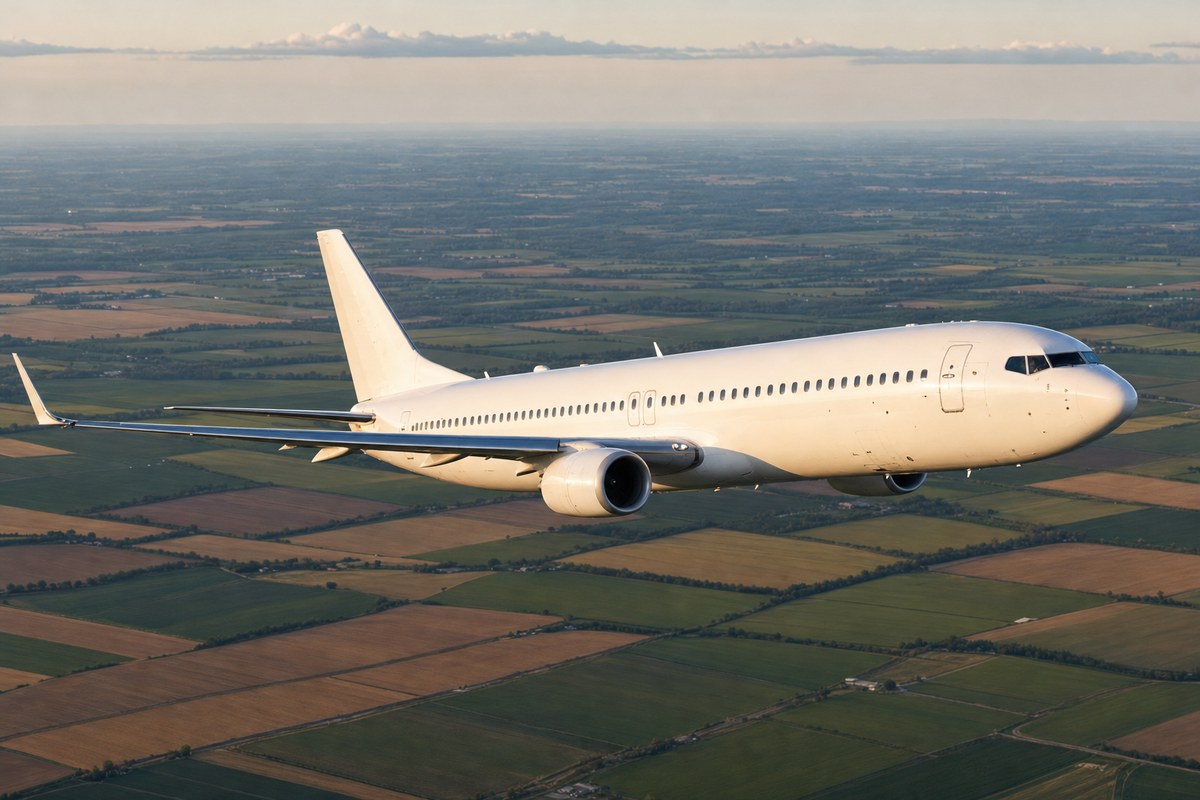
Every US airport certificated under 14 CFR Part 139 is assigned an aircraft rescue and firefighting (ARFF) index from A to E. Under 14 CFR 139.315, the index depends on the length of the air carrier aircraft using the airport and their average daily departures. Index A covers aircraft under 90 feet long; B, 90 to under 126 feet; C, 126 to under 159 feet; D, 159 to under 200 feet; and E, 200 feet and longer. An Airbus A320 (about 123 feet) falls in Index B, a Boeing 737-800 (129 feet 6 inches) in Index C, a Boeing 767-300 (about 180 feet) in Index D, and a 777-300 (more than 242 feet) in the longest category.
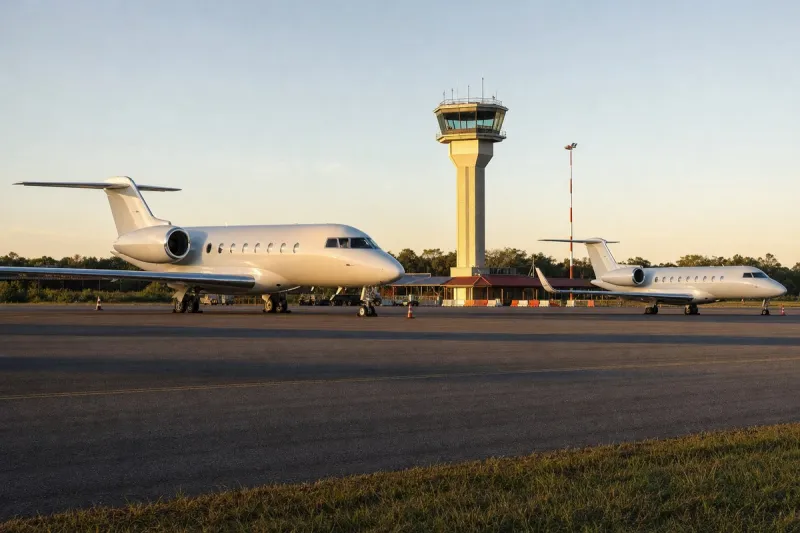
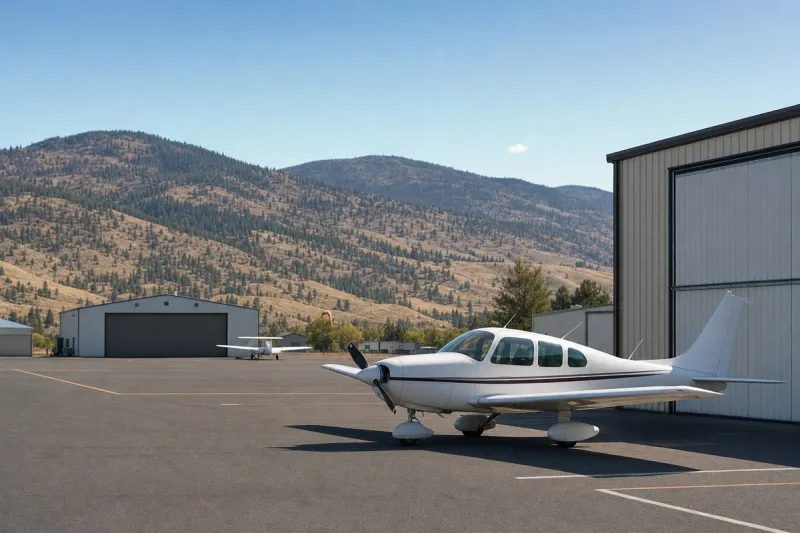
The index is set by the longest aircraft averaging five or more daily departures. If the longest type averages fewer than five, the airport drops to the next lower index. The minimum is Index A, and the smallest certificated airports (Class III) can meet it through an approved arrangement with local fire and medical services providing a comparable level of safety.
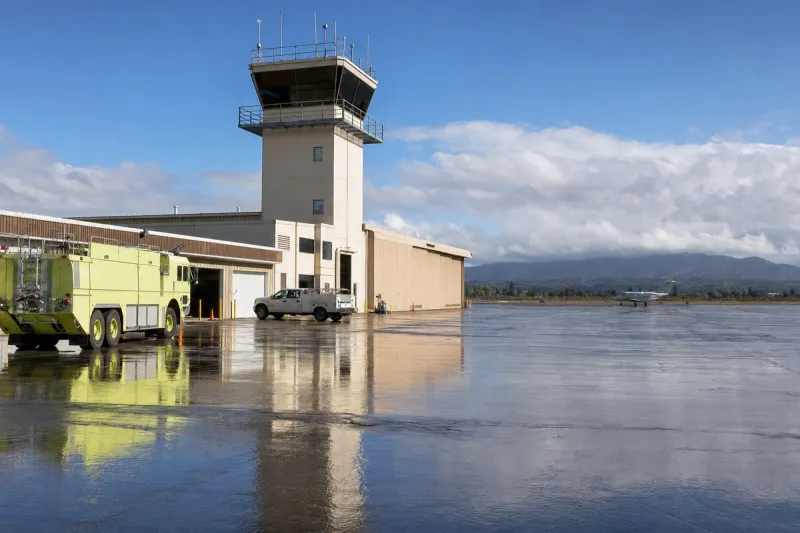
Section 139.317 converts the index into equipment. Index A requires one vehicle carrying at least 500 pounds of sodium-based dry chemical, halon 1211 or clean agent, or 450 pounds of potassium-based dry chemical plus water and foam concentrate totalling 100 gallons. Index B requires at least 1,500 gallons of water for foam production on one or two vehicles. Index D requires three vehicles carrying a combined 4,000 gallons, and Index E three vehicles with 6,000 gallons between them. Each foam-carrying vehicle must carry enough concentrate to mix with twice its water load.
Section 139.319 sets the response standard: the first vehicle must reach the midpoint of the farthest runway and begin applying agent within three minutes of the alarm, and all other required vehicles have four minutes to reach the same point and begin applying agent. Required vehicles need two-way radios, a flashing or rotating beacon and a high-contrast paint scheme. If a required vehicle breaks down and cannot be replaced immediately, the airport must notify the FAA and the airlines; if full index capability is not restored within 48 hours, air carrier operations must be limited to what the remaining capability supports.
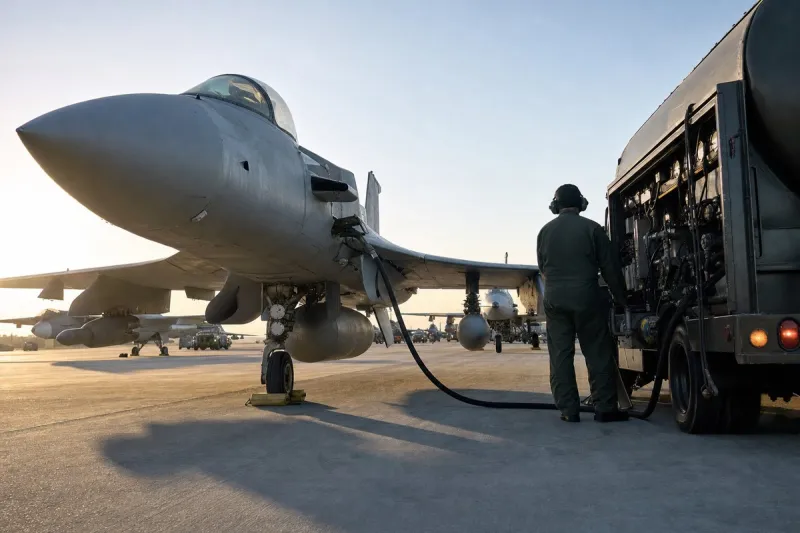
Every ARFF firefighter must have proper protective equipment and be trained before starting duty, with recurrent training every 12 consecutive calendar months. On foam, aqueous film-forming foam (AFFF) contains PFAS chemicals, which the US Environmental Protection Agency says can cause serious health problems, including cancer, after long-term exposure. The Department of Defense published a military specification for fluorine-free foam (F3) in January 2023, and Congress directed the FAA in December 2022 to plan an orderly transition. Airports are switching foams and cleaning trucks that carried AFFF.
Industry impact & what to watch
The five-departure threshold means the index tracks regular scheduled service, not occasional visits. A widebody that lands a few times a week does not by itself raise an airport's required fire capability, while a narrowbody type that reaches five daily departures can lift the airport into the next index and with it the vehicle count and agent quantities in 139.317. For airports, growth in airline equipment size therefore carries a fixed-cost consequence in trucks, agent and trained crews.
The 48-hour rule in 139.319 makes vehicle availability an operating constraint as well as a compliance item. A single out-of-service truck at an Index D or E airport can, after two days without a replacement, cap the size of aircraft the airline is allowed to operate there. That puts fleet maintenance and spare-vehicle planning on the same footing as runway and terminal capacity for airports near an index boundary.
The foam transition is the part still moving. Congress directed the FAA in December 2022 to plan an orderly move away from PFAS-containing AFFF, and the Defense Department's January 2023 military specification for F3 gives airports a fluorine-free product to buy against. The practical milestones to follow are the airports completing the switch and decontaminating trucks that carried AFFF, since each change touches the same vehicles and agent loads that the index requirements define.