Mike Cannon-Brookes's Bombardier Global 7500 N1711M Flies Bangkok to Sydney in 9 Hours 15 Minutes
Why It MattersPublic flight tracking now lets an ultra-long-range jet's fuel burn, CO2 output and utilisation be reconstructed leg by leg, which keeps pulling private-aviation emissions into view whatever the owner's purpose.
What happened
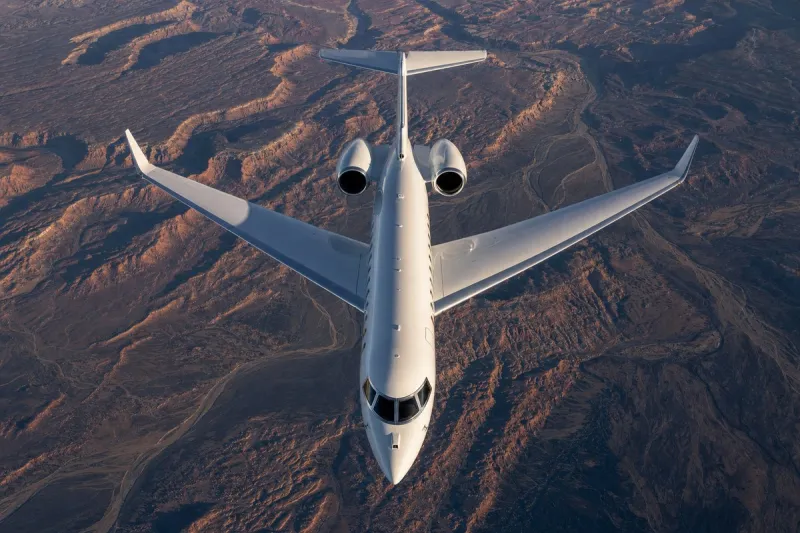
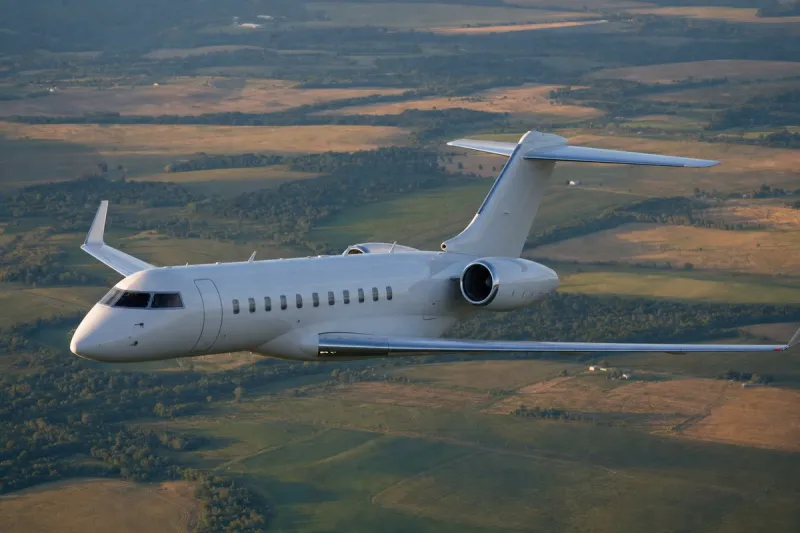
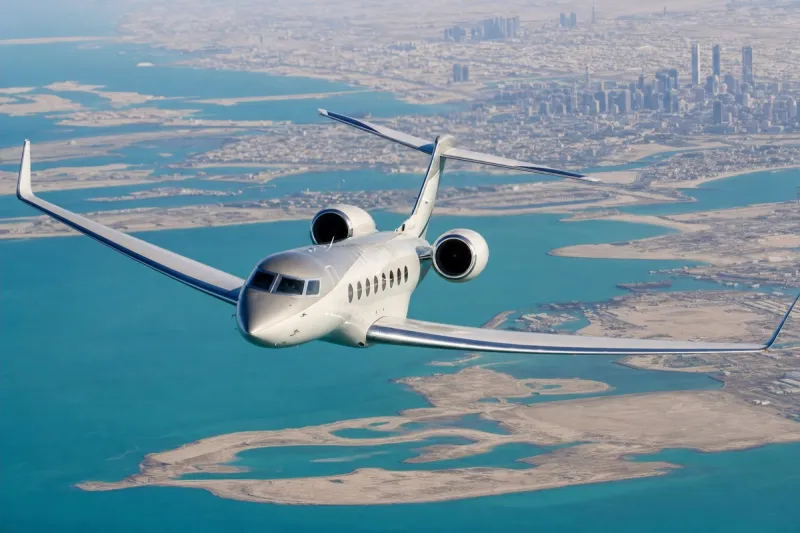
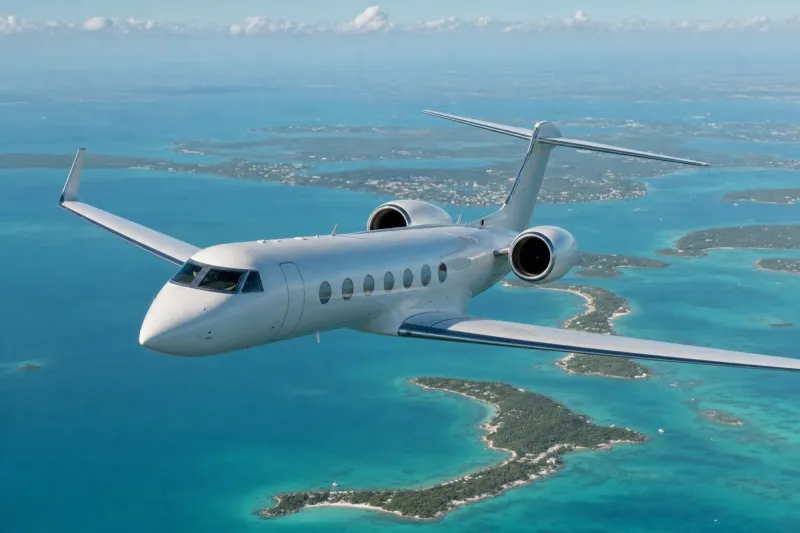
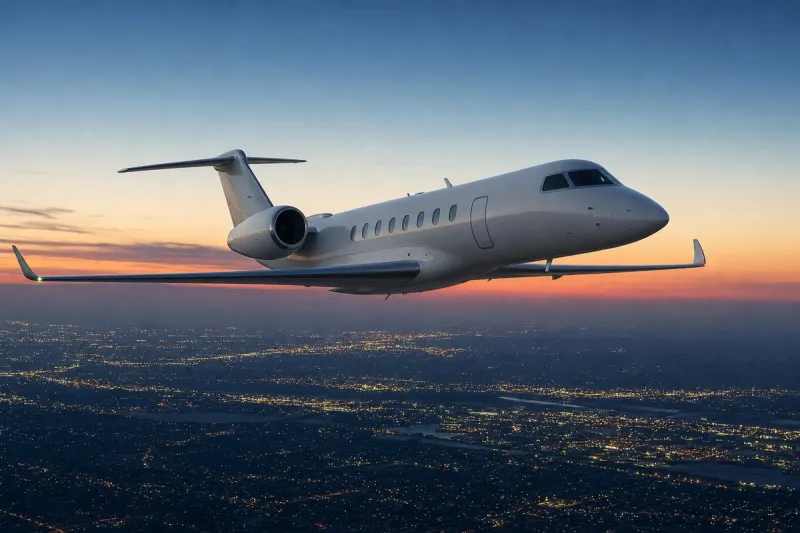
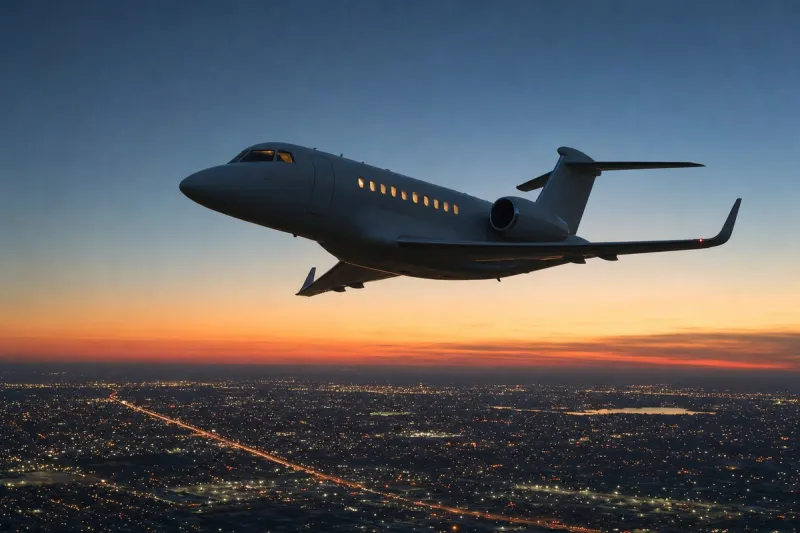
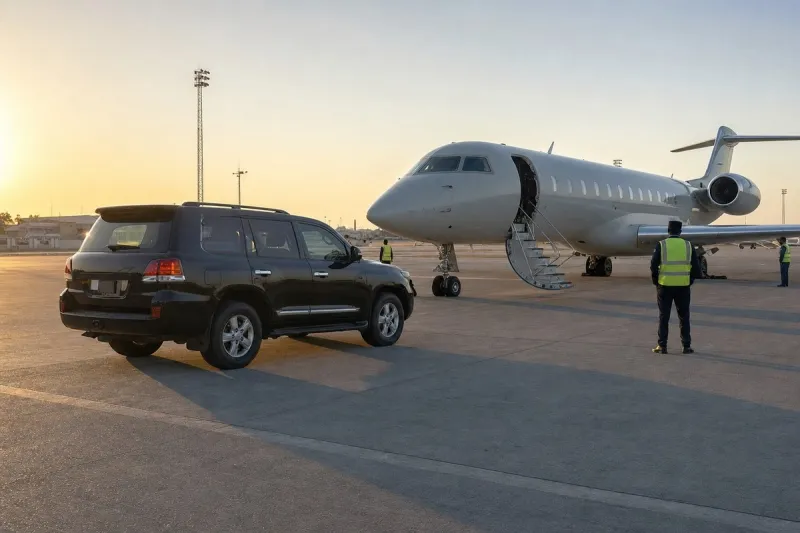
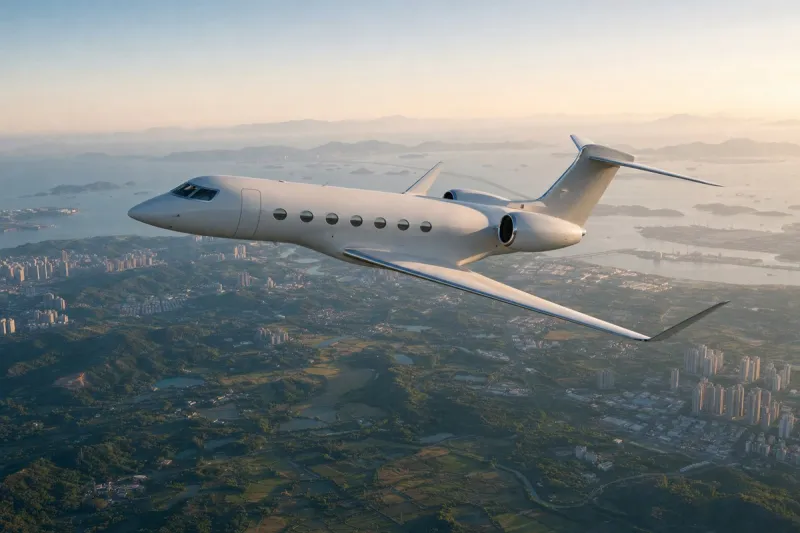
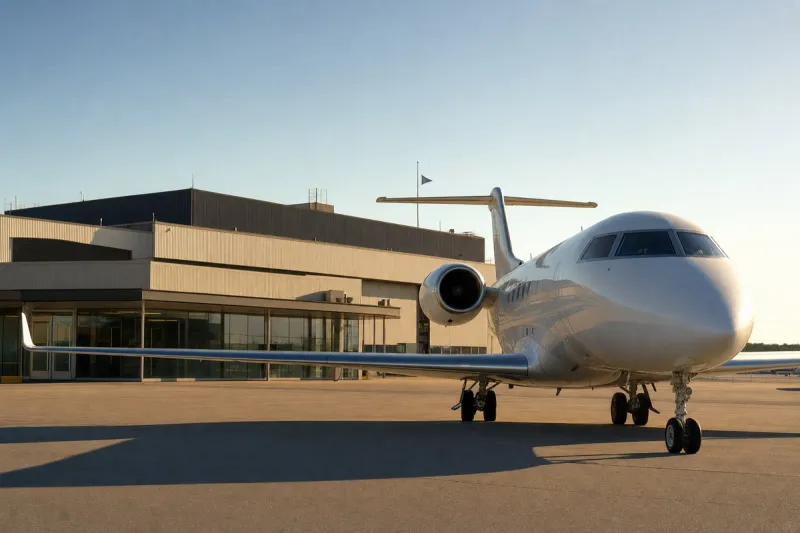
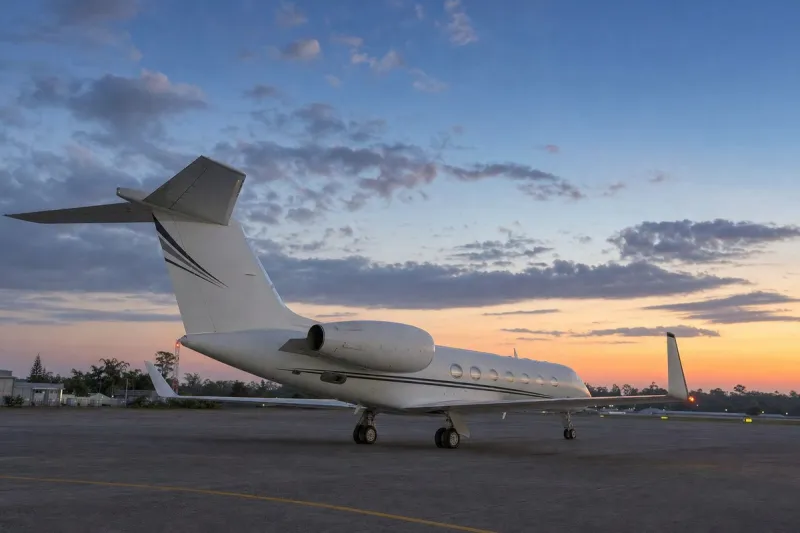
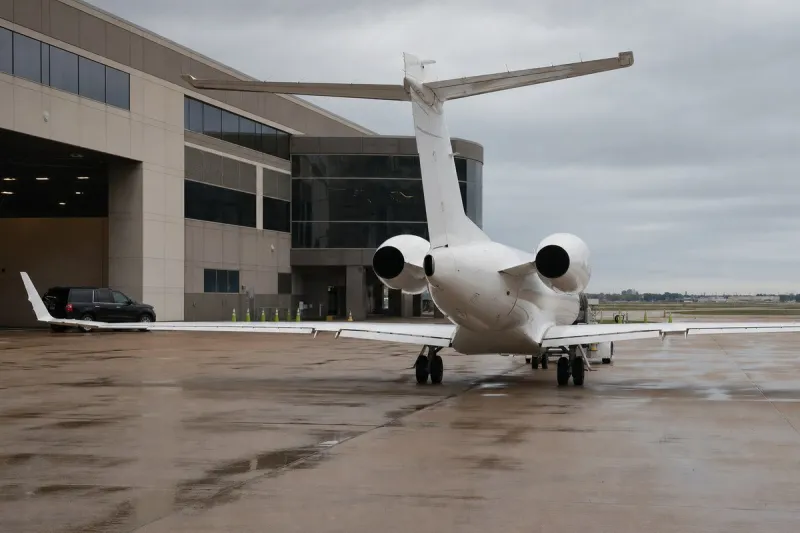
Bombardier Global 7500 N1711M, associated with Atlassian co-CEO Mike Cannon-Brookes, landed at Sydney Kingsford Smith International Airport on Wednesday after a flight from Bangkok. It left Bangkok at 13:46 UTC and touched down in Sydney at 23:01 UTC, a block time of 9 hours 15 minutes over a great-circle distance of 4,073 nautical miles (4,687 miles).
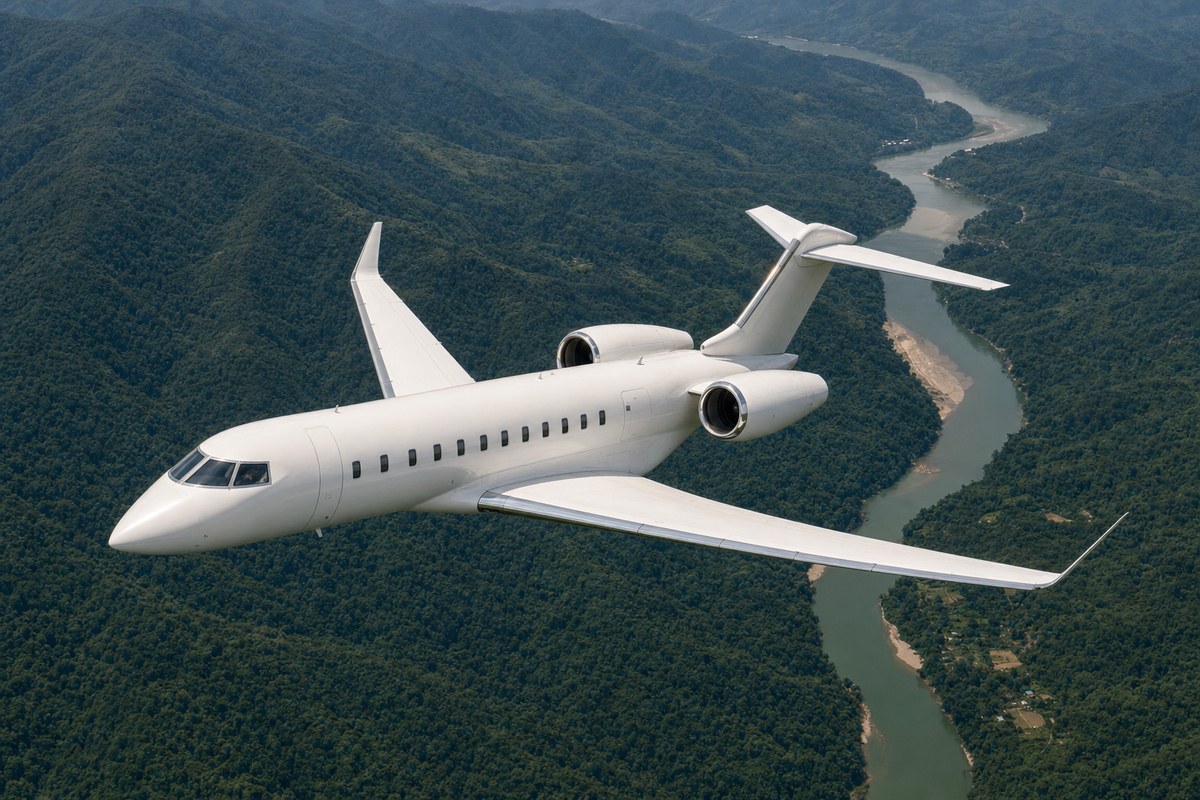
The aircraft averaged a ground speed of 441 knots, peaked at 564 knots and reached a maximum altitude of 45,025 feet. The leg burned about 4,160 US gallons of fuel and produced an estimated 39,964 kilograms of CO2. It used about 53 percent of the aircraft's 7,700-nautical-mile range. The Global 7500 has a top speed of Mach 0.925 and a service ceiling of 51,000 feet, and typically seats 13 passengers, up to 19.
This was the 11th tracked landing at Sydney by N1711M in the tracking window that began on June 26, 2026; the previous Sydney landing was on November 7, 2026. The jet had spent about 1 hour on the ground in Bangkok after its previous tracked landing there on November 11.
In the 30 days before this flight, N1711M visited 7 airports in 6 countries and made 7 flights totalling 45.2 hours in the air and about 20,409 nautical miles. Those flights produced about 195,238 kilograms of CO2. The longest leg in that period was a 6,750-nautical-mile flight from Sydney to Vancouver on November 8.
From June 26 to November 10, 2026, the aircraft made 36 tracked flights. Sydney was the most common destination with 10 landings before this one, followed by Bangkok with 3 and London, Essex with 2. Cannon-Brookes is co-CEO of Atlassian, an Australian software company headquartered in Sydney. A web search found no scheduled public appearance, board meeting or court date tied to him or Atlassian in Sydney around November 11, so the purpose of the trip is unknown.
Industry impact & what to watch
Ultra-long-range jets such as the Global 7500 are built to make exactly this kind of sector: a single non-stop leg across Southeast Asia and Australia at about half of published range. What public tracking adds is the cumulative picture. Seven flights and about 20,409 nautical miles in 30 days, with roughly 195,238 kilograms of CO2 attached, shows how quickly one aircraft's utilisation and emissions accumulate when the owner moves frequently between continents.
That visibility matters to the segment more than to any one owner. Per-flight fuel and CO2 estimates derived from open flight data are now routinely published alongside the movements themselves, and they feed the wider debate over private-jet emissions. Operators, managers and manufacturers of large-cabin aircraft work in an environment where the efficiency of a long sector and the frequency of repositioning legs can be calculated by outsiders without any disclosure from the owner.
The trip's purpose remains unknown, and nothing tied to Cannon-Brookes or Atlassian in Sydney around November 11 has surfaced. The next signal would be where N1711M flies after Sydney, since its recent pattern includes a long Sydney-to-Vancouver leg and repeated returns to Sydney.