ICE-Linked Flights Resume at Dallas Love Field Via Signature Aviation Terminal, Over a Month After Activists Reported Halt
Why It MattersThe case shows how a city-owned airport's tenant FBOs, not the airport itself, decide whether contracted government-linked flights operate there, leaving public airport owners with little direct control.
What happened
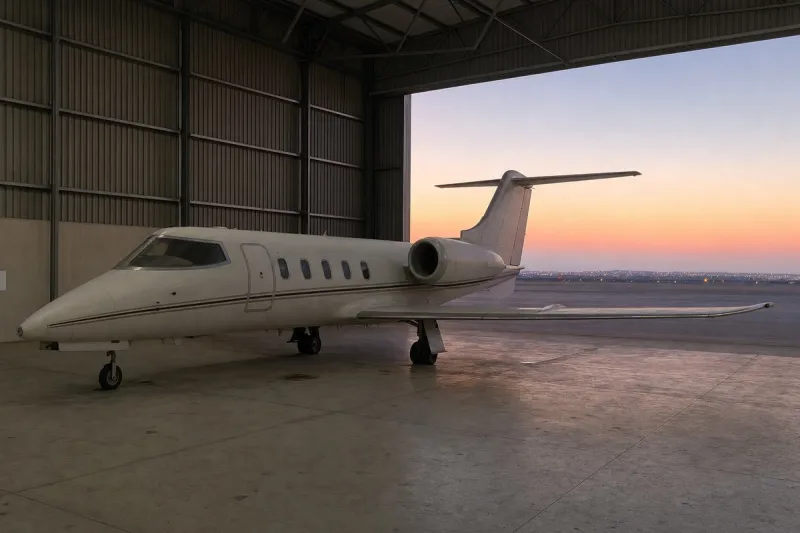
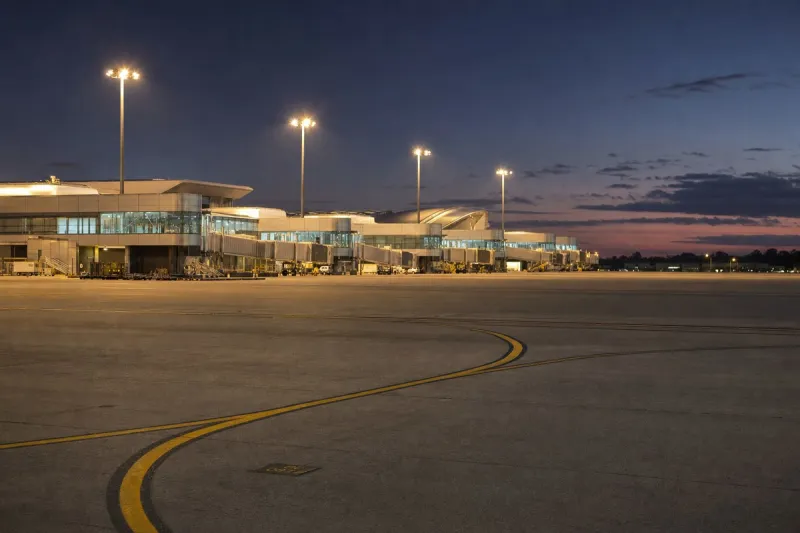
Immigration enforcement-linked flights have resumed at Dallas Love Field just over a month after activists and the city said they had ended as of Oct. 1. Observers with No Love For ICE Air reported over the weekend that ICE-contracted flights were again operating out of private terminals at the city-owned airport.
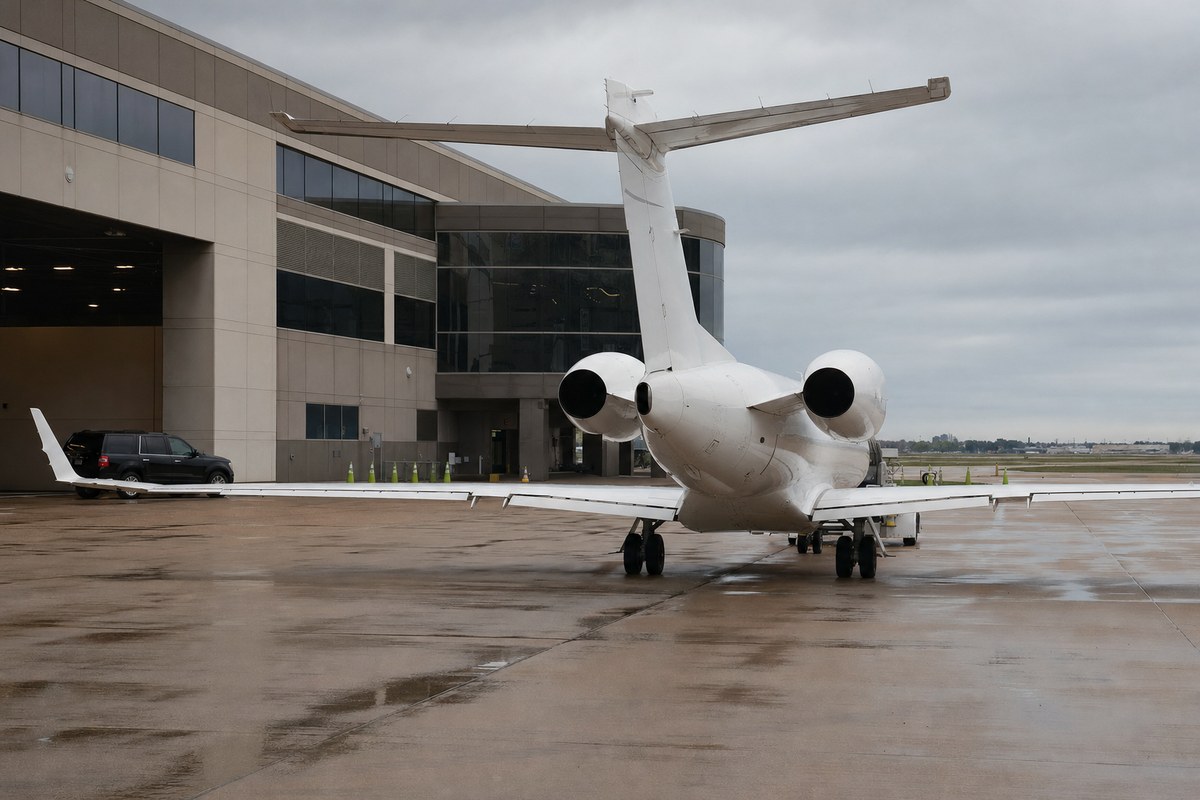
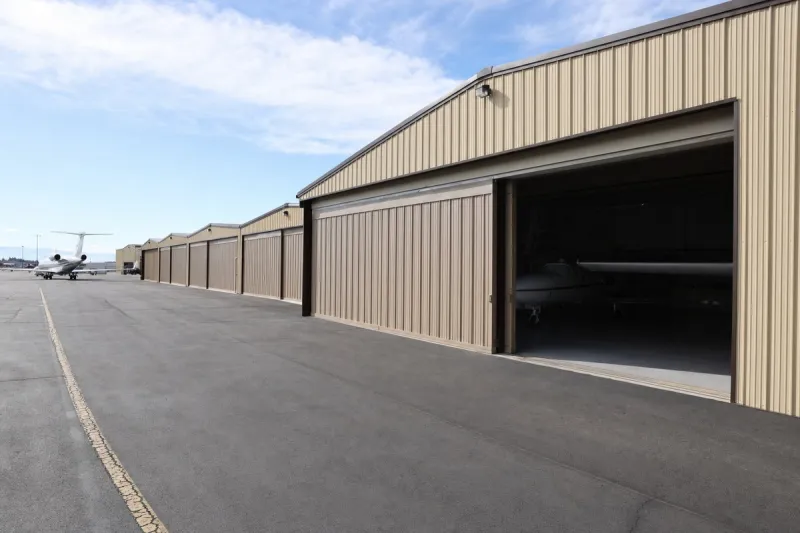
Love Field spokesperson Lauren Rounds confirmed that Signature Aviation, the fixed-base operator (FBO) providing logistical support, refueling and tarmac space for flights run by carriers such as GlobalX and Eastern Air Express, informed city aviation officials it had decided to resume operations. Rounds said the decision was at the FBO's discretion as a private business serving authorized aircraft operators under applicable laws. She said no other FBOs had reported such operations and that the airport has no approval, oversight or facilitation role in federal immigration enforcement operations.
A coalition of groups began monitoring the flights in May. Operations were first reported at the terminal of Atlantic Aviation, a Plano-based FBO, and shifted to Signature's terminal in July following demonstrations. Organizer Lanie Olmo told reporters in October the group had personally observed 46 domestic "shuffle flights" entering or leaving Love Field FBO terminals during that period, with estimates, which she warned were likely undercounts, putting the total at 2,606 individuals, and 12 flights leaving for international destinations, suggesting removal operations.
After the initial pause, it was reported that operations had moved to Fort Worth Alliance Airport, but neither the airport nor any spokesperson confirmed or denied this. No Love for ICE Air organizer John Putnam called Signature's decision "extremely disappointing" and said the group will keep documenting activity at Love Field.
Signature Aviation was also criticized in March by Massachusetts Gov. Maura Healey over flights at Hanscom Field. In May, 40 Democratic members of Congress, including Reps. Julie Johnson and Jasmine Crockett, sent a letter to the FAA demanding more transparency on ICE flights.
Industry impact & what to watch
At a city-owned airport, the party that decides which flights operate is often the FBO, not the airport owner. Love Field's own statement draws that line: the decision rested with Signature as a private business serving authorized operators, and the airport described itself as having no approval or oversight role. For FBOs, that places a reputational and political question on a commercial ground-handling decision, one that has already drawn a governor's criticism at Hanscom Field and a congressional letter to the FAA.
The legal footing explains why the pause was never likely to be durable. A Dallas-based aviation attorney told the Dallas Observer that, under FAA rules, municipal airports cannot refuse certain entities, including federal agencies, the use of airport space. A city can ask, and an FBO can choose, but neither can bind the other, and the pattern in this case is movement between terminals rather than a removal of the activity.
The next fact that would settle the picture is where the flights actually operate. The reported shift to Fort Worth Alliance Airport remains unconfirmed by the airport or any spokesperson, and the coalition says it will keep documenting activity at Love Field, so its observations are the next data point.