India Notifies Bharatiya Vayuyan Niyam, 2026, Replacing 1937 Aircraft Rules From January 1, 2027
Why It MattersA single modernised rulebook that writes aircraft-leasing mechanics, fare transparency and crew fatigue limits into binding text signals how India intends to run a fast-growing market with heavy aircraft orders.
What happened
India has notified the Bharatiya Vayuyan Niyam, 2026, a new aviation rulebook that replaces the Aircraft Rules, 1937 from January 1, 2027. It also replaces Part IX of the Aircraft Rules, 1920 and repeals the Radio Telephone Operator (Restricted) Certificate and Licence Rules, 2025, subject to savings provisions. The Niyam contains 220 rules arranged in eight chapters and six schedules, covering aircraft, the people who fly, maintain and guide them, airports, airlines and passengers.
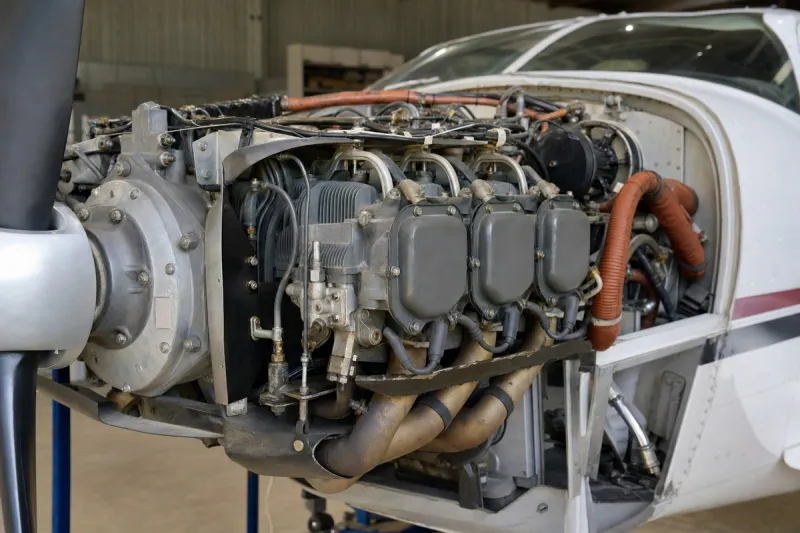
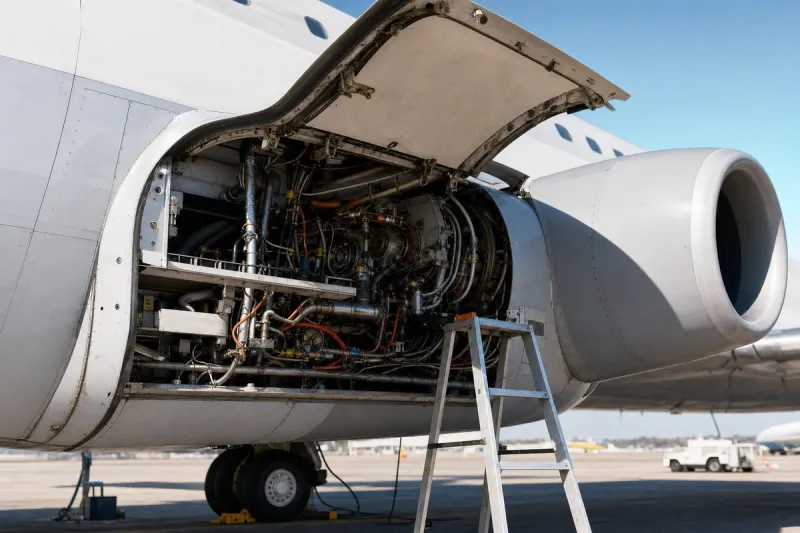
On design and certification, the Directorate General of Civil Aviation (DGCA) may issue type certificates for aircraft, engines and propellers where India is the State of Design, and may validate or accept foreign type certificates on set conditions. It may approve organisations that design, build and maintain aircraft, and accept foreign-approved maintenance organisations on specified terms. Draft airworthiness directives are generally posted on the DGCA website for 30 days for comment, with some exceptions.
On leasing and registration, the Niyam builds on the Protection of Interests in Aircraft Objects Act, 2025, which gave the Cape Town Convention the force of law in India, through the Irrevocable De-registration and Export Request Authorisation (IDERA). Eligible IDERA applications for cancelling registration must be processed within five working days. Several parties may jointly own an aircraft, provided responsibility for operation and maintenance is clearly identified. Indian aircraft carry the marks 'VT', a hyphen and three capital letters, may be registered under Category A or Category B, and the DGCA will keep a public register of Indian-registered aircraft.
For passengers, airlines and booking platforms must show the total amount payable with a breakdown of fares, taxes, fees and charges, and the same details must appear on the ticket. Airlines still set their own fares under normal conditions, and scheduled operators must submit tariffs to the DGCA for monitoring. In extraordinary circumstances the Central Government may issue proportionate, time-bound directions in the public interest. Alcohol is barred on domestic air transport services, and the pilot-in-command has final authority on board.
Safety provisions write flight and duty-time limits, minimum rest and fatigue management into the rules. Crew may not consume alcohol or specified intoxicants within 12 hours before a flight or while on duty. Aeroplanes with 10 to 50 seats need at least one cabin crew member, and no cabin crew member may serve on more than three aircraft types. Personnel licensing covers 23 categories of licences, ratings and certificates. Air traffic controllers face an age limit of 60 for specified privileges. Laser use within 10 nautical miles of an aerodrome needs written permission.
Penalties and connectivity funding
Offences can bring imprisonment of up to two years, a fine of up to ₹1 crore, or both. Penalties run on a graded scale of ten severity levels from ₹10,000 to ₹1 crore.
The Centre may set up a Regional Air Connectivity Fund for viability gap funding, partly financed by a levy on domestic scheduled flights, with State Governments able to contribute. As of July 2026, 679 UDAN routes were operational, connecting 95 airports, heliports and water aerodromes and serving over 1.68 crore passengers.
Market backdrop
India is the world's third-largest domestic aviation market. Operational airports rose from 74 in 2014 to 166 as of October 2026, and Indian carriers have about 1,640 aircraft on order.
Industry impact & what to watch
The clearest commercial signal sits in the leasing provisions. Cape Town-style repossession rights only matter to lessors if the paperwork moves quickly, and a five-working-day deadline for eligible IDERA deregistration requests turns a treaty commitment into a measurable service standard. The government expects this to lower acquisition and leasing costs over time, which is a stated expectation rather than an observed result. For a market with about 1,640 aircraft on order, how lessors and financiers price Indian exposure is the segment-level question this rulebook is meant to influence.
The certification and maintenance provisions point the same way. Provisions allowing validation of foreign type certificates and acceptance of foreign-approved maintenance organisations on specified terms are the sort of mutual-recognition mechanics that determine how easily imported aircraft, and the shops that service them, can operate in a jurisdiction. Fare-breakdown requirements, tariff monitoring and codified crew fatigue limits also shift part of what was handled through DGCA circulars into binding rule text, which changes how operators plan compliance.
The next dated milestone is January 1, 2027, when the Niyam takes effect and the 1937 rules fall away. The savings provisions, the DGCA procedures that implement the new text, and the Regional Air Connectivity Fund levy, which the Centre may set up but has not yet established, are the items that will show how much of the framework works as written.