Singapore to Buy Only Sustainable Aviation Fuel Cutting Lifecycle Emissions by at Least 40%
Why It MattersA national buyer setting its own emissions floor above the CORSIA minimum turns SAF eligibility into a procurement specification, pushing suppliers to be certified against a stricter bar than the international baseline.
What happened
Singapore will purchase only sustainable aviation fuel (SAF) that delivers at least a 40% reduction in lifecycle greenhouse gas emissions compared with conventional jet fuel. The requirement is among new criteria announced by the Civil Aviation Authority of Singapore (CAAS) on Nov. 5, The Straits Times reported. It forms part of efforts to ensure tangible environmental benefits from the country's aviation emissions reduction roadmap.
Daniel Ng, CAAS chief sustainability officer, described the 40% target as a "modest starting point" that demonstrates Singapore's commitment to ensuring the transition to green fuels delivers real benefits. The SAF Singapore buys must also qualify under the Carbon Offsetting and Reduction Scheme for International Aviation (CORSIA), the framework established by the International Civil Aviation Organization (ICAO) to address aviation carbon emissions.
CAAS said the 40% threshold was benchmarked against standards in other jurisdictions and set above CORSIA's minimum requirement of 10%. The criteria have been shared with 15 potential SAF suppliers and producers ahead of the first tender.
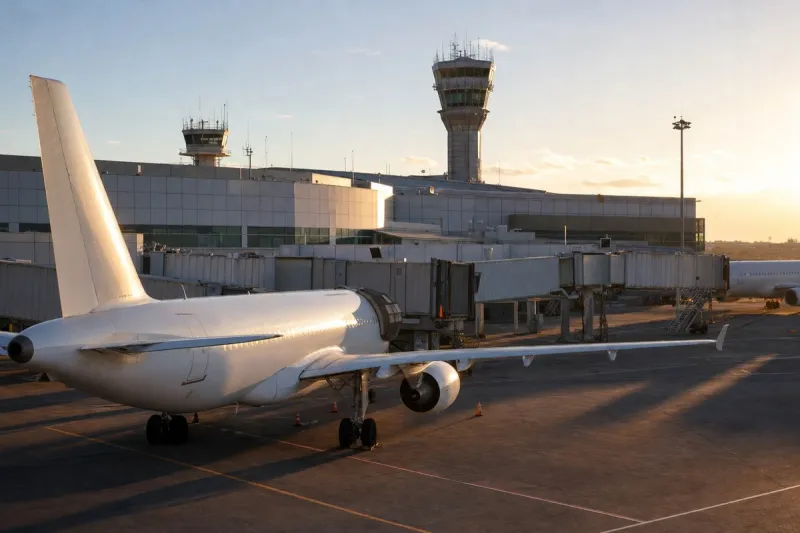
Singapore Sustainable Aviation Fuel Company (SAFCo), wholly owned by CAAS, is scheduled to launch the first tender by mid-December, with deliveries of blended fuel expected to begin in June 2027. The company was set up to procure and manage SAF supplies for Singapore's aviation hub. Singapore aims for SAF to account for 1% of total jet fuel consumption at Changi and Seletar airports in 2027, rising to 3-5% by 2030.
Industry impact & what to watch
Most SAF mandates and purchasing commitments define eligibility through a certification scheme, which sets a floor that any qualifying fuel clears. Singapore is layering a second test on top: CORSIA qualification plus a lifecycle reduction of at least 40%, four times the 10% CORSIA minimum cited by CAAS. Because the buyer is a single state-owned entity procuring for an entire hub, that specification works as a market signal. Producers wanting access to Changi and Seletar supply have to document lifecycle performance to a standard stricter than the international baseline.
The volumes involved are small at the start, 1% of jet fuel consumption in 2027 and 3-5% by 2030, so early tenders function as a test of whether suppliers can meet both the carbon threshold and the delivery schedule. A centralised buyer also changes who carries the sourcing risk: airlines and fuel suppliers at the airports are not individually negotiating SAF contracts, which concentrates the qualification question in one tender process.
The next dated markers are the SAFCo tender launch by mid-December and the first blended deliveries expected in June 2027. How the 15 potential suppliers respond to the 40% criterion in that tender will show how demanding the threshold is in practice.