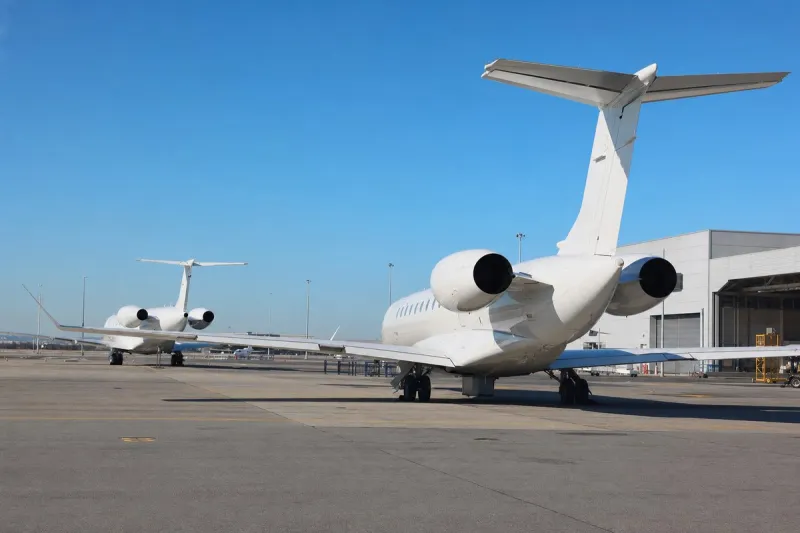
Hutchinson Council Delays Hangar Lease Increases at Kansas Airport After Tenants Cite Facility Problems
Why It MattersMunicipal airports that raise hangar rents to meet federal grant fairness obligations are discovering that tenants will tie those increases to the condition of the buildings they are being charged for.
What happened
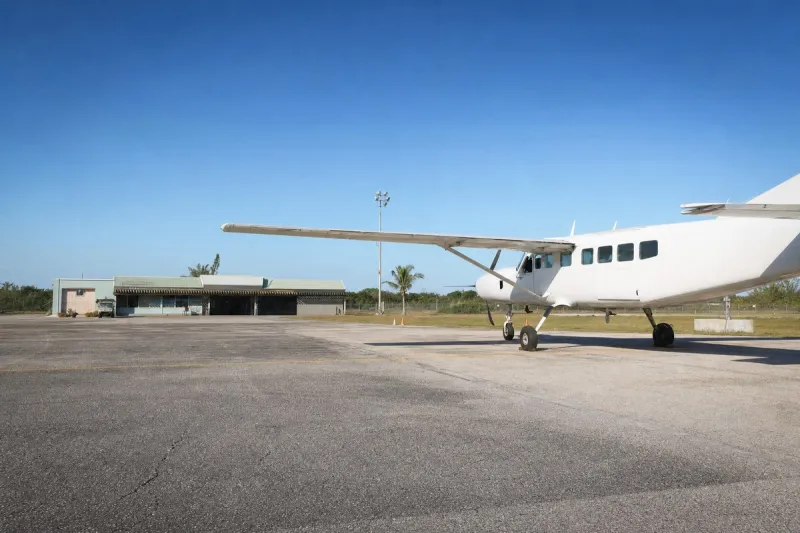
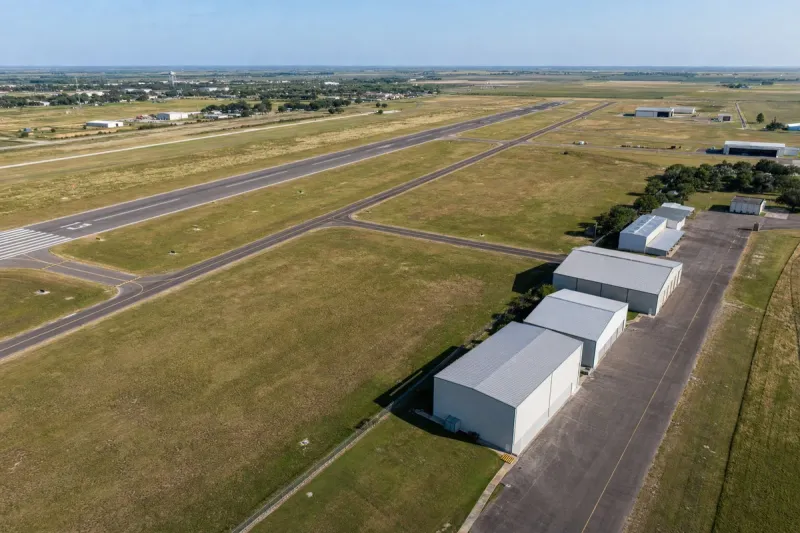
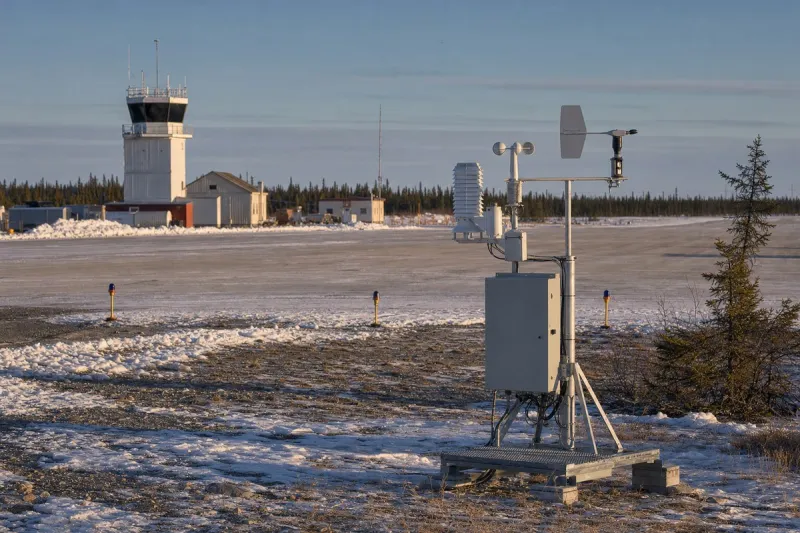
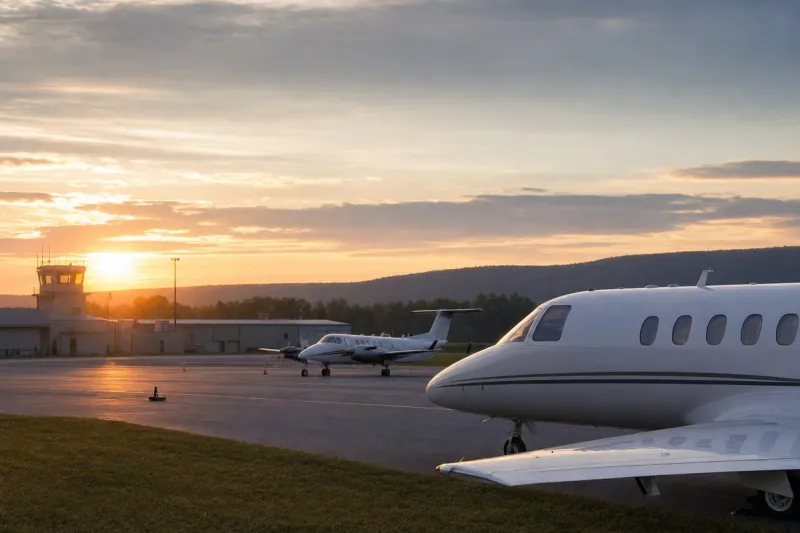
The Hutchinson City Council in Kansas has delayed moving forward on proposed commercial hangar lease increases at Hutchinson Regional Airport after tenants raised concerns about deteriorating facilities. At a Tuesday meeting, council members discussed complaints involving leaking roofs, damaged hangar doors, inadequate heating and drainage problems. City officials said they want additional input from tenants before setting new lease rates.
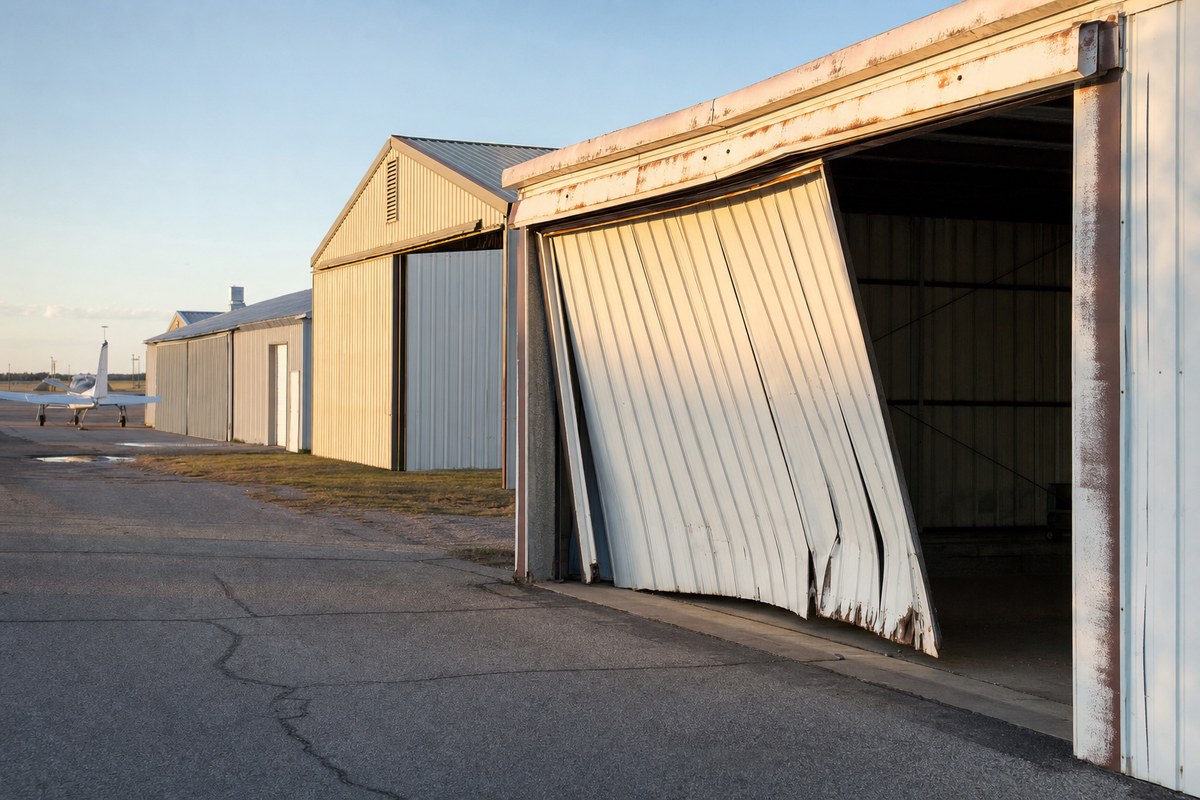
The airport's advisory committee recommended raising the base rate for commercial hangar space to $2.40 per square foot annually. Existing leases run from about $1 to $2.15, so depending on the agreement, the proposed rate would mean increases of roughly 12% to 140%. The package also includes a $12-per-square-foot annual office rate and a 60% increase in the fuel flowage fee, from 5 cents to 8 cents per gallon.
Airport Director Alek Stang said the proposed rates would serve as starting points for negotiations, with adjustments possible based on building conditions, maintenance responsibilities and tenant-funded improvements. Councilmember Stacy Goss said, "If the city's going to be the landlord, we should be a good landlord at the very least." She shared correspondence from tenants describing maintenance concerns and questioned whether the proposed rates accounted for the condition of city-owned buildings. Councilmember Darrin Truan supported consistent rates for new tenants.
Airport officials said federal grant requirements obligate the city to establish fair and reasonable rates without unjust discrimination among tenants. The airport reported about $231,545 in operating revenue in 2025 against an operating budget of about $475,682.
Council members supported holding a joint study session with tenants, the Airport Advisory Committee and airport staff. Mayor Scott Meggers suggested holding it at the airport so council members could inspect the facilities firsthand. The session could take place in late November or early December, though no date has been finalized.
Industry impact & what to watch
Airports that accept federal grants take on an obligation to charge fair and reasonable rates, and that obligation is the lever that pushes municipal owners toward raising hangar rents. Hutchinson shows the other side of that arrangement: when a city asks tenants to pay market-style rates, the tenants answer with the condition of the buildings, and the discussion turns to what the landlord owes in return. A rate schedule that ignores building condition invites exactly this kind of pushback.
Hutchinson is not an isolated case. Colorado's Centennial Airport drew a lawsuit from pilots over an 82% rent increase, which was later withdrawn. The two airports are very different in scale, but the dispute follows the same structure: a large percentage jump on a low legacy rent, and tenants who contest it.
The proposed range makes the negotiating room visible. A spread of roughly 12% to 140% depends on each tenant's current lease, and Stang's description of the rates as starting points means building condition, maintenance responsibility and tenant-funded improvements will carry much of the final number. The joint study session in late November or early December is the next milestone, and the council's visit to the facilities, if held at the airport as the mayor suggested, will show whether the repair complaints reshape the rate proposal.