Nigerian Senate President Akpabio Says Politicians Struggle to Find Private Jets to Hire Ahead of 2027 Elections
Why It MattersCampaign-season charter demand colliding with limited domestic capacity shows how thin Nigeria's available fleet is, and ties the market's ceiling to carrier health and bilateral air-rights policy.
What happened
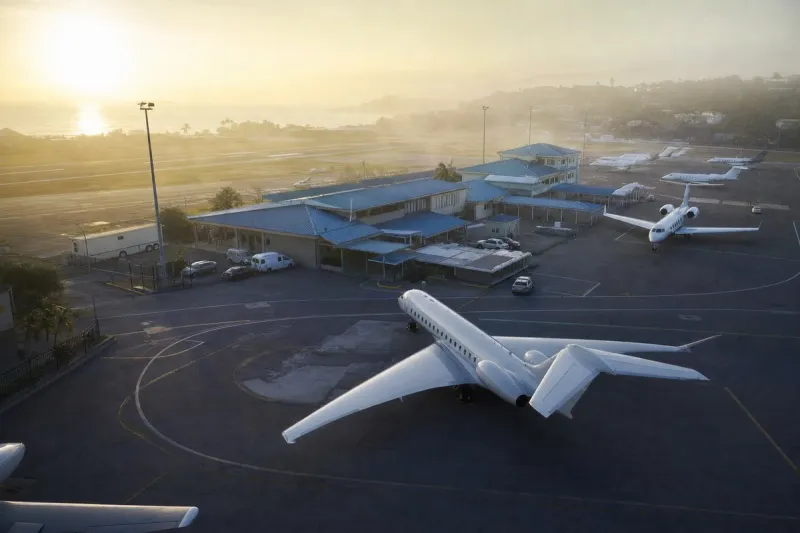
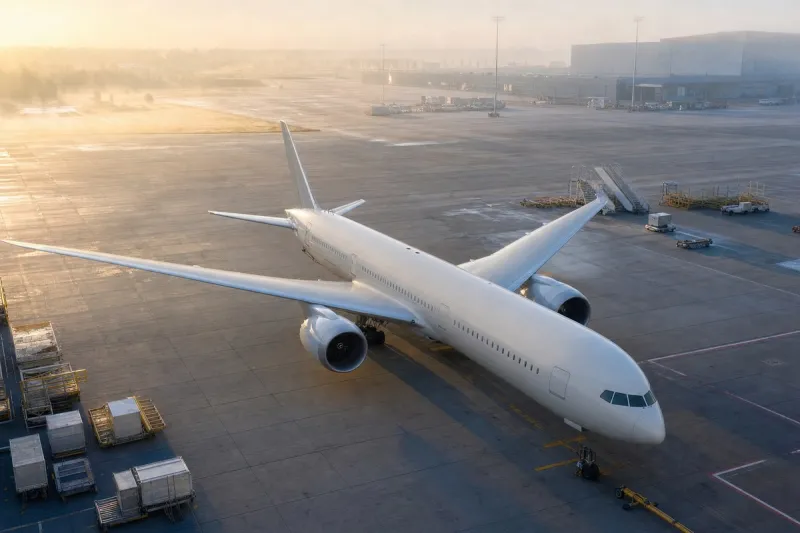
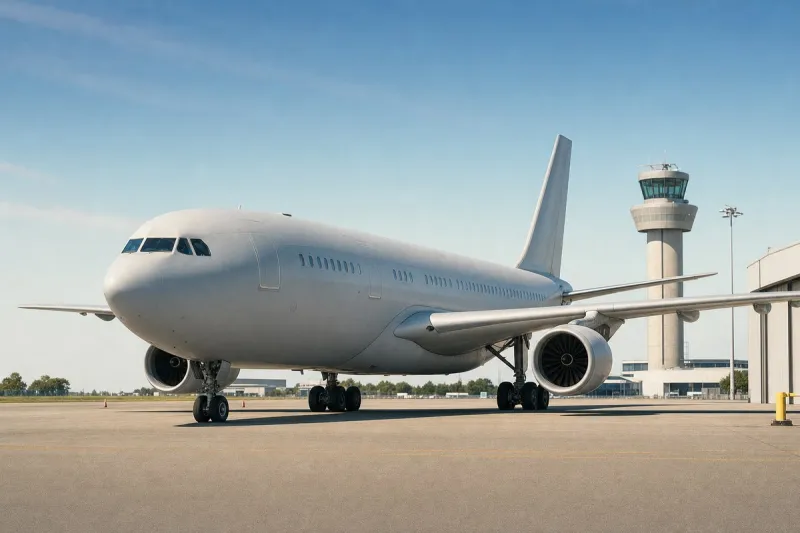
Senate President Godswill Akpabio said politicians preparing for Nigeria's 2027 general elections are struggling to secure private jets for campaign travel. He blamed the shortage on the inability of domestic airline operators to keep pace with growing demand for air travel.

Akpabio spoke during a Senate plenary session on Tuesday, as lawmakers debated a motion urging the Bola Tinubu administration to renegotiate the Bilateral Air Services Agreement (BASA) between Nigeria and China. The motion was sponsored by Senator Tahir Monguno of the All Progressives Congress, who represents Borno North, and sought to allow Nigerian airlines to operate direct flights to China.
Citing December's festive season as an example of how stretched the country's aviation capacity becomes under heavy demand, Akpabio urged the federal government to take urgent steps to address the problems facing domestic airline operators.
He also recalled the era of Nigerian Airways, the former national carrier, which he said operated a fleet of between 32 and 40 aircraft flying to multiple international destinations, including carrying pilgrims to Saudi Arabia for the Hajj. He expressed concern over how sharply the aviation industry has declined since then and said Nigeria needs a functional national carrier able to fly the country's flag globally.
Industry impact & what to watch
Charter of private jets by politicians and senior officials has long been a feature of Nigerian political life, with candidates and parties hiring aircraft during election cycles to move between states for rallies, party meetings and campaign events. A complaint from the Senate's presiding officer that aircraft are hard to find signals that this demand pulls on the same limited pool of airframes that serves other travellers at peak periods.
In a charter market, supply is set by how many suitable aircraft are on the local register and available. When domestic operators are constrained, a demand spike does not create new capacity; it competes for the existing fleet. That tends to favour operators with aircraft already in position and puts pressure on availability and pricing for everyone else, including non-political customers.
The BASA motion points to the policy lever that sits behind much of this: air-rights agreements determine where Nigerian carriers may fly, and therefore how large and how international the domestic industry can become. The motion is still before the Senate; what the chamber does with it, and whether the administration acts on the renegotiation call, is the next concrete signal.