Lufthansa Technik Lifts Nine-Month Revenue 14% to €6.8 Billion, Adjusted EBIT Up 17% to €515 Million
Why It MattersThe mix of engine maintenance and component services carrying growth while flight-hour volumes stay soft shows how MRO earnings can rise even when airline activity is subdued, with external business share widening.
What happened
Lufthansa Technik reported improved results for the first nine months of the year and said it remains on track for the full year, despite material shortages, supply chain delays and geopolitical uncertainties.
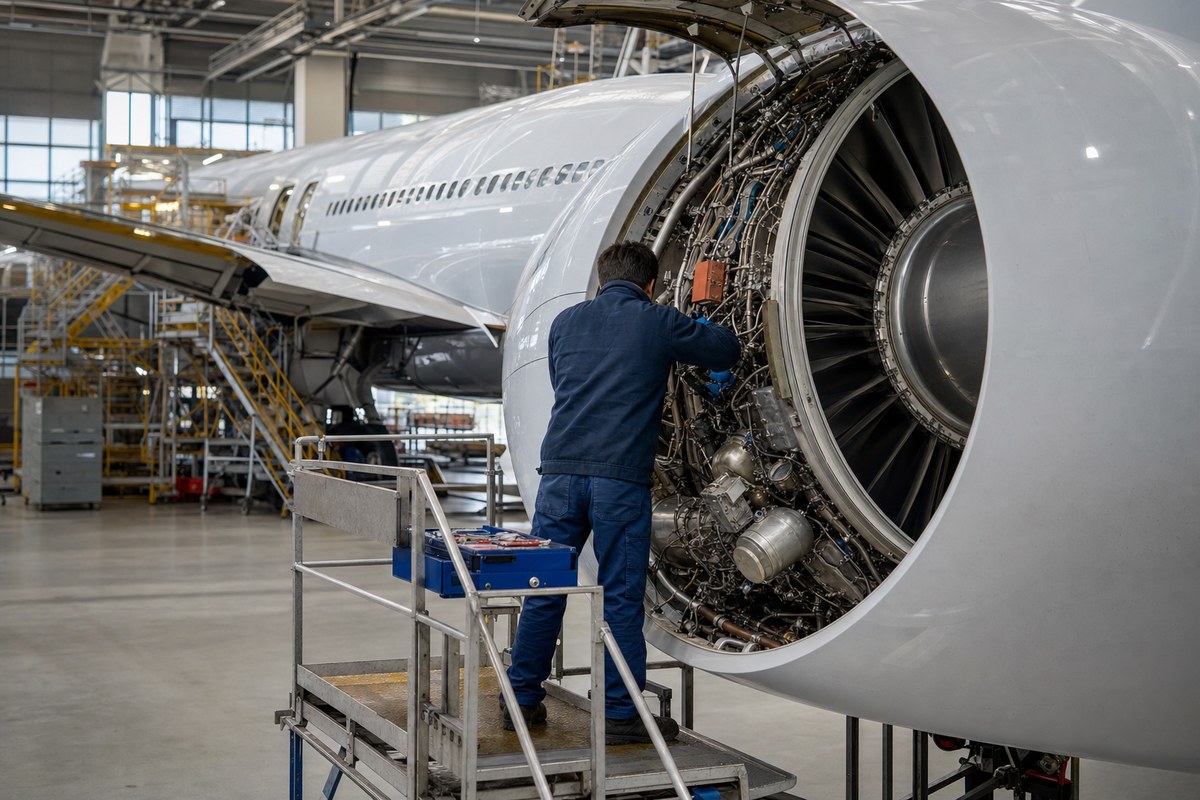
Revenue rose 14 percent year-on-year to 6.8 billion euros, while Adjusted EBIT increased 17 percent to 515 million euros. The Adjusted EBIT margin improved to 7.6 percent from 7.4 percent a year earlier. External customer business accounted for 79 percent of total revenue, up from 74 percent in the previous year. Investments rose 15 percent to 167 million euros, compared with 145 million euros a year earlier, reflecting execution of the company's Ambition 2030 growth and performance strategy.
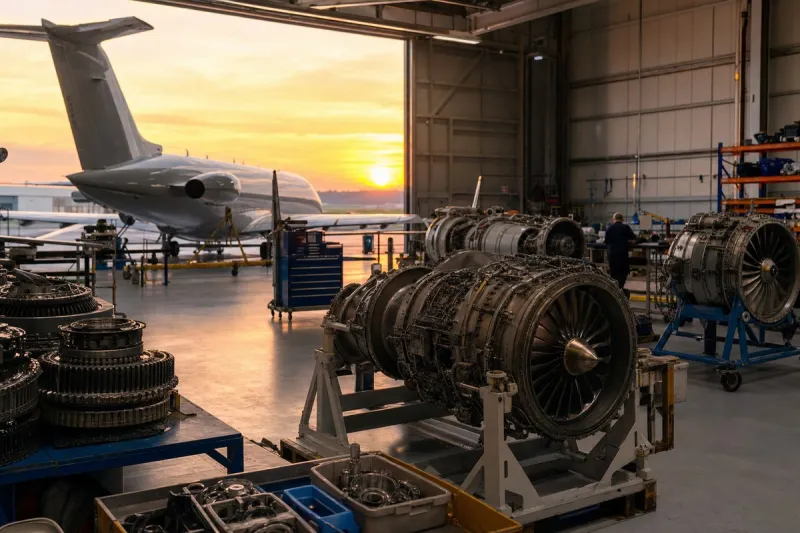
Flight hours fell noticeably in the second quarter because of the Middle East crisis and recovered somewhat in the third quarter due to seasonal effects, though volumes stayed slightly below the level of the third quarter of 2025. Growth was driven mainly by engine maintenance and non-flight-hour-based component services.
Chief Financial Officer Dr. Christian Leifeld said the company delivered a strong result after nine months and that profitable growth remains the priority guiding investment decisions. He noted that geopolitical uncertainties and the currently subdued outlook among airline customers remain factors influencing the business, which the company is addressing through disciplined cost management, operational excellence and prioritization of resources.
Flair Airlines engine agreement
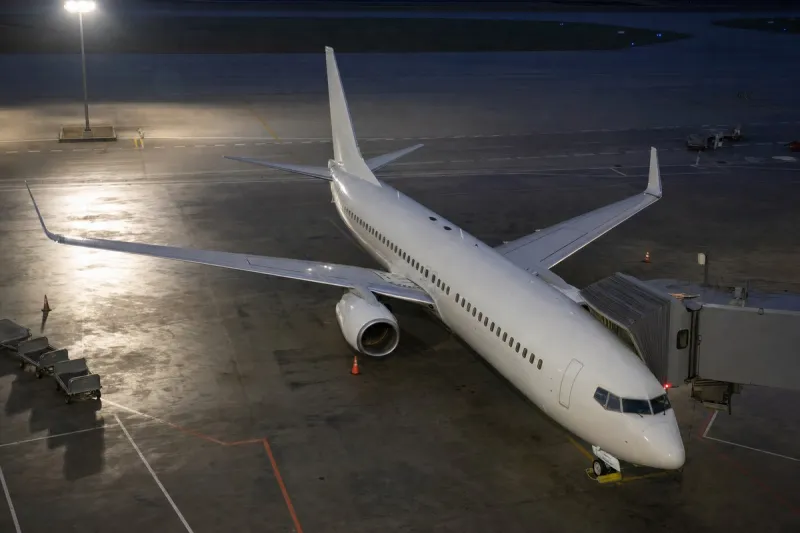
Among the strategic milestones in the period, Lufthansa Technik signed a new 15-year exclusive agreement with Canada's Flair Airlines covering engine and digital services for the carrier's LEAP-1B-powered Boeing 737 MAX 8 fleet.
The agreement supports the continued ramp-up of Lufthansa Technik Canada's maintenance operations.
Industry impact & what to watch
The quarterly pattern is instructive for how MRO providers earn their money. Flight hours dipped in the second quarter and only partly recovered in the third, yet revenue and Adjusted EBIT still grew, because engine maintenance and non-flight-hour-based component services carried the expansion. Work tied to engine shop visits and component pools does not move one-for-one with airline flying, which is why a provider with a heavy engine and component mix can post gains while airline customers are cautious.
The rise in external customer revenue from 74 to 79 percent points to a business leaning further on third-party contracts. Long exclusive engine-and-digital agreements such as the 15-year Flair deal are the kind of arrangement that locks in that external demand and gives a regional maintenance base like the Canadian operation a defined workload to ramp against.
The margin moved only from 7.4 to 7.6 percent while revenue grew 14 percent, so volume growth is not translating into large margin expansion. The company itself points to material shortages, supply chain delays and a subdued airline outlook as the factors that will decide whether the full-year position holds, and the full-year result is the next milestone that will show how those pressures played out.