Delta Is the Only US Airline Operating Both the Airbus A350 and A330neo, as Rivals Dropped Airbus Widebody Plans
Why It MattersUS widebody fleets have split along manufacturer lines, with one network carrier committed to Airbus long-haul types and its rivals consolidated on Boeing, shaping how each sources and maintains its aircraft.
What happened
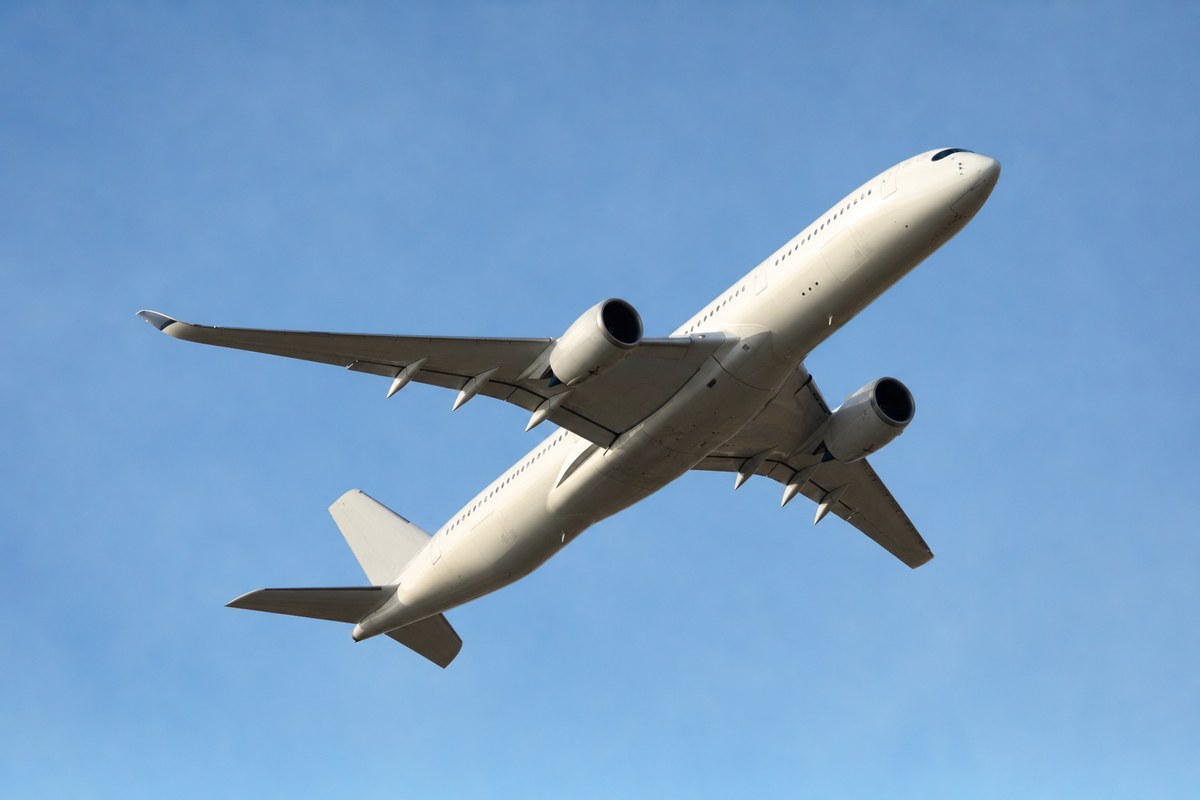
Delta Air Lines is the only US carrier operating both the Airbus A350 and the A330neo. Neither American Airlines nor United Airlines flies either type. Delta introduced the A350-900 in 2017, becoming the first North American operator of the aircraft, and became the North American launch operator of the A330-900neo in 2019 after announcing its commitment in 2014.
The competitors' Airbus plans unraveled in different ways. American inherited an order for 22 A350s through its 2013 merger with US Airways. In April 2018 it terminated the remaining order and instead ordered 47 additional Boeing 787s, made up of 22 787-8s and 25 787-9s, to replace older Boeing 767s, Airbus A330-300s and Boeing 777-200s as part of a fleet-simplification effort. Hawaiian Airlines originally ordered six A350-800s, replaced them in 2014 with six A330-800neos plus purchase rights for six more, and in February 2018 terminated the Airbus agreement in favor of 10 Boeing 787-9s.
Delta's Airbus widebody roots go back to its merger with Northwest Airlines, completed on October 29, 2008, which brought Northwest's existing Airbus A330 aircraft into the fleet. Northwest had introduced the A330-200 in 2004, and Delta later added new A330-300 deliveries beginning in 2015. Delta's published fleet information shows 41 A350-900s in operation with another 18 on order. Planespotters data lists the fleet as 11 A330-200s, 31 A330-300s, 39 A330-900neos and 42 A350-900s, plus 20 A350-1000s on order.
In January 2024 Delta ordered 20 A350-1000s, choosing the larger aircraft over Boeing's delayed 777X. The type is powered by Rolls-Royce Trent XWB-97 engines and is expected to burn more than 20% less fuel per available seat mile than the aircraft it replaces, according to Delta. First deliveries are scheduled for early 2027, which would make Delta the first North American airline to operate the variant. It will feature next-generation Delta One Suites and about 15% more premium seats than the aircraft it replaces.
Industry impact & what to watch
Widebody fleet choices at US network carriers are long-cycle commitments, and the 2018 decisions by American and Hawaiian show how fleet simplification can outweigh the appeal of a second manufacturer. Both consolidated onto the Boeing 787 family, while Delta kept building a mixed Airbus widebody fleet on top of the Northwest legacy. The result is a split in which one US network carrier carries the cost and complexity of several Airbus widebody types and its rivals carry one Boeing family.
For the supply side, this concentrates US demand for new Airbus long-haul aircraft in a single customer. That affects delivery-slot leverage, spare-parts and engine-support pooling, and the resale and lease outlook for A330 and A350 airframes in North America, where there is no second domestic operator of the newer types.
The next milestone is the first A350-1000 delivery, scheduled for early 2027. It will show whether Delta's fuel-burn expectation of more than 20% less per available seat mile and its premium-seat gain of about 15% hold up in service on the new cabin.