BETA Technologies Posts Record Q3 Revenue of $17.7 Million, Wins FAA Market Survey Authorization for A250
Why It MattersAn FAA market-survey authorization lets electric VTOL makers put customers aboard before type certification, shifting the segment's proof of commercial readiness from order backlogs toward flown demonstrations.
What happened
BETA Technologies, Inc. (NYSE: BETA) reported results for the third quarter ended September 30, 2026, with record quarterly revenue of $17.7 million, up 98% from $8.9 million a year earlier and above the company's guidance range. Product revenues were $5.2 million and service revenues were $12.5 million.
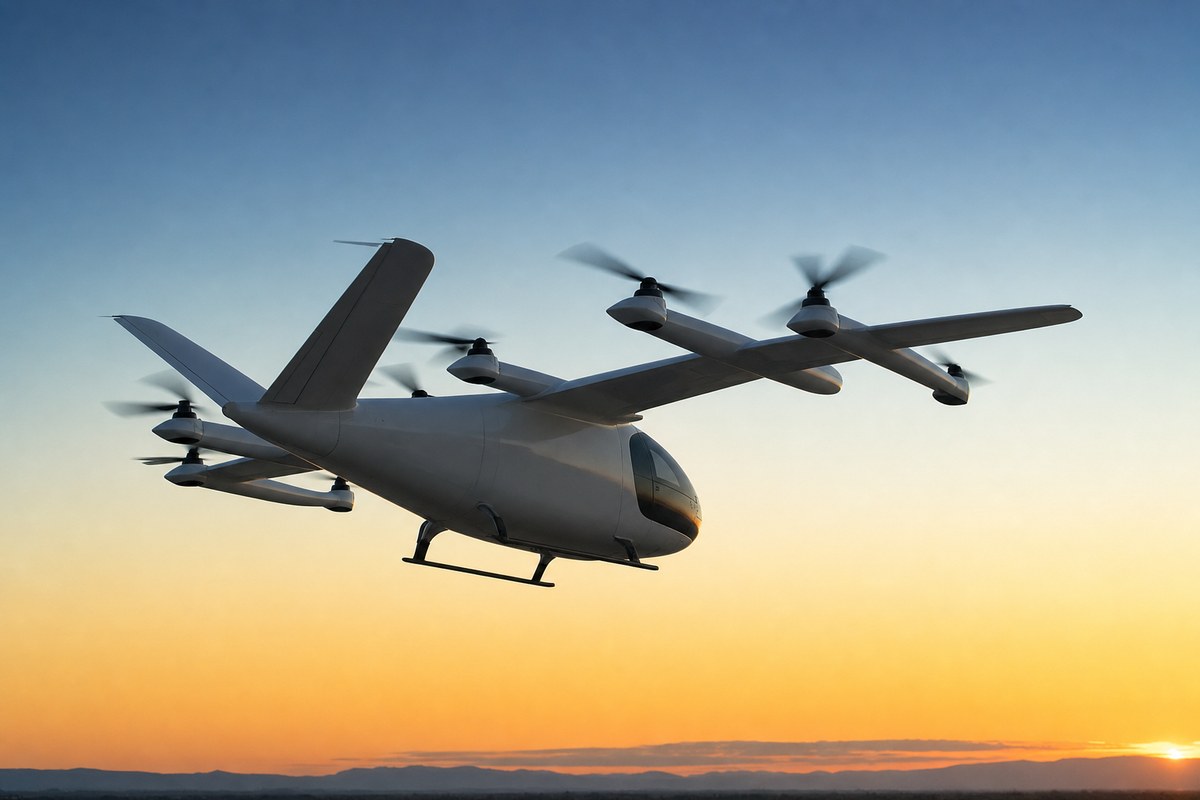
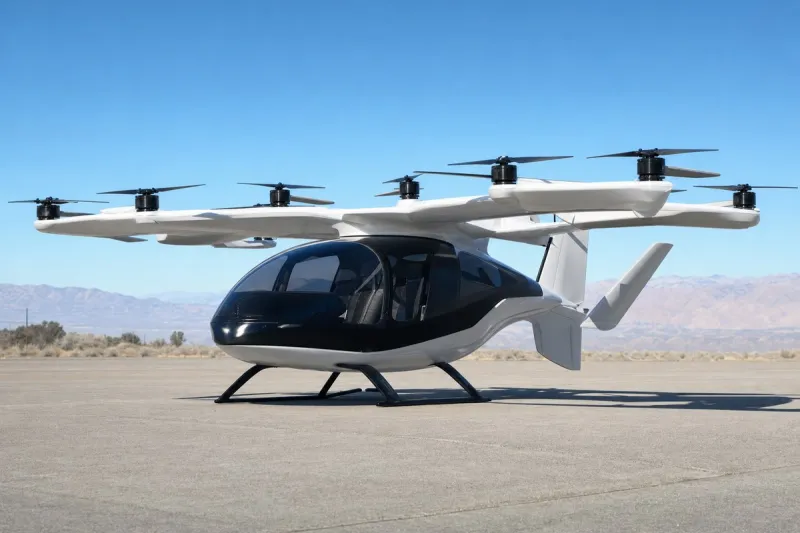
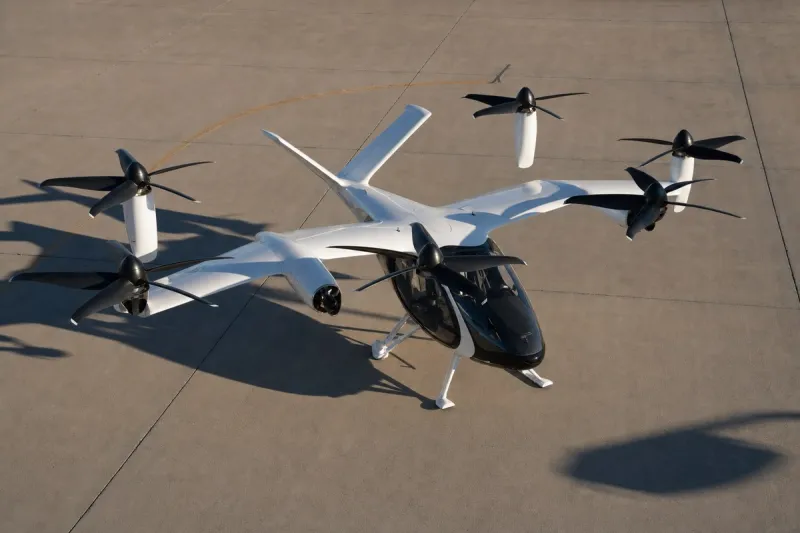
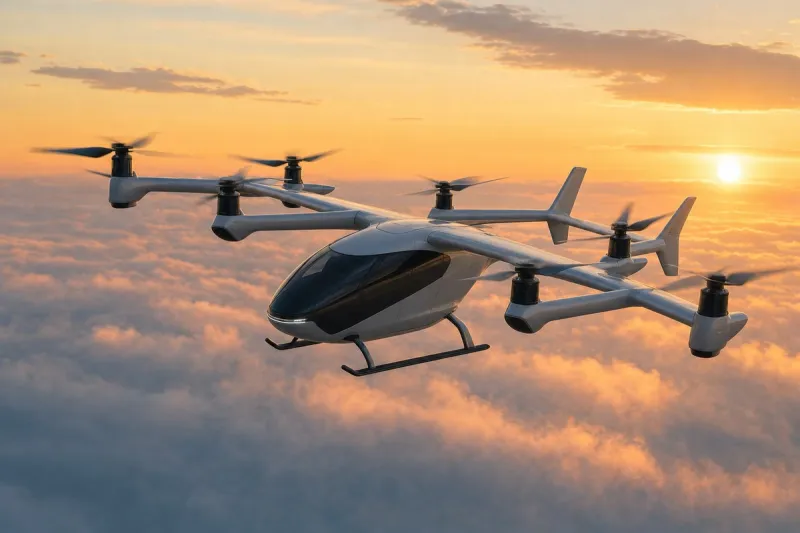
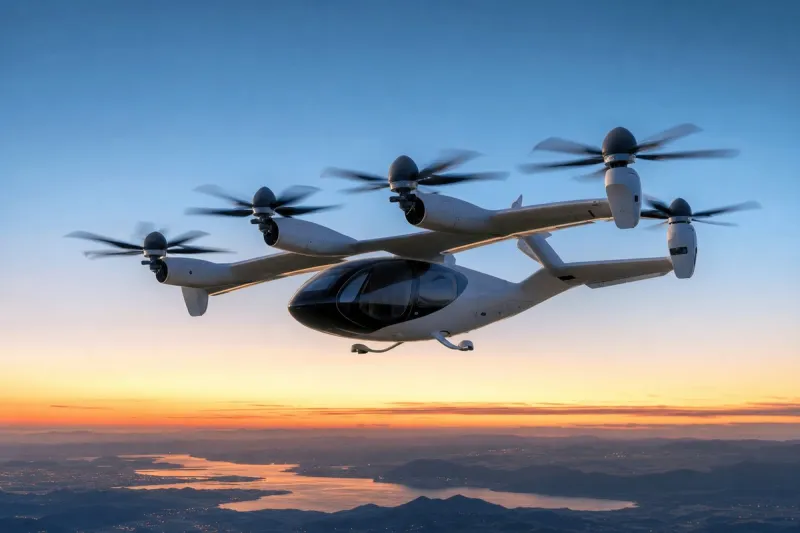
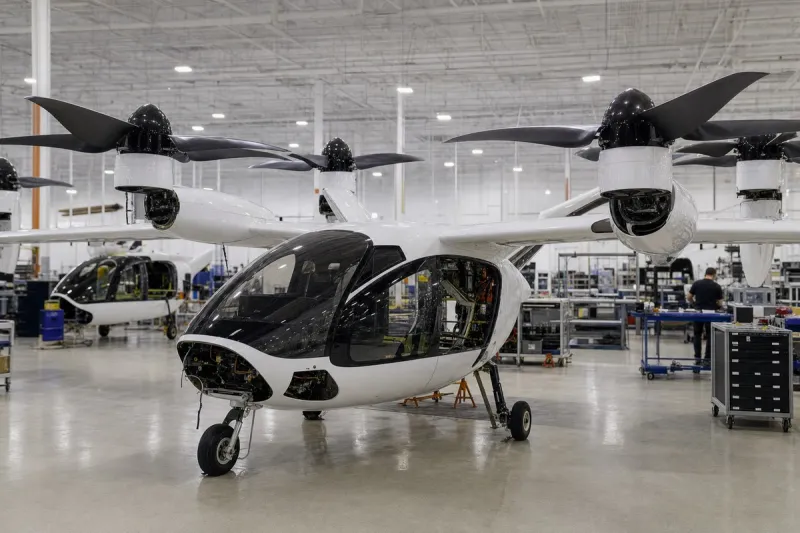
The company's A250 became the first electric vertical takeoff and landing (VTOL) aircraft to receive a Federal Aviation Administration Special Airworthiness Certificate for market surveys. The certificate allows demonstration flights with customers on board ahead of type certification, and it builds on A250 flight testing and BETA's existing CX300 market survey authorization.
BETA's aircraft fleet has flown more than 250,000 nautical miles, ahead of the company's year-end target, and its charging network has grown to 168 sites. Commercial aircraft backlog stands at just over $4.0 billion, above the year-end target, covering 1,040 aircraft in firm and option orders supported by financial commitments. Missions flown included transporting medical supplies in North Carolina, delivering emergency response equipment in Texas and moving time-sensitive cancer medicines in Utah.
Operating expenses were $140.5 million, of which research and development accounted for $90.5 million, including $5.8 million of non-cash warrant expense tied to the collaborative arrangement with GE Aerospace. Loss from operations was $127.8 million. Net loss was $119.1 million, against $437.2 million a year earlier, while Adjusted EBITDA was a loss of $97.4 million, versus a loss of $67.6 million. Capital expenditures were $28.8 million, up from $13.0 million.
Cash and cash equivalents totaled $1,343.1 million, compared with $687.6 million a year earlier. BETA raised its full-year 2026 revenue guidance to $52 million to $57 million and maintained its full-year 2026 Adjusted EBITDA guidance of a loss of $400 million to $445 million. A live webcast and conference call was held at 8:30 a.m. ET on the day of the announcement.
Industry impact & what to watch
The market-survey certificate matters less as a regulatory milestone than as a change in what an electric aircraft developer can show a buyer. Until now, advanced air mobility orders have been backed largely by paper: specifications, test-flight footage and delivery slots. Permission to fly customers in the aircraft before type certification moves the sales conversation toward direct experience of ride, noise and handling, and it gives early order holders something concrete to weigh their commitments against.
The financial picture shows how that proof is currently being funded. Revenue of $17.7 million sits against a $97.4 million Adjusted EBITDA loss for the quarter and full-year loss guidance of $400 million to $445 million, with a $1,343.1 million cash balance carrying the gap. Service revenue of $12.5 million, more than twice product revenue of $5.2 million, indicates the near-term income comes from work around the aircraft rather than from aircraft sales. For the segment, that is the normal shape of a pre-certification manufacturer: the order book grows well ahead of the income statement.
The next dated markers are already set by the company: the year-end targets that fleet distance and backlog have now passed, and the guidance ranges for full-year 2026. Type certification of the A250 remains the step the market survey authorization sits ahead of, and it is the point at which the 1,040 firm and option orders begin converting from commitments into deliveries.