Doroni Says H1-X Flying Car Has 600+ Pre-Orders, but Filings Show Equity Crowdfunding, Not Deposits, Funds the Work
Why It MattersPersonal eVTOL programmes of this kind are bankrolled by investor equity long before customers pay in, so a headline order count says little about demand until deposit and refund terms are visible.
What happened
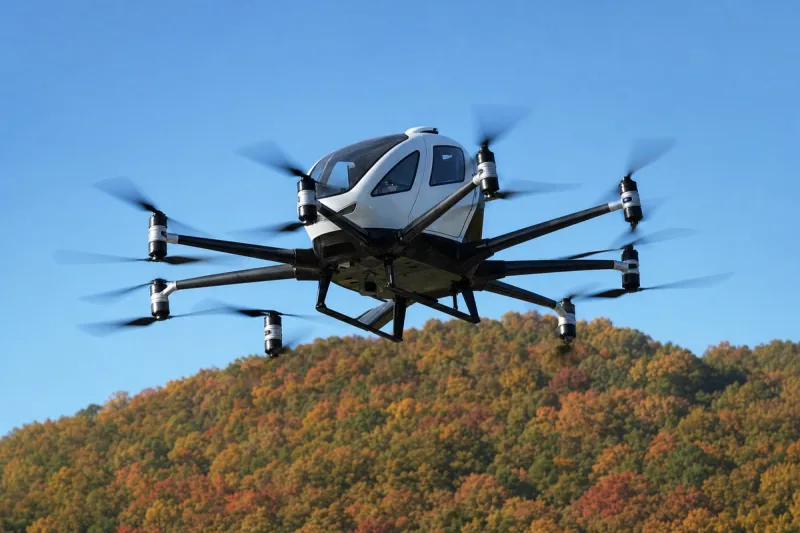
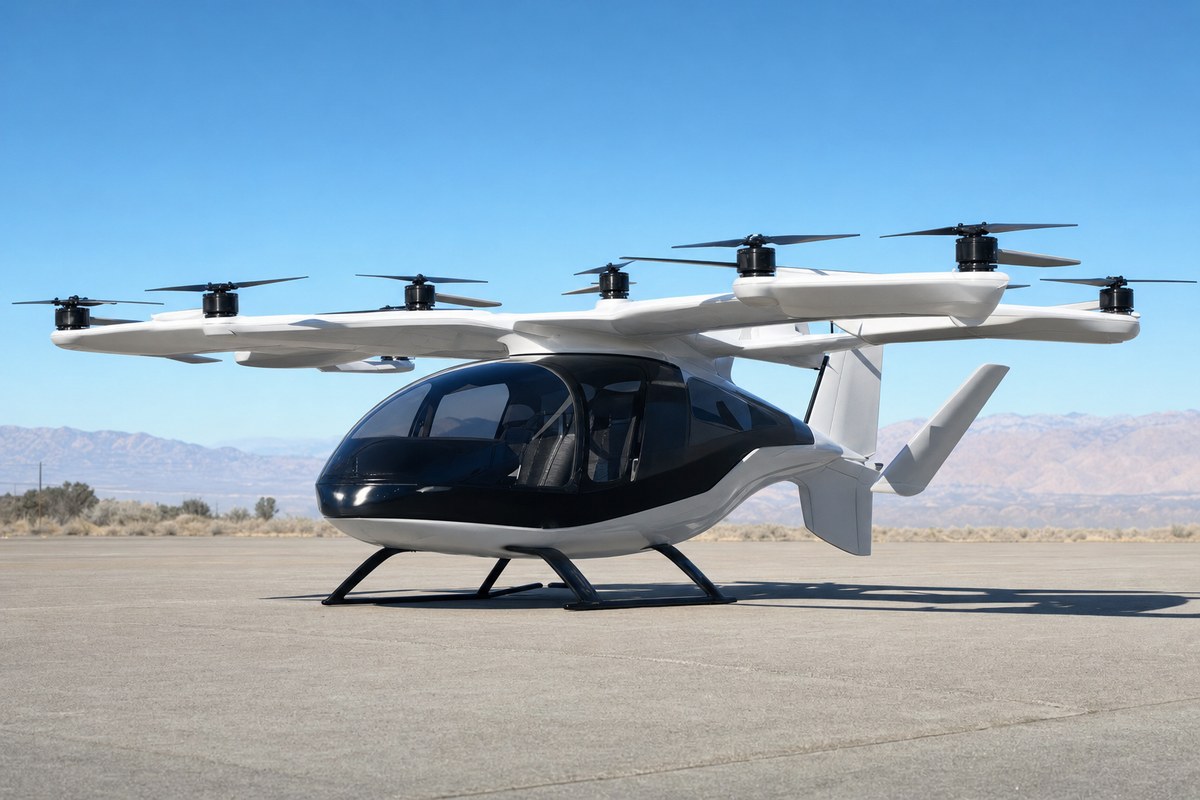
Doroni Aerospace says on its website that more than 600 people have placed pre-orders for the H1-X, a two-seat personal eVTOL (electric vertical takeoff and landing aircraft), and that it has raised more than $60 million. Both figures are the company's own; the filings do not give a pre-order count. The aircraft has not yet flown in its final form.
The company's filing for the six months to 30 June 2026 (Form 1-SA) shows $329,895 in customer deposits. In the same period it raised a net $21.65 million from preferred shares through equity crowdfunding, a Regulation A public offering and a private placement. Cash on hand was $13.42 million at 30 June 2026. The filing does not say how many pre-orders carry a deposit, and it describes deposits as refundable on request.
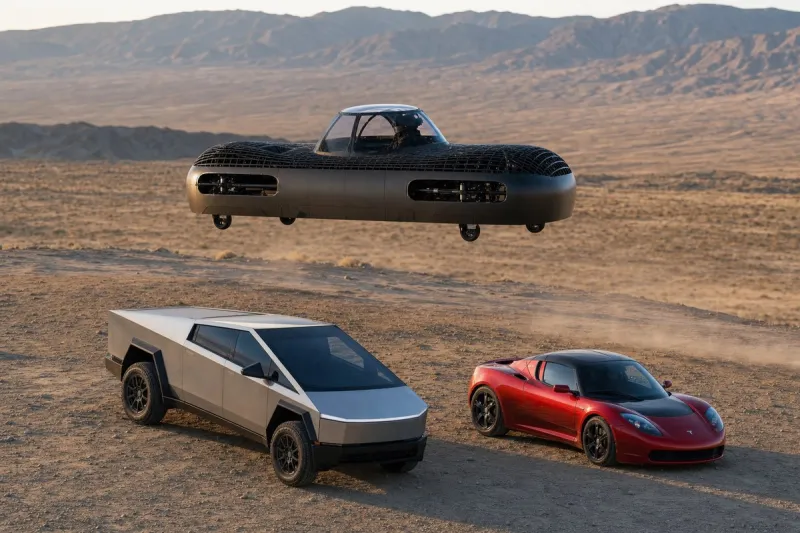
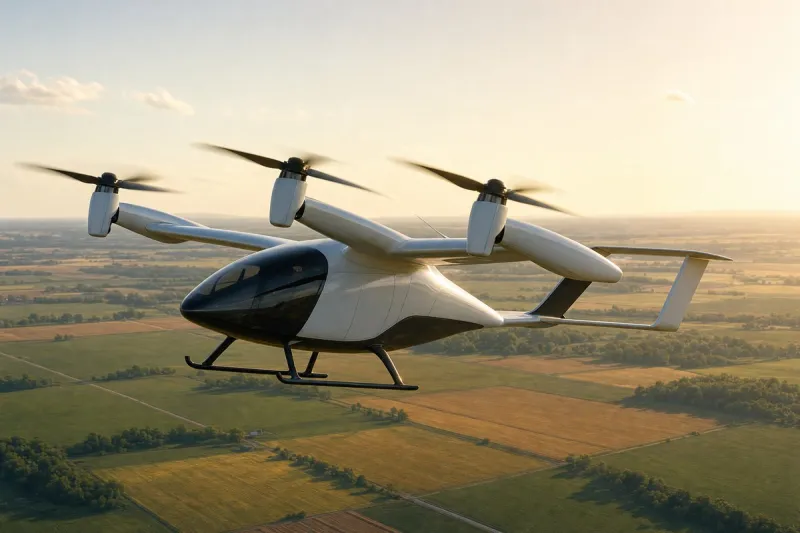
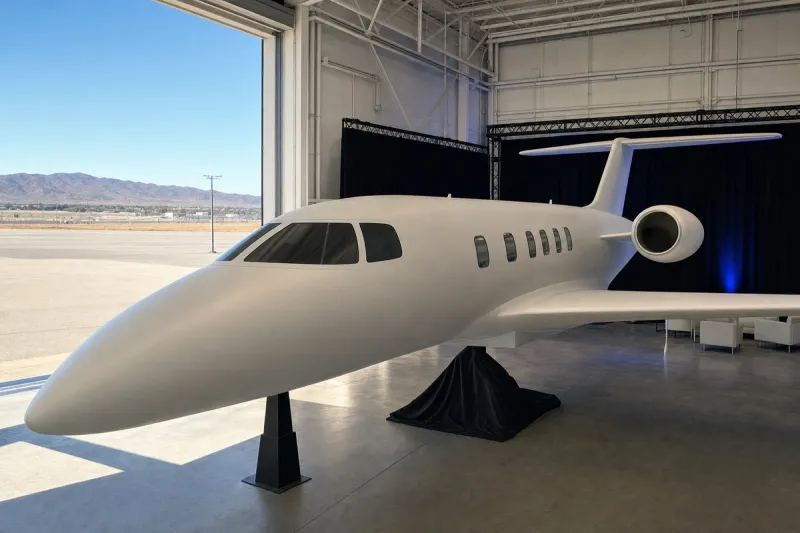
Doroni was formed as a Florida company in May 2018 and converted to a Delaware corporation in 2021, according to its SEC filing. Founder and CEO Doron Merdinger, listed as 57 and a director since November 2016, piloted an early H1 prototype on 3 July 2023, which the company called the first US flight test of a two-seat personal eVTOL; that claim is not independently verified. The H1-X was unveiled as a showroom model at Dania Beach, Florida, on 26 March 2026. By the company's specification it has eight vertical and two horizontal ducted fans, a top speed of 120 mph and a range of 100 miles.
Funding and going-concern position
In February 2025 Doroni announced a $30 million strategic investment from Innovation Wings Industries (operating as Kingdom Aero Industries in Saudi Arabia), reported as $5 million up front and $25 million tied to milestones for a 40 percent stake. The annual report says a strategic transaction the company had announced failed to close because of a default by the strategic investor. A planned Saudi manufacturing joint venture from 2027 remains unconfirmed.
The auditor of the 2025 accounts, RNB Capital, expressed substantial doubt about the company's ability to continue as a going concern. At 31 December 2025 Doroni had $311,256 in cash and had never earned revenue. Its Regulation A offering is expected to run into the first quarter of 2027, and its homepage claims more than 20,500 investors.
Certification route and timeline
Doroni is targeting light-sport certification under the FAA's MOSAIC rule, finalised in July 2025, rather than the type certification Joby and Archer are pursuing for air taxis. The company says this route is intended to be more streamlined and less costly, but timing and outcome remain uncertain.
It aims to submit the H1-X to the FAA in late 2027, subject to financing, with production in 2028. On 29 September 2026 Doroni announced a partnership with Seattle engineering firm TLG Aerospace for loads analysis, structural and fluid modelling and flight mechanics, and test plans aligned with FAA requirements.
Industry impact & what to watch
Personal eVTOL start-ups sit at an awkward point in aviation finance: no revenue, no certified aircraft, and a customer base that is largely hypothetical until deliveries begin. In that setting a pre-order count is a marketing figure, not a backlog, and the filings show the work is being paid for by equity investors rather than by buyers. Deposits of $329,895 next to a $21.65 million raise are a rough comparison, since one is a balance at 30 June and the other covers six months, but the gap in scale is still plain.
The MOSAIC route is the other structural point. Light-sport certification is a different and, by the company's account, lighter path than the type certification pursued by air-taxi developers, which changes both the cost of getting to market and the kind of buyer the aircraft can serve. Whether the FAA treats a ducted-fan, vertical-lift two-seater as fitting that category is a regulatory question the company itself says is uncertain.
The next dated milestones are the close of the Regulation A offering, expected into the first quarter of 2027, and the planned FAA submission in late 2027, which the company ties to financing. A confirmed Saudi manufacturing venture, or a breakdown of how many pre-orders carry a deposit, would be the disclosures that move the picture from claim to evidence.