FAA MOSAIC Rules Widen Sport Pilot Privileges and Redefine Light-Sport Aircraft
Why It MattersDropping the weight cap and design restrictions moves light-sport aircraft away from a narrow category toward mainstream certificated designs, widening which aircraft and propulsion types can serve entry-level private flying.
What happened
The US Federal Aviation Administration (FAA) has expanded the privileges of sport pilot certificate holders through its Modernization of Special Airworthiness Certification (MOSAIC) rules, announced in July last year. The framework took effect in two stages. The first, on October 22 last year, mainly affected existing sport pilots and repairmen.
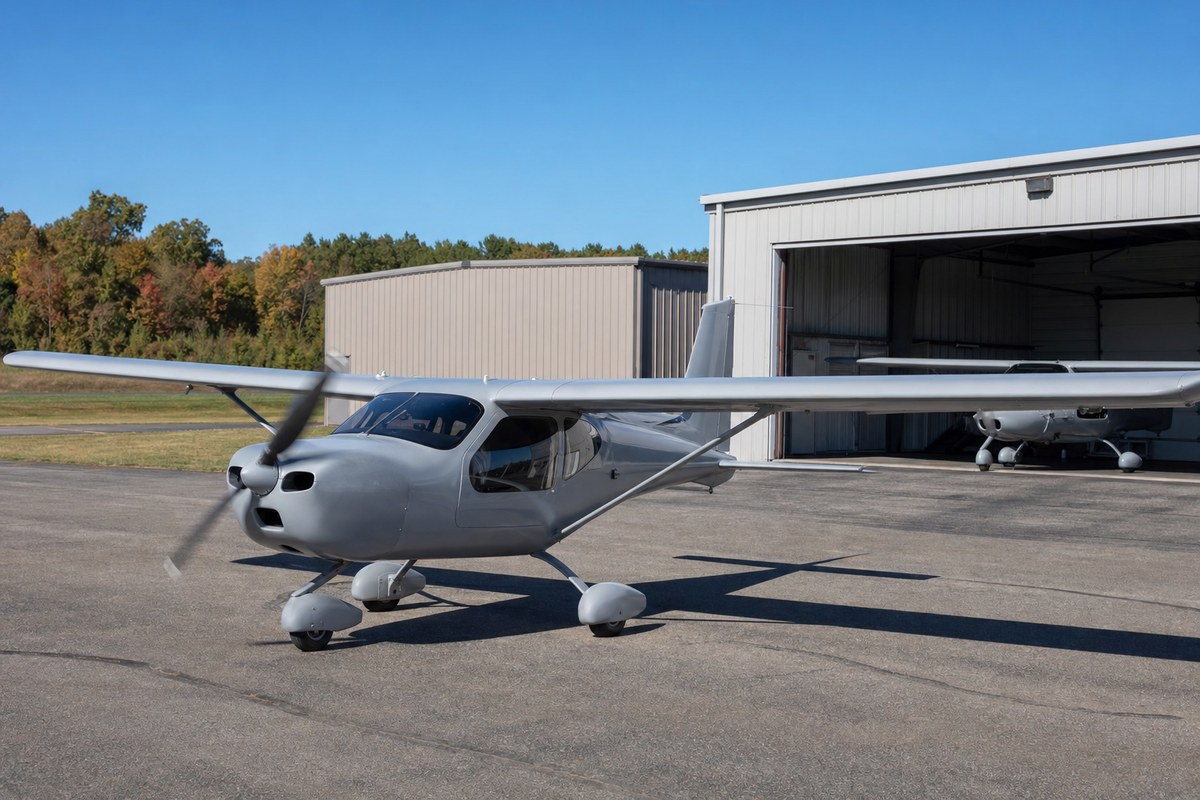
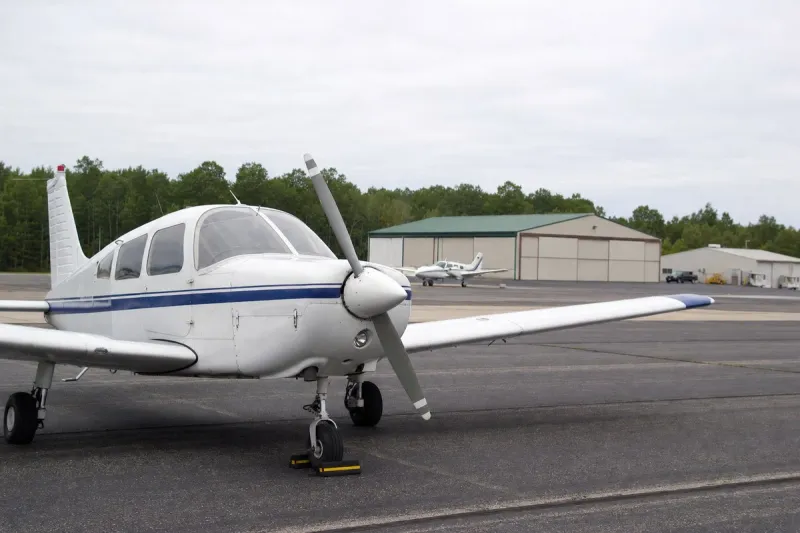
Under that first stage, sport pilots are no longer bound by the earlier light-sport aircraft definition, which capped capacity at two seats, maximum takeoff weight at 1,320 pounds (598.7 kg) and maximum level-flight speed at 120 knots (222.2 km/h).
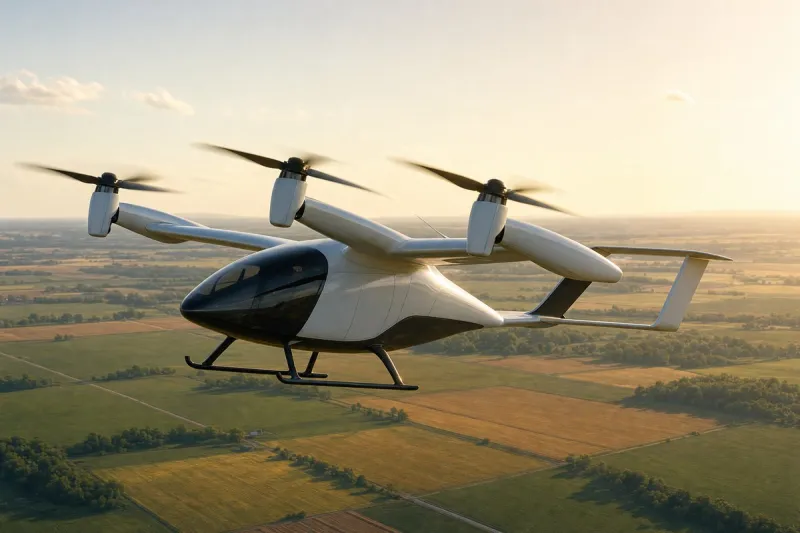
The second stage took effect on July 24 this year and replaced the former light-sport aircraft definition with a framework matching the sport pilot one. Manufacturers no longer face a maximum takeoff weight, can build models with up to four seats and are bound by a flaps-down stall speed of up to 61 knots (112.9 km/h). Restrictions on propellers and retractable landing gear were removed, and new engine types, including electric ones, can be fitted.
The FAA says the 2004 rules' weight and performance limits indirectly hampered the adoption of safety-enhancing technologies such as composite materials.
What the sport pilot certificate still limits
The sport pilot certificate, introduced in 2004, requires at least 20 hours of flight time, compared with 30 for a recreational and 40 for a private license. The 20 hours include at least 15 hours of dual training and five hours of solo flying.
Key restrictions remain. Sport pilots may carry only one passenger, so two of the four seats in a Cessna 172 must stay empty. They cannot fly commercially or carry paying passengers, and limits on airspace, instrument flying and flight timing still apply.
Industry impact & what to watch
The rule change shifts the light-sport category from a narrow, purpose-built class toward a performance-based one. Under the 2004 definition, a weight ceiling and a speed cap effectively dictated what a manufacturer could build. Replacing those with a stall-speed limit and a four-seat allowance lets designers use the same structural and powerplant choices found elsewhere in general aviation, including composites and electric propulsion.
That widens the pool of aircraft a sport pilot can legally fly, while the pilot-side restrictions stay as they were. The practical effect is a gap between what the aircraft can carry and what the certificate permits: a four-seat design can be flown, but with a single passenger, no compensation and the existing airspace and instrument limits.
The segments most exposed to the change are those serving low-cost entry-level flying, namely flight training, aircraft ownership and small-aircraft manufacturing. How quickly manufacturers bring four-seat and electric models to market under the new definition is the development that will show how much of the new design freedom is used.