EASA validates HondaJet APMG S upgrade package for European Union operators
Why It MattersRegulatory validation, not engineering, gates how fast a manufacturer can spread a retrofit across an older fleet, and it also shapes how preowned aircraft are priced and marketed.
What happened
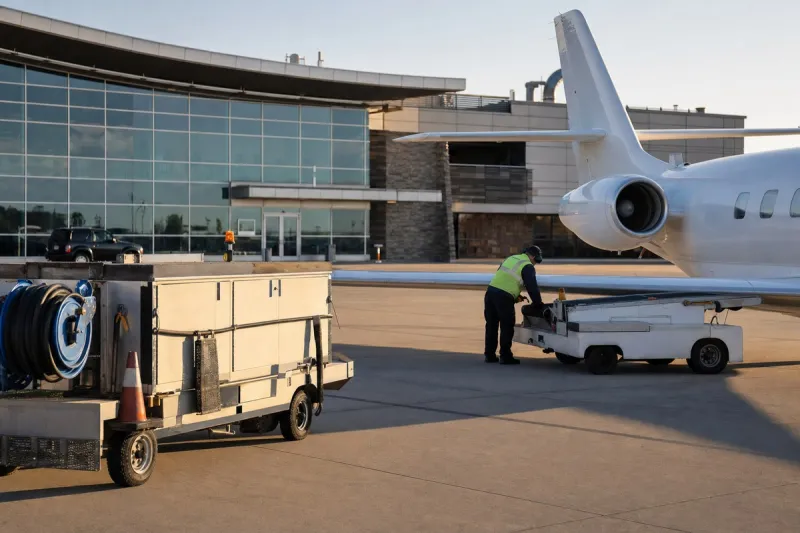
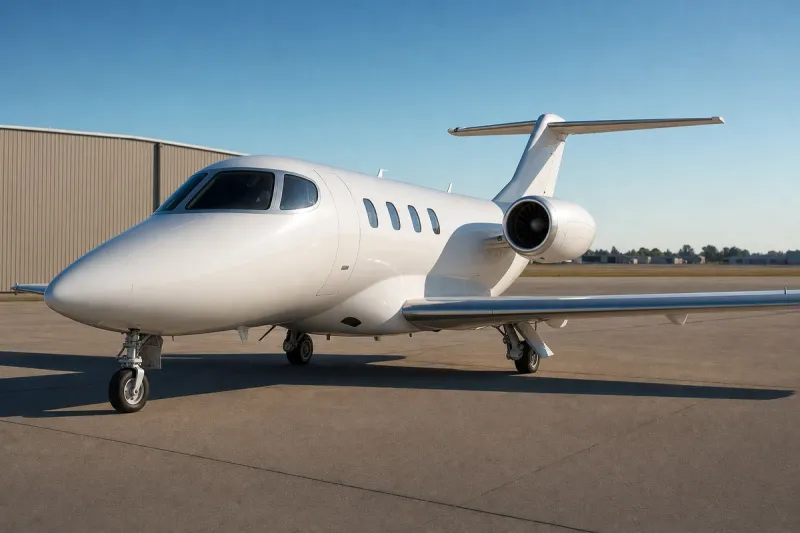
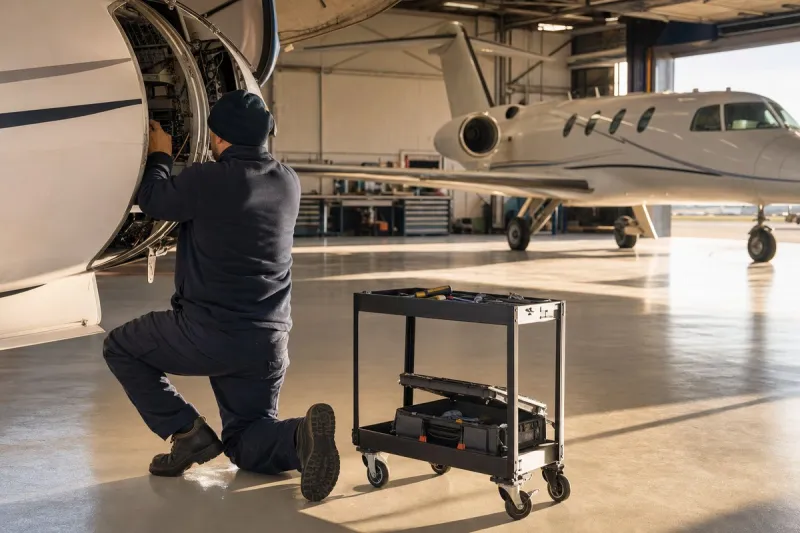
The European Union Aviation Safety Agency (EASA) has validated the type for the HondaJet APMG S upgrade package. The validation makes the program available to HondaJet Classic and APMG owners across the European Union. Honda Aircraft Company is offering the modifications through its Greensboro, NC Service Center and its global network of Authorized Service Centers. In Europe, installations are available through Rheinland Air Service in Germany, a HondaJet Authorized Dealer.

The package introduces faster avionics processing through upgraded hardware and software, which Honda describes as a foundation for future technology enhancements across the legacy HondaJet fleet. It also brings the Advanced Steering Augmentation System, a key feature introduced on the HondaJet Elite S, which enhances handling precision and crosswind capability. The Maximum Takeoff Weight rises by 300 lb (136 kg) over legacy aircraft, and Graphical Weight and Balance functionality lets pilots calculate takeoff and landing weights using loading and fuel data.
The validation also expands opportunities in the preowned market: customers can buy an earlier-generation aircraft with a path to APMG S enhancement, or purchase a preowned aircraft already upgraded, in markets with regulatory certification. Following certifications in the United States, Mexico and the European Union, the upgrade is now available to the vast majority of the global HondaJet fleet. Additional international validation applications are pending and will be announced as they are achieved.
"We are pleased to make these enhancements available to more customers across Europe," said Amod Kelkar, Senior Vice President and Chief Commercial Officer at Honda Aircraft Company. Honda Aircraft, founded in 2006 and headquartered in North Carolina, is a wholly owned subsidiary of American Honda Motor Co. Global HondaJet deliveries surpassed 250 in 2024, and the company is developing the 11-occupant HondaJet Echelon.
Industry impact & what to watch
Retrofit programs for light jets live or die on regulatory reach. An upgrade can be fully developed and still sit unusable for owners in a given region until the local authority validates it, so each new validation changes the addressable fleet more than any engineering milestone does. With the United States, Mexico and the European Union now covered, the HondaJet program has moved from a home-market offering to one most of the legacy fleet can actually buy.
The preowned angle matters for how older aircraft are valued. When an earlier-generation airframe carries a path to current-generation handling and weight capability, the gap between a legacy aircraft and a newer one narrows, and brokers and buyers can price the upgrade as a defined step rather than an open-ended unknown. That works only in markets where the certification is in place, which is why the geography of validations feeds directly into resale conversations.
The next dated markers are the additional international validation applications that Honda says are pending; each approval will extend the same logic to another set of owners. Because installation capacity in Europe currently runs through Rheinland Air Service in Germany, the speed at which European owners can actually take up the package will also show up in how that dealer's schedule and the wider service network handle demand.