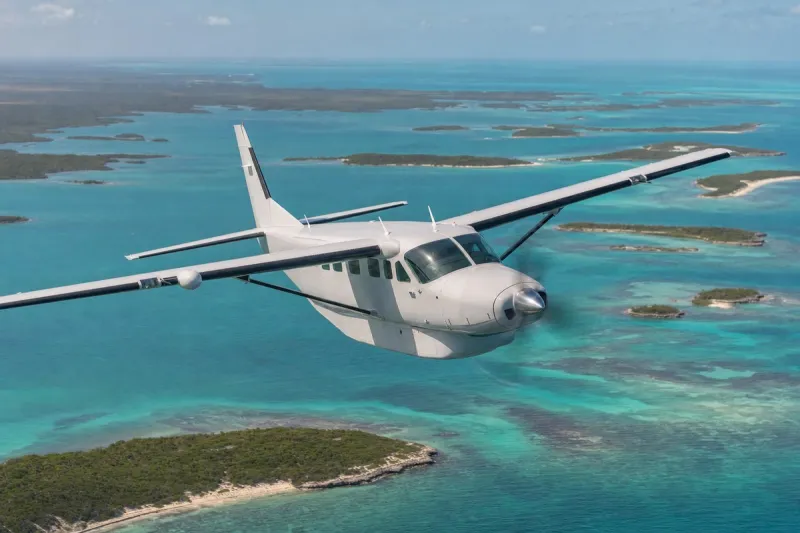
German Engineering Team Offers PieroJet PJ-3 Light Jet Design, Claiming 3,000-Mile Range, to Industry
Why It MattersThe offer shows how paper aircraft designs reach market: unbuilt concepts with partial analysis are pitched to established manufacturers and suppliers, whose own engineering verification would decide whether any range claim holds.
What happened
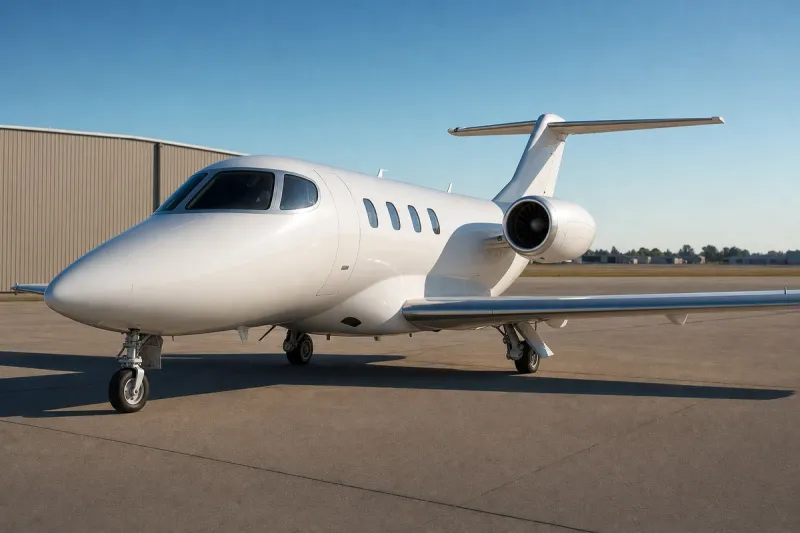
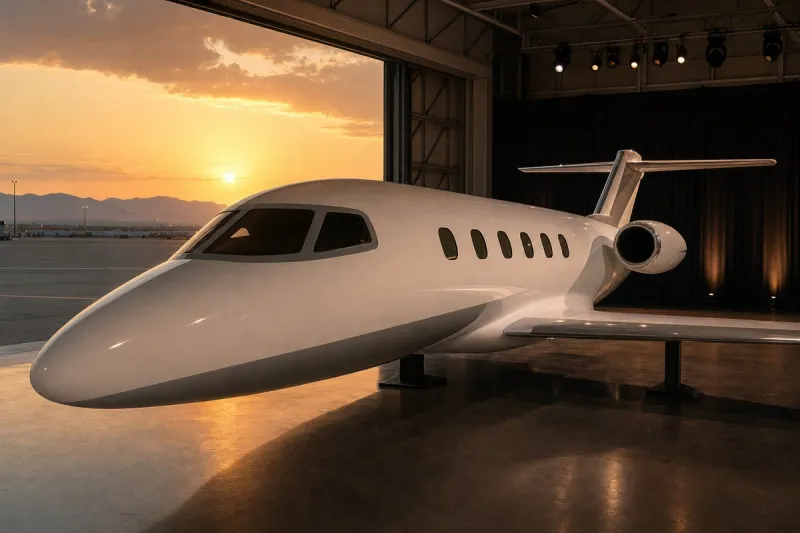
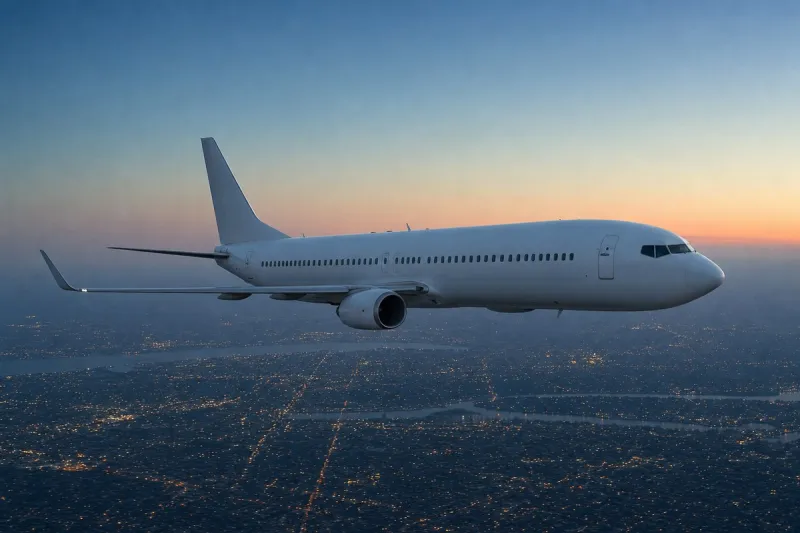
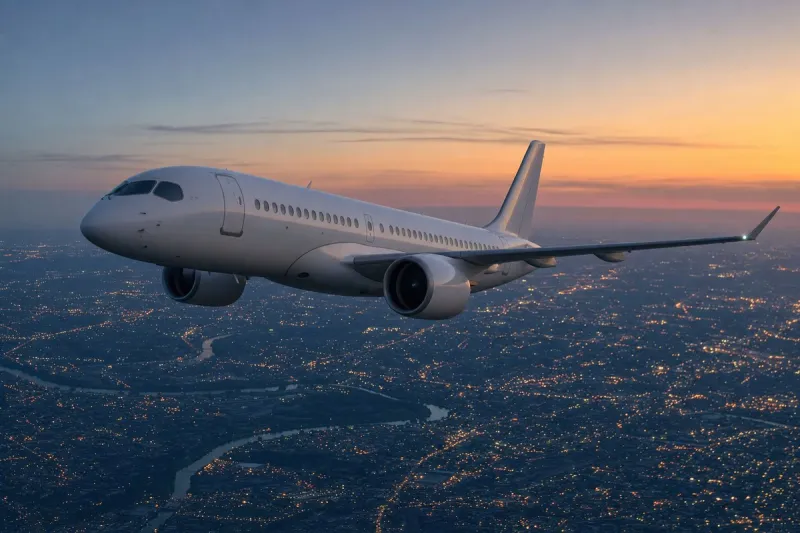
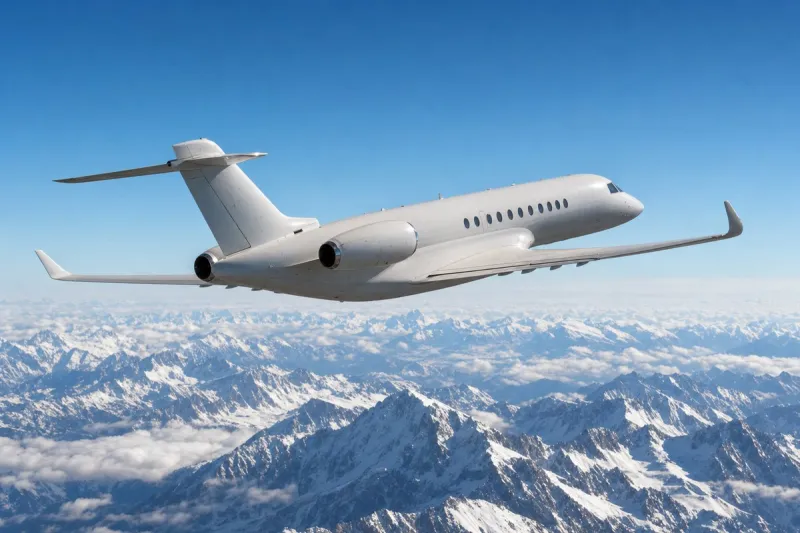
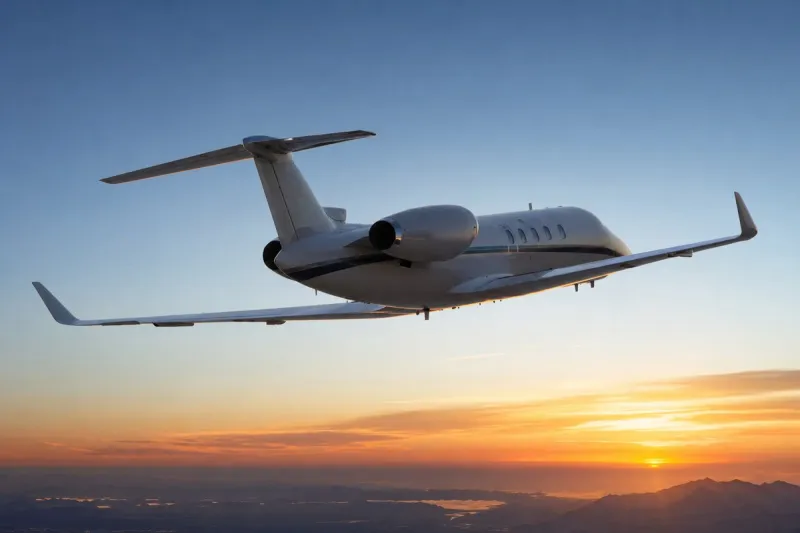
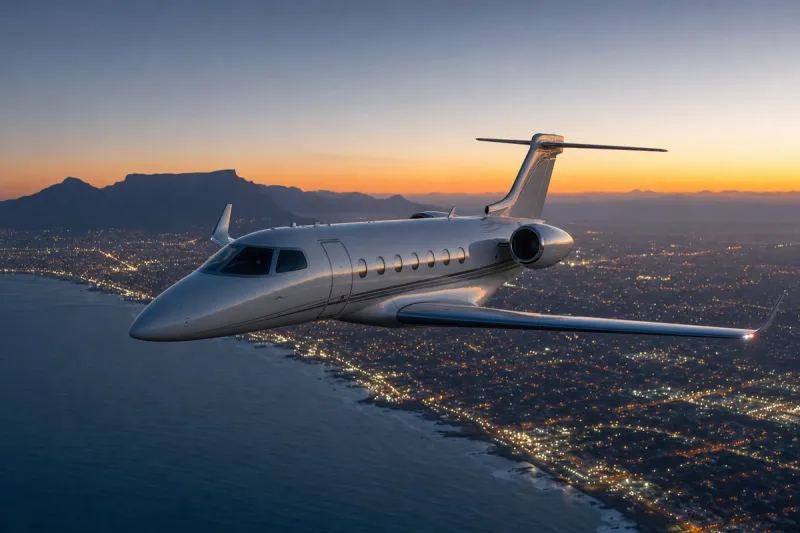
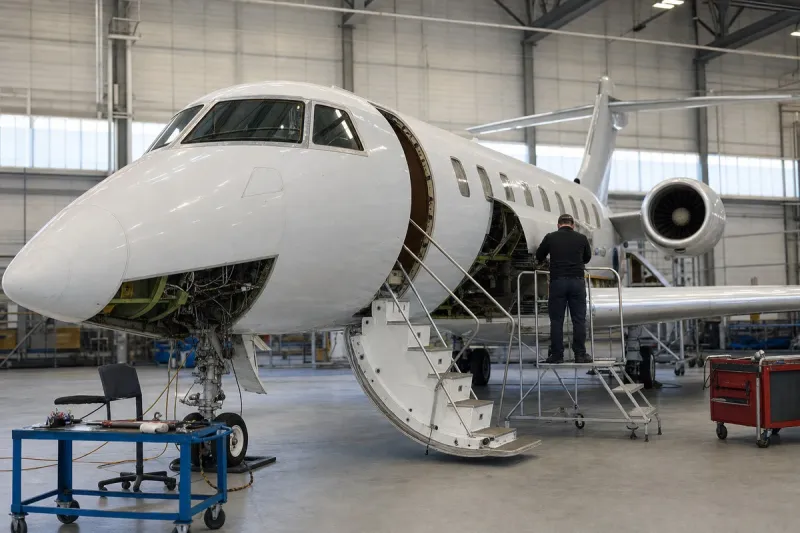
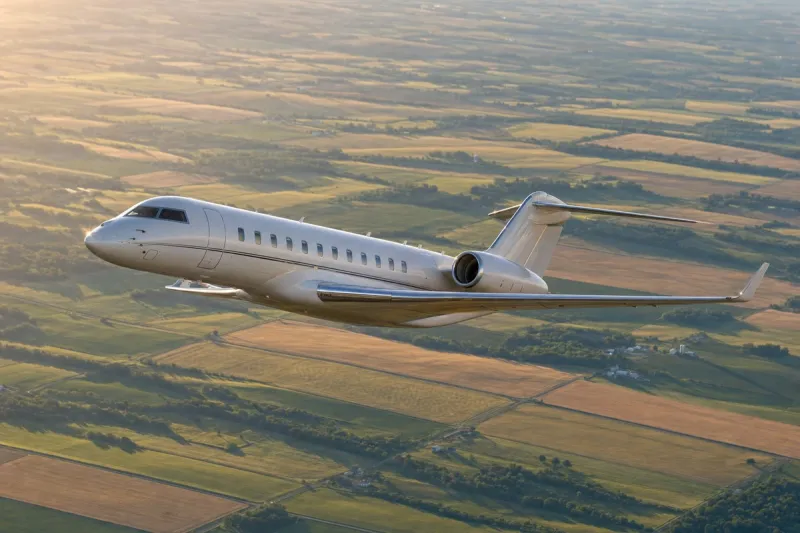
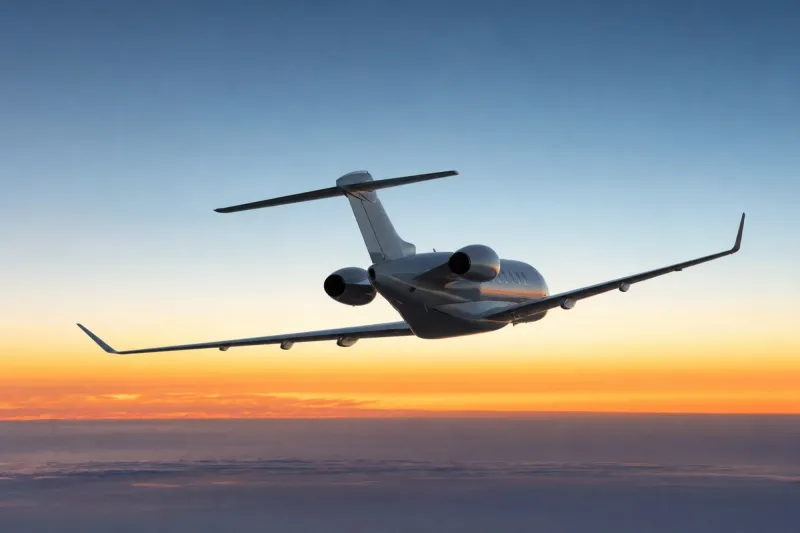
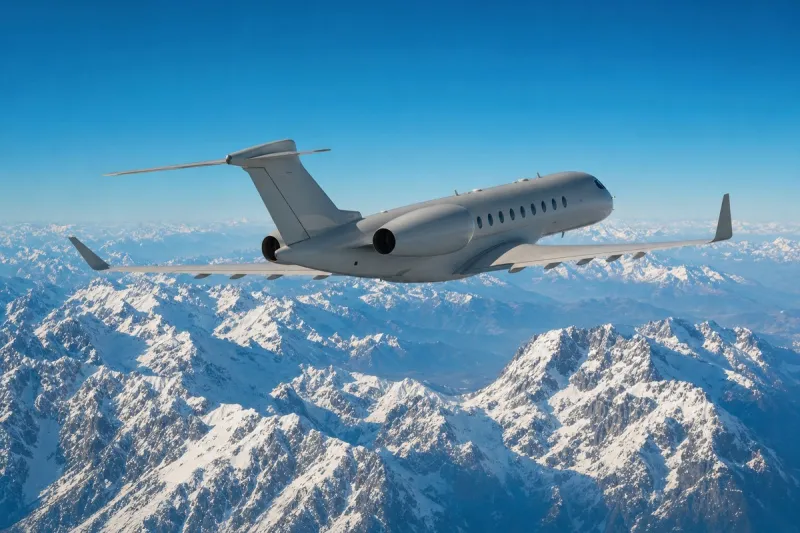
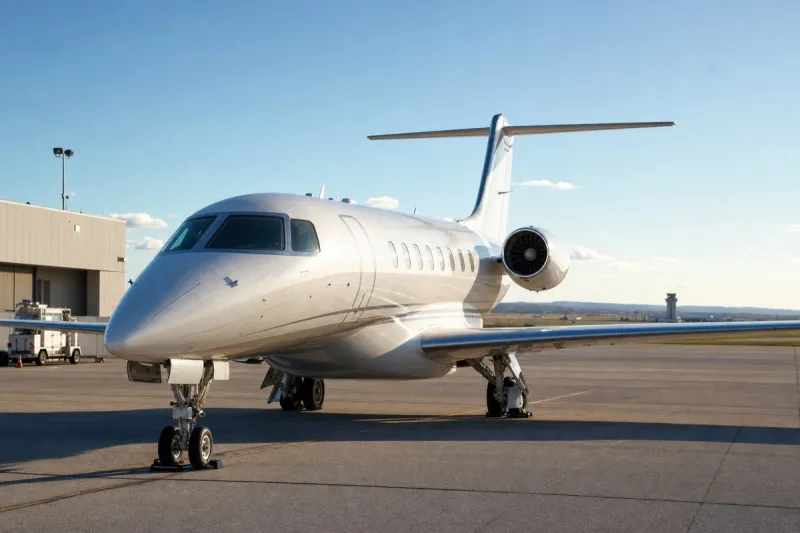
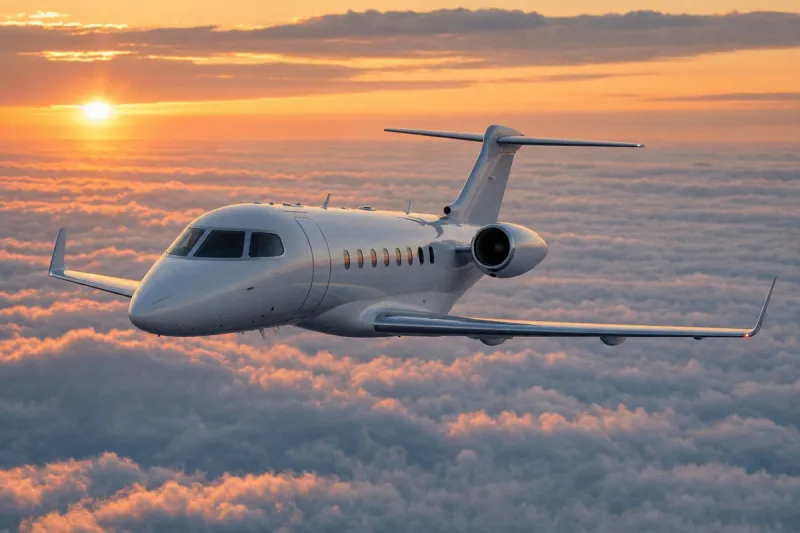
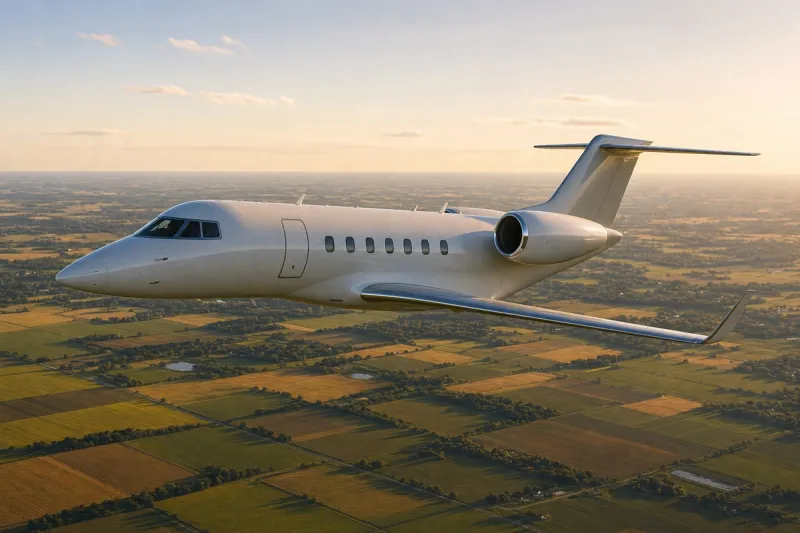
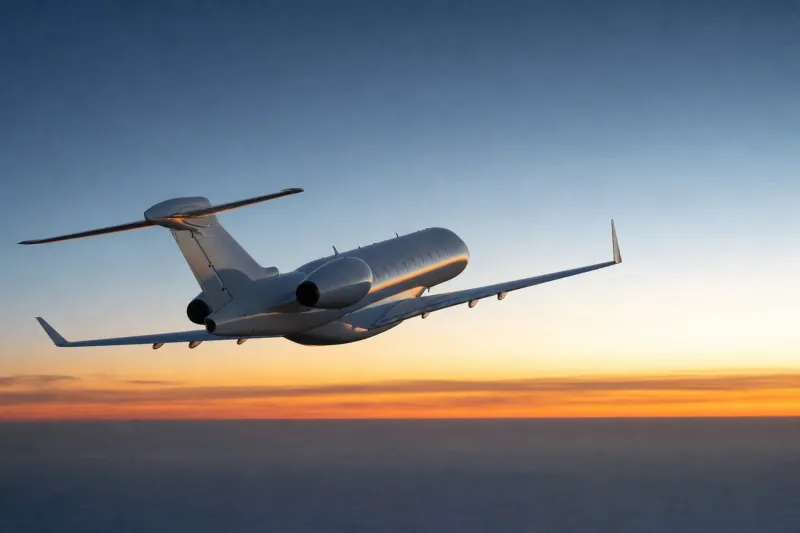
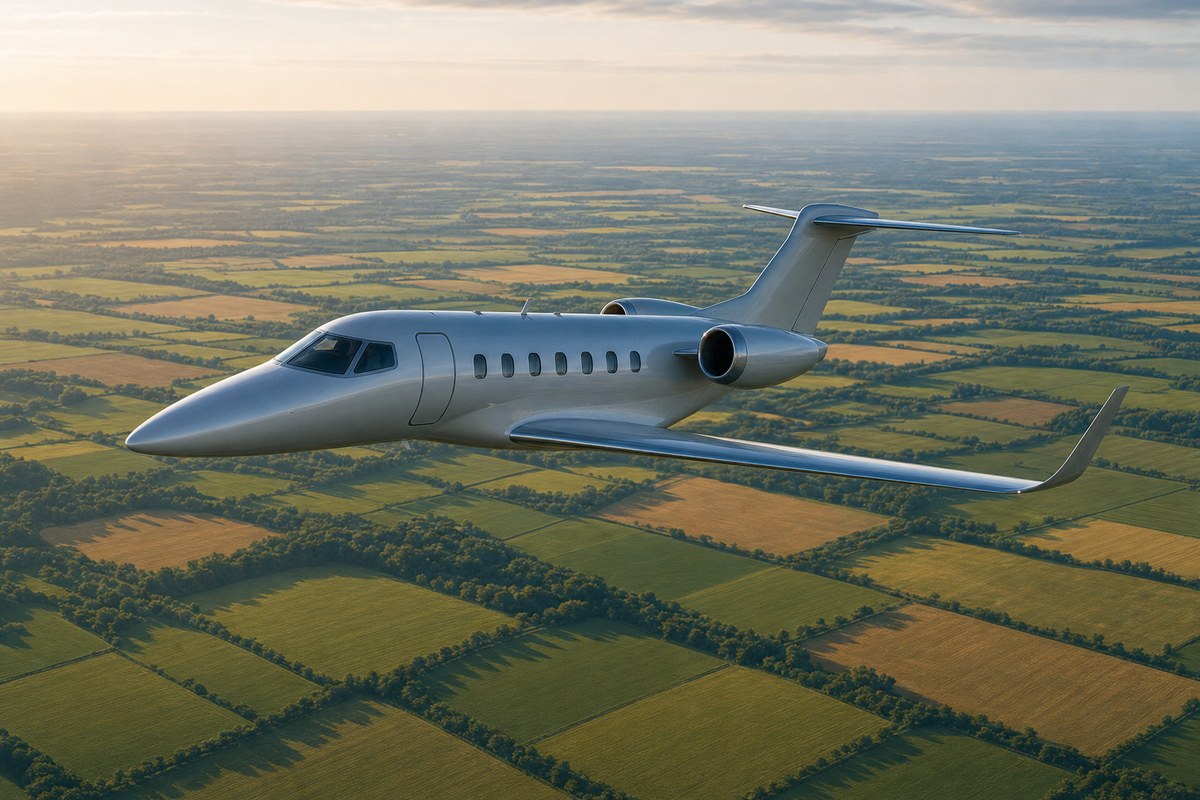
A German engineering team has completed pre-development of a light jet, the PieroJet PJ-3, which it says could fly 3,000 miles (4,830km) with IFR reserves if realised. The team is seeking an established manufacturer to take the design forward and is offering it through acquisition, licensing, technology transfer or joint development.
The project was developed under the Piero brand, a subsidiary of Munich-based avionics maker Moving Terrain, which team leader Stefan Piero Unzicker founded in 1993. The team includes a senior air taxi operator, aeronautical engineers, an aviation patent specialist, a test pilot and an aerodynamic academic advisor. Members' experience includes flight test engineering support on the Dornier Seastar, the fly-by-wire control system for the Zeppelin NT airship and early single-engine VTOL prototypes.
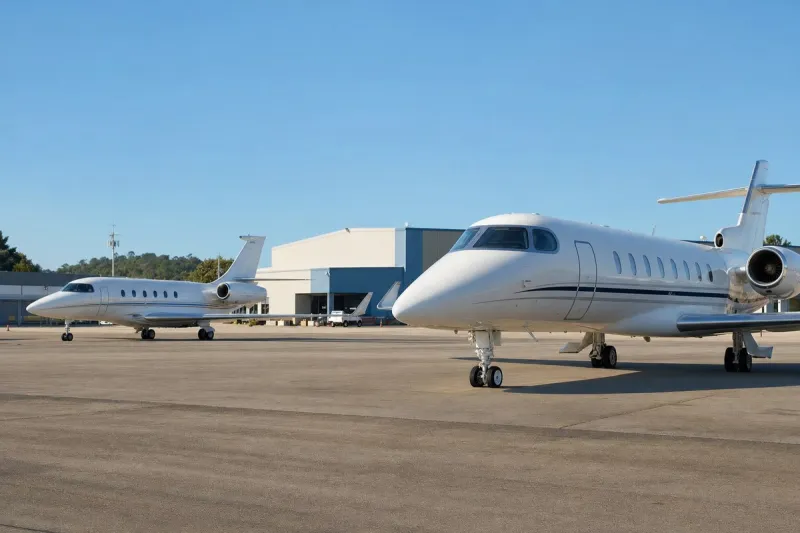
The developers say the PJ-3 would weigh about 4,200kg, just under the 4,441kg average of a benchmark group ranging from the Cessna Citation Mustang to the Piaggio Avanti. Those aircraft average a range of 1,333 miles with NBAA reserves. The PJ-3 is offered with two engine options and carries about 1,800 litres of fuel, against about 1,500 litres for the comparison group. Unzicker says it uses about half the fuel of other aircraft over long sectors. The design was also compared with the Cessna Citation Sovereign, Embraer Legacy 500 and Bombardier Challenger 300.
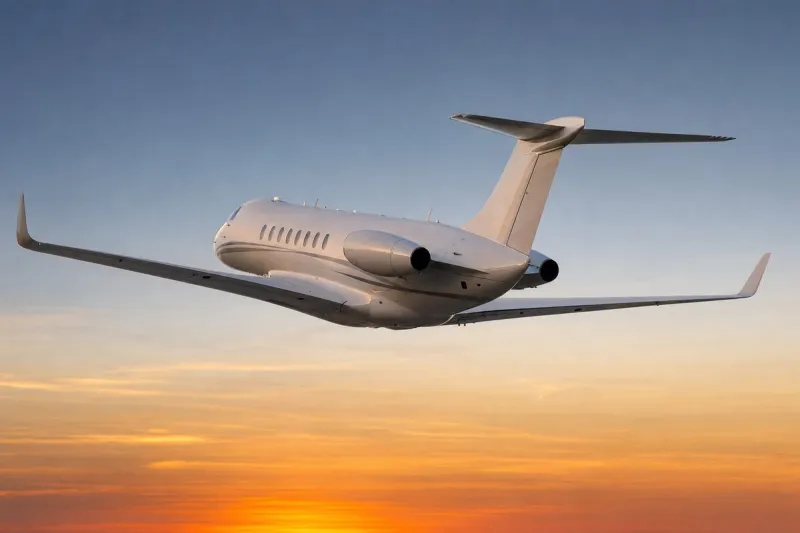
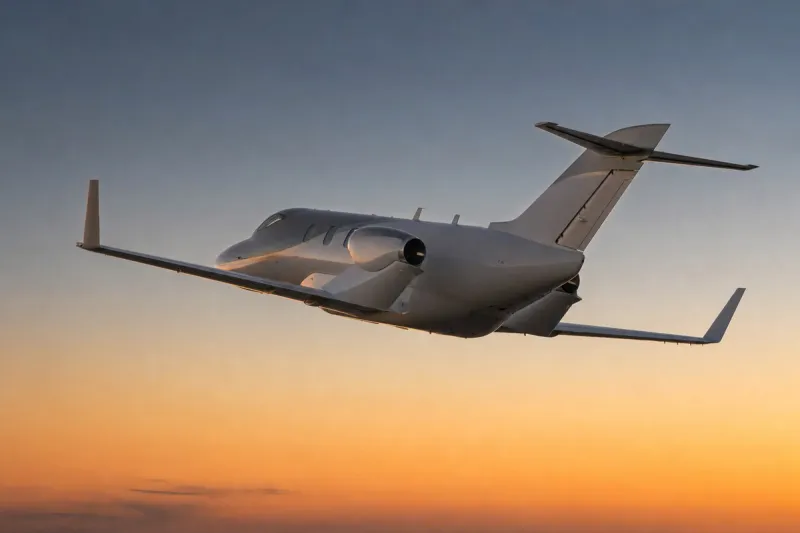
The team says efficiency stems partly from the ratio of cabin volume to outside surface area. The design has about 41sqm of outside fuselage surface, versus about 53sqm for the Embraer Phenom 100, which has the same engine and seating capacity proposed for the PJ-3 — about 20% more fuselage drag, according to Unzicker. The PJ-3 is designed to cruise around 50,000ft, using a high-aspect-ratio slender wing with a supercritical profile and a special wingtip. Patents covering fuselage shaping, an oblique bulkhead and related features were filed earlier this year. A single-engine version, the PJ-1, is also mentioned.
State of the design work
The completed work covers engineering calculations, computer-aided design and spatial visualisation. Most of the PJ-3 work is conventional engineering calculation, and computational fluid dynamics analysis has been done only in part.
The team will open its calculations to whoever adopts the project. Unzicker thinks a manufacturer's flight physics department could verify them to a good level of accuracy in about two weeks.
Industry impact & what to watch
Offering a design this way is one of the few routes open to an engineering team without a certification programme or production line behind it: it sells the idea and the analysis, not an aircraft. Light jets in this weight class are built by established airframers with their own flight-test and certification infrastructure, so a concept like the PJ-3 only advances if one of them, or a large aerospace supplier, decides to take it on. The team is targeting precisely those buyers, including suppliers to major OEMs, particularly in the Middle East, that want to build aircraft of their own.
The headline figures are the developers' own, and several rest on comparisons against groups of existing aircraft measured to NBAA reserves, while the PJ-3 figure is quoted with IFR reserves. With CFD analysis only partly done, the range and fuel-burn claims are untested against an adopter's own methods. Any buyer would first run the open calculations through its own flight physics team, which Unzicker puts at about two weeks.
The next milestone is whether any manufacturer or supplier opens that verification. Its outcome on range, fuel use and fuselage drag would decide whether the PJ-3 moves past pre-development.