Pratt & Whitney starts construction of $100 million Rzeszów facility in Poland, due to open in 2028
Why It MattersPairing the Polish expansion with a Georgia forging press shows engine makers adding forging and rotating-parts capacity on two continents at once, treating critical component supply as the constraint on engine output.
What happened
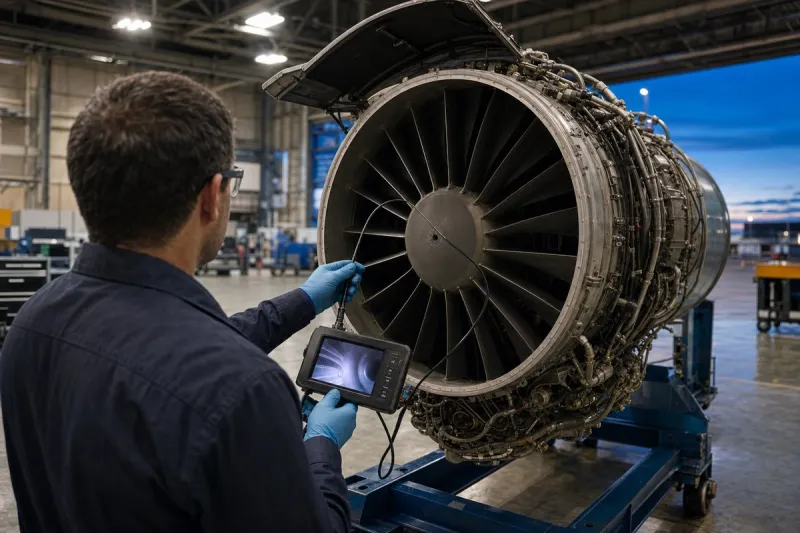
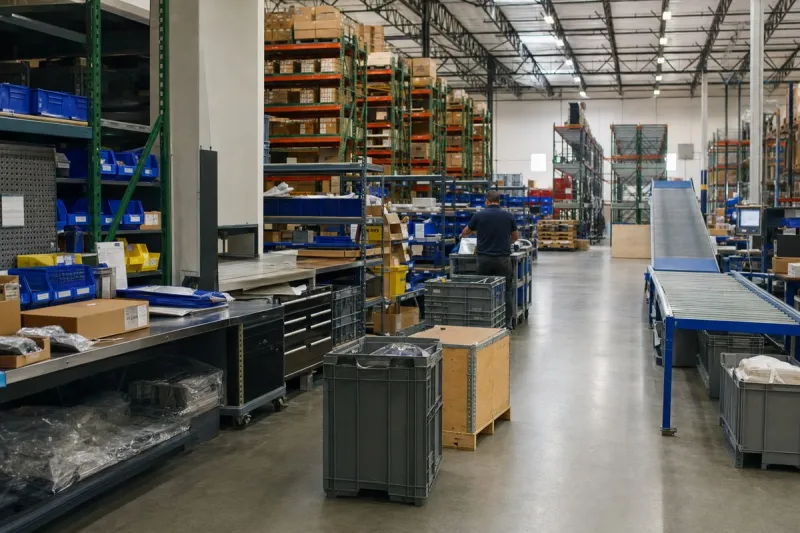
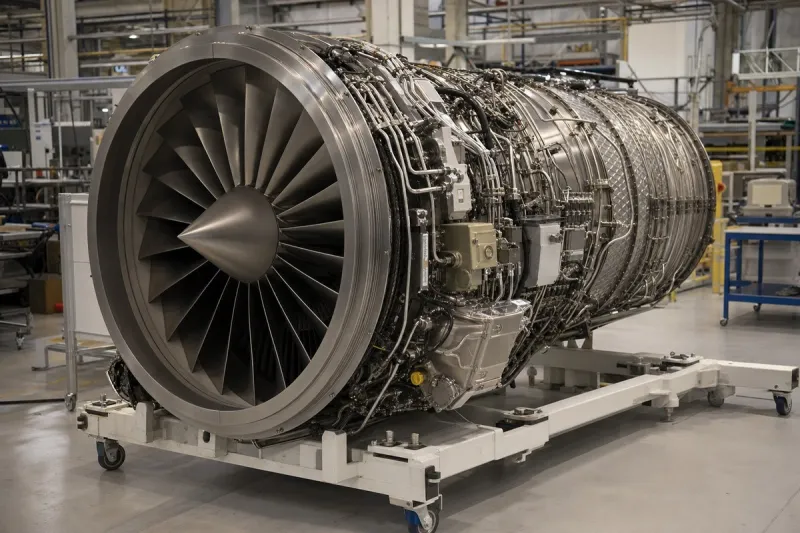
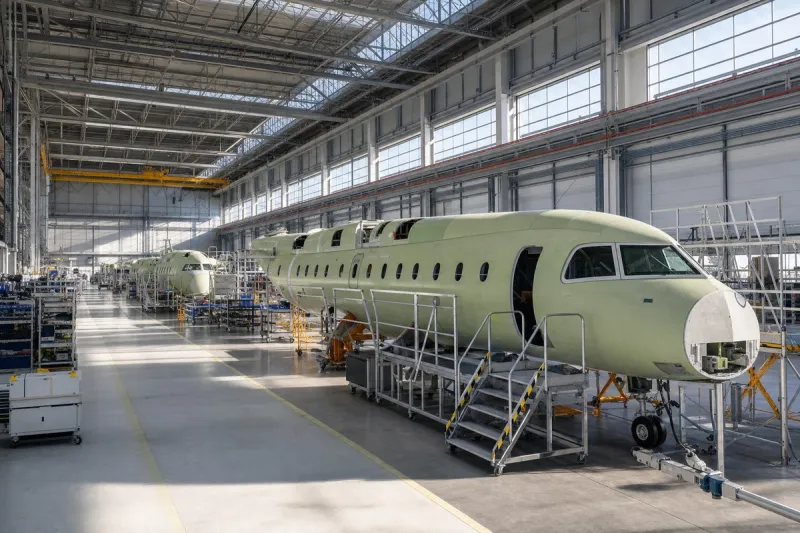
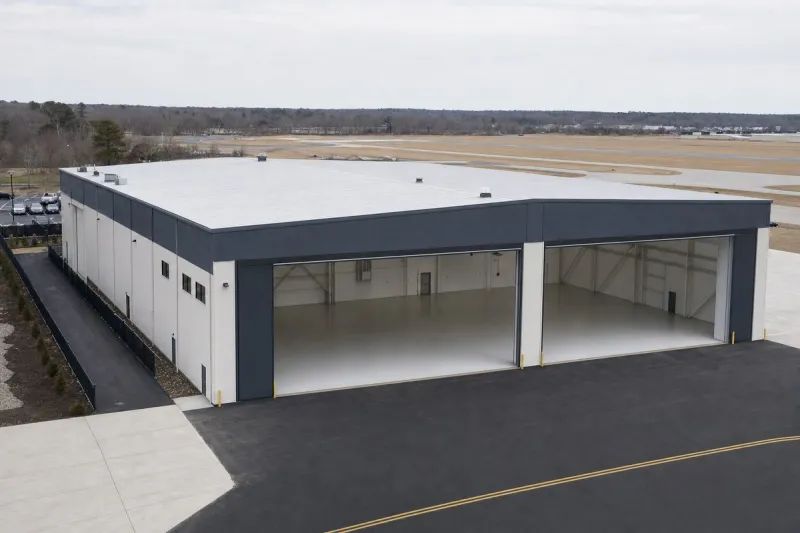
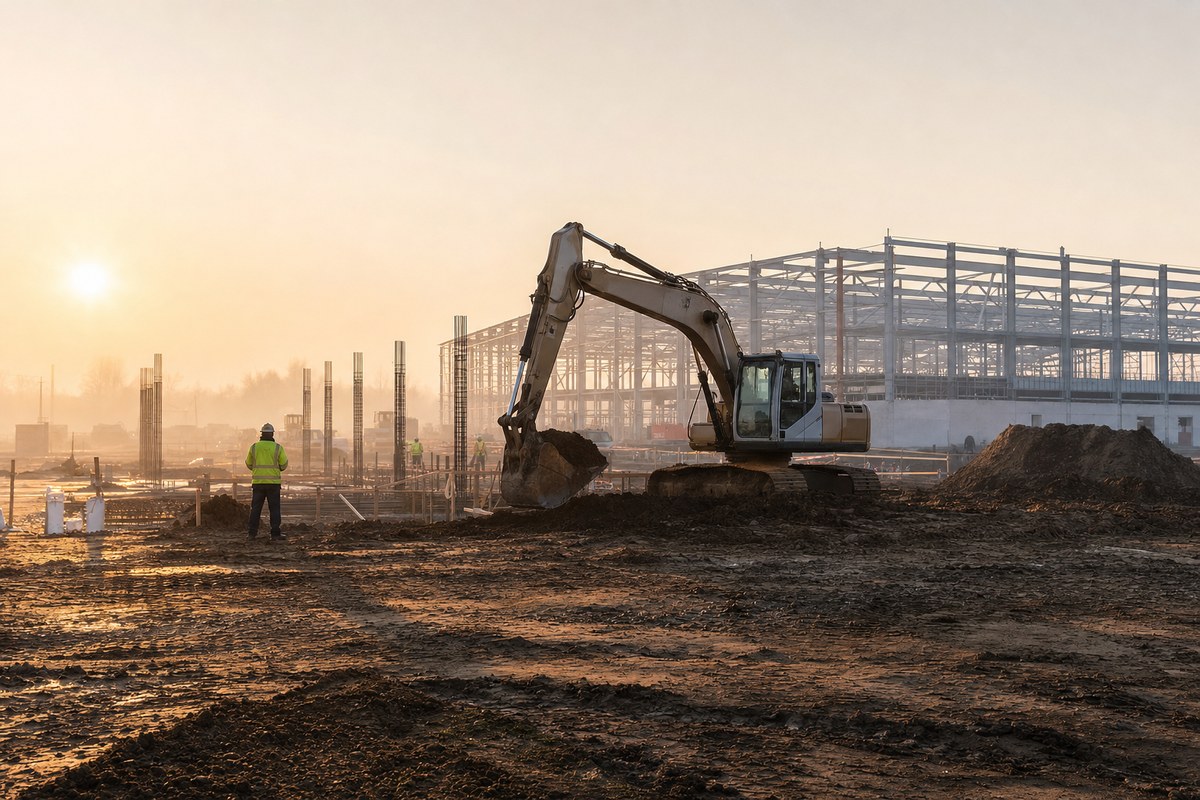
Pratt & Whitney, an RTX business, has begun construction of a new $100 million (375 million zloty) facility in Rzeszów, Poland. The roughly 6,500-square-meter (70,000-square-foot) site is intended to increase production capacity, introduce manufacturing of critical rotating components and meet growing global demand for commercial and military engines, including the Pratt & Whitney GTF, F135 and F100. It is expected to become operational in 2028 and to create more than 120 jobs.
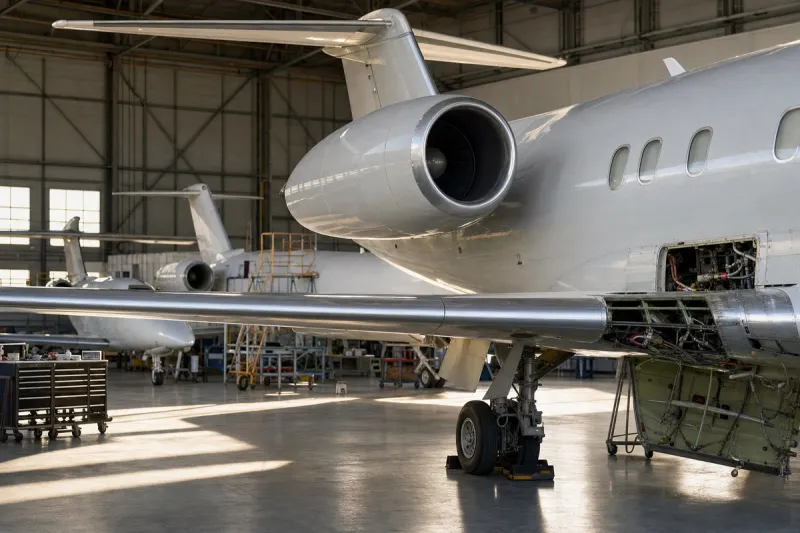
The Rzeszów site already provides advanced manufacturing and technology development for commercial and military engines, turboprops and auxiliary power units. Its work includes producing the GTF fan drive gear system, F100 static structures and key F135 parts, as well as engines for helicopters, business jets and general aviation aircraft from the PT6, PW200, PW500/600 and PW800 families. Piotr Owsicki, general manager of Pratt & Whitney in Rzeszów, said the company is turning a plan announced six months earlier into reality.
The expansion follows and supports a $200 million investment announced in February for a seventh isothermal forging press at Pratt & Whitney's Columbus Forge facility in Georgia, United States. Both capital projects are expected to be fully operational by 2028 and will enable a 30% increase in output of critical engine parts such as rotating compressors and turbine disks.
Poland is RTX's largest investment and employee base outside the United States, with more than 9,500 employees across its Collins Aerospace, Pratt & Whitney and Raytheon businesses in the country.
Industry impact & what to watch
The two projects point at the same bottleneck. Rotating compressor parts and turbine disks are forged, heavily machined components, and output of them sets the pace at which new engines and spare parts can ship. Putting a forging press in Georgia and rotating-component manufacturing in Poland, both targeted for 2028, spreads that capacity across two countries instead of concentrating it at one site.
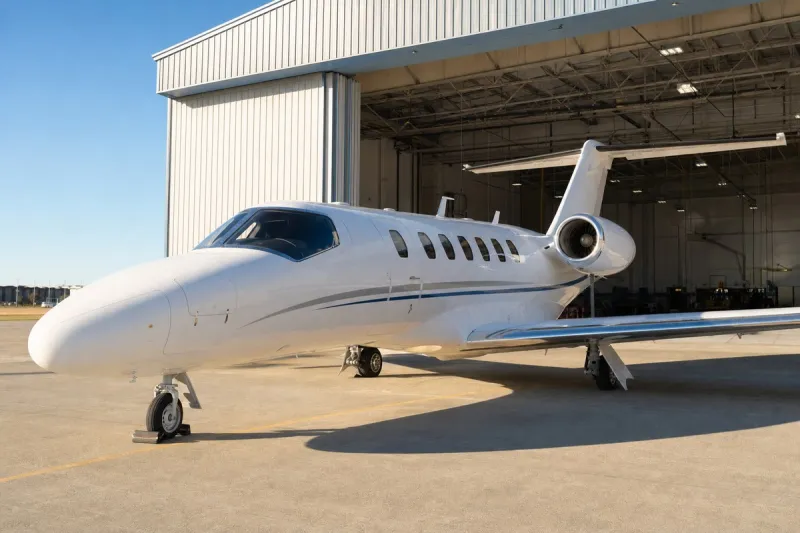
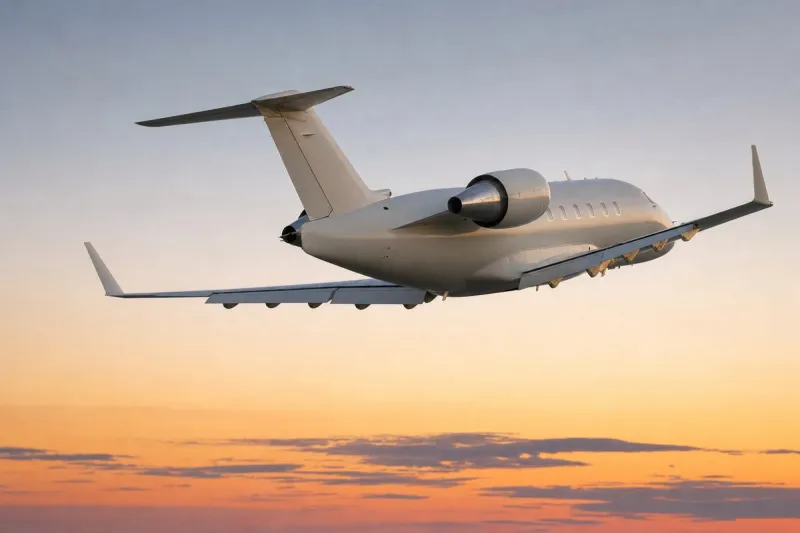
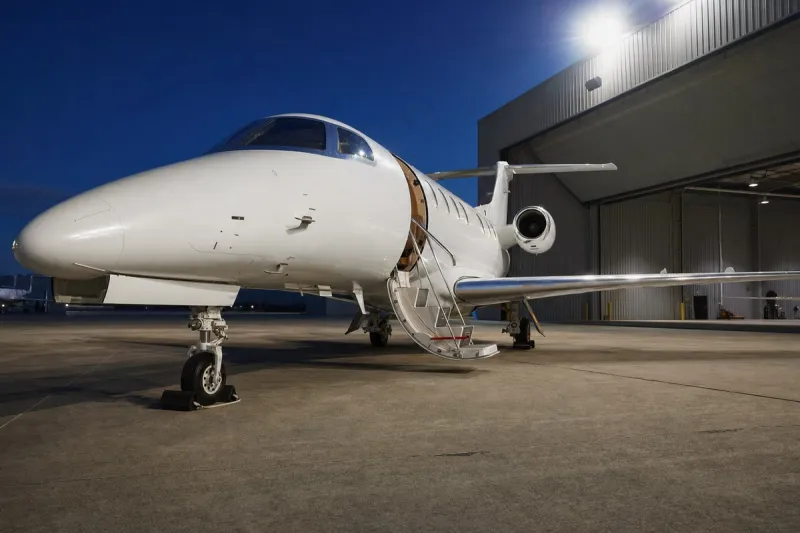
For the business-aviation segment, the relevance is indirect but real. The Rzeszów site already works on PT6, PW200, PW500/600 and PW800 engines for business jets, helicopters and general aviation, and those programmes draw on the same supply chain as the large GTF and F135 lines. Capacity added for the larger programmes can ease or tighten the flow of parts for the smaller ones, depending on how output is allocated.
The milestone to follow is 2028, when both projects are expected to be fully operational and the 30% increase in critical-part output is meant to take effect.