Airbus Helicopters H160 Twin-Engine Medium Helicopter Certified for Up to 14 Occupants, With ACH160 Corporate Version
Why It MattersA single certified medium-helicopter airframe now spans offshore transport, medical evacuation and corporate roles, so operators in these segments compete for the same cabin, range and fuel-burn economics.
What happened
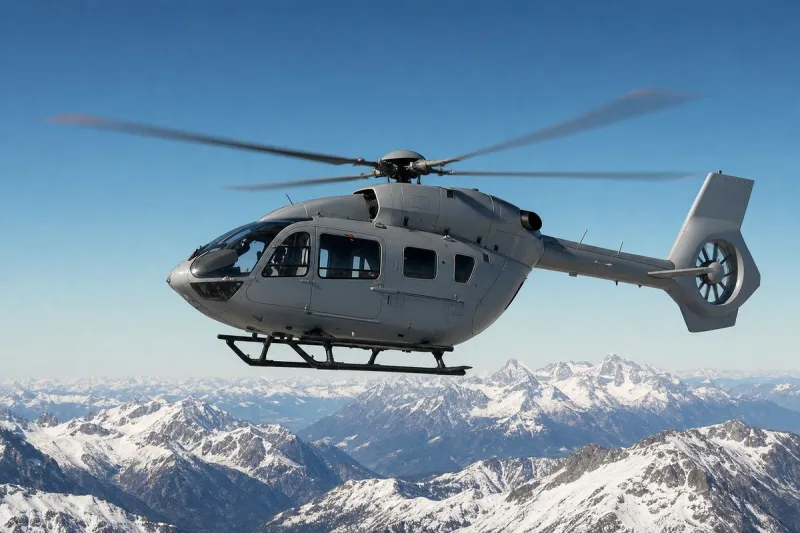
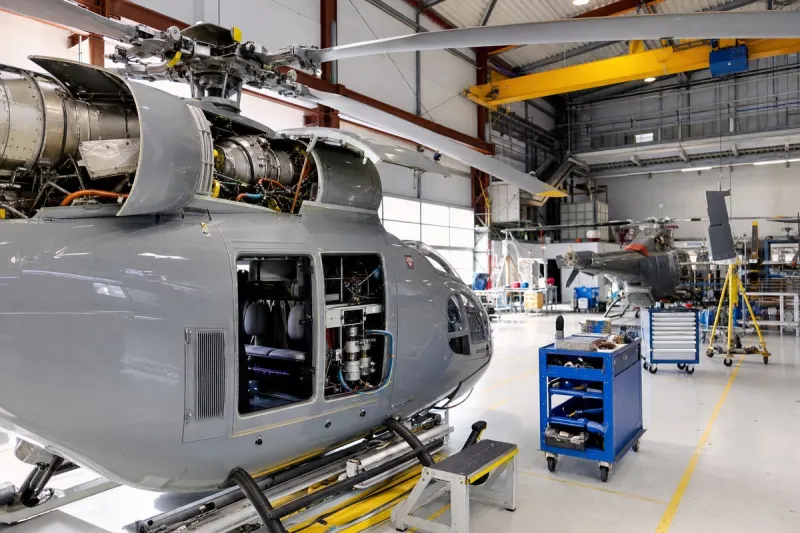
The H160 is a twin-engine medium helicopter produced by Airbus Helicopters. It debuted at Heli-Expo in March 2015 and made its first flight on June 13, 2015, flown by the airframe registered F-WWOG. The type received FAA approval on June 30, 2023, ahead of the first U.S. delivery to PHI for offshore transportation in the Gulf of Mexico.
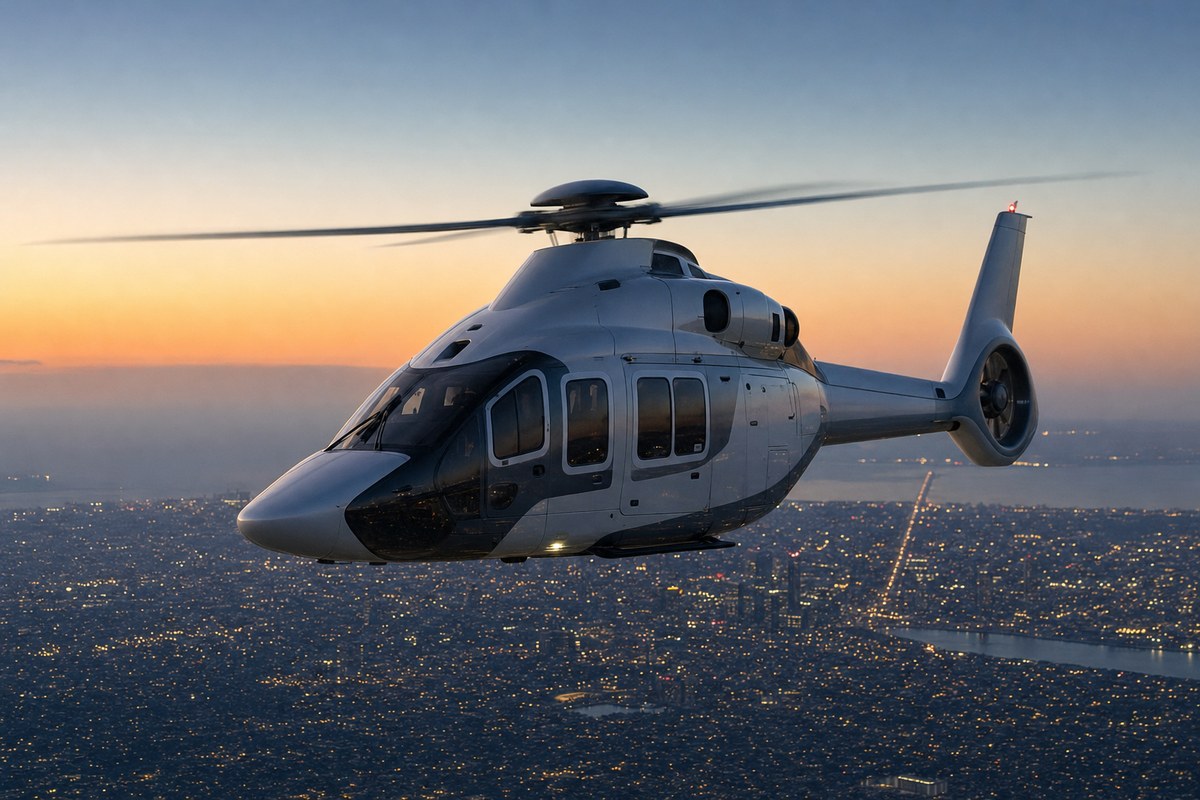
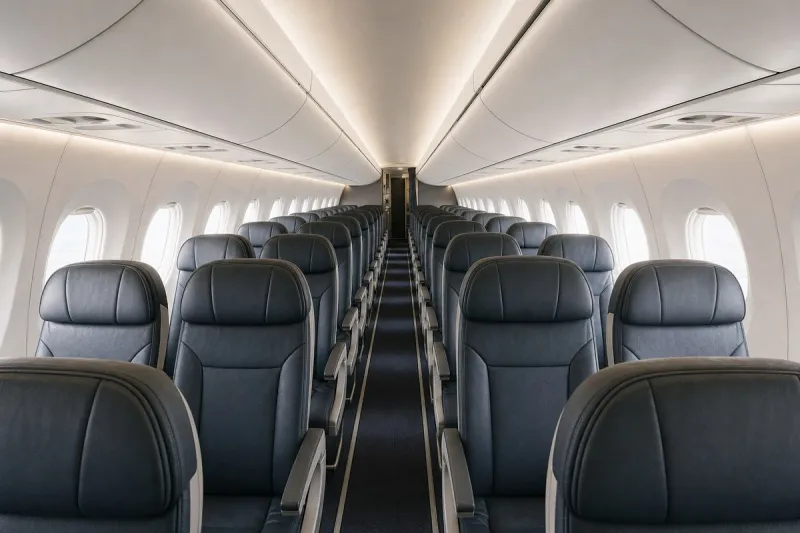
The EASA type certificate data sheet designates the airframe as the H160-B and allows up to 14 occupants, including one required pilot, in a cabin with an internal volume of up to 257.8 ft³. Airbus Helicopters markets the type as carrying 12 passengers, with three rows of four seats for offshore operations; a stretcher can replace the center row. The manufacturer describes the cabin as the largest in its class and says its positionable stretcher capacity, sliding doors and ability to carry one or two stretchers in longitudinal or transversal positions suit helicopter emergency medical services.
Pilots use the Airbus-developed Helionix avionics suite, promoted for pilot-workload benefits, while offshore operators can use the Rig'N Fly enhancement, which allows automatic rig approaches.
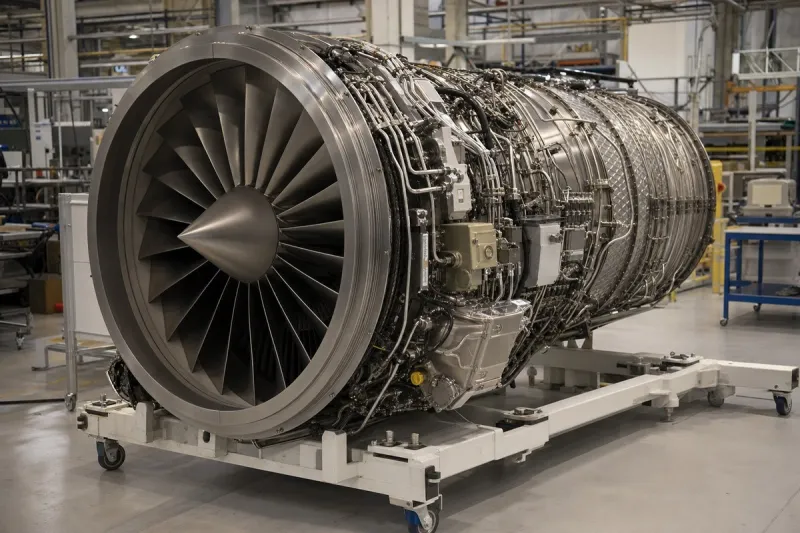
The H160 is powered by two Safran Helicopter Engines Arrano 1A turboshaft engines rated at 1,280 shp for takeoff. Airbus states fuel consumption is 15% lower than the previous class of engines on the same operations and 18% lower than previous-generation rotorcraft. Weight limits are a 13,338-lb. maximum takeoff weight and a 13,448-lb. maximum weight on the ground, with maximum usable fuel capacity of 380.4 gal. Airbus Helicopters states a maximum cargo sling load of 4,409 lb.
Certified limits for the H160-B include a power-on never-exceed speed of 170 KIAS up to 5,000 ft. pressure altitude. The in-ground-effect hover ceiling is 9,300 ft. and the recommended cruise speed is 138 kt. With standard fuel tanks, maximum range is 480 nm.
Industry impact & what to watch
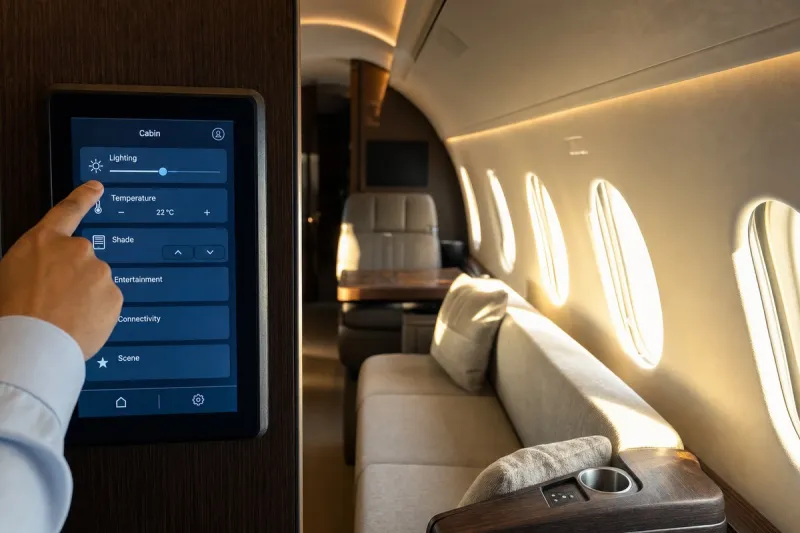
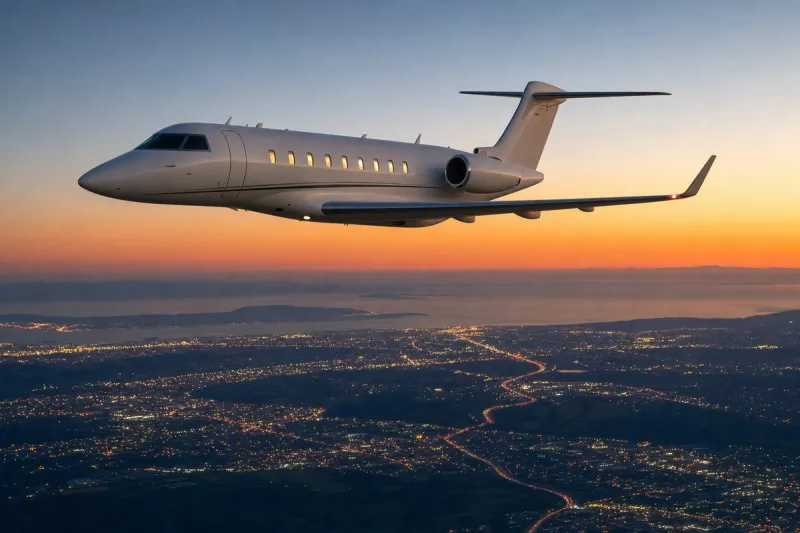
The H160 shows how a medium twin is now positioned to serve several buyers from one airframe. The same cabin that seats 12 for offshore crew changes can be reconfigured with stretchers for emergency medical work, and the corporate ACH160 version extends it into private transport. For a manufacturer, that breadth spreads development cost across segments whose operators otherwise buy different machines.
For offshore and medical operators, the economics in this segment turn on fuel burn, range and cabin flexibility more than on headline speed. Airbus's stated 15% and 18% fuel-consumption reductions, set against a 480 nm range and 138 kt recommended cruise, are the figures those operators will weigh against incumbent medium twins on their own routes and payloads.
The next milestone is the pace of deliveries following the PHI handover in the Gulf of Mexico, which will show how quickly the offshore case translates into fleet orders in the United States.