Cabin Management System Market Valued at USD 1.39 Billion in 2024, Projected to Reach USD 1.88 Billion by 2029
Why It MattersGrowth that leans on refurbishment, aftermarket upgrades and wireless controls places certification cost, integration with legacy equipment and cybersecurity at the center of how cabin management suppliers win and keep business.
What happened
The global Cabin Management System (CMS) market was valued at USD 1.39 billion in 2024 and is projected to reach USD 1.88 billion by 2029, a compound annual growth rate of 6.2%, according to Marketsandmarkets.
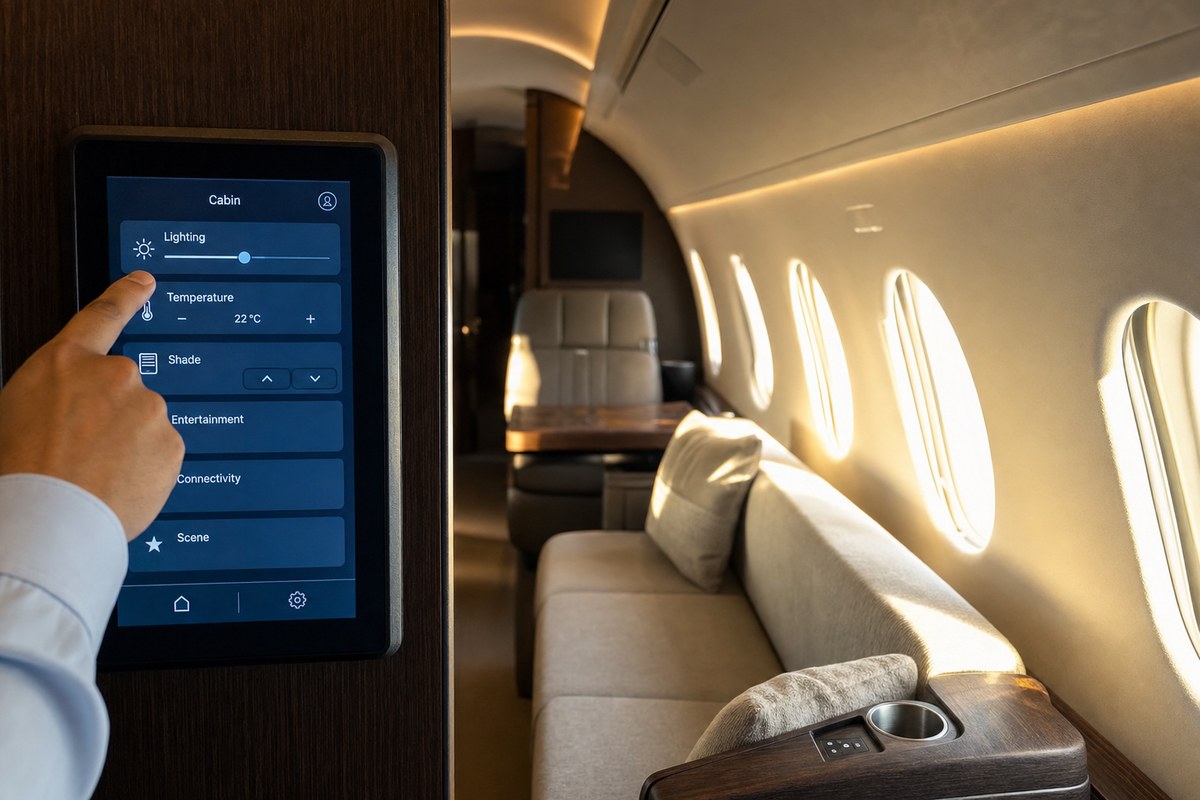
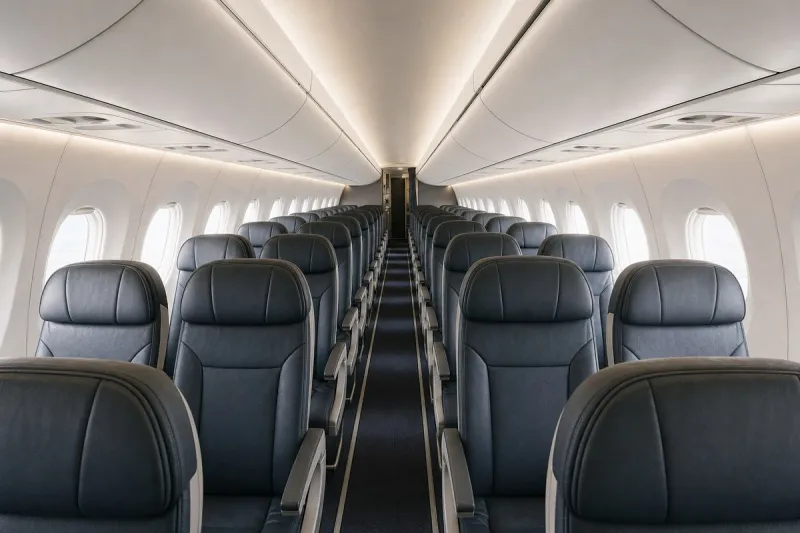
CMS technology integrates digital controls, intelligent interfaces, automation and connected cabin equipment to manage passenger comfort, entertainment, lighting and onboard connectivity. It is used across commercial aviation, business jets and selected special-mission aircraft.
The growth drivers cited are rising demand for advanced cabin interiors in commercial aircraft and business jets, wider adoption of integrated lighting, entertainment and passenger control systems, and investment in aircraft refurbishment and cabin modernization. Demand for personalized premium experiences and advances in wireless interfaces, digital electronics and connected cabin equipment are also listed, along with growth in business aviation and connected aircraft development.
The trends named are wireless cabin controls, smart LED lighting with adjustable brightness and color temperature, integration with in-flight entertainment, mobile device control of compatible cabin functions, and configurable cabin environments. Opportunities cited are cabin upgrades, premium aviation services, integrated digital solutions, new aircraft programs and aftermarket support.
Constraints on deployment
Challenges listed include high development and certification costs, integration complexity with existing aircraft equipment, cybersecurity risks for connected cabin platforms, and weight and power constraints.
Wireless controls, in particular, depend on reliability, interference management and aircraft certification requirements.
Industry impact & what to watch
A forecast of 6.2% annual growth describes a steady, mid-single-digit segment rather than a fast-expanding one, and the drivers behind it are weighted toward existing aircraft: refurbishment, modernization and aftermarket support sit alongside new aircraft programs. For suppliers, that means cabin management revenue depends as much on retrofit programs as on factory-line selection.
The listed challenges explain why the sector moves at certification pace. Any cabin system that touches lighting, entertainment and connectivity has to be integrated with equipment already on the aircraft, and each wireless or mobile-controlled function adds reliability, interference and cybersecurity questions that have to be settled before approval. Cost and complexity of that process tend to favor suppliers able to carry development and certification expense across several platforms.
The figures are one research firm's market-sizing estimate, so the more useful signals will be concrete: which wireless control and smart lighting features reach certification on business jets and commercial cabins, and how refurbishment programs adopt them.