Taiwan Transport Ministry: Flying Cars Must Comply With Both Road and Civil Aviation Rules
Why It MattersDual road and aviation regulation places roadable aircraft in two licensing regimes at once, so commercial entry depends on crossing both thresholds, not on vehicle technology alone.
What happened
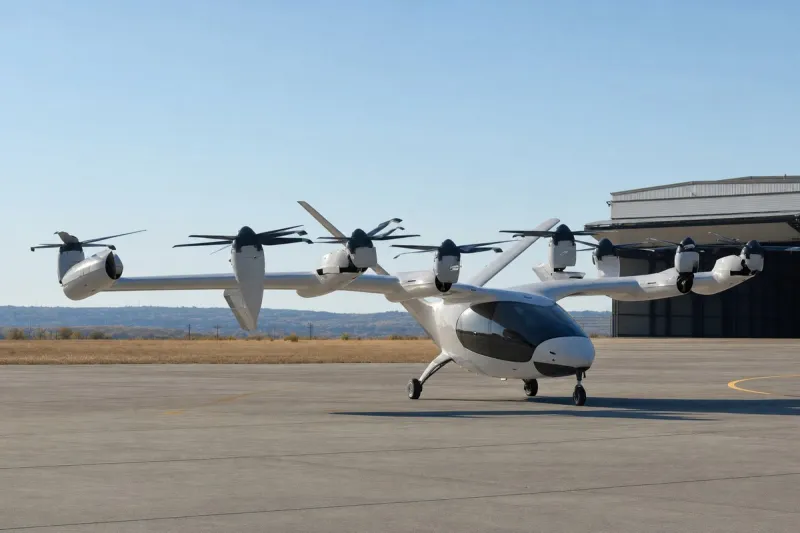
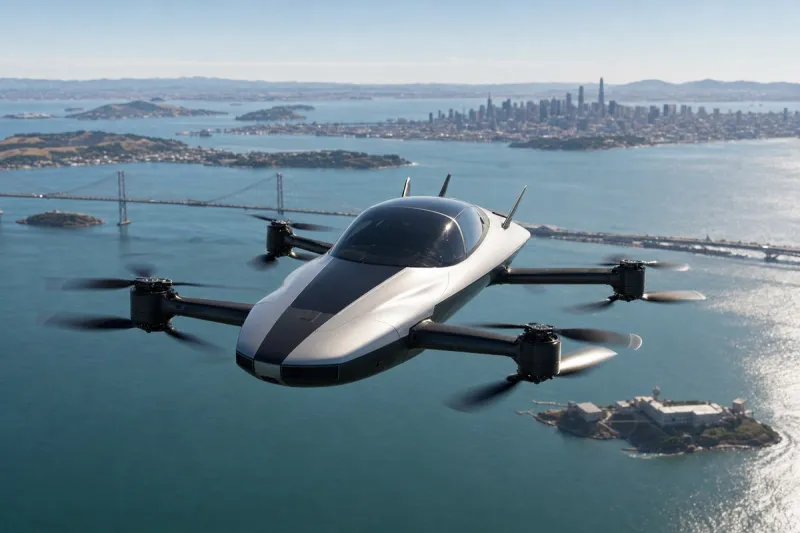
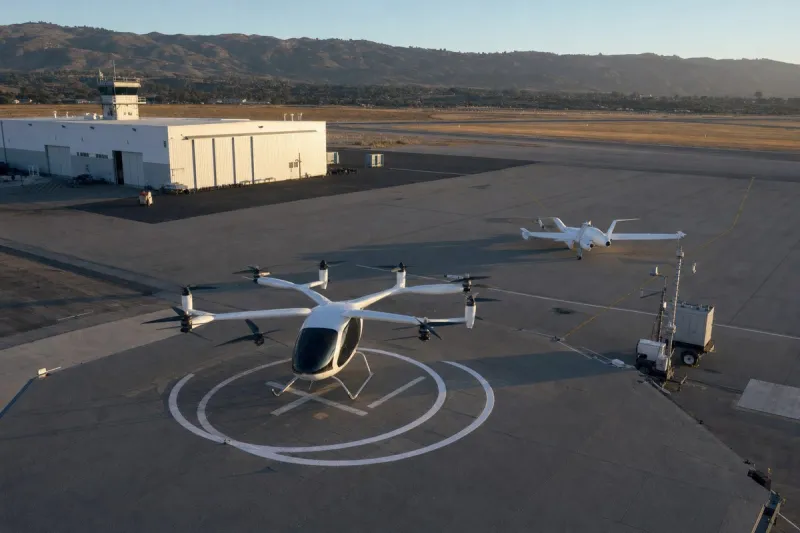
Taiwan's transportation ministry has set out how it would regulate flying cars, responding to Tesla's unveiling of a model equipped with air thrusters.
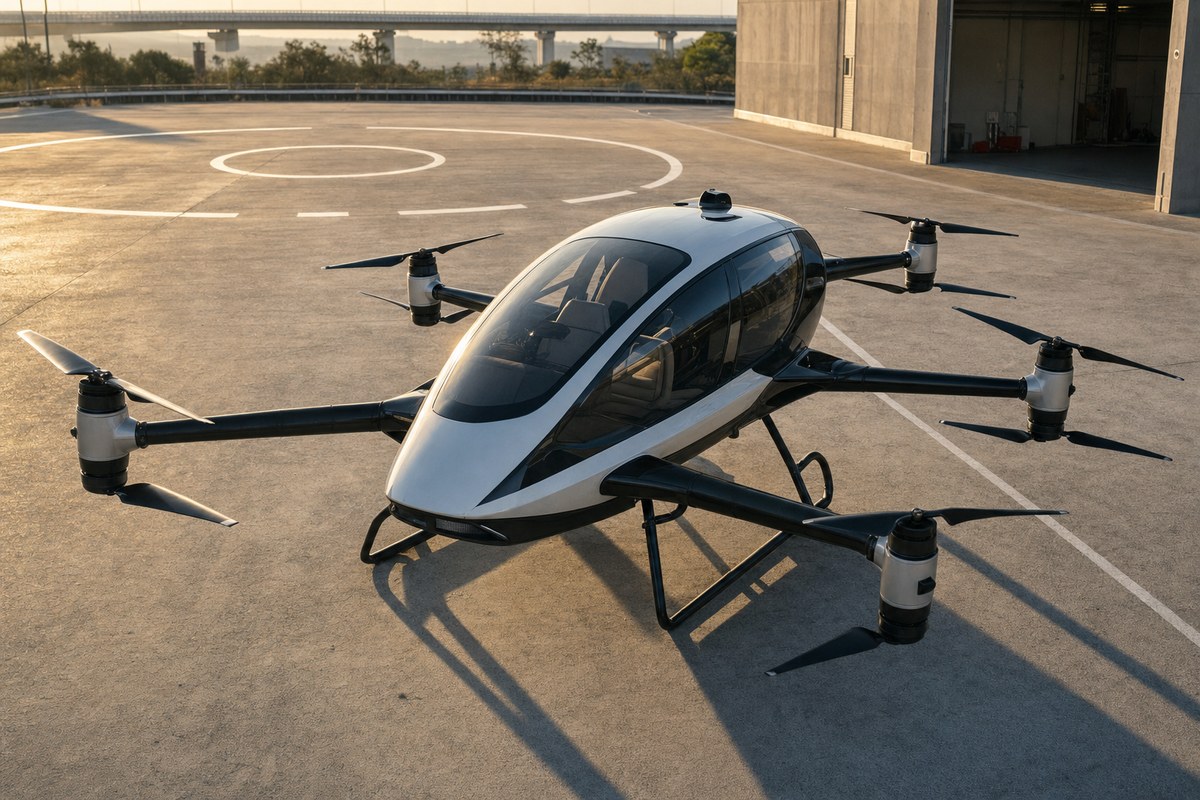
Officials said any vehicle designed to leave the ground would have to comply with both road traffic regulations and civil aviation rules. In practice, the ministry said, that means drivers of such vehicles would also need a pilot's license.
The ministry added that, given airspace congestion and safety concerns, any flying cars would face high barriers to entering the market.
Industry impact & what to watch
A vehicle that is both a car and an aircraft belongs to two regulatory regimes at once, and Taiwan's position shows how that plays out: the operator needs road credentials and a pilot's license, and the vehicle must satisfy road traffic and civil aviation requirements together. For manufacturers, certification effort is therefore additive, not a choice between a road path and an air path.
The ministry's stated concerns, airspace congestion and safety, point at the practical limit on the segment. Even a vehicle that qualifies on paper still has to find usable airspace, which makes access to that airspace as decisive for market entry as the vehicle itself.
The next signal would be any formal rule text or certification pathway the ministry publishes for vehicles of this type; the ministry has so far described the principle, and a published framework would show how strict the entry barriers it mentions are in practice.