Concorde's Drooping Nose Is Unlikely to Be Repeated as Modern Supersonic Designs Use Cameras and Displays Instead
Why It MattersCameras and displays are replacing heavy mechanical visibility structures on new supersonic designs, cutting weight and maintenance burden and reshaping how such aircraft are certified and operated.
Concorde's articulating nose was needed because its slender delta wing relies on vortex lift rather than conventional flaps or slats, which demanded a very high nose-up attitude on takeoff and final approach. A fixed, pointed supersonic nose cone would have blocked the crew's view of the runway during low-speed flight. Engineers at Marshall of Cambridge developed a nose and thermal visor assembly hinged to the forward pressure bulkhead, operating in four configurations: nose and visor up for cruise and parking, and visor down with nose up for ground pushback, with further settings for lowering the nose.
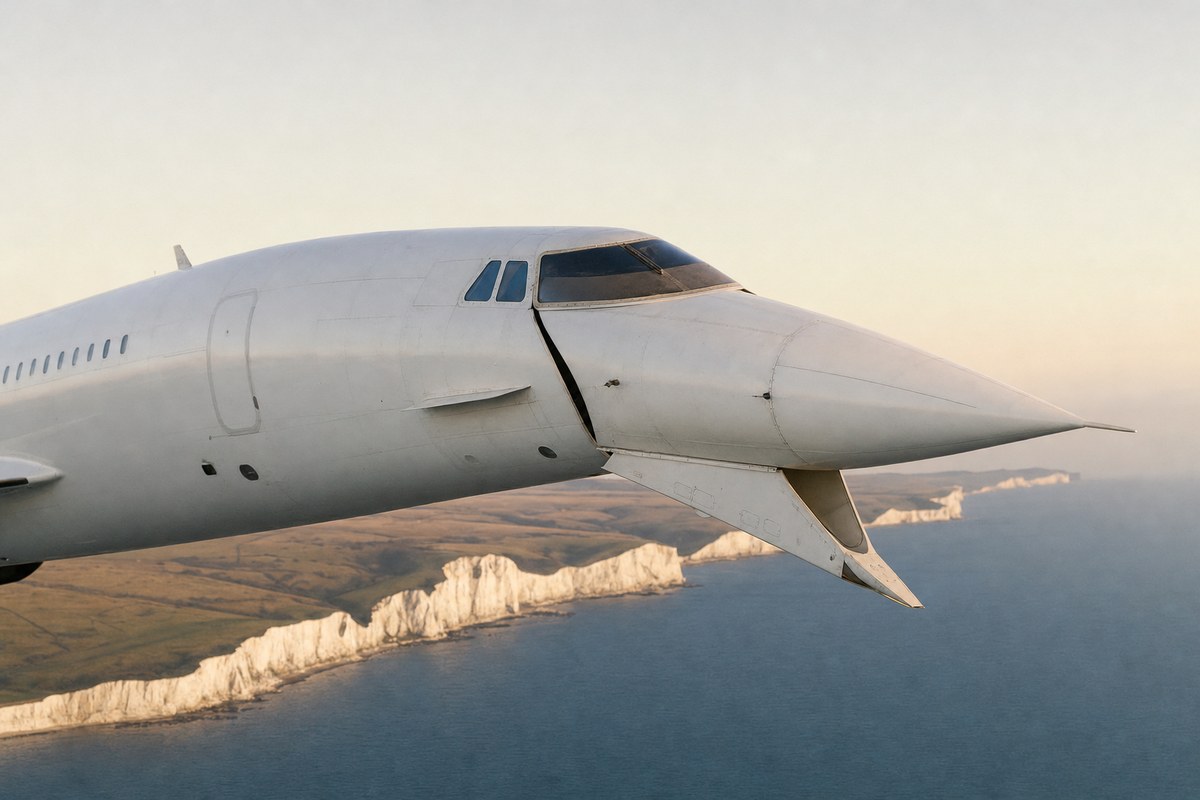
The system carried penalties. It required a structural break in the forward fuselage, with heavy reinforcement around the hinge points to withstand forces at Mach 2.02. Operation relied on selector valves, mechanical uplocks and hydraulic actuators pressurized to 3,000 psi (206.8 bar), using a main green circuit and a standby yellow circuit, with a manual free-fall mechanism if both failed. At cruise speed, nose temperatures rose above 260°F (127°C), requiring electrical de-icing and structural cooling.
Modern certification rules penalize complex articulating load-bearing structures and demand extensive bird-strike and pressurization testing, while airlines need high utilization and low maintenance, which makes a movable nose impractical today. Removing such a system can trim more than 2,000 pounds (907 kilograms) and allow more paying passengers.
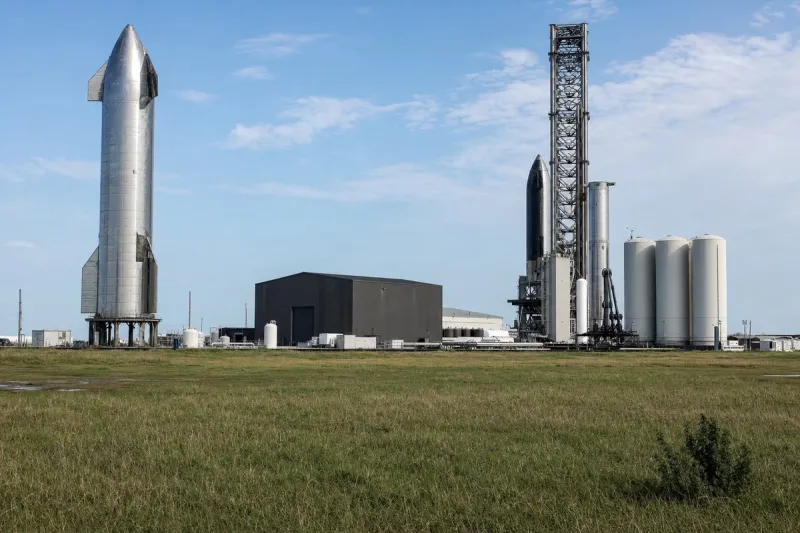
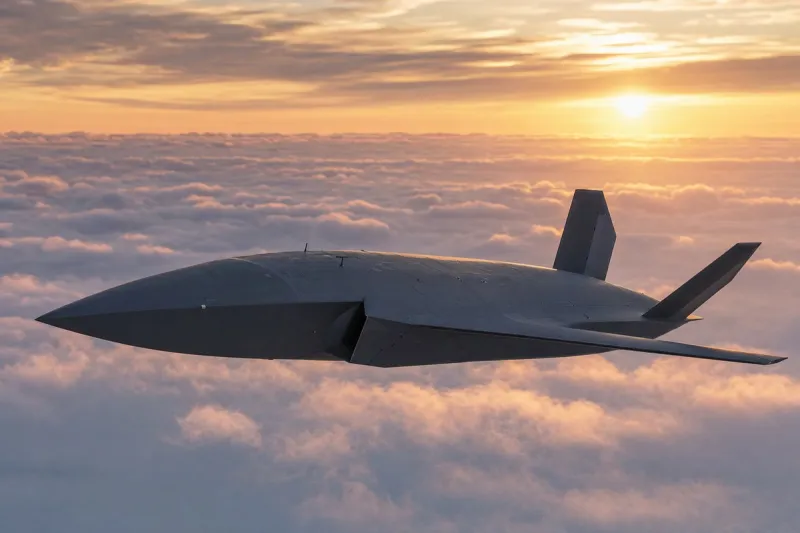
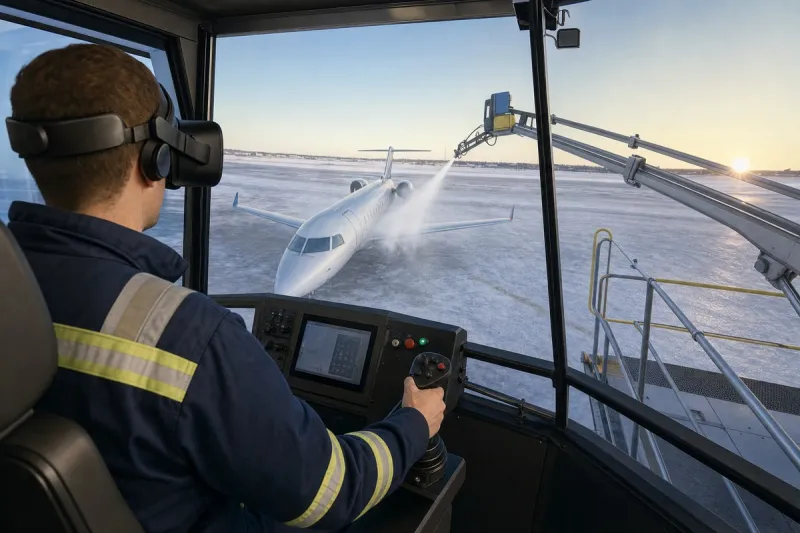
Current projects use optoelectronics instead. Boom Supersonic's XB-1 demonstrator and planned Overture airliner replace the movable nose with a flight vision system, with nose-mounted cameras feeding real-time high-resolution footage to augmented reality displays worn by the crew. NASA's experimental X-59 quiet supersonic research aircraft eliminates the front windshield entirely and uses the eXternal Visibility System, a forward-facing 4K camera feeding an ultra-high-definition display in front of the pilots, combined with terrain databases to preserve situational awareness.