Analysis: Boom Supersonic's Overture Could Make Supersonic Flights More Affordable Than Concorde
Why It MattersSupersonic revival hinges less on the technology than on whether a larger premium market and lower operating costs can sustain fares and airline orders where Concorde's narrow route set could not.
What happened
More than two decades after Concorde's withdrawal ended commercial supersonic services, Boom Supersonic is advancing design and flight testing of a successor. The company built a smaller test aircraft, the XB-1, which achieved supersonic flight 12 months ago, reaching Mach 1.122, or 12.2% faster than the speed of sound.
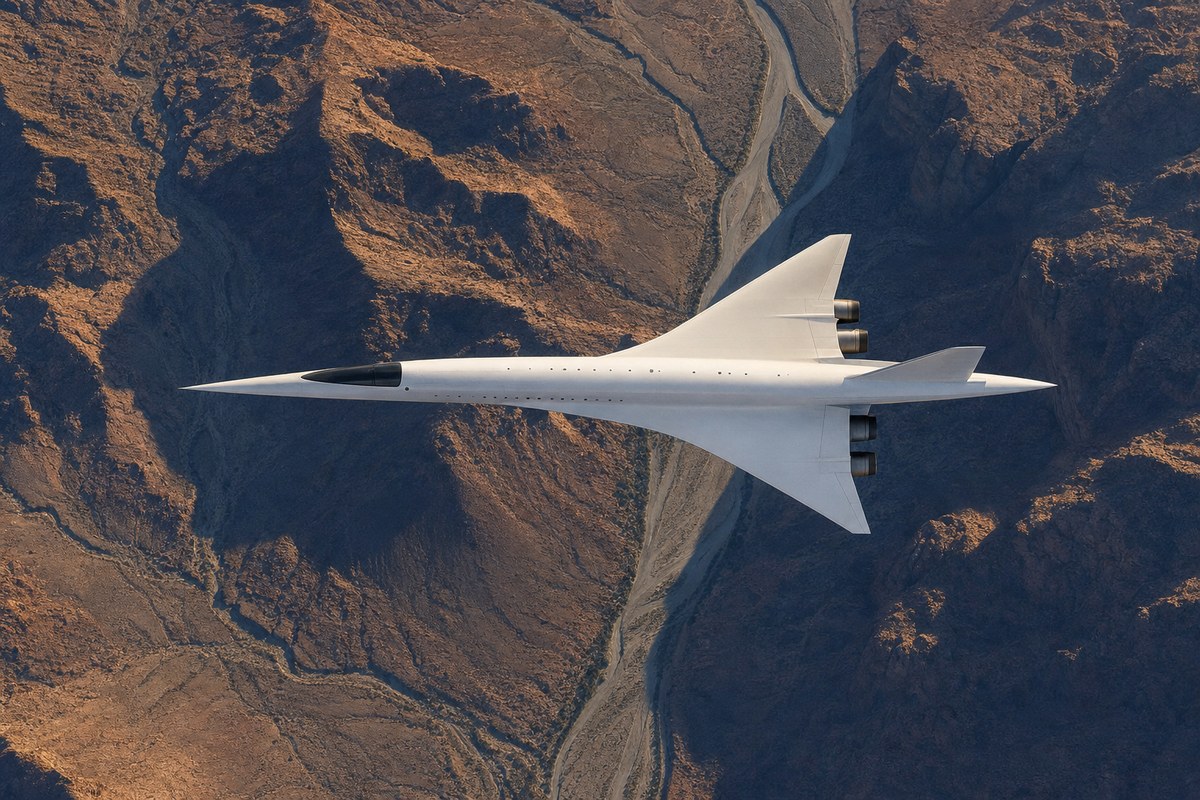
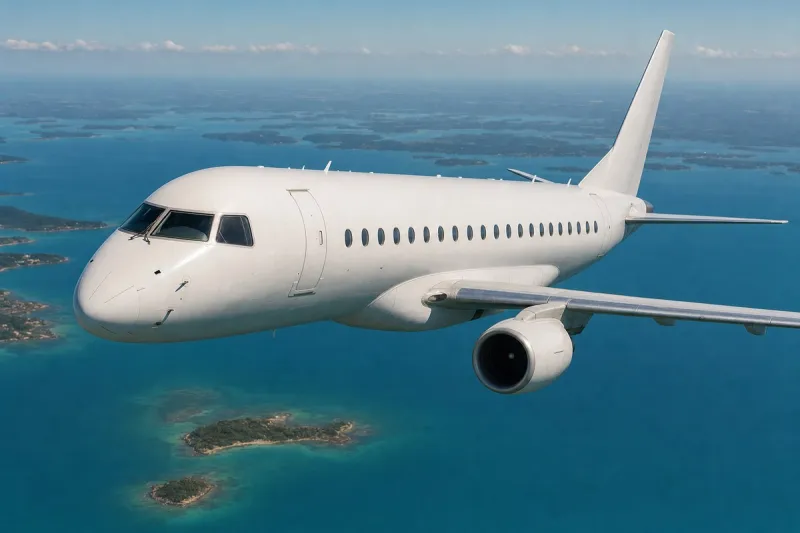
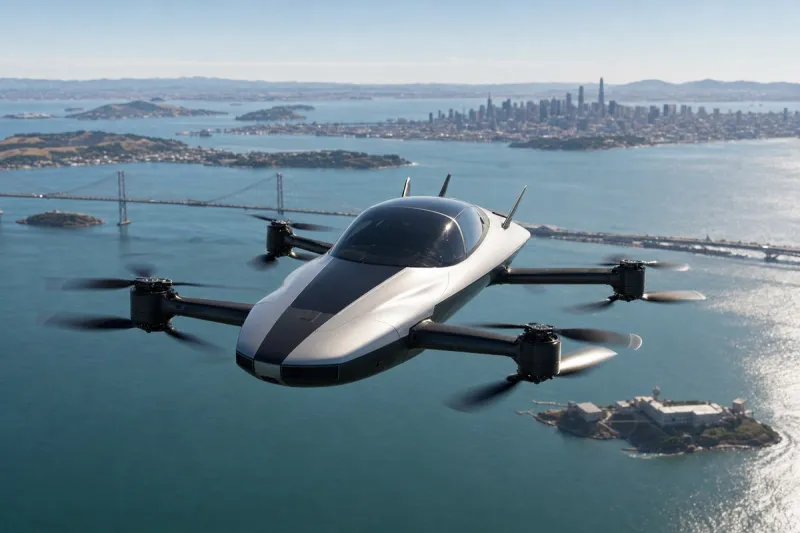
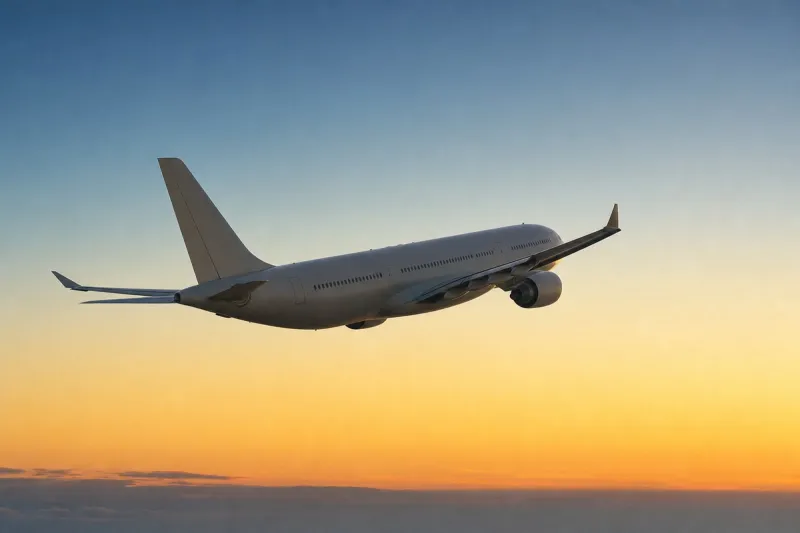
Boom's Overture airliner is being designed from the outset to operate on 100% SAF, using the latest generation of materials, composites and technology. Overture is planned to carry 60-80 passengers over a range of 4,250 NM (7,871 km). It is expected to cruise at around Mach 1.7 at 60,000 feet, against Concorde's cruise at speeds exceeding Mach 2 at the same altitude.
Boom's 'boomless' cruise prevents sonic boom sound waves from reaching the ground, which would allow Overture to fly up to 50% faster than commercial aircraft over land and twice as fast over water. Boom claims the aircraft can operate profitably on over 600 routes, whereas Concorde, limited by market demand, had very few profitable routes.
Overture currently holds options and pre-orders for 130 aircraft from United Airlines, American Airlines and Japan Airlines, plus an undisclosed but fairly limited number of options from the US Air Force. Commercial service is expected toward the end of this decade.
Concorde entered service 50 years ago and carried 100 passengers in an all-business-class cabin, according to British Airways data. It became profitable by 1983, earning £14 million for British Airways that year and £54 million in 1987. Options for around 100 examples came from 18 airlines, but only 20 aircraft were built and just 14 flew commercially, seven each with British Airways and Air France.
Fares then and now
A fare search made earlier this year, for dates about six months out, covered the top four carriers between London Heathrow (LHR) and New York JFK. Basic premium round-trip fares came to £1,999 ($2,694) in Business and £2,741 ($3,694) in First with British Airways, £3,362 ($4,530) in Flagship Business with American Airlines, £3,361 ($4,529) in Upper Class with Virgin Atlantic, and £6,678 ($9,000) in Delta One with Delta Air Lines.
Fares in these cabins can change, sometimes drastically, depending on how far ahead they are searched, seasonality, fare brackets within premium cabins and market shocks. High operating costs, operational restrictions and the economic conditions of Concorde's era resulted in high fares then.
Industry impact & what to watch
Concorde flew in a much smaller air-travel market, when supersonic travel was exclusive to the upper echelons of a small part of society. Passenger numbers are now at all-time highs, and flyers, especially in the post-pandemic recovery, have tended to spend more on premium cabins. A supersonic product that halves the time between destinations targets the one thing business travellers consistently value, which is saving time.
The cost side matters as much as demand. Lighter modern materials and composites, engines built with today's technology to cut fuel burn and carbon-emission-related expenses, and modern communication and navigation infrastructure for more efficient routing all point to lower operating costs than Concorde's. If those savings are realised, carriers gain room to push fares down and open supersonic travel to a larger part of the flying public. That is conditional on Boom continuing testing, successfully developing Overture and getting it certified.
The open question is airline appetite. Concorde drew options for around 100 aircraft yet only 20 were built, so interest on paper did not translate into a fleet. Overture's 130 options and pre-orders will have to convert into firm demand, and the slower Mach 1.7 cruise and the 60-80 seat cabin will be tested against the 600-route profitability claim as end-of-decade service approaches.