US Private Flight Costs in 2026 Range From a Few Thousand to Over $100,000, Depending on Aircraft and Booking Model
Why It MattersPrivate flight pricing is set as much by booking structure and fuel exposure as by aircraft size, which is why surcharges and repositioning terms now decide the true cost of a trip.
What happened
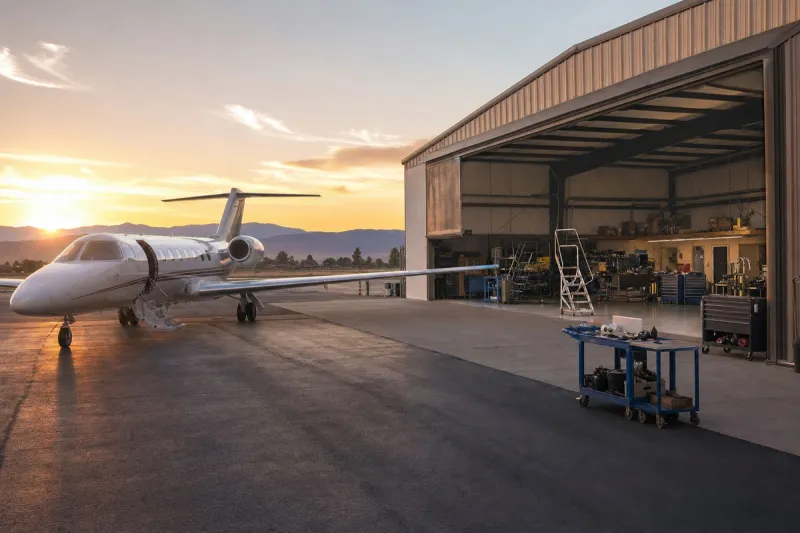
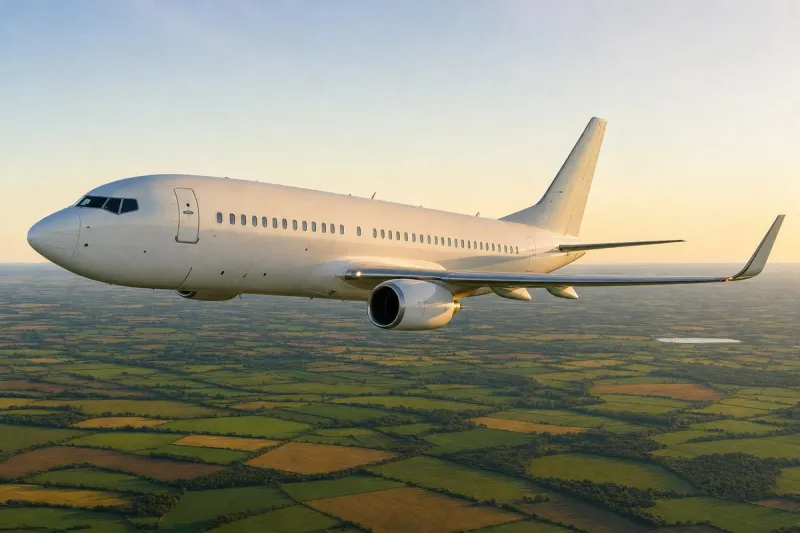
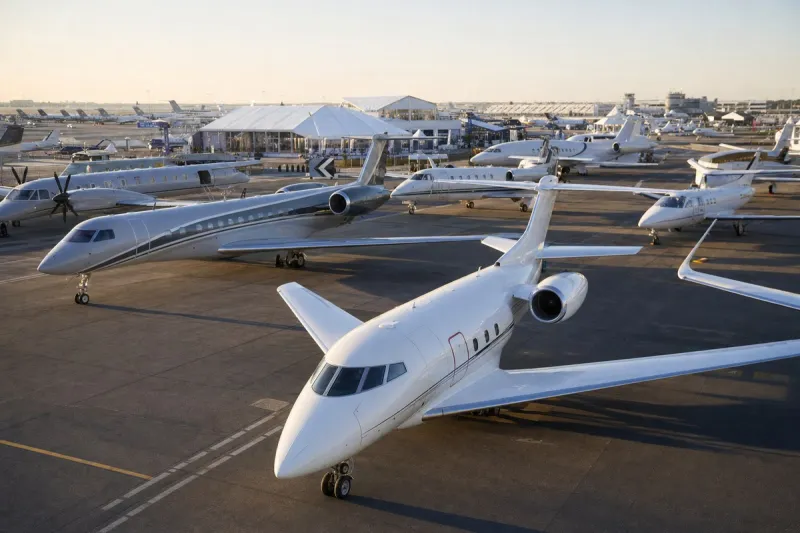
Flying private in the US in 2026 costs anywhere from a few thousand dollars for a short turboprop trip to well over $100,000 for a long trip on a large business jet. The booking model matters as much as aircraft size.
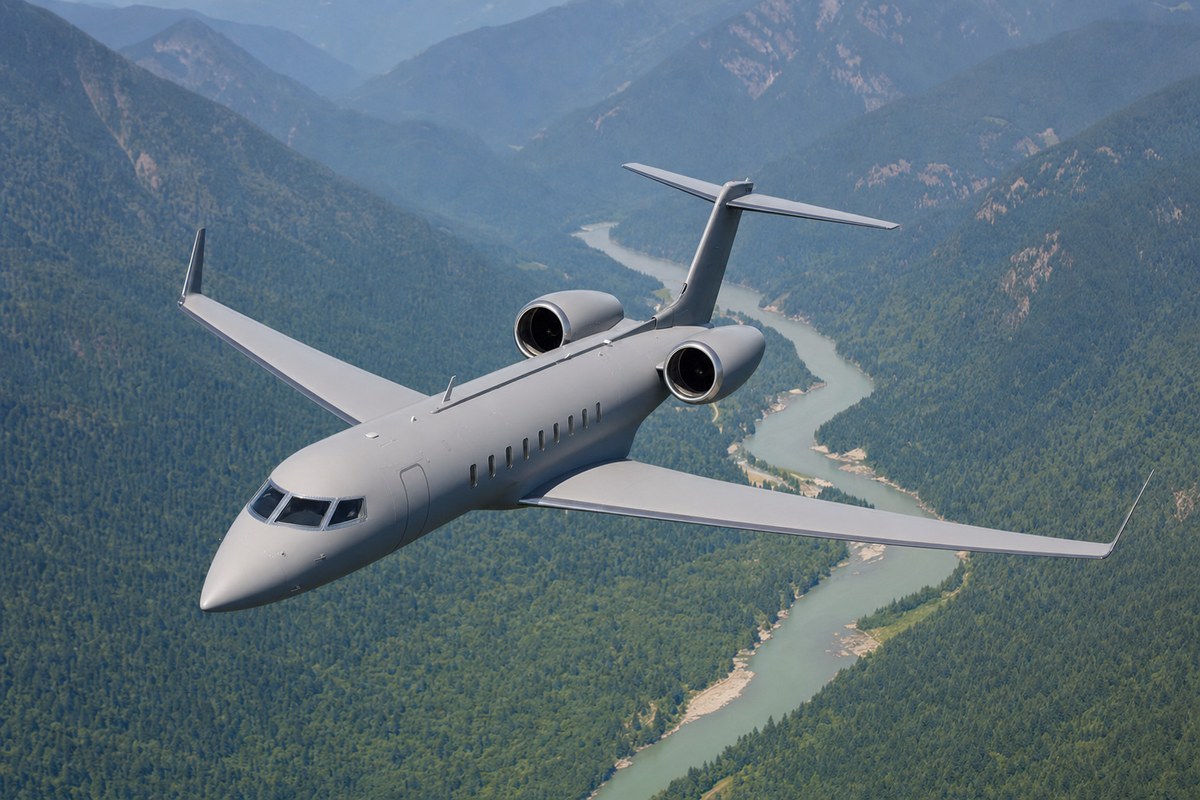
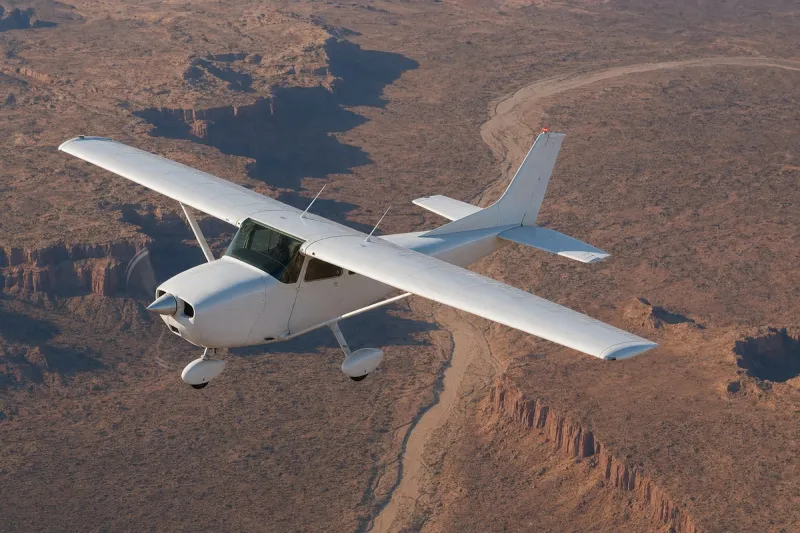
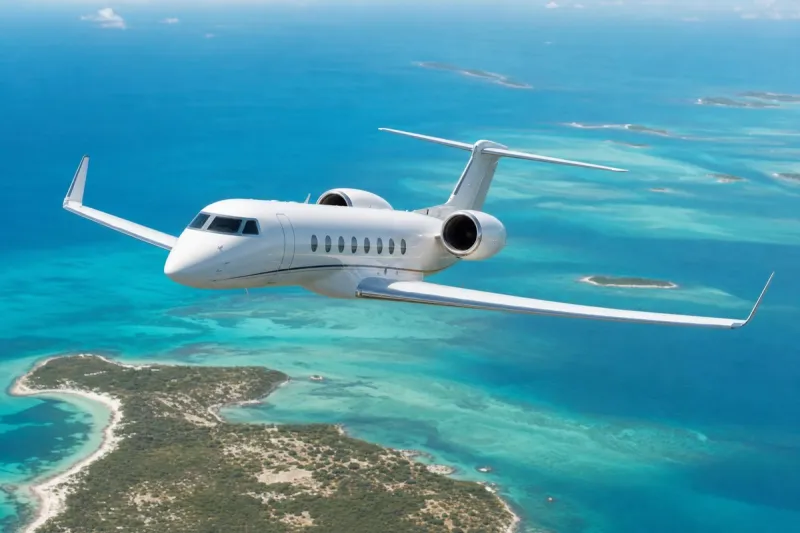
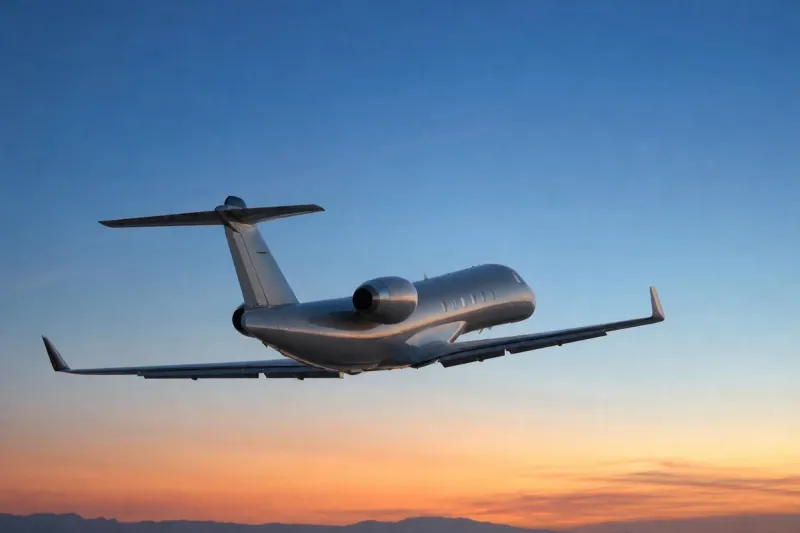
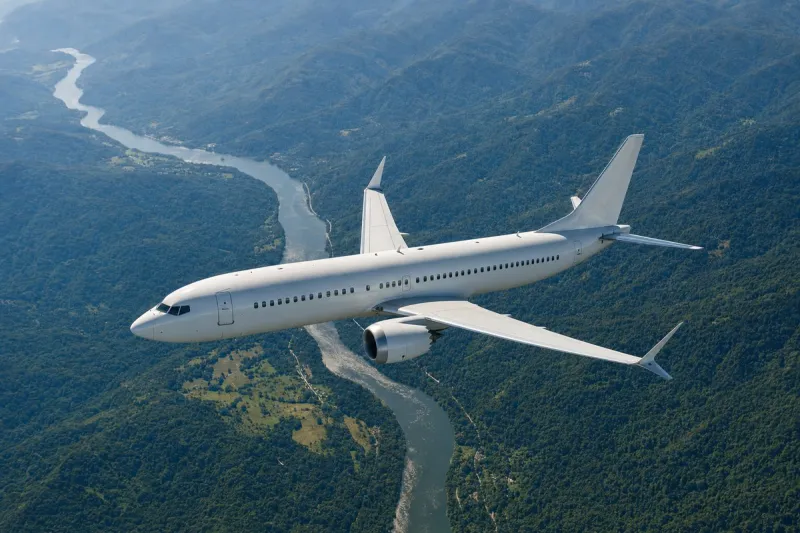
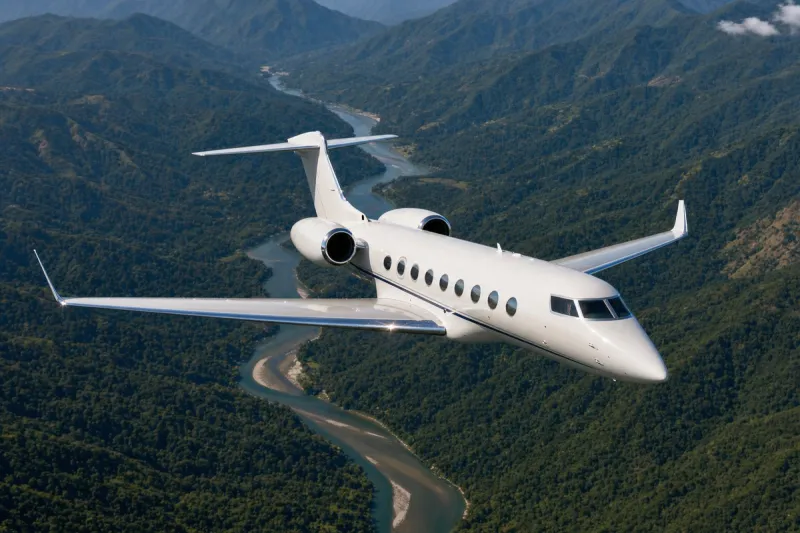
Using BLADE's benchmark charter rates per flight hour, a turboprop runs $1,800 to $2,500, a light jet $2,600 to $3,500, a midsize jet $3,500 to $5,500, a super midsize jet $5,000 to $8,000, and a heavy or large jet $8,000 to $14,000. BLADE says most operators flying under Part 135 bill from wheels up to wheels down, and it puts total costs at 20% to 40% above the base hourly rate.
On-demand charter requires no upfront capital, but a solo one-way trip can incur repositioning fees for the empty return flight. A jet card program requires a prepaid deposit of $100,000 to $300,000 to lock in an hourly rate, eliminates one-way repositioning fees within the primary service area, and typically enforces a daily flight minimum of 1.0 to 1.5 hours, so a 45-minute hop is billed at 90 minutes. Fractional ownership demands hundreds of thousands of dollars in ongoing fees and lowers the hourly rate, but the owner carries the risk of asset depreciation.
For a one-way New York to Los Angeles flight of 2,475 miles (3,983 km), a turboprop would need one or two fuel stops and take roughly nine to ten hours, while a midsize or super-midsize jet takes five and a half to six hours nonstop. On-demand quotes are $30,000 to $40,000 for a turboprop and $38,000 to $55,000 for a jet; a jet card on a jet is $44,000 to $60,000, and most jet card programs will not allow a turboprop on a coast-to-coast trip.
Fuel as the swing factor
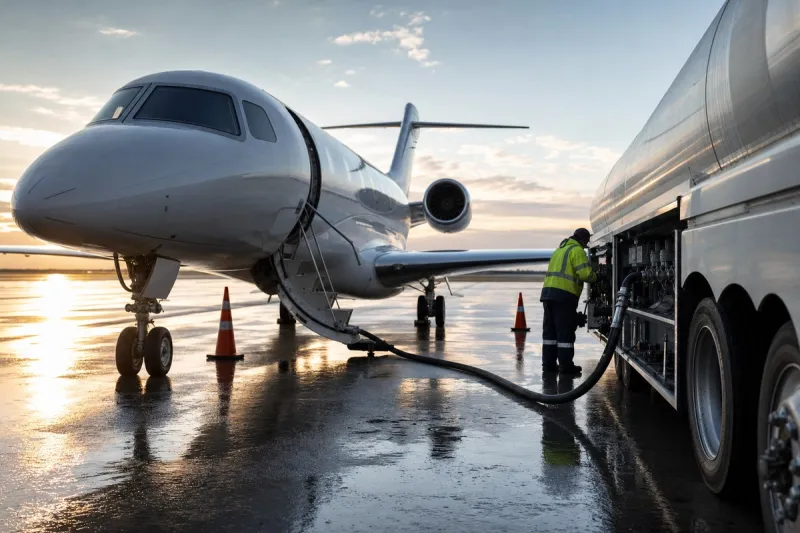
Charter broker Private Jet Consultants wrote in September that jet fuel traded near $85 to $90 a barrel before the Middle East conflict began on February 28, spiked to $150 to $200 within weeks, eased to about $117 in late June, and climbed back to roughly $159 by mid-August.
Summer quotes ran 15% to 20% above previous baselines, largely through surcharges, and a standard light jet burns roughly 187 gallons (708 liters) per hour. Global private aviation demand rose 4.7% year over year, according to Forbes.
Industry impact & what to watch
The spread between a few thousand dollars and six figures is only partly a function of aircraft class. Booking structure moves the final bill just as much: empty-leg repositioning on one-way charters, daily minimums on jet cards, and the hourly-rate discount that fractional owners buy with large ongoing fees. A trip priced on the headline hourly rate alone will miss the 20% to 40% that BLADE says sits on top of it.
Fuel exposure now sits in the pricing stack alongside those structural terms. With crude moving between $85 and $200 a barrel inside a single year, surcharges did much of the work that base rates once did, and programs that lock an hourly rate for a deposit are in effect pricing how much fuel risk the customer or the provider carries.
The next signal is whether surcharge levels follow the mid-August fuel price near $159 or settle back toward the late-June level near $117, since that determines whether the 15% to 20% summer uplift persists in quotes.