India Plans Rs 30,000 Crore Investment in 100 New Airports Over a Decade to Expand Regional Flying
Why It MattersThe build-out shifts regional aviation from a subsidy-led experiment toward fleet and base economics, where turboprop supply, crew availability and utilisation of existing airports decide which new routes survive.
What happened
The Indian government plans to invest close to Rs 30,000 crore in developing 100 new airports over the next decade. India now has more than 150 airports, compared with around 70 a decade ago, and airlines have an order book of 1,500-2,000 aircraft, according to Cleartrip Chief Business Officer — Air, Gaurav Patwari.
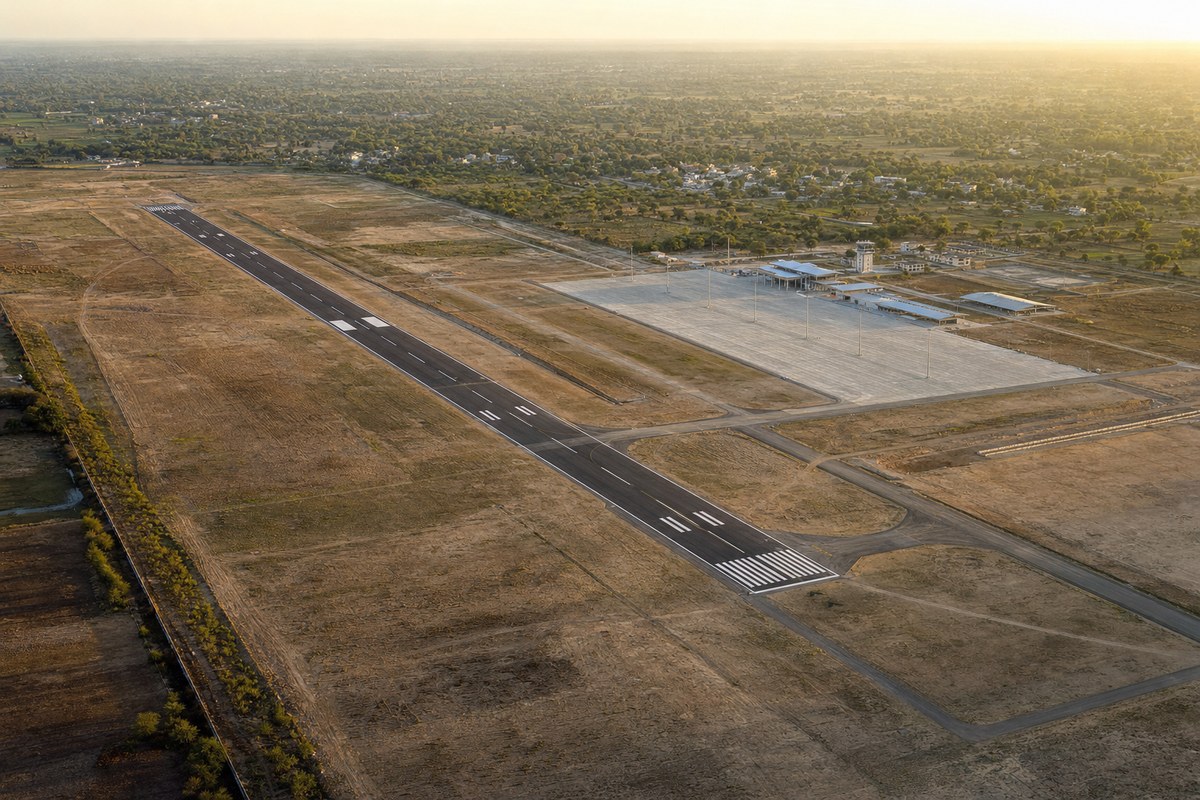
The Modified UDAN framework, with an outlay of Rs 28,840 crore, is intended to support regional air services. Darbhanga, which began commercial operations in late 2020, has become one of the busiest airports under the regional connectivity scheme.
FLY91 operates ATR 72-600 turboprops and has operated more than 15,000 flights in 2.5 years, serving 13 destinations. Its recent $1-billion order for 40 ATR 72-600 aircraft is expected to support fleet growth from six aircraft to more than 60. The airline plans bases with 5-6 aircraft each serving 8-10 cities, with Goa and Hyderabad as the first two.
ATR estimates India could add up to 300 turboprops over the next decade; around 70 ATR aircraft currently operate in India, mainly with IndiGo, Alliance Air and FLY91. Star Air CEO Captain Simran Singh Tiwana sees potential in linking emerging cities.
Demand beyond scheduled passengers
Indian Association of Tour Operators president Ravi Gosain sees scope for travel circuits across the Northeast, Central India, Odisha, Rajasthan and Uttarakhand. Cargo is cited as another source of demand, and AISATS operates domestic cargo terminals.
FAITH general secretary Rajiv Mehra cautioned against building new airports near significantly underused existing ones and stressed frequency and reliability. Some markets may need government support for 5-10 years.
Constraints include aircraft delivery timelines and shortages of pilots, engineers, crew and maintenance facilities.
Manufacturing and aircraft supply
Airbus is evaluating an ATR turboprop final assembly line in India.
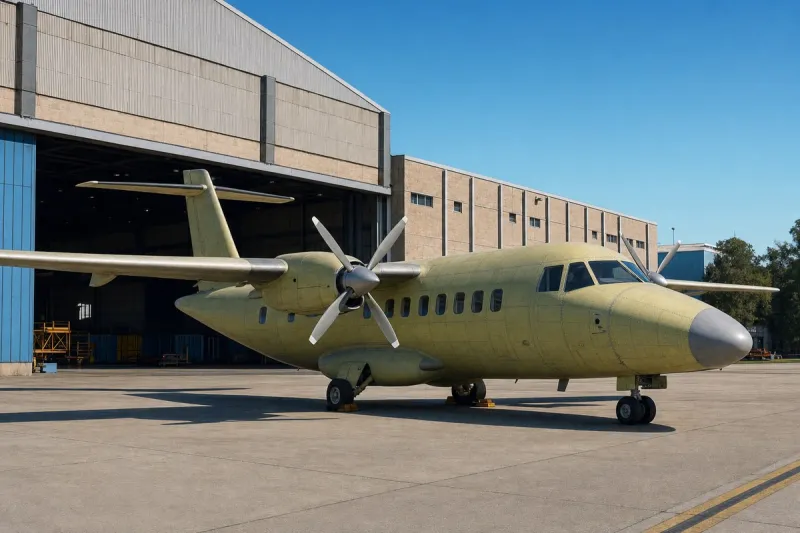
Russia's United Aircraft Corporation has signed preliminary agreements with Pinnacle Air and Sleek Aviation for 50 and 35 Il-114-300 aircraft respectively. The 85-aircraft programme is not yet backed by firm orders, with delivery schedules, maintenance terms and localisation commitments still to be finalised.
Industry impact & what to watch
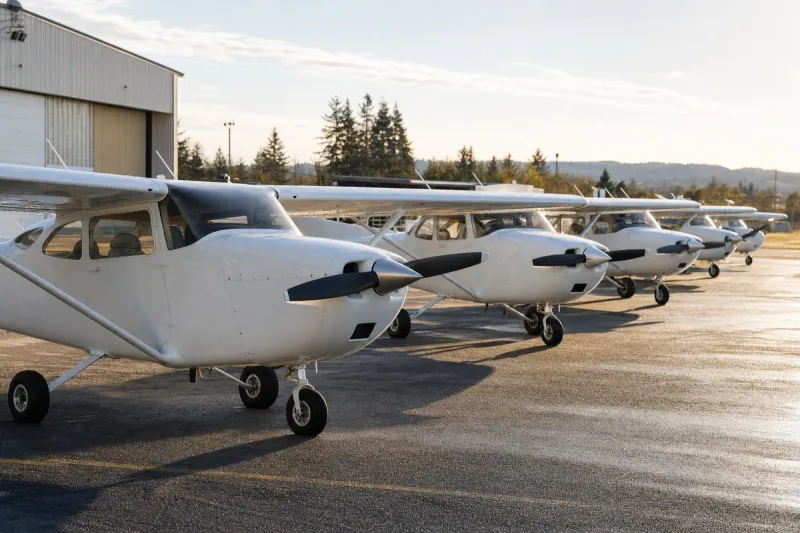
Regional networks of this kind generally succeed or fail on aircraft utilisation, not on the number of runways opened. A base model such as FLY91's, with 5-6 aircraft serving 8-10 cities, concentrates crews and maintenance in a few places, which is how turboprop operators usually keep costs workable on thin routes.
The stated need for support lasting 5-10 years in some markets, together with the warning about building near underused airports, points to a selection problem: the 100 new airports will not all reach sustainable frequency at the same pace. Pilot, engineer and maintenance capacity sets the ceiling on how fast any of them can be served.
The Il-114-300 programme is the item with a defined gap still to close: firm orders, delivery schedules, maintenance terms and localisation commitments are all still to be finalised, and any one of them settling would show whether it moves from preliminary agreements to a real supply option.