FAA Grounds All Elixir Aircraft After Fatal Accident; Earhart Lagoon Search Begins on Nikumaroro
Why It MattersRegulators here acted before any cause was known, showing that a single fatal production-flight accident can stop an entire type fleet and its manufacturer until corrective actions are approved.
What happened
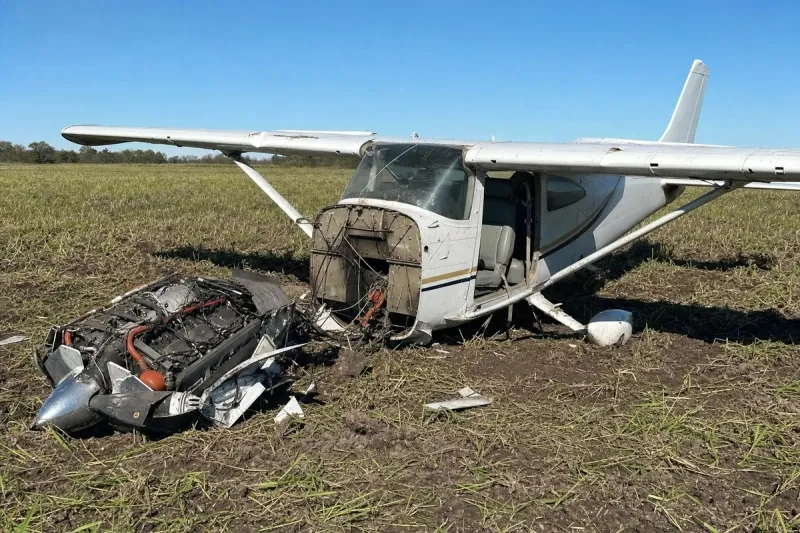
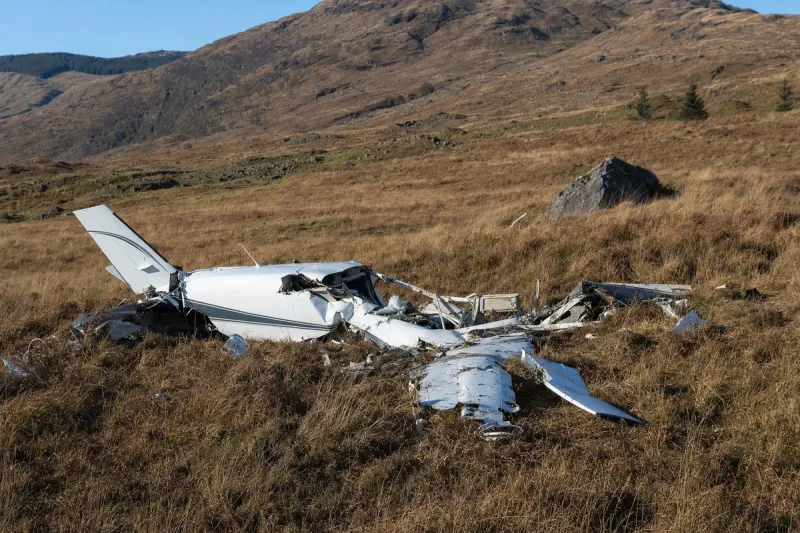
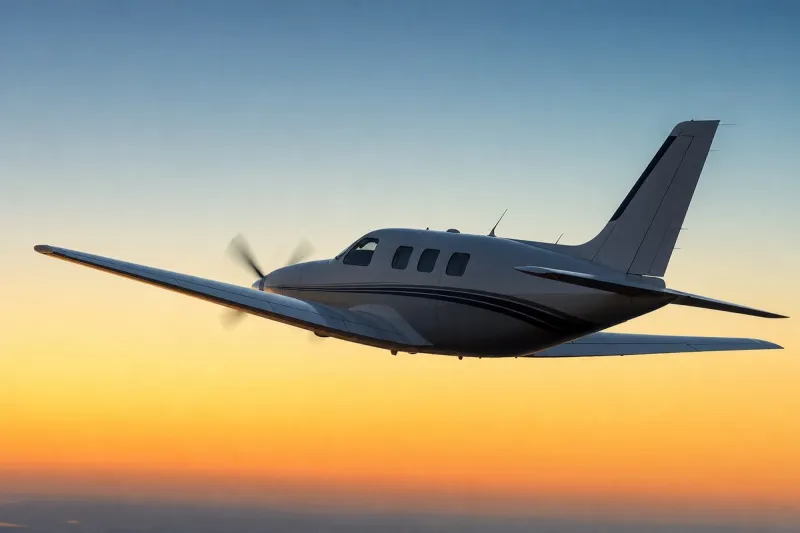
The FAA has grounded every Elixir aircraft following a fatal accident during a production flight. The cause remains under investigation, but regulators are acting before definitive answers are available.
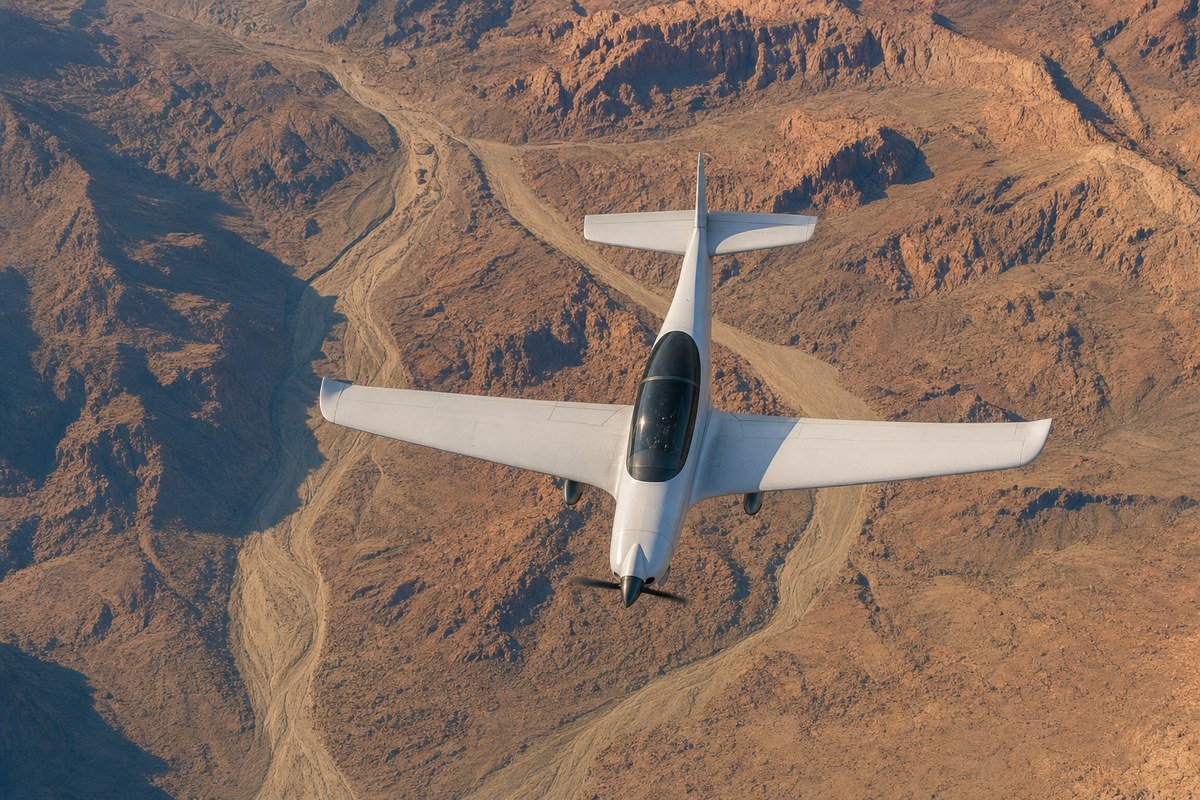
Effective October 14, 2026, FAA Airworthiness Directive 2026-21-01 prohibits further flight of all Elixir Aircraft Model Elixir airplanes until approved corrective actions have been completed. The directive places the French manufacturer's aircraft under an immediate safety restriction.
Separately, members of the Taraia Object expedition began searching Nikumaroro's lagoon on Wednesday for what could be Amelia Earhart's Lockheed Electra 10-E. On the first day of field operations, the maritime archaeology team surveyed the lagoon with a magnetometer and side-scan sonar. The magnetometer detects ferrous metals, such as steel cabling and other metal components from the largely aluminum Electra, while the sonar is used to search for objects beneath sediment on the lagoon floor.
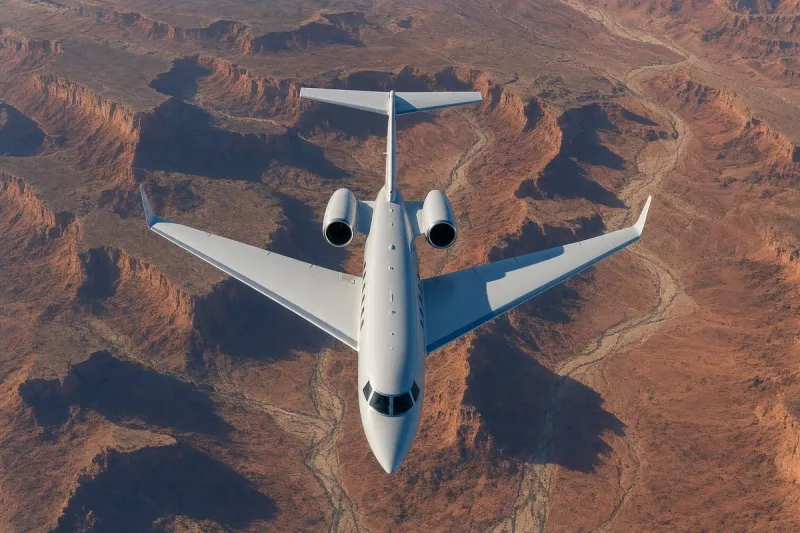
Also, for the first time, members of the general public who are not part of Disney's official D23 fan organization can experience the interior of Disney's last personal aircraft, a restored Gulfstream, during a series of exclusive events at the Palm Springs Air Museum in California.
Industry impact & what to watch
An airworthiness directive that prohibits flight for an entire type, issued while the accident investigation is still open, shows how regulators treat a fatal event on a production flight: the restriction comes first and the explanation later. For a manufacturer, that sequence means the whole fleet is held on the ground until corrective actions are approved, regardless of how many aircraft were involved in the event.
The cause of the accident has not been determined, so the nature of the corrective actions the directive refers to is not yet known. Those actions, and their approval, are what will end the restriction. Any statement from investigators on cause would be the next development that sharpens the picture for owners and operators of the type.