Sherpa Air MRO Becomes Authorised Starlink Aviation Dealer and Installer
Why It MattersConnectivity installation capacity is becoming its own service line inside maintenance shops, even as Starlink's doubled aviation plan price sets the cost operators carry once an aircraft is back in service.
What happened
Sherpa Air MRO has been authorised as a Starlink Aviation dealer and installer. The company said it is prioritising dedicated Starlink installations and "rapid-turn" schedules of a few weeks, designed to minimise aircraft downtime.

Paul Handakas, president of Sherpa Air, said: "Starlink is the standard for aviation connectivity. The question for operators isn't whether they want it—it's how quickly they can get it installed." He added that the company is creating dedicated capacity and focusing its operation on rapid turnaround.
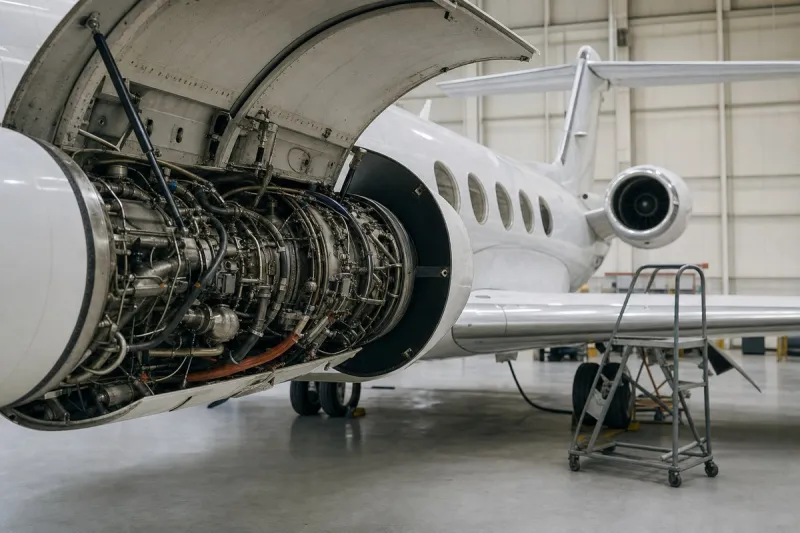
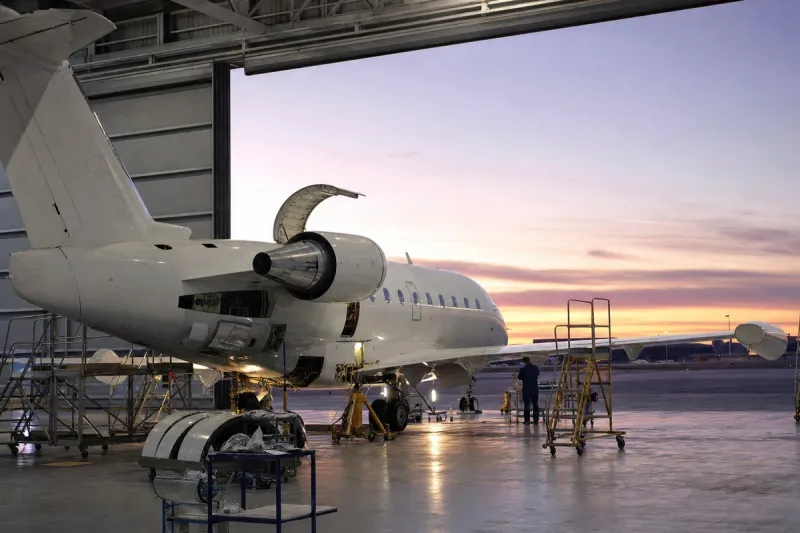
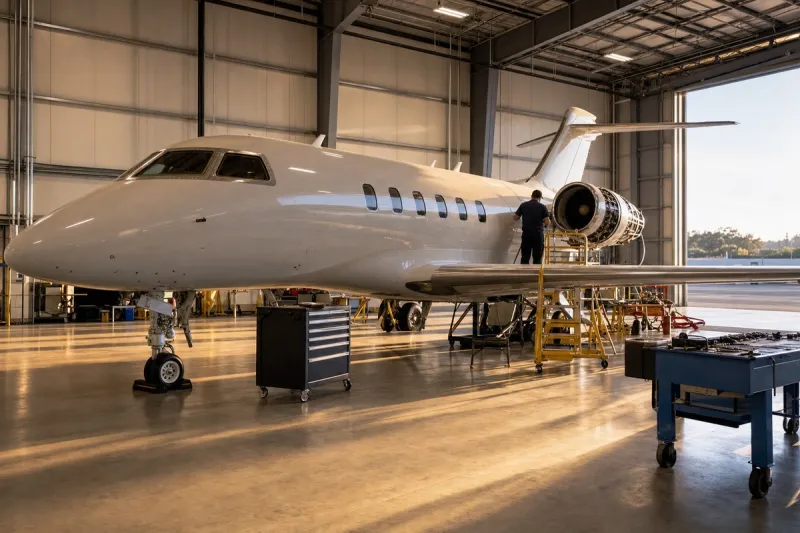
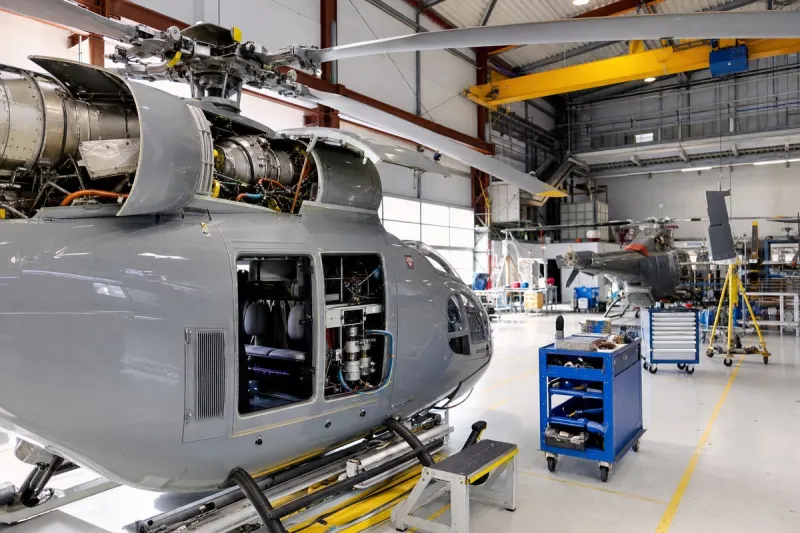
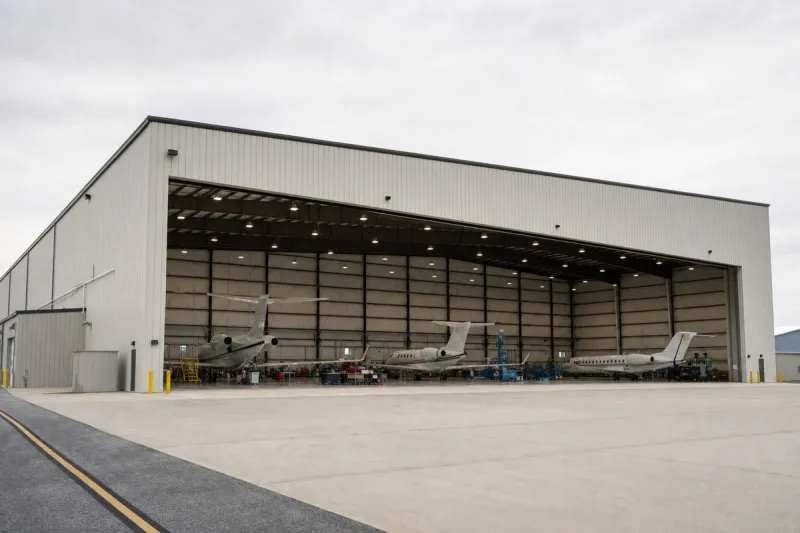
Through its FAA-certificated Part 145 repair station in Georgetown, South Carolina, Sherpa Air will support Starlink installations on eligible aircraft using approved STCs and installation data. Operators already planning scheduled maintenance can have the installation integrated with inspections, avionics upgrades, modifications and other maintenance requirements, or they can book a dedicated installation with minimum downtime. The company described the dealer status as another step in expanding its maintenance and modification capabilities.
Pricing backdrop
Starlink raised its business aviation prices in early August, replacing its $10,000-a-month "Unlimited Plan" with a $20,000 "Aviation Global Unlimited Plan". The new plan offers download speeds of up to 1Gbps with a Starlink performance antenna, or 500Mbps with earlier-generation antennae.
The increase has drawn criticism from industry leaders. NJ Correnti, founder and CEO of NICHOLAS AIR, said the rise "lacks any reasonable ethical process" and could be considered "reckless".
Industry impact & what to watch
Dealer and installer authorisations like this one spread the physical work of fitting Starlink across independent repair stations. For an operator, the installation slot is a scarce resource alongside the hardware itself, and a shop that can fold the work into a scheduled inspection or avionics visit saves a separate trip out of service.
The monthly service price now sits against that. With the plan at $20,000 a month, the case for retrofitting rests on how heavily an aircraft is used and how much its passengers depend on connectivity. Aircraft type, antenna generation and the STC data a shop holds all determine whether an installation is feasible and which speed tier it delivers, so those three points need checking together before a slot is booked.
The next fact worth watching is how many eligible aircraft types Sherpa Air lists under the approved STCs it will use, since that sets how much of the installed fleet the new capacity can actually serve.