Private Aviation CEOs Say Time and Schedule Control Drive Demand as U.S. Airfares Climb
Why It MattersRising airline fares and holiday congestion are widening the gap that on-demand, jet card and fractional products fill, while regional short-haul charter by small jets is emerging as a distinct entry tier.
What happened
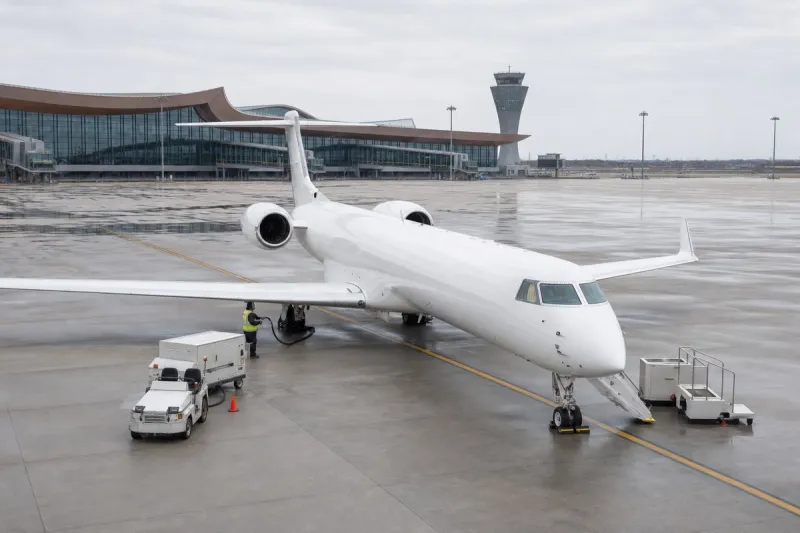
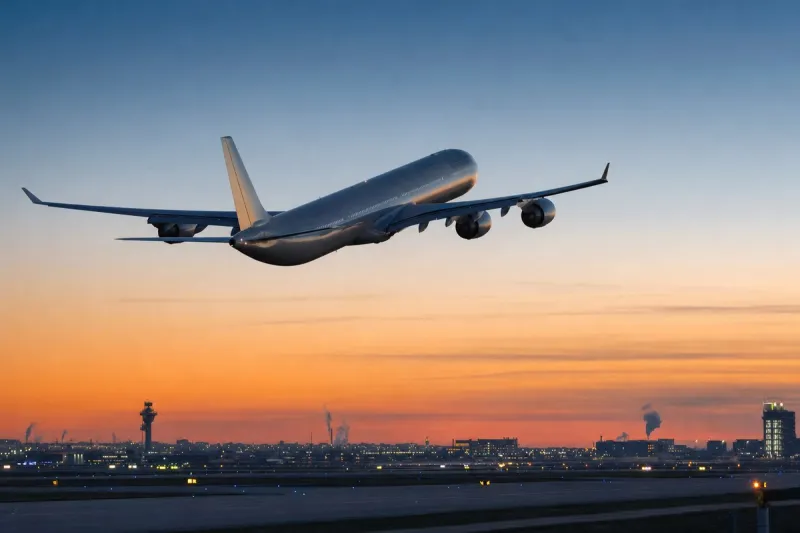
Two private aviation chief executives told an interviewer that demand for private jet travel is growing as commercial flying becomes costlier and more congested. NerdWallet's Travel Price Index puts average U.S. travel costs 9% higher than a year ago, driven largely by a 22.4% jump in airfares. Business Traveller expects the 2026 holiday season to be one of the most challenging for travelers since the height of the pandemic.
Late December typically sees airline capacity rise about 4% while passenger volume climbs 11%, based on 2025 Cirium and IATA data. On the private side, the global business jet market is projected to reach $83.4 billion in 2026 and $113.4 billion by 2030, a 7.9% compound annual growth rate. In North America, fractional flying rose 12.5% year over year and private jet departures are up 5.2%, with California, Texas and Florida among the states with the biggest increases, according to WingX.
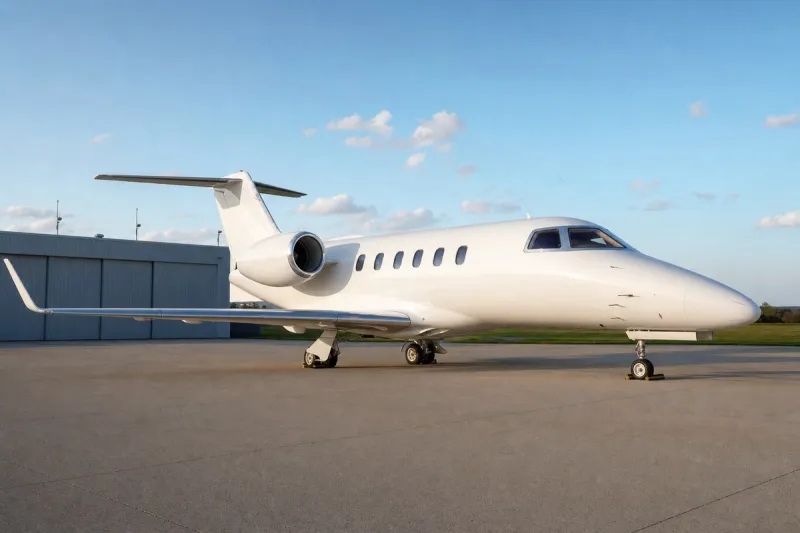
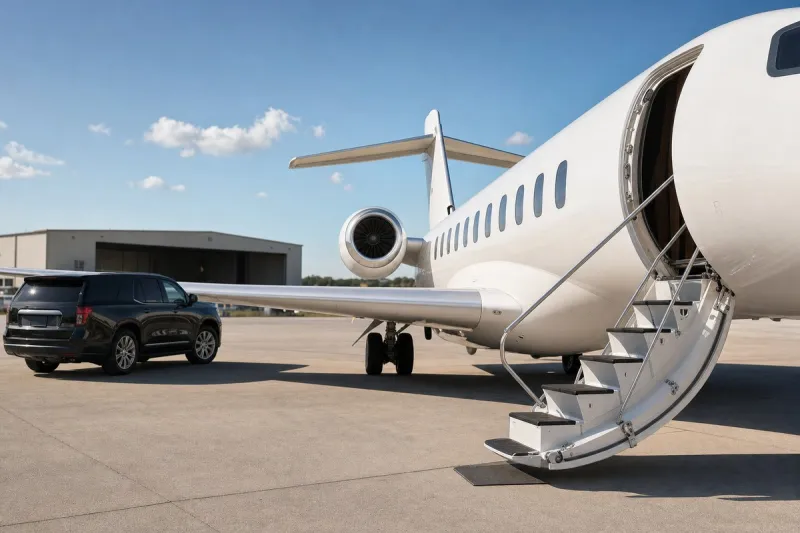
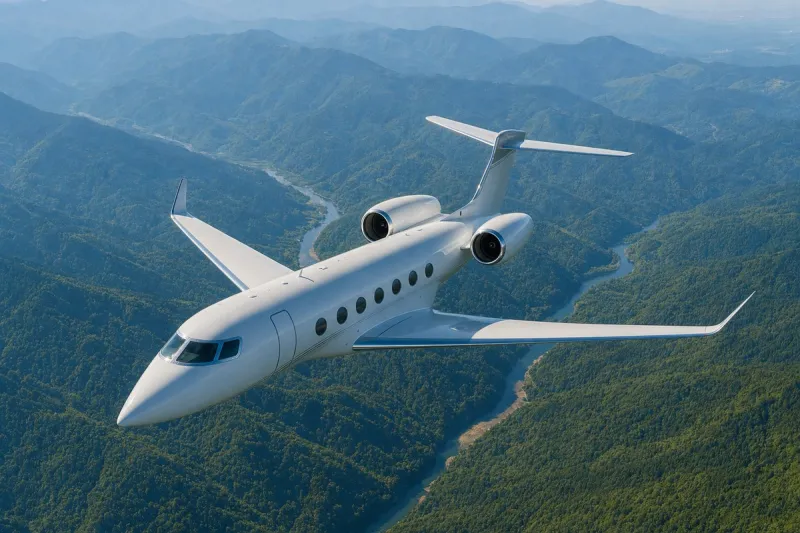
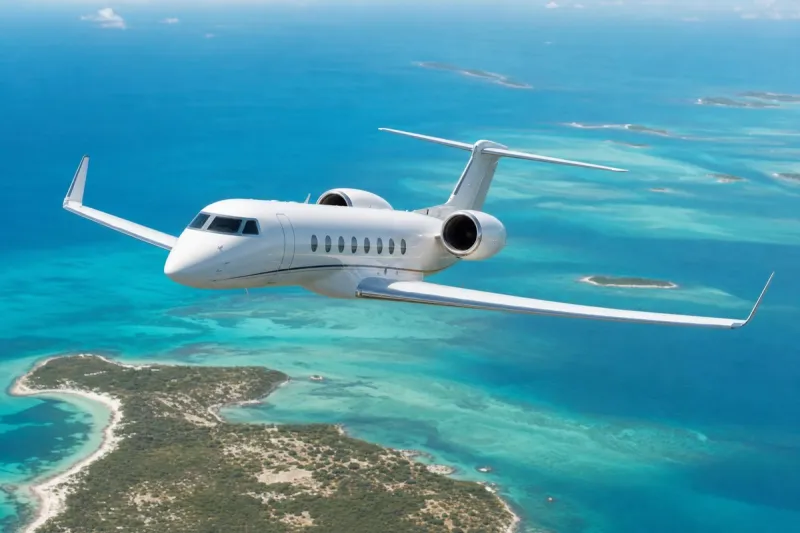
Barry Shevlin, CEO of FlyUSA, said private flying suits people who value their time and want control of their schedule. He said it does not eliminate non-weather delays on congested days such as the day before Thanksgiving, though planning can reduce the risk. Booking two to three weeks ahead typically brings better pricing and availability, he said, and last-minute booking works but can cost more. His rule of thumb: on-demand charter for two or three flights a year, a jet card beyond three, and fractional ownership for those flying 50 hours or more a year.
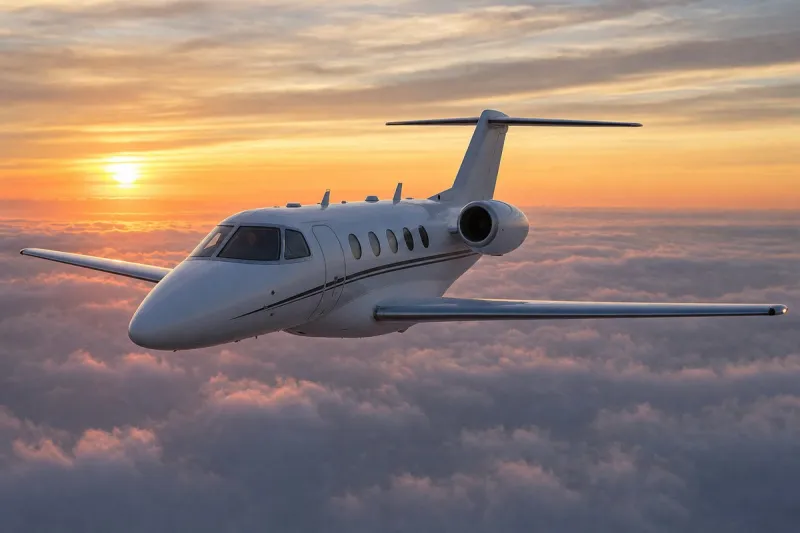
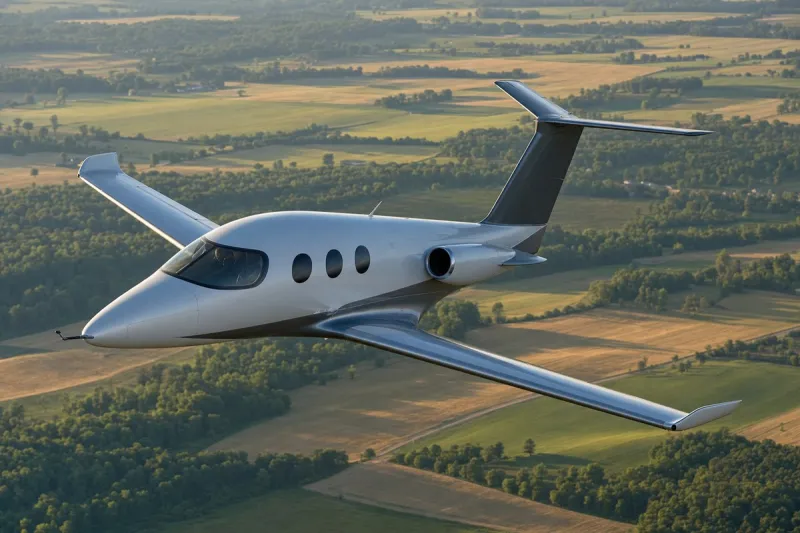
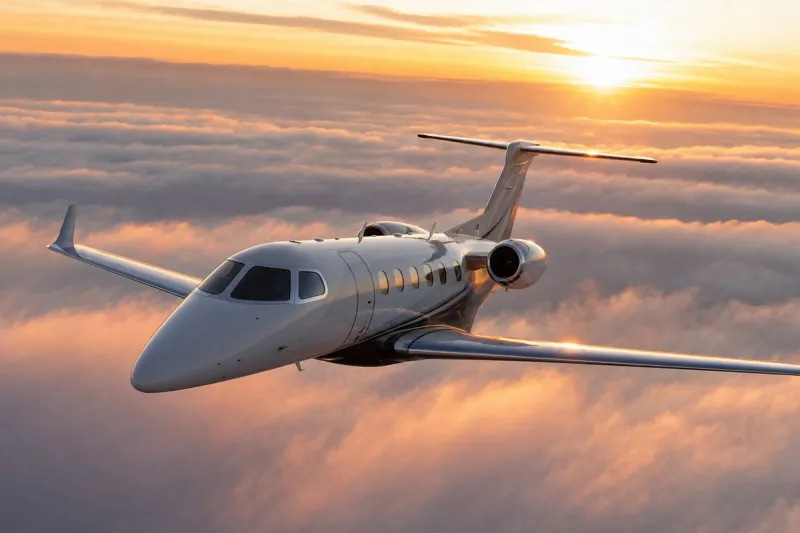
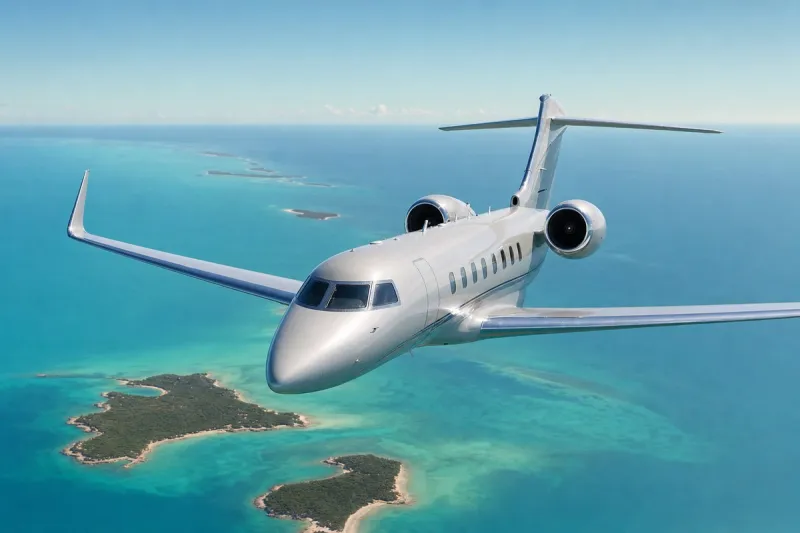
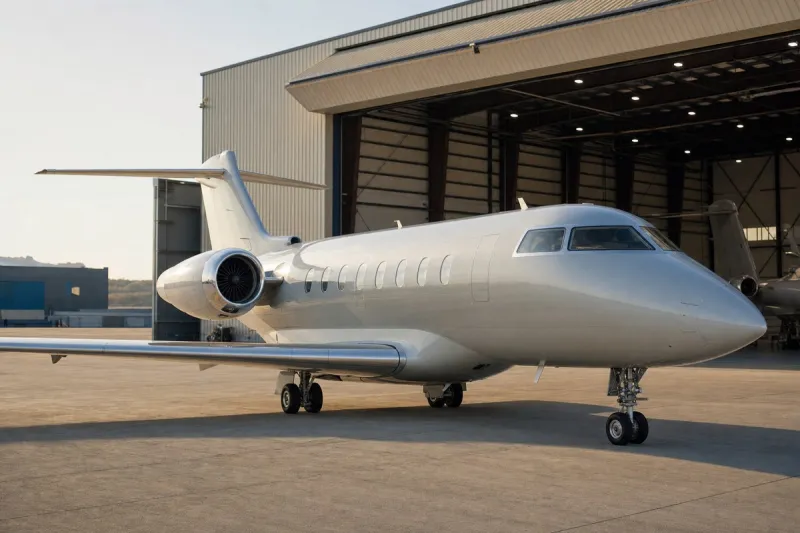
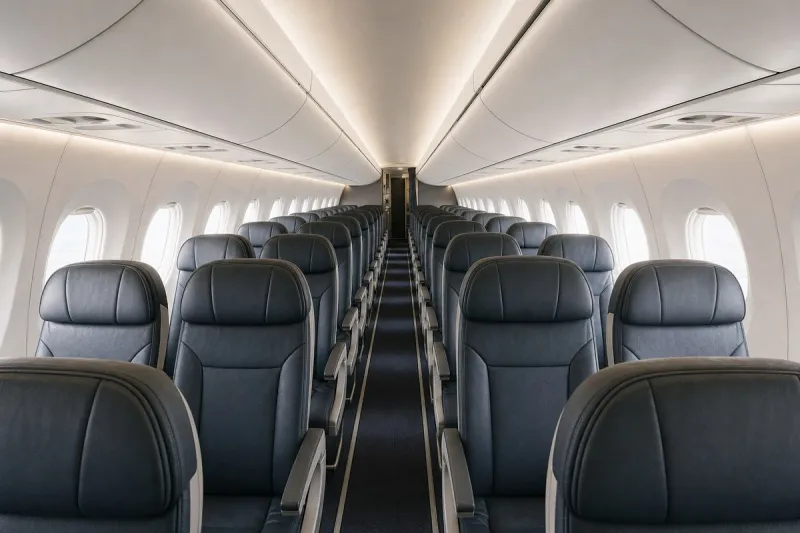
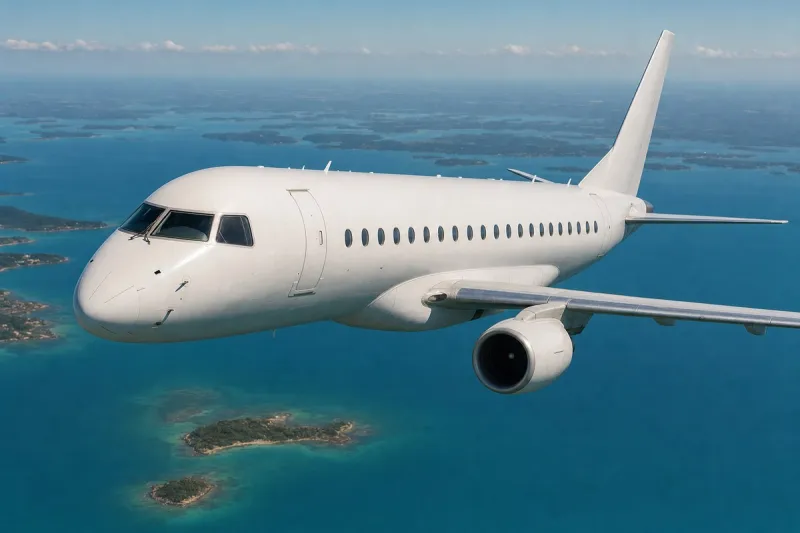
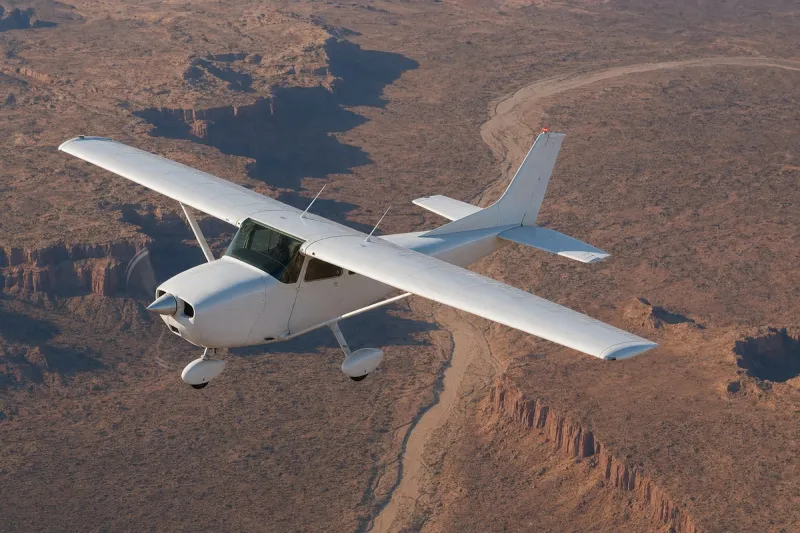
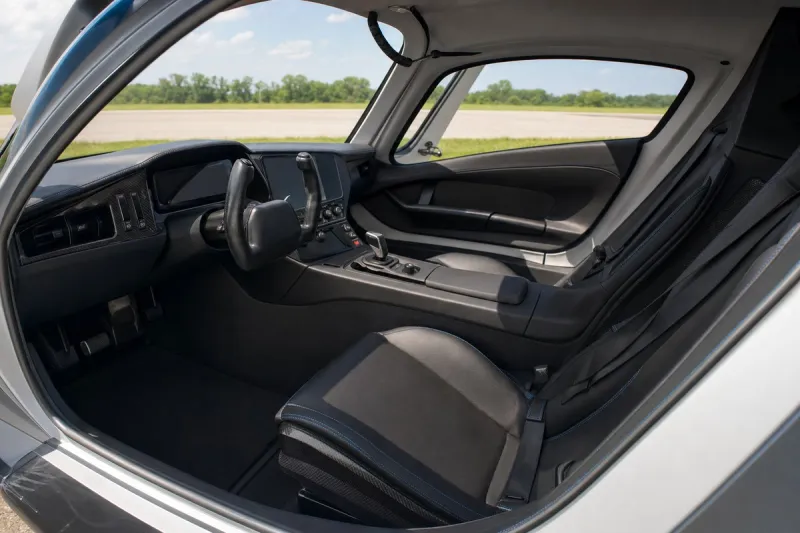
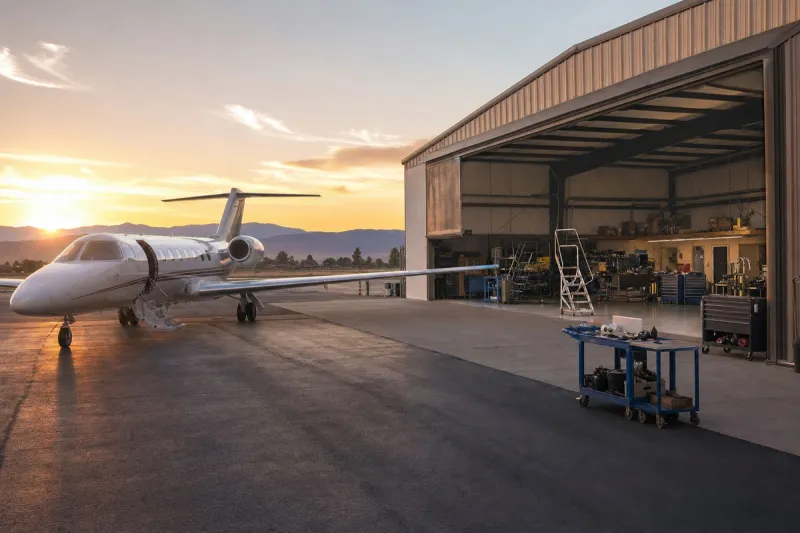
Marc Sellouk, founder and CEO of Flyte, said the on-demand service operates five Cirrus Vision Jets and has completed more than 250 flights in 14 months, mostly within a 300- to 400-mile radius through smaller regional airports. Up to four passengers can charter a full aircraft with 24 to 48 hours' notice at mostly $6,250 one way or $8,250 round trip. He cited more permissive corporate travel policies, easier booking and federal tax legislation restoring full depreciation of private aircraft as demand drivers.
Industry impact & what to watch
The pattern here is a two-sided squeeze that tends to benefit private aviation at the margin: airline capacity grows more slowly than passenger volume at peak periods, and fares rise at the same time. When a commercial ticket costs more and the experience is more uncertain, the price gap that separates a private seat from a first-class one narrows in the buyer's mind, even though the absolute difference remains large.
The two executives also illustrate how the access ladder is segmenting. Shevlin's thresholds map usage frequency to product: occasional flyers buy on-demand charter, regular flyers move to jet cards, and heavy users to fractional ownership. Flyte's model sits below that ladder, selling a whole small aircraft to up to four passengers on short regional hops through secondary airports. That is a different cost and utilisation structure from the large-cabin charter market, and it depends on short notice windows and smaller fields rather than long-range capability.
The tax point Sellouk raised is a structural driver for owners rather than renters: restoring full depreciation changes the economics of buying an aircraft, which feeds fractional and managed fleets over time. Whether the growth rates cited for fractional flying and departures hold through the holiday peak is the next measurable test, and WingX's subsequent departure data will show it.