Bombardier Backlog Hits $21.8 Billion as Services Share of Revenue Reaches Record 31%
Why It MattersBombardier's expanding service footprint and shift toward aftermarket revenue show how business-jet makers are leaning on maintenance capacity and acquisitions, not just new deliveries, to steady earnings and supply-chain resilience.
What happened
Bombardier's backlog of aircraft and services reached $21.8 billion in the first six months of the year, up from $16.1 billion in the same period last year. The company will not release third-quarter results until Nov. 5, but first-half performance included higher revenues, earnings and liquidity.
Services are contributing a growing share of revenue. In 2025, services represented 24% of Bombardier's $9.55 billion revenue, or $2.3 billion. In the second quarter of this year, services revenue climbed to a record $674 million, 31% of $2.15 billion in revenue.
Eric Martel was appointed president and CEO on March 11, 2020. He launched a five-year company turnaround in 2021 that included accelerating aftermarket services, and Bombardier Defense was launched in 2022 to diversify the business.
This year Bombardier has announced $50 million in new capabilities in Wichita, including a North American learning center; a new line maintenance station in Sydney, Australia, to complement one in Perth and a service center in Melbourne; and a major expansion of its Singapore service center at Seletar Aerospace Park that will almost double capacity when it opens in 2028. In February it also purchased Velocity Maintenance Solutions, a Wilmington, Delaware-based maintenance, repair and overhaul provider.
Velocity's Wilmington expansion
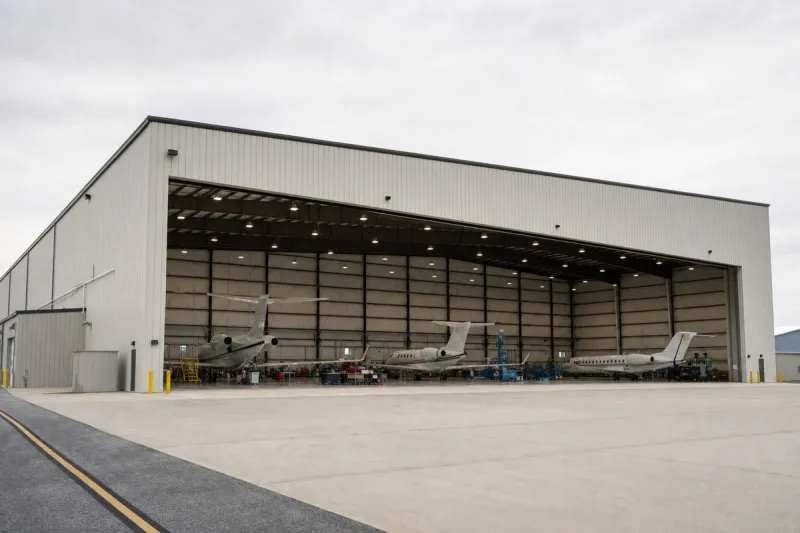
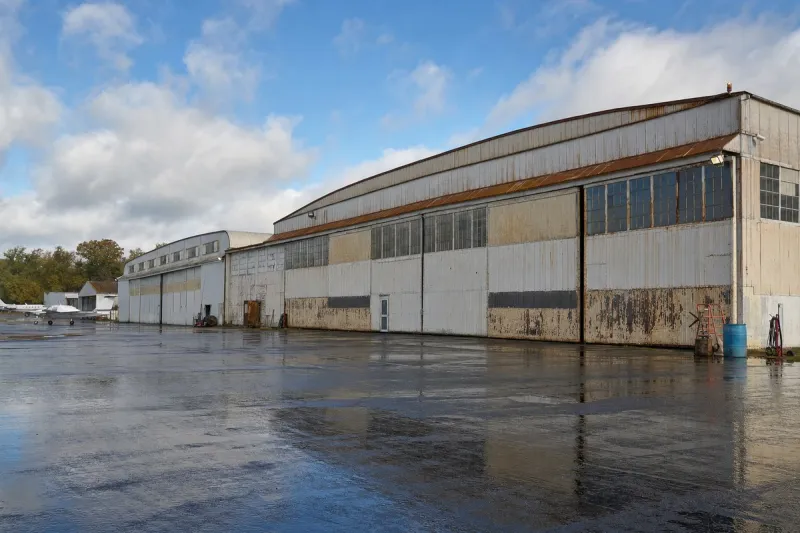
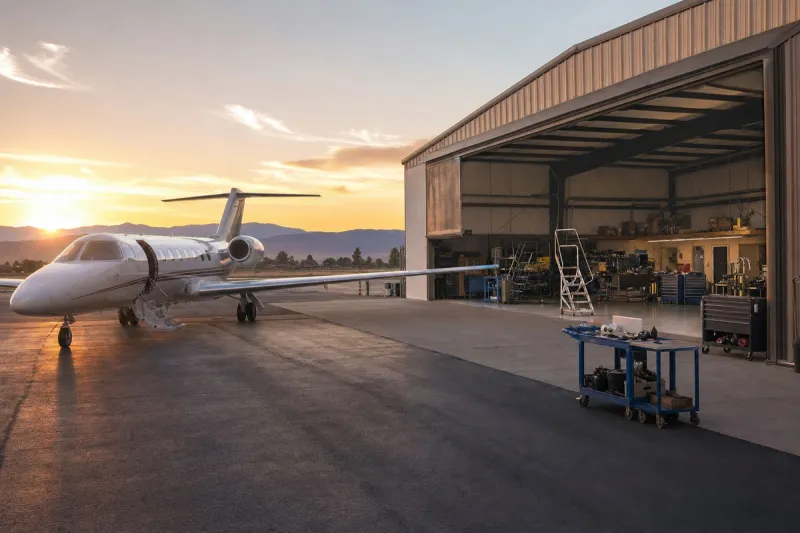
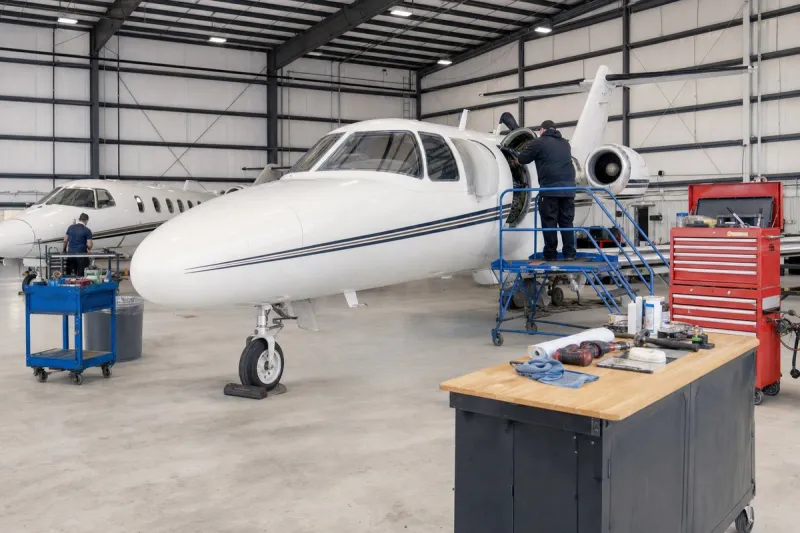
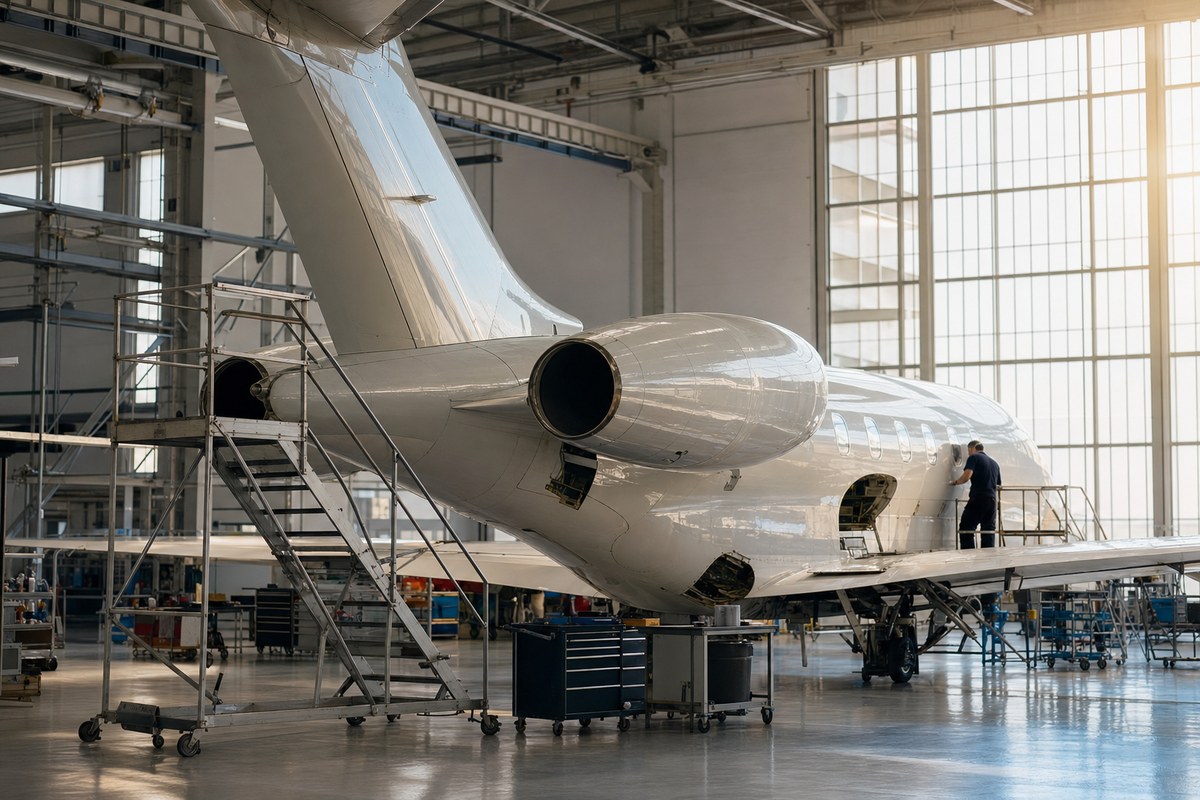
Velocity announced on Oct. 17 that it plans to move into a neighboring 75,000-sq-ft hangar space by the end of the month, more than tripling its existing 20,000 sq ft of hangar space in Wilmington. Velocity also operates 14 mobile repair team trucks around the U.S.
Supplier base
Bombardier works with more than 1,000 suppliers and says it continues to evaluate opportunities to strategically expand its internal capabilities to enhance resilience and long-term growth. Martel has previously noted that mergers and acquisitions are one way to strengthen supply chain resilience.
In September, Bombardier recognized 33 suppliers with its Diamond Awards.
Industry impact & what to watch
A services line that grows faster than new-aircraft deliveries changes how an OEM earns its living. Aftermarket work is tied to the installed fleet and recurs year after year, which tends to smooth results across the cycle in a way that aircraft sales alone do not. Bombardier's pairing of a larger backlog with a services line now at 31% of quarterly revenue illustrates why manufacturers across the segment keep investing in maintenance capacity.
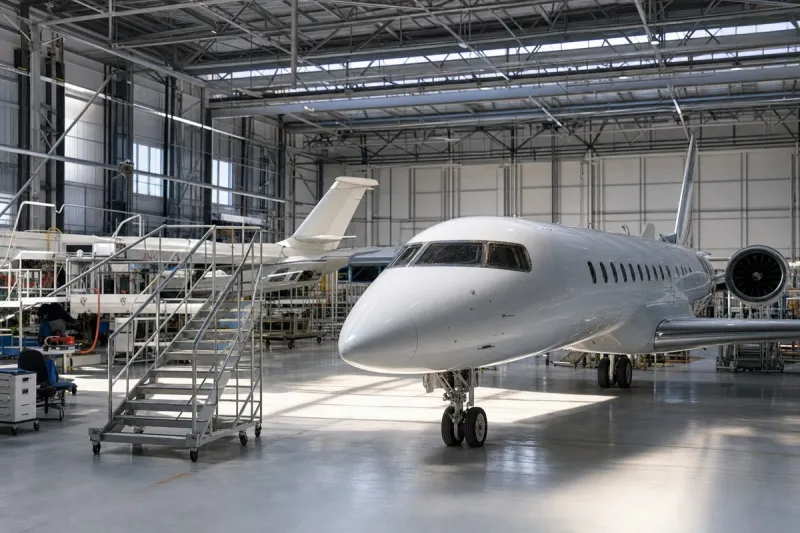
The physical build-out shows where that capacity is going: line maintenance stations in Australia, a Singapore center set to nearly double its capacity, a Wichita learning center and a tripled hangar footprint at Velocity in Wilmington. Buying an MRO provider, as Bombardier did in February, is the quicker route to capacity than building it, and it is the same logic Martel has applied to supply-chain resilience.
The next dated checkpoint is the Nov. 5 third-quarter release, which will show whether the services share holds near its second-quarter level.