Leviate Air Group adds two Challenger 300s, launches advisory group and prepares Part 125 Boeing 767 operations
Why It MattersA charter and management operator layering advisory work and VIP airliner operations onto its fleet shows how mid-sized players try to diversify beyond flying business jets for hire.
What happened
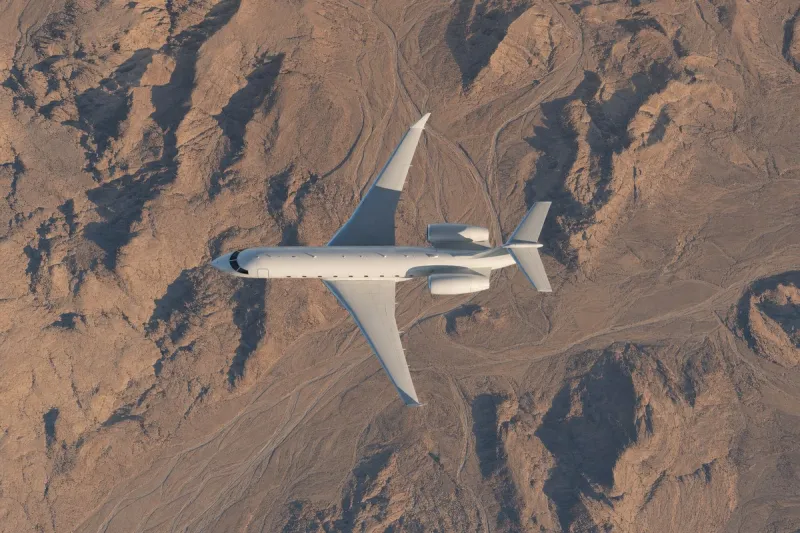
Leviate Air Group has added two Bombardier Challenger 300 aircraft to its managed fleet, launched an advisory group and is preparing to begin Part 125 airliner operations. The company said the three efforts are aimed at broadening its capabilities to deliver comprehensive aviation solutions.

The two Challenger 300s joined the managed fleet in recent weeks. One is based at John Wayne Airport in Santa Ana, California, and the other at Dallas Love Field.
The advisory group is led by Eric DuFay, a former aviation executive at Netflix. It will provide strategic guidance to corporations, executive teams and flight departments, evaluating aviation solutions that match their operational needs and business objectives.
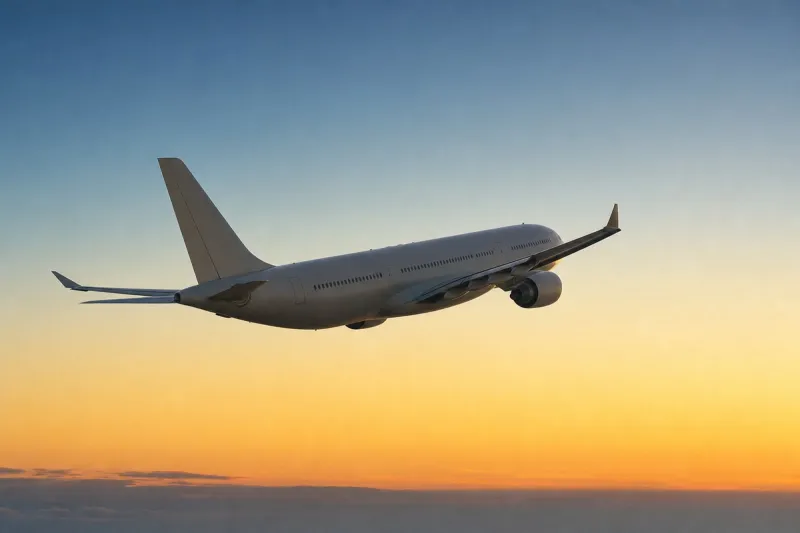
Leviate is also preparing for the imminent launch of Part 125 airliner operations. An initial Boeing 767 is currently under contract with the company. Plans center on managing and operating the VIP 767 under a Part 125 structure for the aircraft owner, with potential future exploration of Part 121 operations.
Luis Barros, founder and CEO of Leviate, said the expansion into advisory services, Part 125 operations and a growing nationwide charter fleet reflects the team's dedication and the company's integrated corporate approach. He added that Leviate is building capability and flexibility for clients while staying focused on safe, well-structured operations and long-term value.
Industry impact & what to watch
Management and charter operators generally earn from aircraft they fly on behalf of owners, so each added airframe widens the base on which fees and charter revenue are built. Pairing that with an advisory arm points to a second revenue line aimed at the corporate flight departments that might later hand aircraft over for management.
The Part 125 route for a VIP Boeing 767 sits in a different regulatory lane from on-demand charter. Part 125 covers operations of large aircraft not used for scheduled airline service, which suits a privately owned airliner flown for its owner. Operators that can hold this kind of certification sit in a narrow group, and the possible later look at Part 121 would be a considerably heavier regulatory step.
The next milestone is the start of Part 125 flying itself, which the company describes as imminent. The firm's stated interest in Part 121 operations is described only as potential future exploration, so it should be read as a direction of travel and not as a commitment.