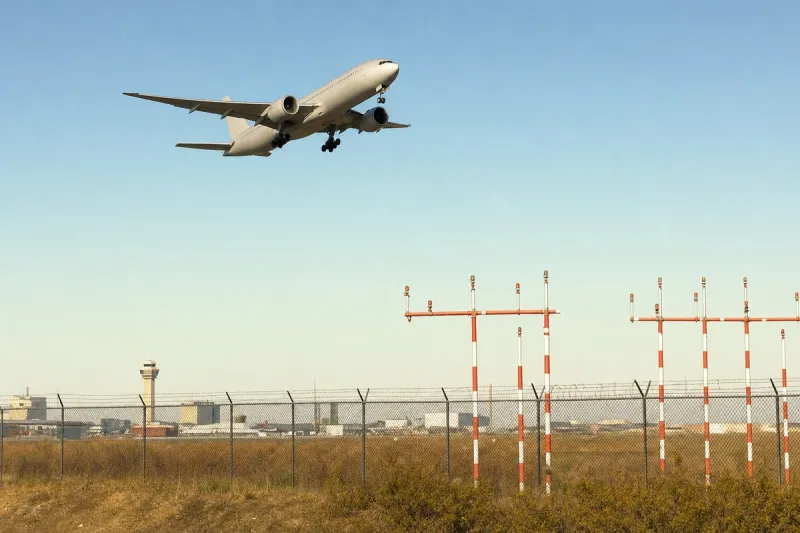
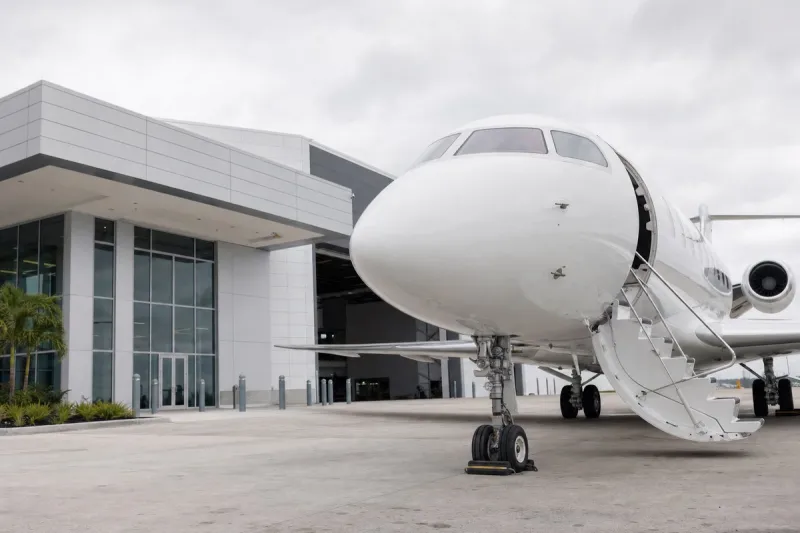
EAA AirVenture Oshkosh Draws Record 734,000 Attendees as 64 Controllers Log 15,527 Operations
Why It MattersHandling roughly 101 operations an hour through a temporary controller organisation of rotating four-person teams shows how a one-week mass fly-in works as a deliberately engineered, staffed and sequenced airspace system.
What happened
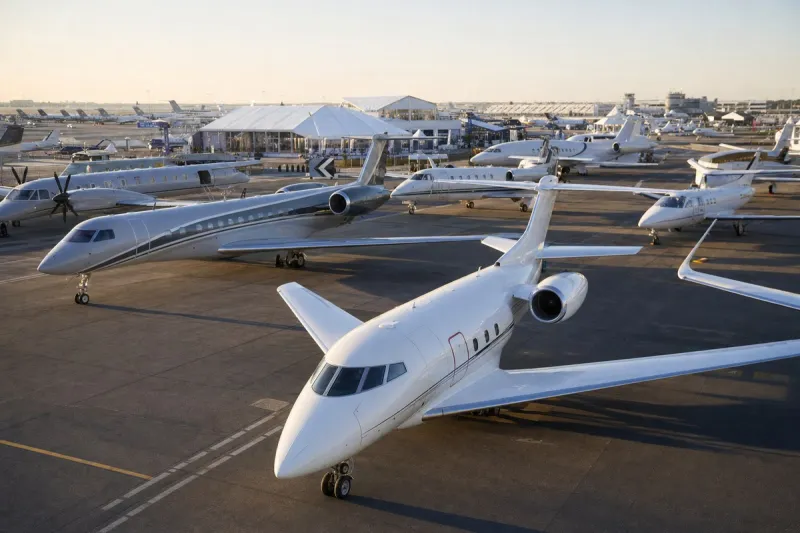
EAA AirVenture Oshkosh was held at Wittman Regional Airport (OSH) in Oshkosh, Wisconsin, from July 20 to 26 and drew a record 734,000 attendees. Roughly 10,000 aircraft arrived at the airport grounds or performed flyovers during the week. The EAA Aviation Museum welcomed 38,000 visitors, roughly one-third of its total annual attendance, and event staff parked more than 68,400 cars.
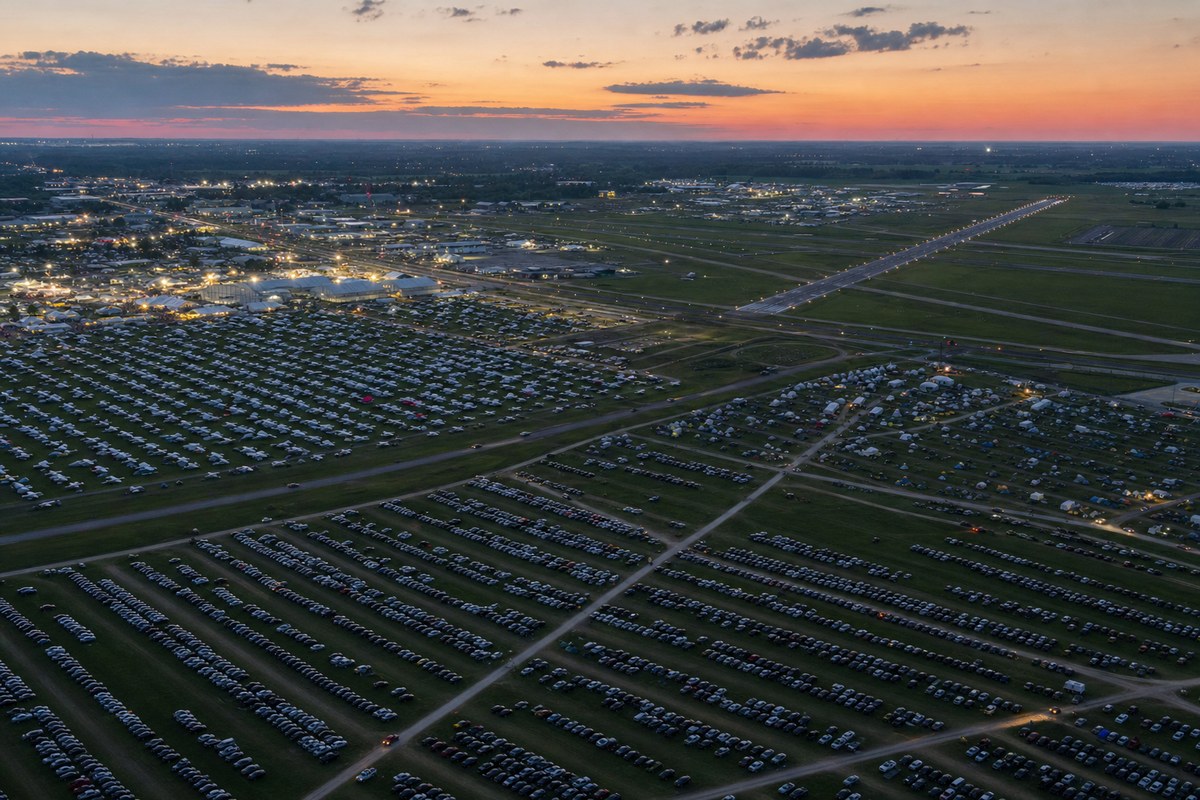
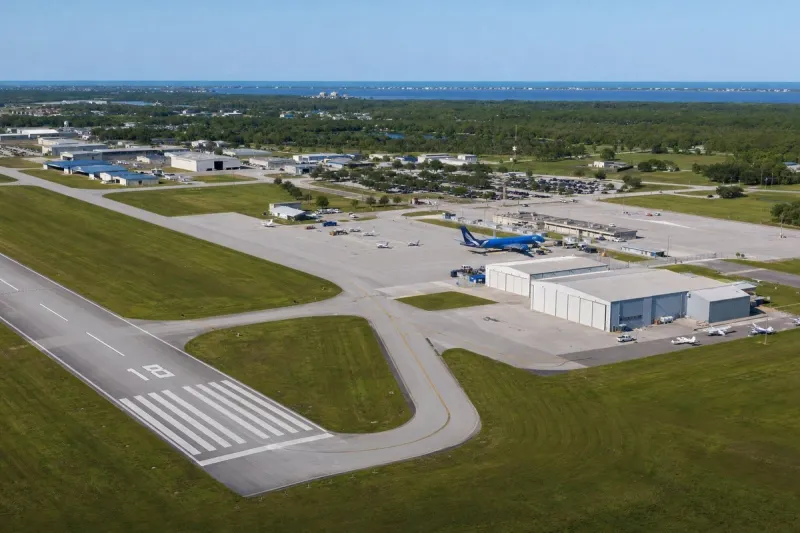
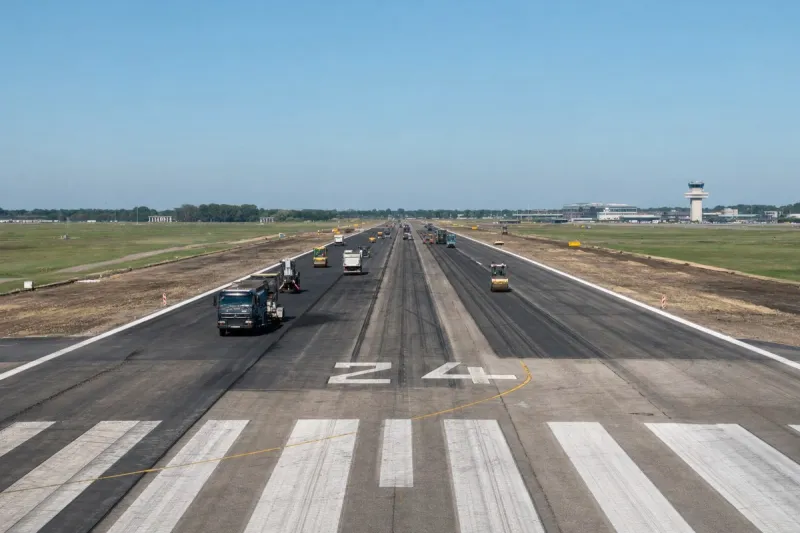
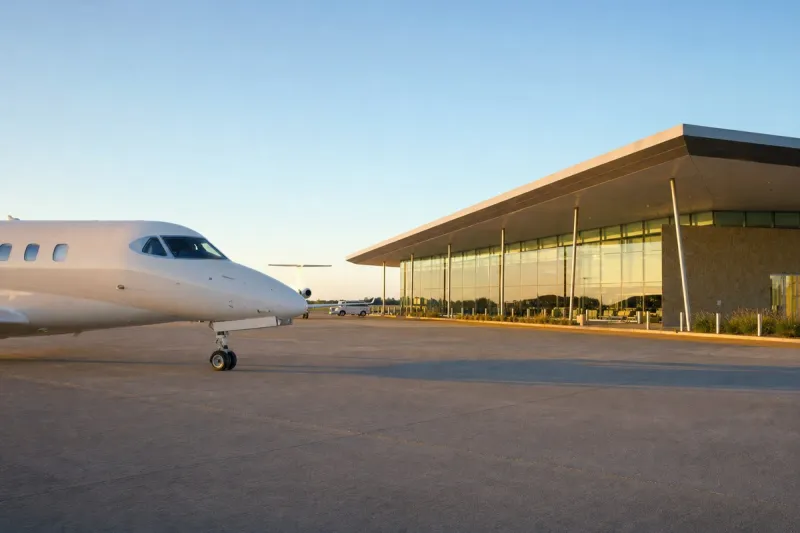
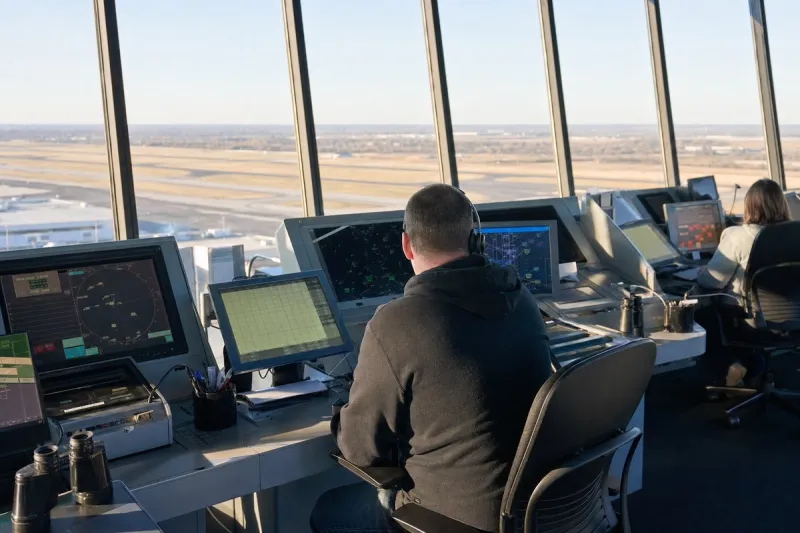
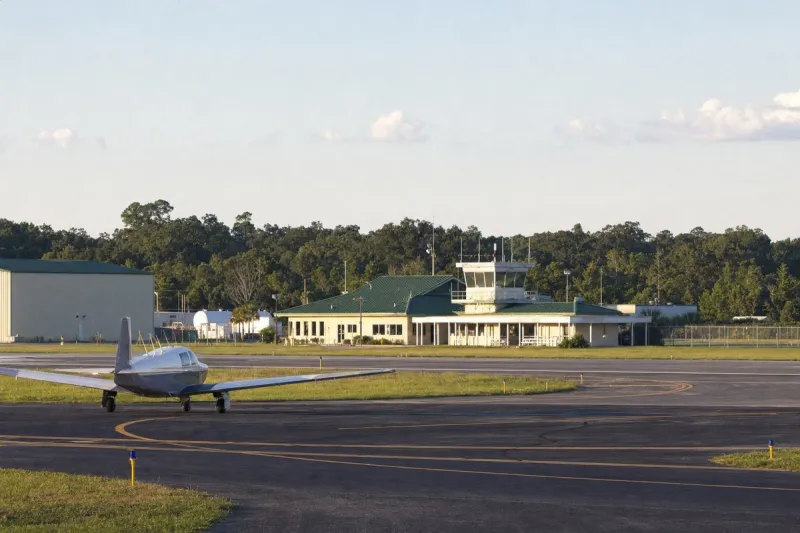
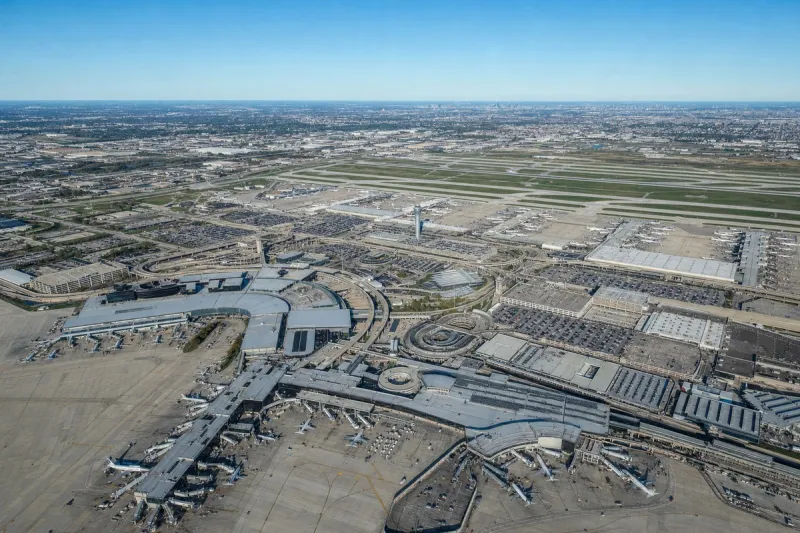
Wittman Regional Airport covers 1,450 acres (586.8 hectares) and has four runways, the longest of which, 18/36, is slightly over 8,000 feet (2,438 meters). Air traffic was managed by 64 controllers spread across roughly five locations and working varying shifts. A forward-stationed team on a low hill about six miles from the airport gives inbound pilots instructions and assigns a runway. Aircraft then land under the direction of Oshkosh Tower North or Oshkosh Tower South, which handle arrivals on Runways 09/27 and 18/36, respectively.
Between noon on July 16 and noon on July 27, controllers logged 15,527 aircraft operations, an average of about 101 takeoffs and landings per hour the field was open. Controllers are drawn exclusively from air traffic controllers within the United States. According to the Federal Aviation Administration, they work in teams of four: a veteran team leader with three or more years of experience, another senior member, a member with two to three years of experience, and a "rookie" who is nonetheless a Certified Professional Controller at their home facility.
The event began in September 1953 as the Experimental Aircraft Association's Fly-In Convention, a minor part of the Milwaukee Air Pageant at Curtiss (now Timmerman) Field, with fewer than 150 attendees. By the end of the 1950s it had moved to Rockford Municipal Airport in Illinois, where it stayed for about ten years. By 1969 it had outgrown Rockford, and Steve Wittman, an EAA member since its 1953 founding, suggested the Oshkosh airport, which offered ample space and two noncrossing runways. The EAA board approved the move in late 1969.
What visitors can see
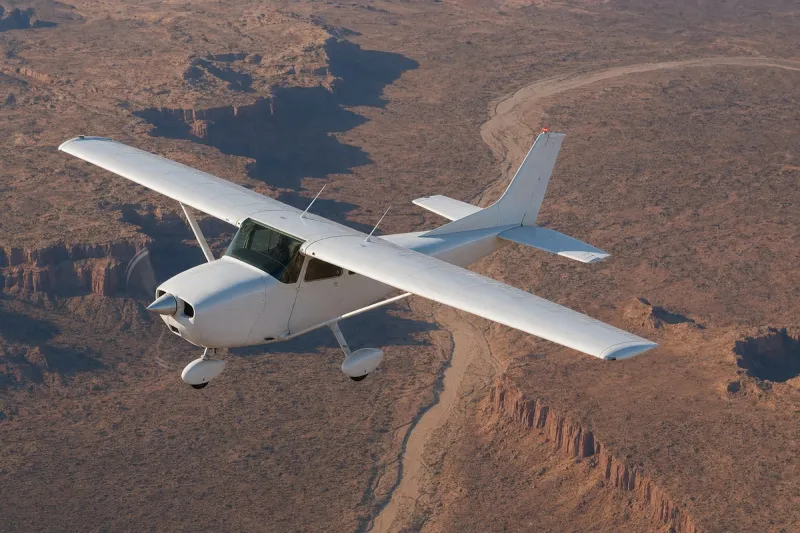
Visitors can see fighters and restored warplanes such as the Boeing B-17 Flying Fortress and the Supermarine Spitfire, as well as homebuilt, experimental and aerobatic aircraft. Exhibit hangars host manufacturers and avionics suppliers.
Forums and workshops cover topics including metal, wood, composite and fabric construction and welding.
Industry impact & what to watch
An average of about 101 operations per open hour at a single field is possible here because the airport is run as a purpose-built system for the week. A forward team sequences inbound traffic from about six miles out, two towers split the runways between them, and controllers are brought in from facilities across the country rather than drawn from a standing local staff.
The team structure, with a veteran leader, a senior member, a mid-experience member and a certified rookie, spreads experience across every shift. That is how a temporary organisation sustains volume at a field where arrivals, departures and flyovers share the same airspace, and it explains why the event can keep growing without a permanent change to the airport itself.
The 2025 University of Wisconsin–Oshkosh study on the event's scale is the next reference point for how far attendance and traffic can climb before the single-week model strains.