Falcon 50 N200SG Veers Off Runway 1L After Aborted Takeoff at Las Vegas, Closing Two Runways
Why It MattersA single rejected takeoff can close both parallel runways at a major airport, so a business-jet event spills into airline schedules through traffic-management restrictions and departure-board delays.
What happened
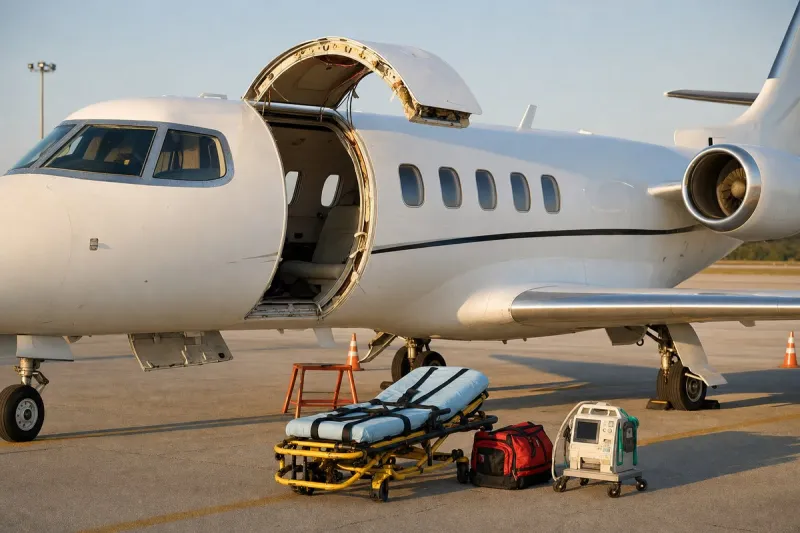
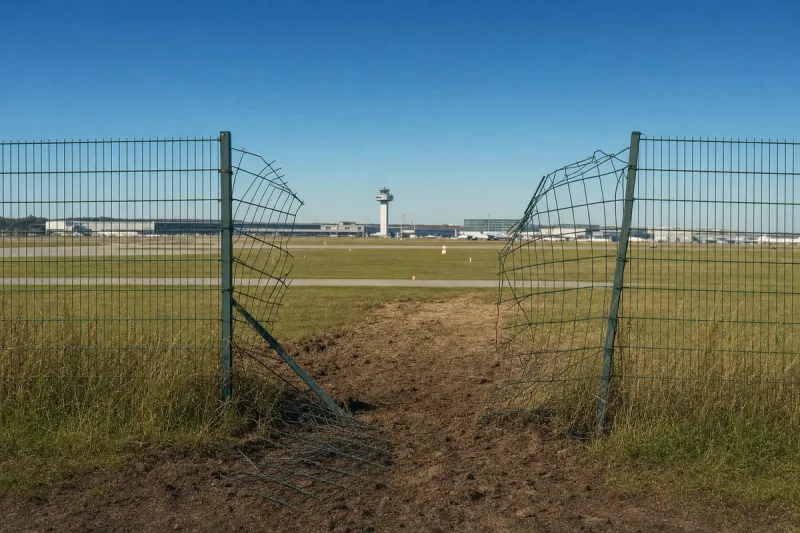
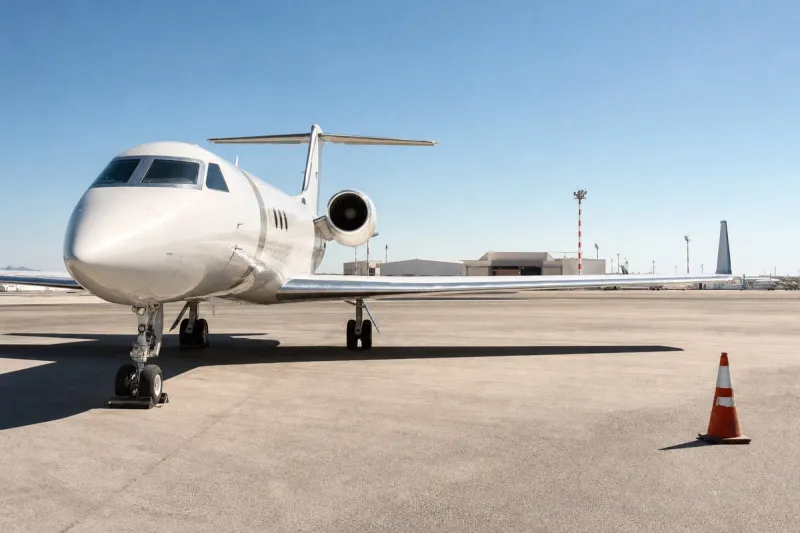
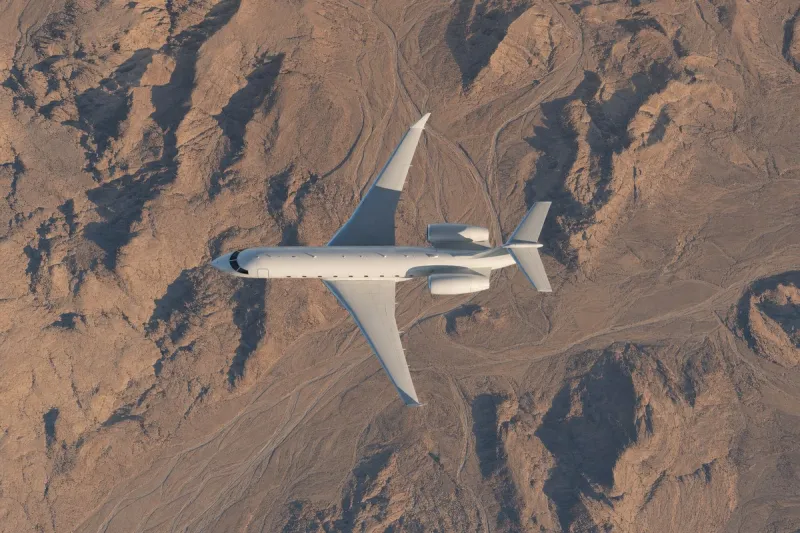
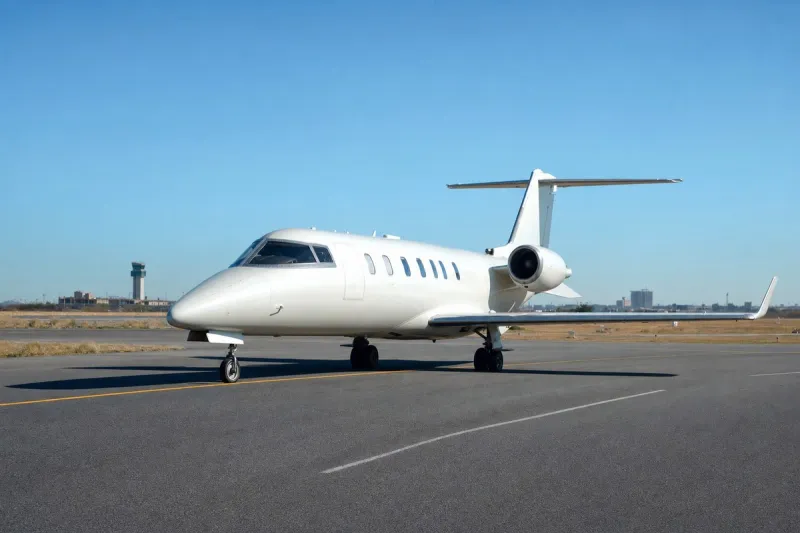
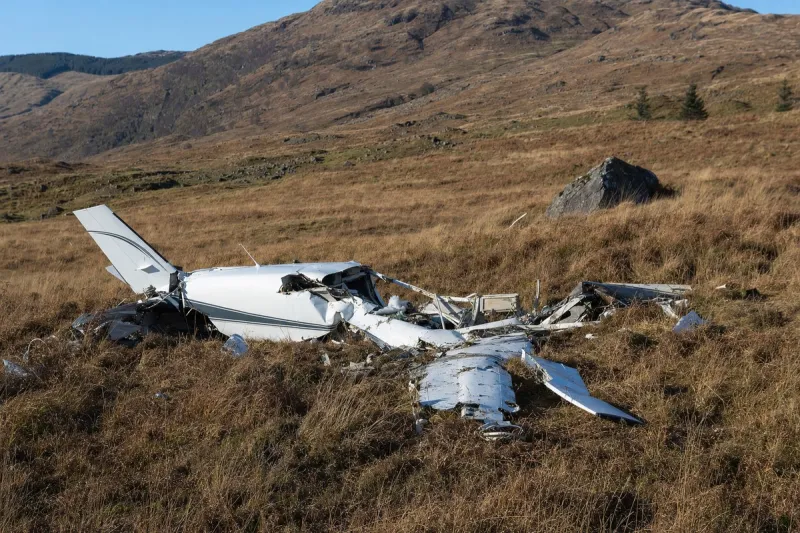
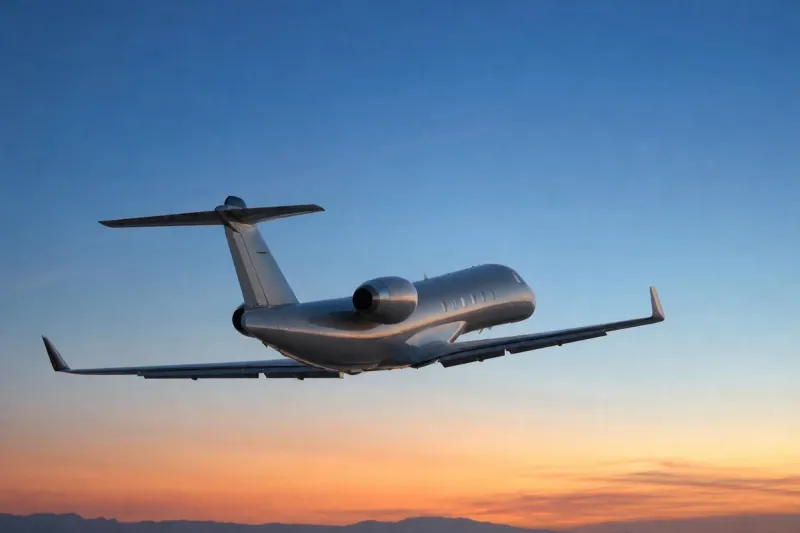
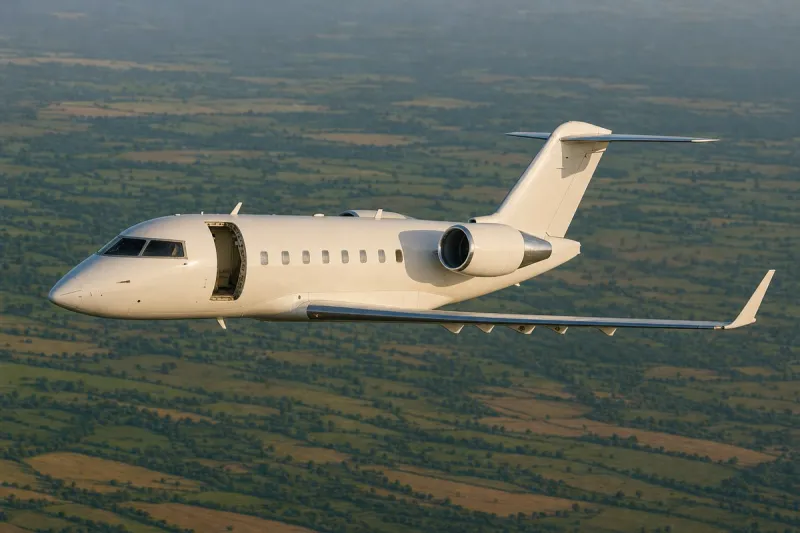
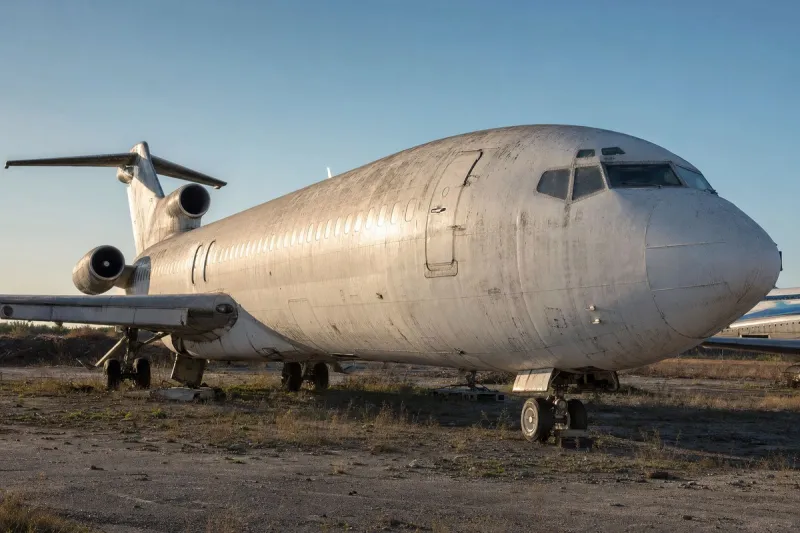
A Dassault Falcon 50 business jet, registration N200SG, aborted its takeoff at Harry Reid International Airport (LAS) in Las Vegas, Nevada, on Sunday. The aircraft skidded off Runway 1L and made contact with the airport's perimeter fence. No injuries were known at the time of the airport's initial statement.
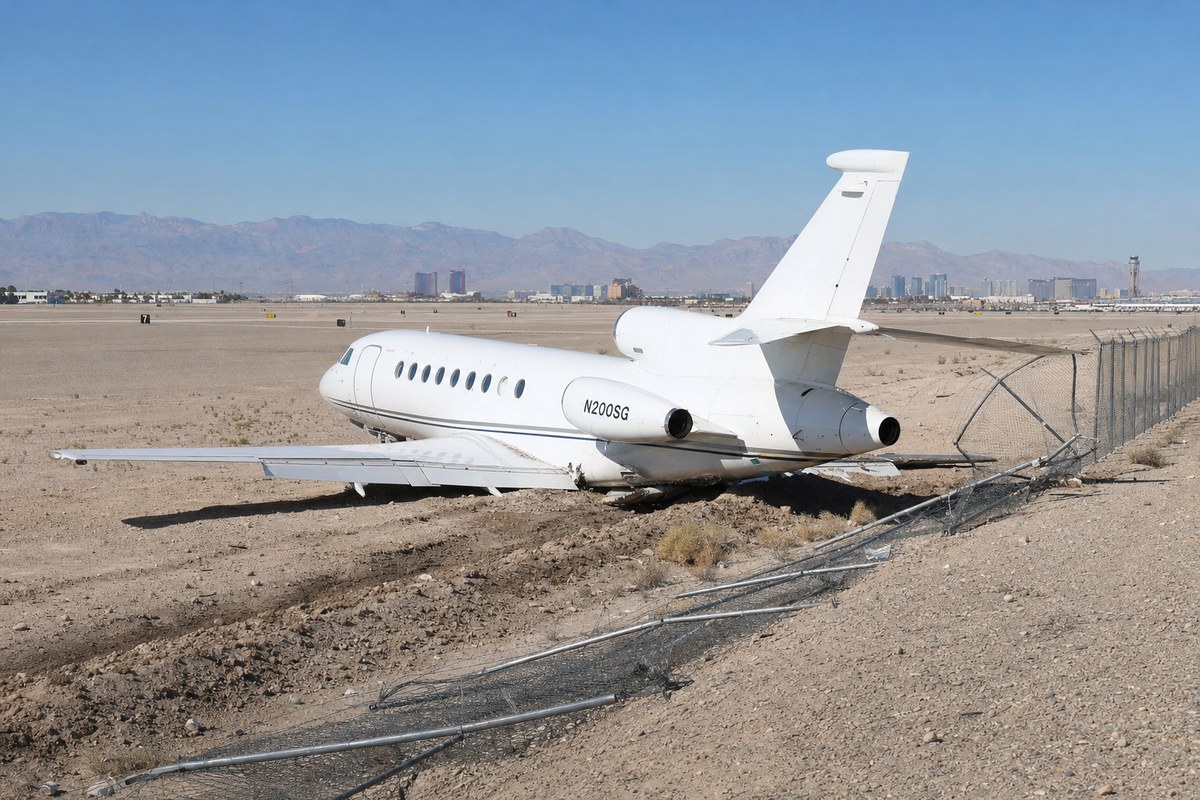
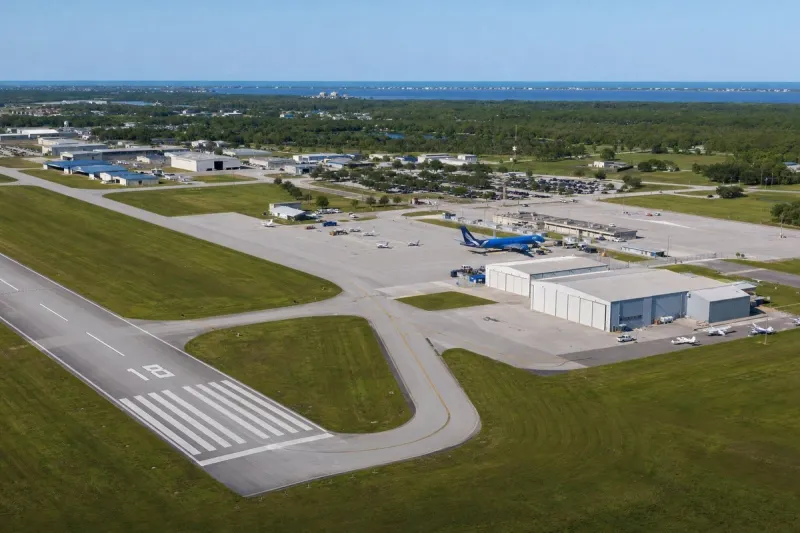
Airport officials said Runways 1R and 1L would be closed for inspection and that travelers might experience delays. Traffic-management restrictions affected flights bound for Las Vegas, and numerous delays appeared on the airport's departure board.
Flight-tracking information shows the aircraft had arrived at Las Vegas from Seattle-Tacoma International Airport (SEA) earlier that day and was scheduled to continue to Toronto Pearson International Airport (YYZ) in Canada. Reports from the aviation community described the aircraft accelerating along the runway before decelerating and leaving the paved surface. Local outlet KTNV reported that it reached the perimeter fence.
Industry impact & what to watch
A rejected takeoff on a single runway rarely stays a single-runway problem. Here both Runways 1R and 1L were closed for inspection, and the effect showed up quickly in traffic-management restrictions on Las Vegas-bound flights and in delays on the departure board. For a busy leisure and charter destination, a private jet's runway excursion becomes an airline scheduling event within hours.
The cause of the rejected takeoff has not been confirmed, and tracking data alone cannot show whether a technical problem was involved. The Federal Aviation Administration (FAA) is expected to establish when the rejected takeoff began, how the aircraft responded and whether a mechanical or operational issue contributed. Until that work is done, any explanation for the crew's decision is speculation.
The next milestone is operational: airport personnel need to secure the area, assess damage to the aircraft and to airport infrastructure, and restore safe runway operations before normal activity can resume. The pace of that reopening, and the FAA's account of the rejected takeoff, are the two items that will settle how far the disruption extends.