FAA Imposes Ground Stops at JFK, Newark and LaGuardia on Oct. 17 as Strong Winds and Turbulence Disrupt Flights
Why It MattersWind-driven arrival restrictions in the New York area show how a few hours of reduced airspace capacity at one hub cluster spreads through crew and aircraft positioning long after the stops lift.
What happened
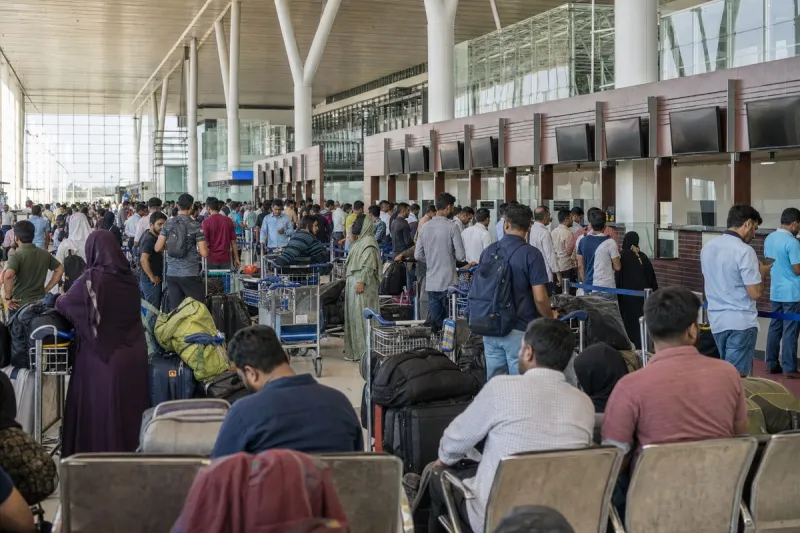
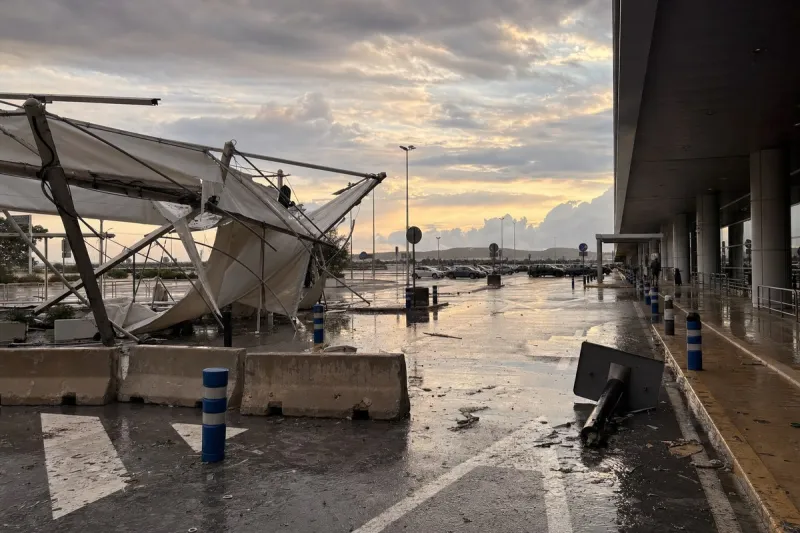
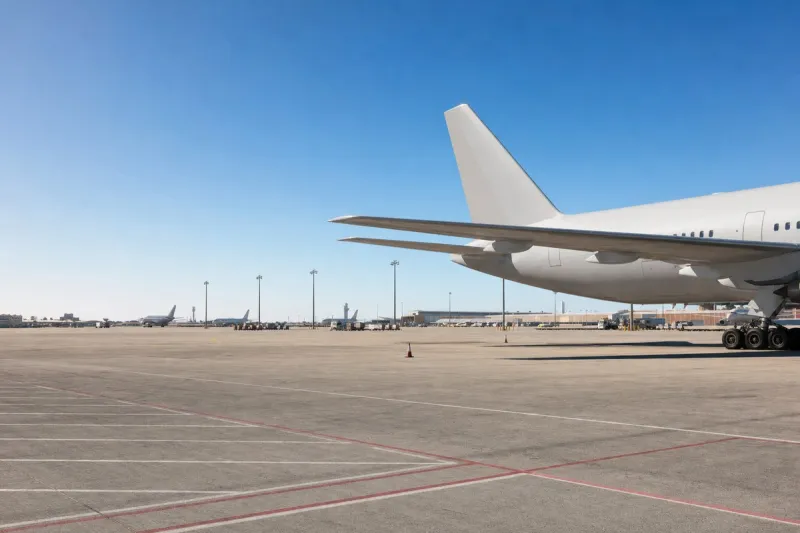
On Saturday, October 17, the Federal Aviation Administration imposed ground stops at New York's three major airports: John F. Kennedy International, Newark Liberty International and LaGuardia. The FAA cited strong winds and reports of severe turbulence. The restrictions applied to flights heading into the New York metropolitan area during the afternoon, temporarily holding selected aircraft at their origin airports.
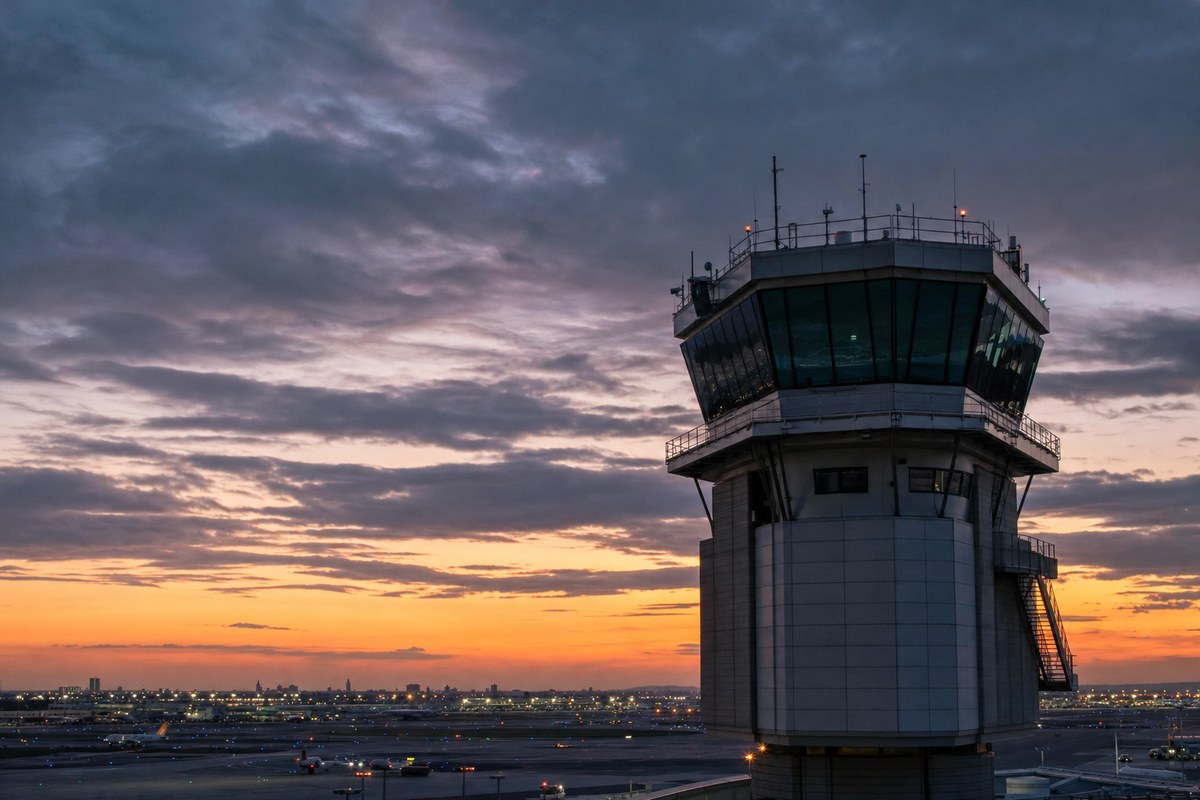
At JFK, the ground stop began at approximately 3:33 p.m. Eastern Time. It was first scheduled to end at 4:30 p.m. but was extended as conditions continued, and it ran for about 98 minutes, the longest of the three. FAA advisories showed some affected flights facing assigned delays of up to 120 minutes; that figure reflects air traffic management restrictions rather than the delay every passenger actually experienced. Northerly winds gusted to roughly 26-27 knots, and turbulence reduced the availability of normal arrival routes.
Newark's ground stop started at about 3:45 p.m., with weather observations showing gusts reaching 32 knots shortly before it. Traffic-management measures there also included a ground delay programme for incoming flights, with an initial FAA advisory showing assigned delays averaging 82 minutes. Newark continued to face additional traffic-management restrictions into the evening.
LaGuardia went under a ground stop at about 3:46 p.m. that lasted 38 minutes and ended at 4:24 p.m. It covered selected flights departing airports within the Washington air traffic control centre's area, so it was not a complete shutdown of all flights serving the airport. All three ground stops ended later on Saturday. The disruption followed a separate round of weather-related delays across the northeastern United States on Friday, October 16.
Industry impact & what to watch
A ground stop is a capacity tool: when winds and turbulence shrink the number of usable arrival routes, the FAA holds aircraft at their departure airports so that destination airspace does not fill beyond what it can handle. The cost of that choice lands mostly on the origin side, where aircraft and crews sit waiting, and it explains why the stated assigned delays at JFK and Newark describe the restriction itself and not what each traveller lived through.
The effects do not end when the restriction does. Delays can continue after a stop is lifted as airlines reposition aircraft and crews, which is why Newark was still working under traffic-management restrictions into the evening even after the afternoon stops had run their course. For any operation with a tight schedule into the New York area, the disruption window is therefore longer than the stop itself.
The three stops were also uneven in scale: 98 minutes at JFK against 38 minutes at LaGuardia, the latter limited to selected flights from within one control centre's area. Since this came a day after separate weather delays across the Northeast, the next signal is how quickly arrival flows at the three airports return to normal schedules.