Private Jet Delivery Delays to 2030 Let Buyers Flip New Aircraft for Millions in Profit
Why It MattersMulti-year delivery backlogs are turning scarce delivery slots into a tradable asset, with resale prices on near-new jets rising above factory price while new-build orders stay locked into long queues.
What happened
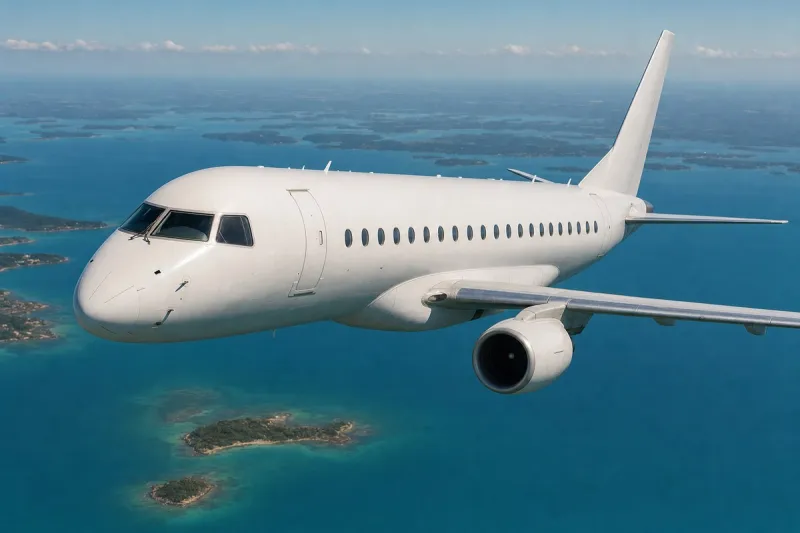
A public company that ordered a new private jet for $77 million three years ago took delivery about six months ago and sold the aircraft for $84 million, a gain of $7 million. The same aircraft is now being offered for resale at about $90 million.
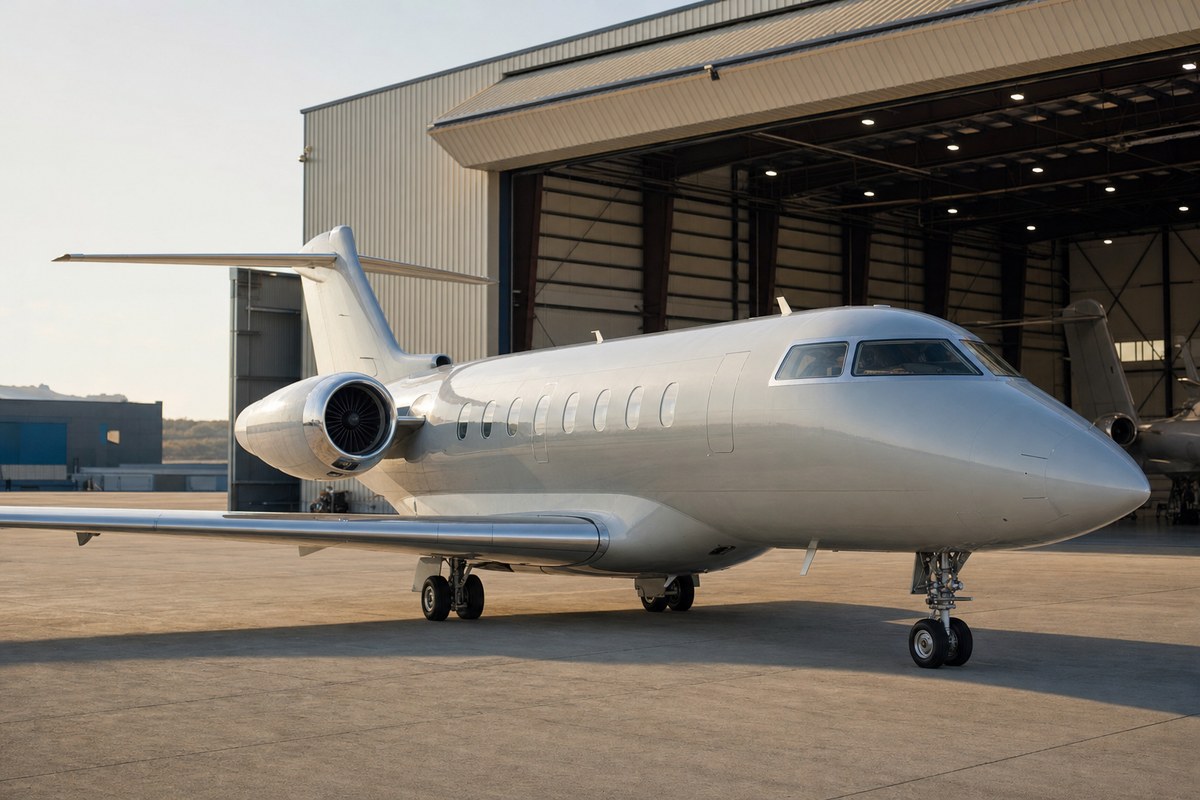
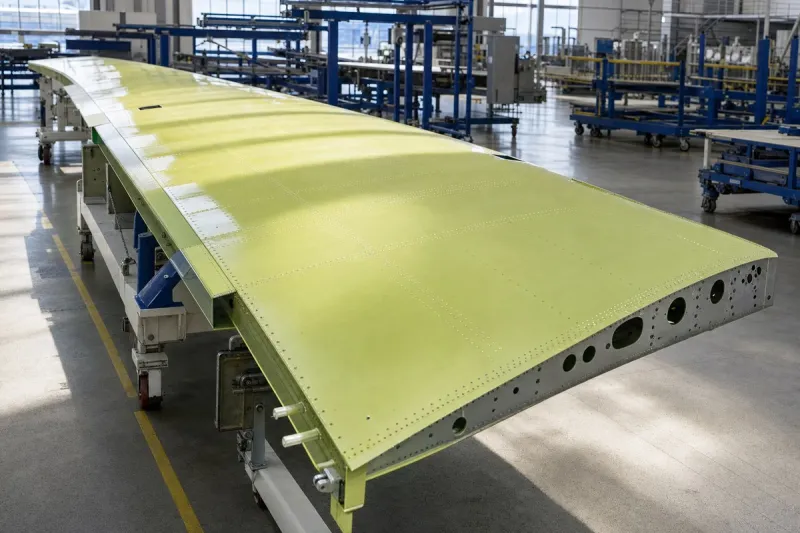
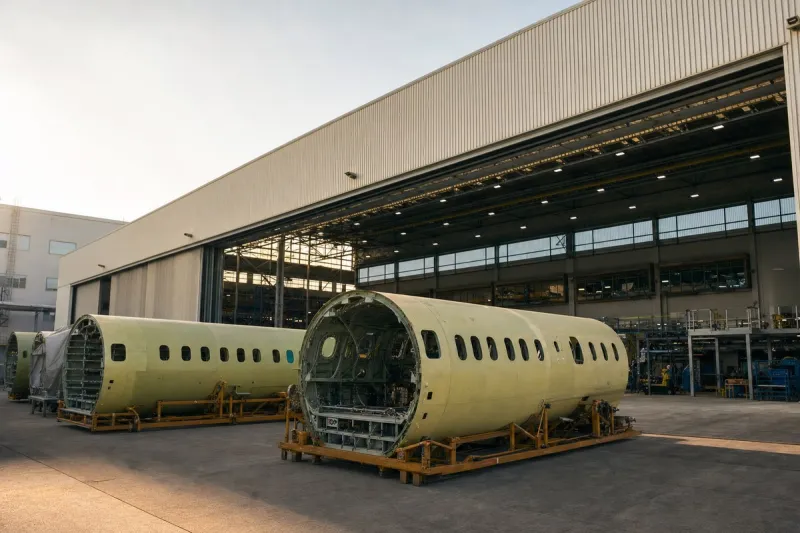
The trend is driven by a manufacturing bottleneck among both commercial and private aircraft producers, with demand outpacing supply. Oliver Tabit, a partner on the aerospace team at a law firm, said that a client ordering a new jet today may wait until 2029 or even 2030 for delivery. For buyers who need to fly now, a multi-year wait is often impractical, which pushes them toward aircraft that have already been delivered to their owners.
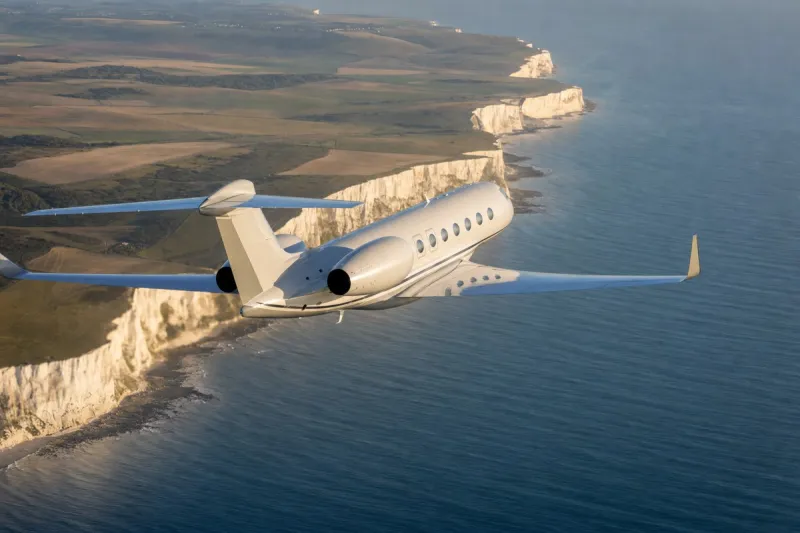
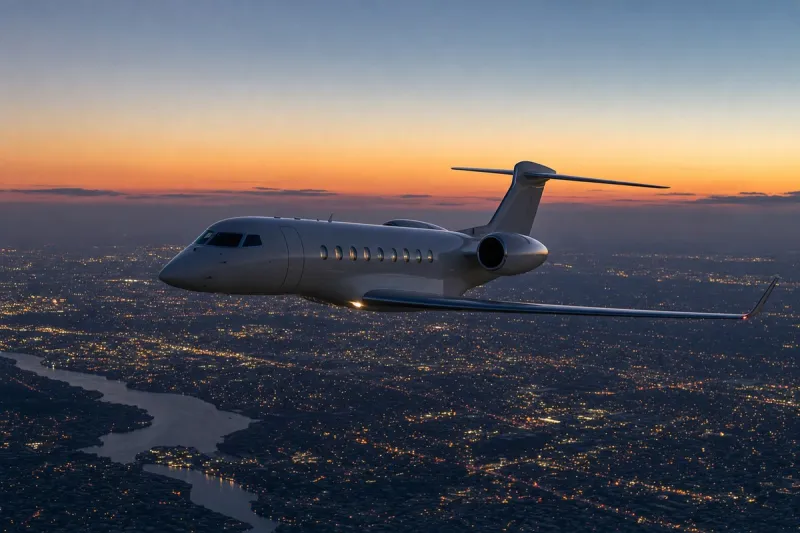
Prices reflect the shortage. A new Gulfstream G700, with a base price before customer customization of roughly $80 million according to charter experts, can sell for a premium of about 10%. The surge in the artificial intelligence industry has also created new wealthy buyers entering the private jet market. In the United States, demand has been further boosted by tax legislation signed by President Donald Trump in 2025, one provision of which allows a company to deduct the full cost of an aircraft against its tax liability in the first year of ownership.
Profiting from an early order is not new: in the past some buyers transferred their purchase agreements to another party before the aircraft left the factory, charging a higher price, similar to buying a home off-plan and selling the rights before getting the keys. Now buyers wait for physical delivery and then put the aircraft up for sale, sometimes almost immediately. Contracts vary between manufacturer and customer, but according to an industry executive, standard contracts typically include a clause barring sale of the aircraft before it is delivered to the buyer.
Industry impact & what to watch
When delivery queues run to 2029 or 2030, the value of a new aircraft is no longer only the aircraft: it includes the right to have it available now. That is why a jet delivered six months ago can resell above its $77 million order price, and why a 10% premium on a new G700 is a market outcome rather than an anomaly. For buyers, the choice is between waiting years for a factory slot and paying a premium for a delivered airframe.
The contract clause barring sale before delivery explains the shift from selling purchase agreements to selling finished aircraft. The speculative gain has moved to the point after delivery, which means the used and near-new market now absorbs the pressure that slot transfers once carried. The first-year tax deduction in the United States adds a buyer incentive that favors speed of acquisition over price.
The margin on these resales depends on the bottleneck persisting. If delivery lead times shorten or the pool of new wealthy buyers thins, the gap between order price and resale price is the first number that would narrow.