Airport Heli Shuttle to Link Kansai International Airport and Kyoto in About 25 Minutes From September 15, 2026
Why It MattersAirport-to-city helicopter shuttles depend on securing airside access and trimming ground transfer time, so scheduled-slot, shared-seat products shift rotorcraft from pure charter toward a priced, repeatable urban access service.
What happened
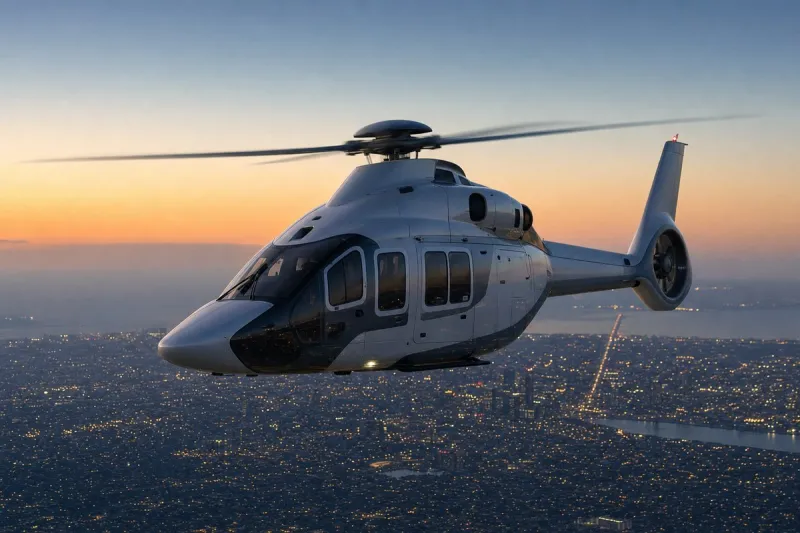
Space Aviation, a Kyoto-based operator, begins Airport Heli Shuttle on September 15, 2026, linking Kansai International Airport with JPD Kyoto Heliport in Kyoto's Fushimi Ward. The flight takes about 25 minutes, against roughly 90 to 120 minutes by car or public transportation.
The company has set eight daily flight slots, equal to four round trips, operated according to reservations. Two products are offered: shared flights, which operate with at least four passengers, and charters of an entire helicopter. For a limited launch period, shared-flight seats are sold from ¥20,000. Prices include tax; shared-flight fares are per person and charter fares are per flight, and the introductory fares may change without notice.
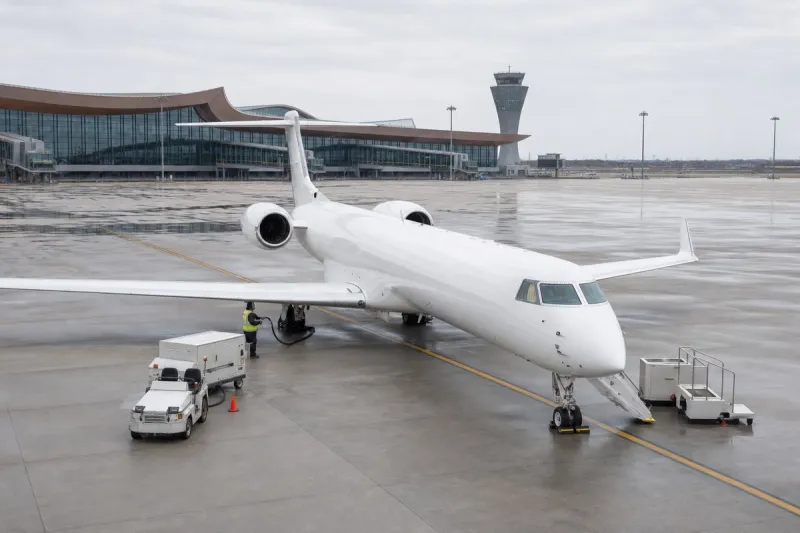
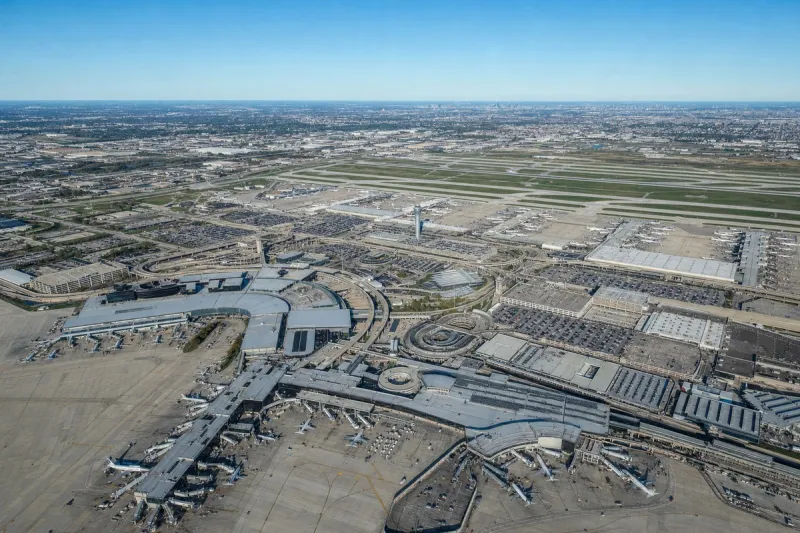
Space Aviation has obtained business registration and permission to operate within the restricted area of Kansai International Airport. Passengers travel from the arrival gate to the helicopter landing area in a company vehicle, and a revised vehicle route within the airport has cut that transfer from about 25 minutes to about 10 minutes.
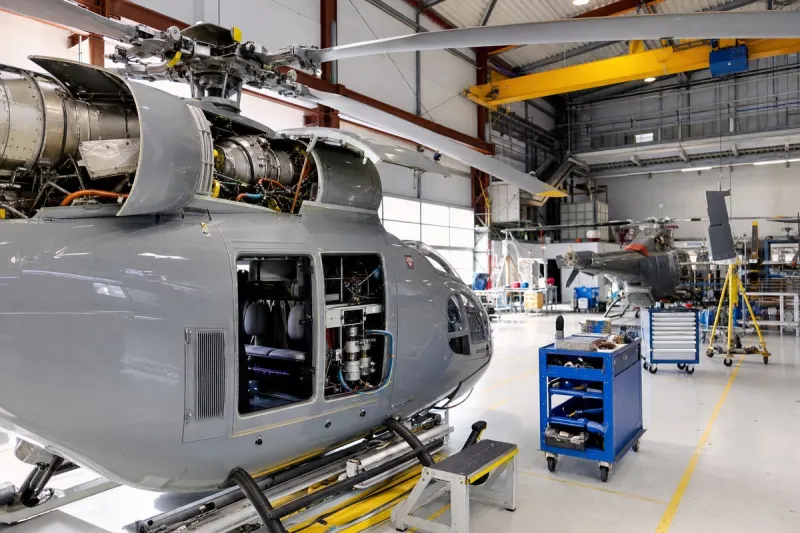
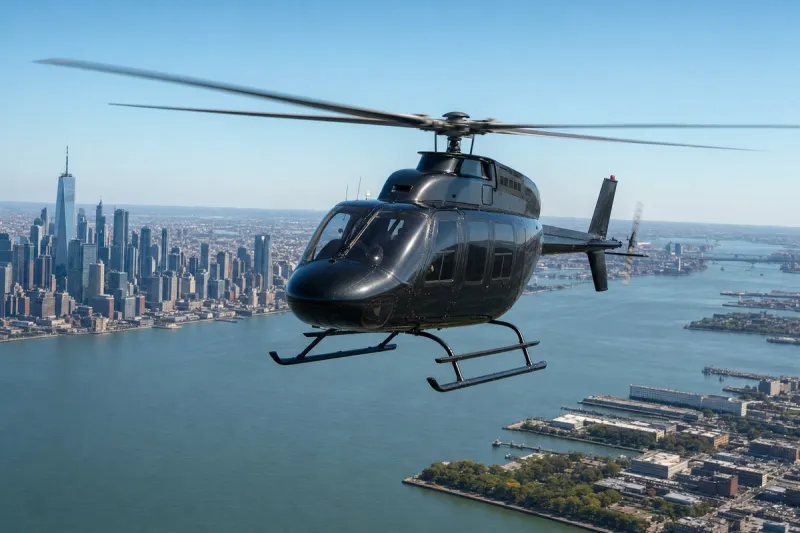
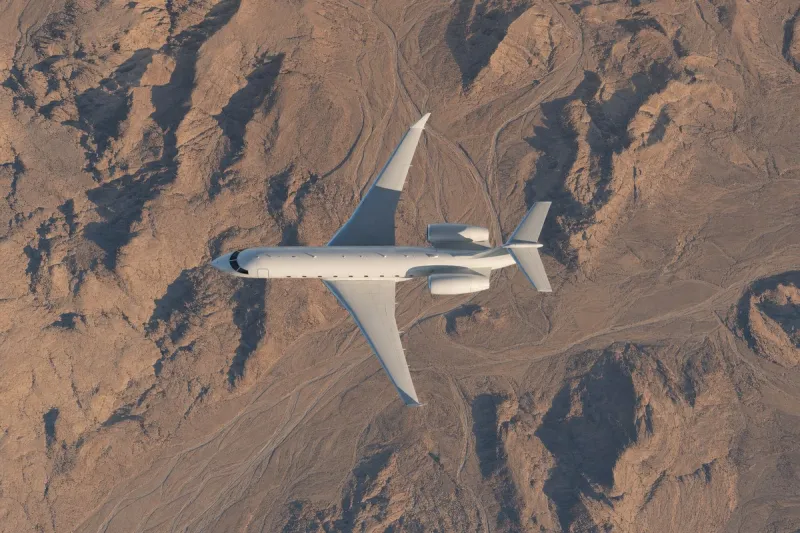
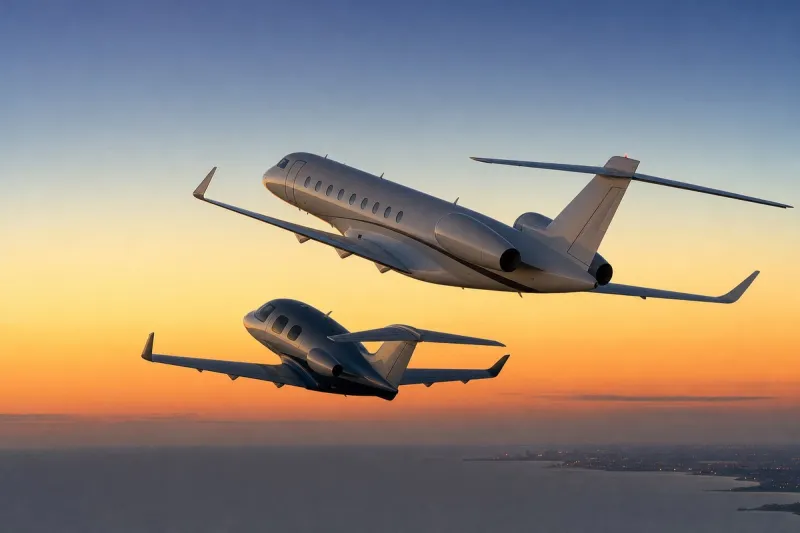
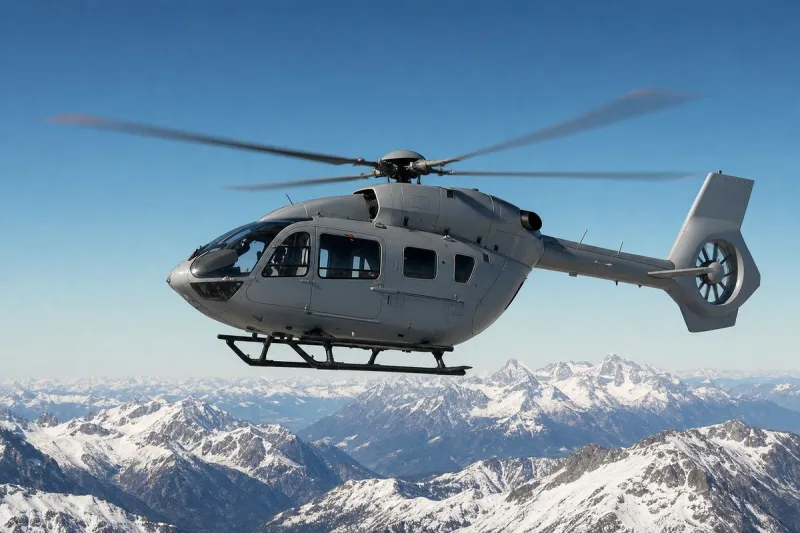
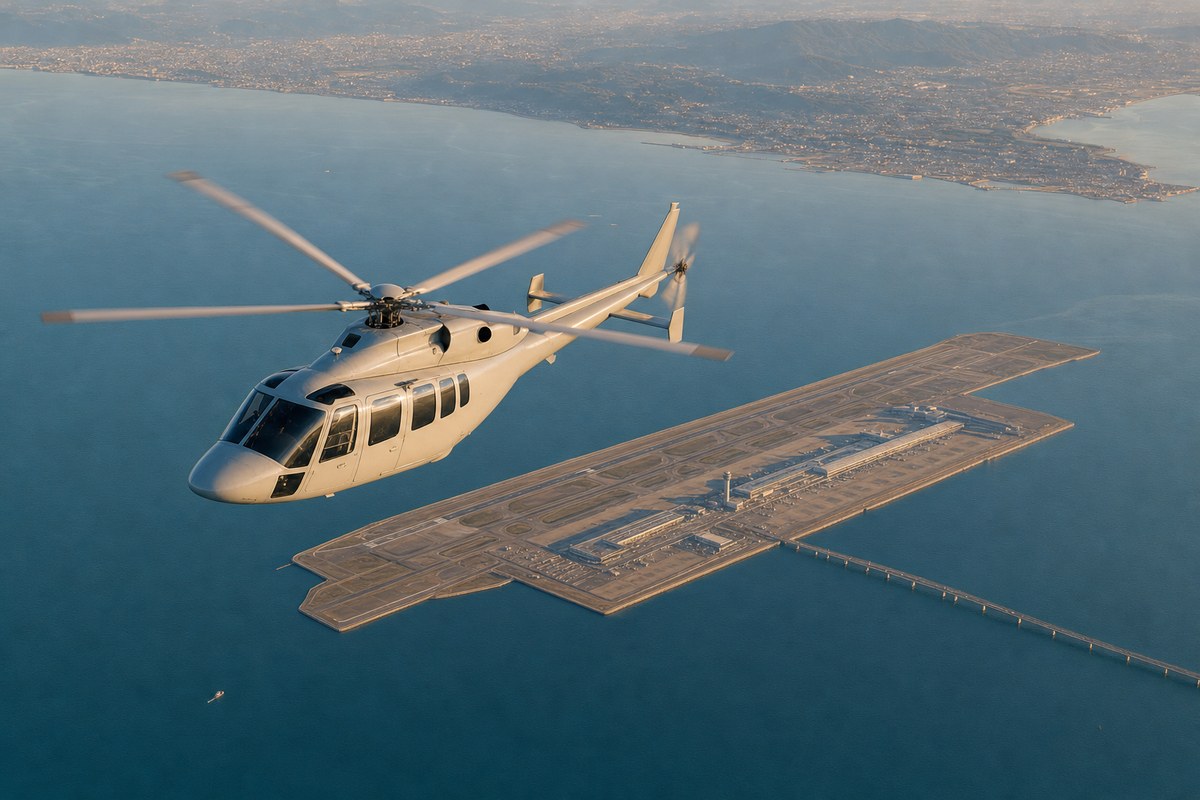
The aircraft is a six-passenger Airbus Helicopters H130 with large panoramic windows and a Fenestron tail rotor designed to reduce cabin noise. Flights may be changed or canceled depending on weather and operating conditions. Charter flights can also depart from the airport for destinations across Japan, with routes set according to the destination.
Reservations are accepted through a dedicated website, by phone, email and LINE; on the website, customers select departure point, destination, travel date and number of passengers. The service is not dedicated to MICE but is available for leisure and business travel, including participants in international conferences, academic meetings and corporate events held in Kyoto.
The operator
Space Aviation operates from nine bases across Japan, from Hokkaido to Okinawa. In May 2026 it signed a basic agreement toward the purchase of the SKYDRIVE flying car, and the company says it envisions linking the shuttle with next-generation mobility, including flying cars, in the future.
Industry impact & what to watch
The economics of an airport-to-city helicopter link rest on two things this launch addresses directly: access to the airside area and the time lost on the ground. The permission to operate within Kansai's restricted area and the cut in vehicle transfer from about 25 to about 10 minutes matter as much as the 25-minute flight, because door-to-door time is what a passenger compares against a road or rail journey of 90 to 120 minutes.
The pricing structure also shows how this segment tends to build demand. A shared product that flies with at least four passengers spreads the cost of a six-seat aircraft across several fares, while whole-aircraft charter serves groups and itineraries that shared slots cannot. Eight daily slots on a reservation basis keep capacity matched to booked demand rather than to a fixed timetable.
The launch fares are described as introductory and subject to change, so the price that holds after the opening period is the figure that will show whether the shared-seat model sustains demand at this level.