Honeywell Forecasts 9,950 Business Jet and 4,200 Turboprop Deliveries Over 10 Years, With 29% Fleet Growth
Why It MattersA forecast built on higher deliveries, lower retirements and flight hours outgrowing the fleet points to aftermarket and service demand that rests on utilisation rather than on new aircraft alone.
What happened
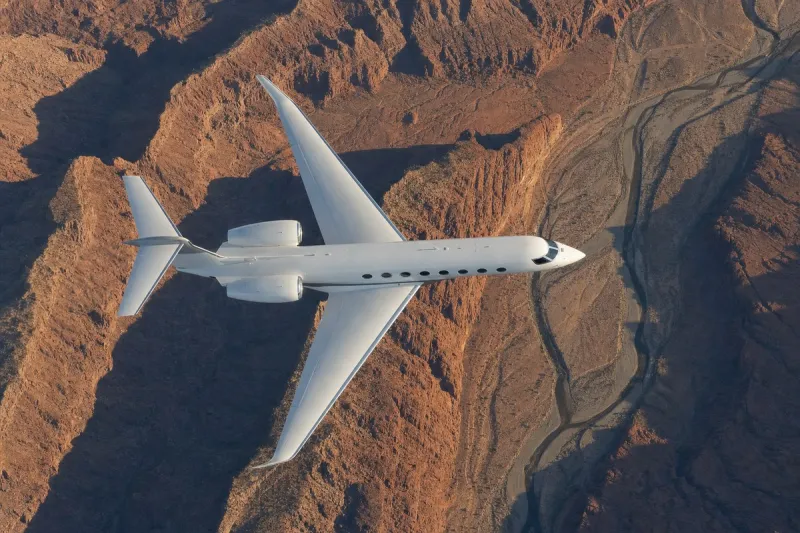
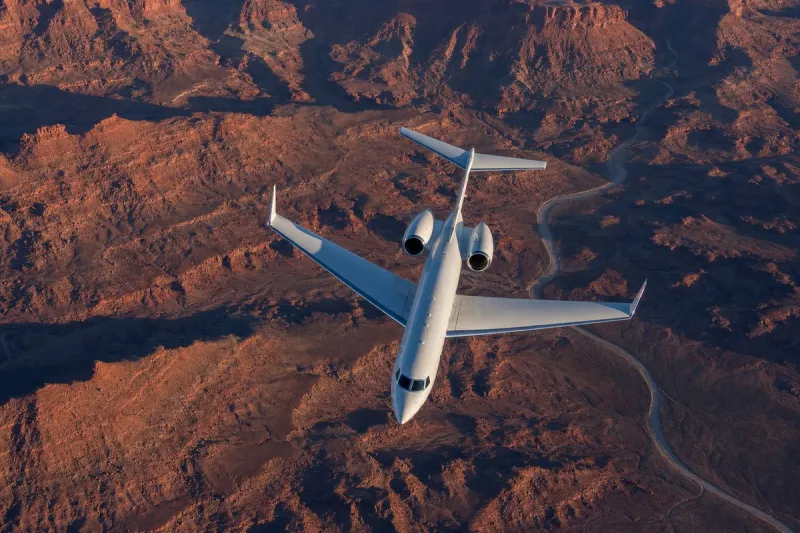
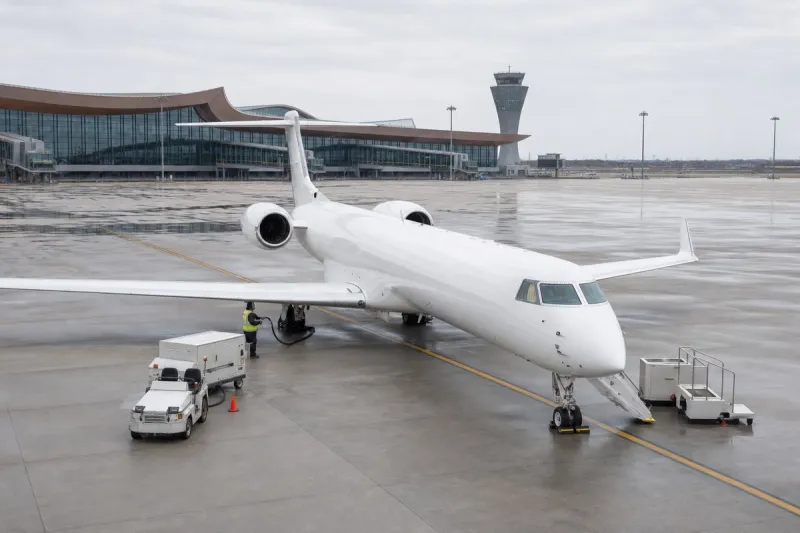
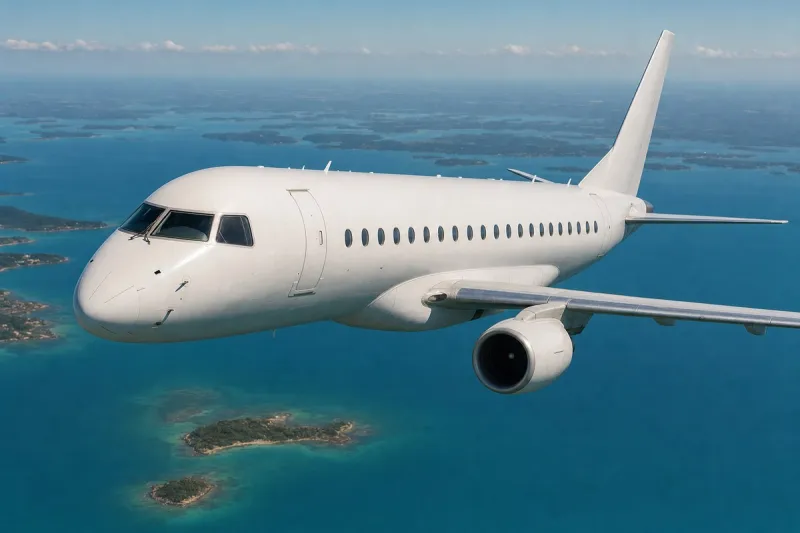
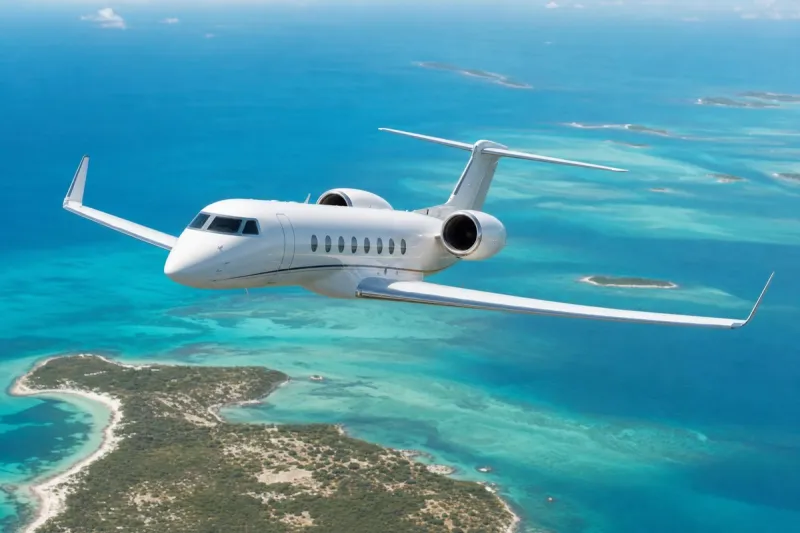
Honeywell Aerospace is forecasting 9,950 new business jet deliveries and 4,200 turboprop deliveries over the next 10 years. The figures come from its 35th Global Business Aviation Outlook for 2025-35, released in Las Vegas.
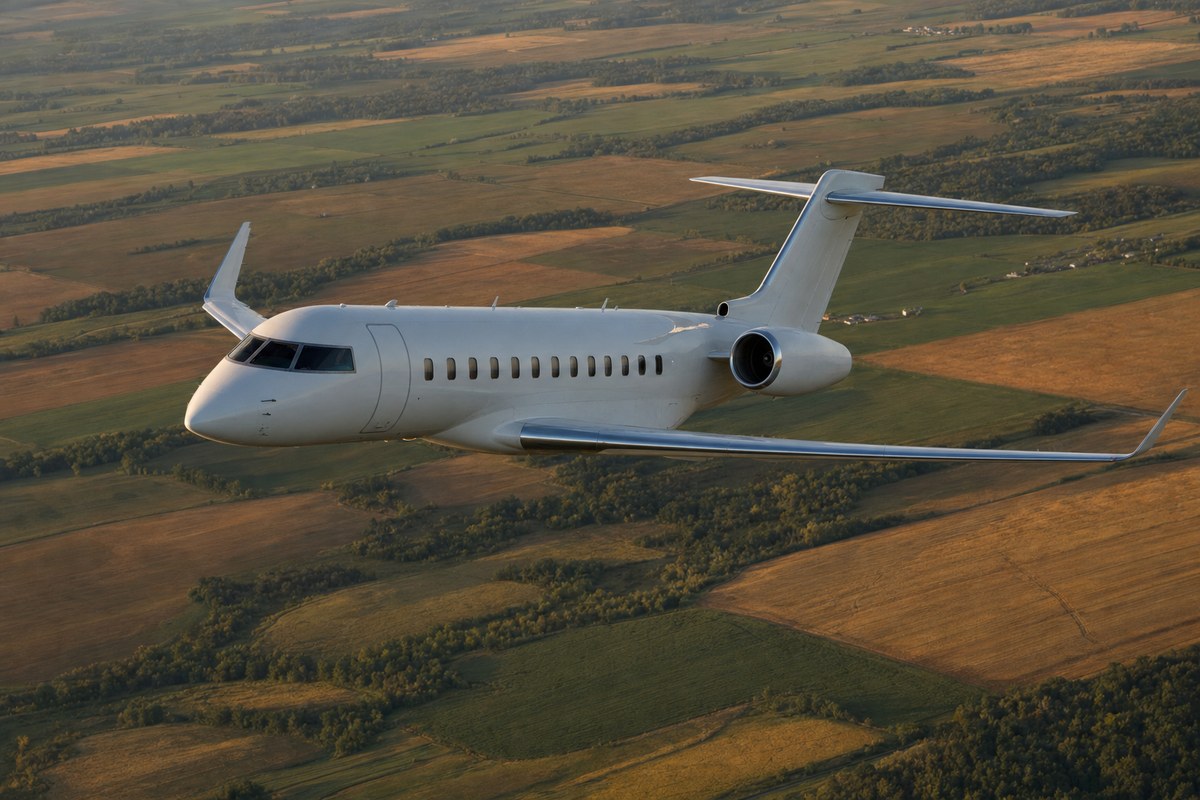
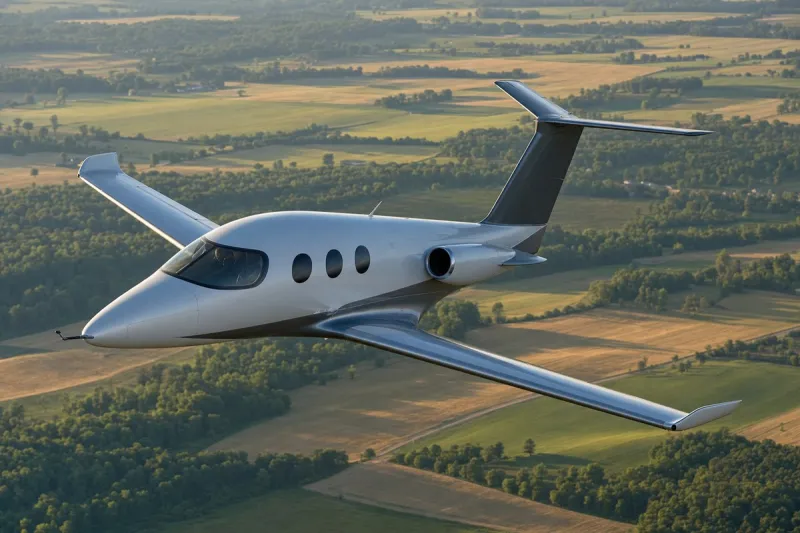
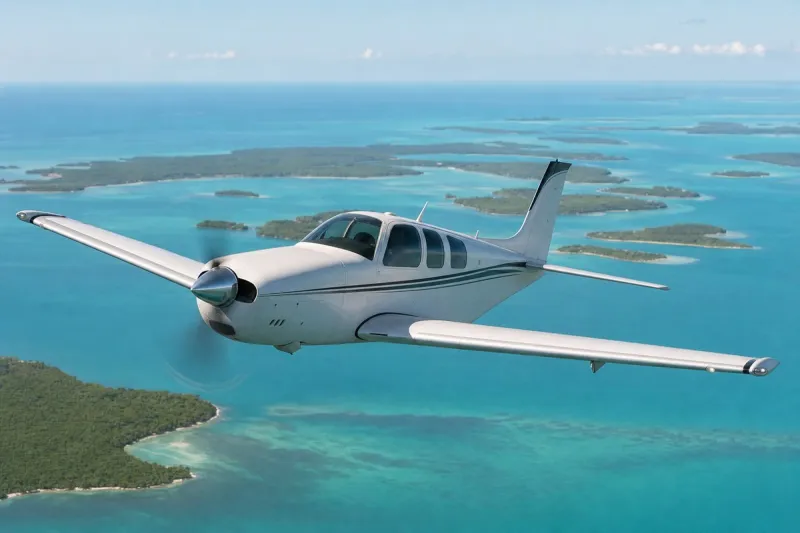
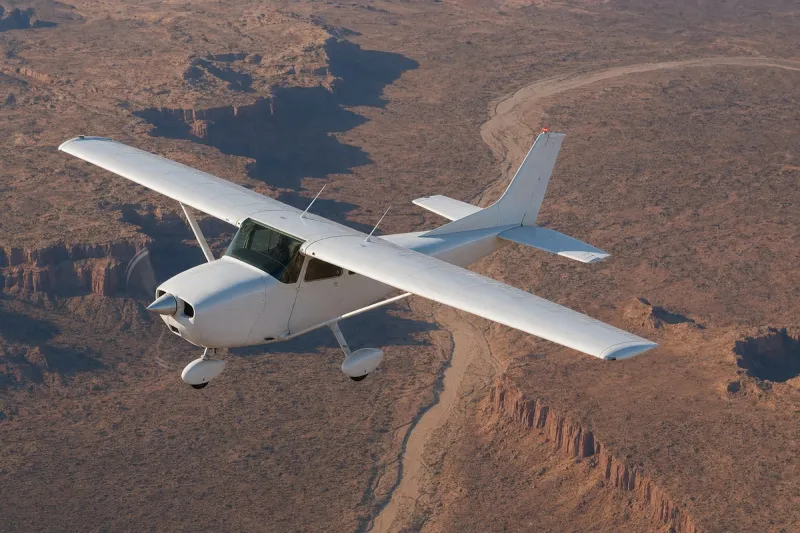
Kevin Schwab, Honeywell strategic planning manager, said this year's numbers cannot be compared directly with past reports. Honeywell has for the first time widened coverage to include turboprops and personal jets, mostly the Cirrus SF50 Vision Jet. Adjusted to match last year's narrower scope, the new forecast is a 4.4% increase over last year's outlook.
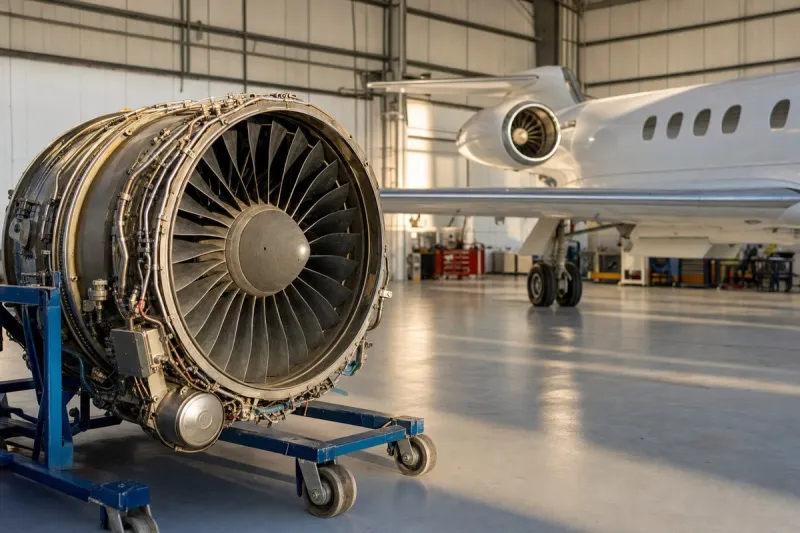
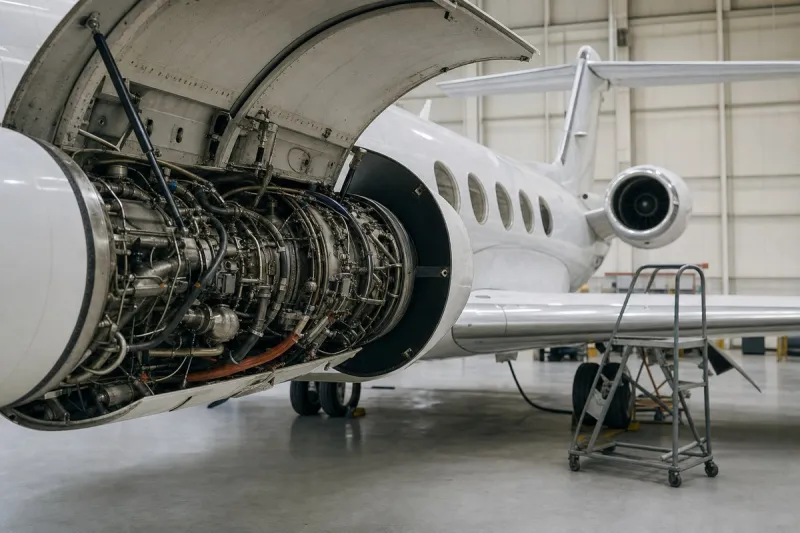
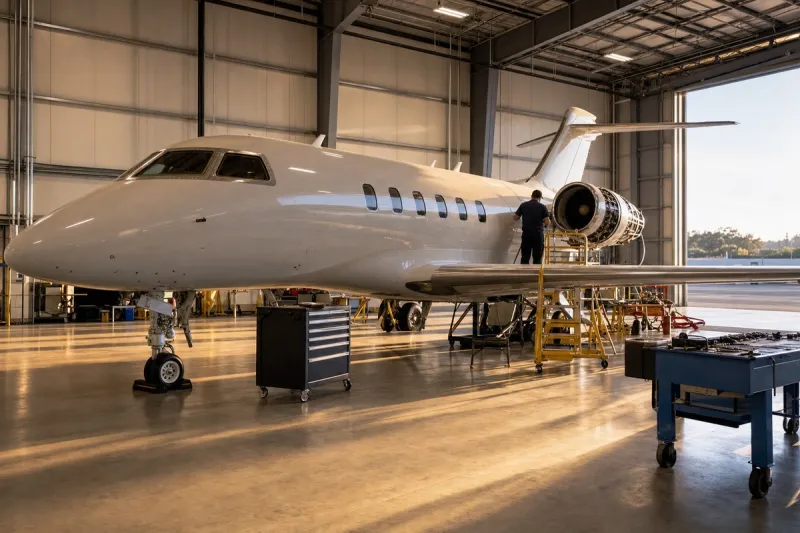
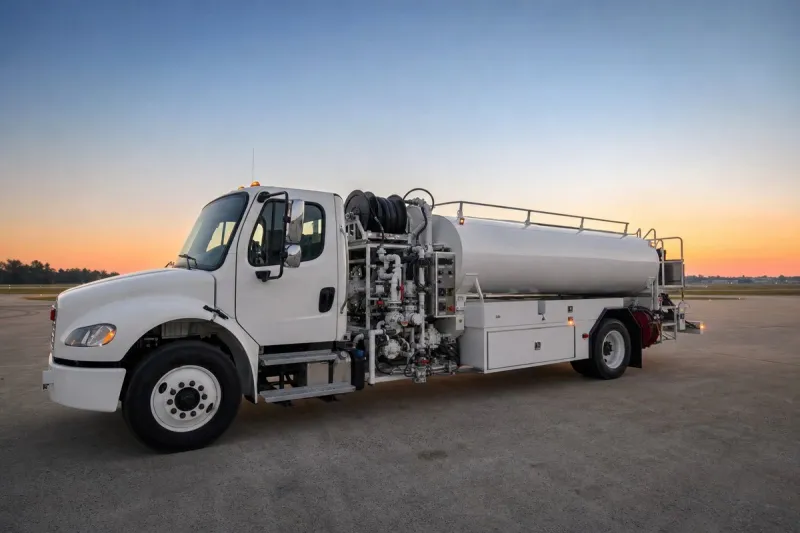
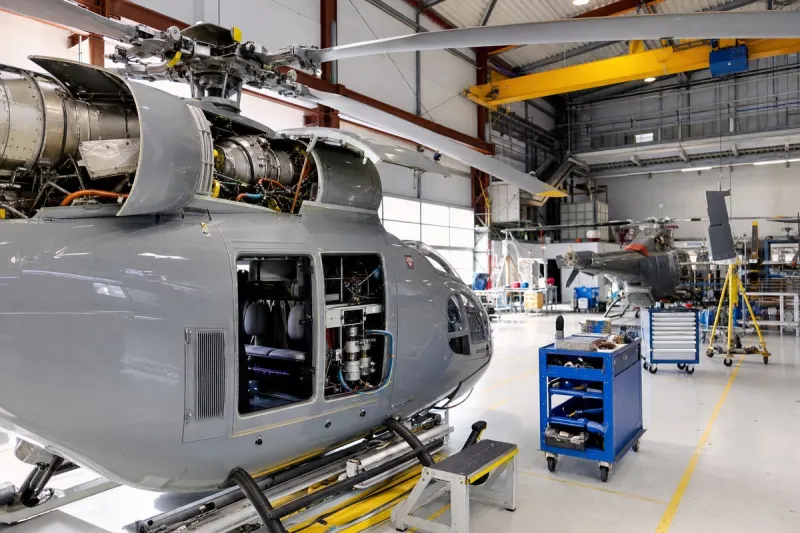
Honeywell also projects 29% fleet growth over the next 10 years, more than the growth of the past decade. It attributes this to higher deliveries and slightly lower retirements. Fractional ownership and, to a lesser extent, charter models are making aircraft use more efficient, which pushes projected flight-hour growth to 34%, ahead of fleet growth. Schwab said the larger fleet benefits the wider support ecosystem, including retrofits, modifications, MRO services, FBOs and fuel suppliers.
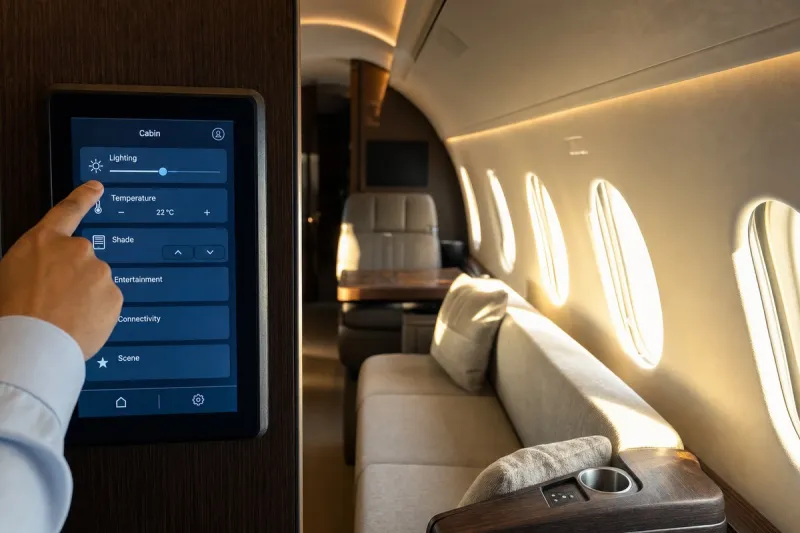
Honeywell's annual Buyer Expectations Survey of operators worldwide found that 28% have at least one aircraft on firm order, slightly above prior years. Respondents said they prioritize mission performance when buying, with range, payload, speed and field performance the primary factors. They also put strong emphasis on cabin experience, cost and customer support.
Business jet flight hours are already up more than 4% in 2026. Midsize and super-midsize jets are up about 7% year over year, and large-cabin jets about 5%. Roughly 30% of surveyed operators expect to fly more next year than this year.
Industry impact & what to watch
The headline delivery numbers are harder to read than they look, because the scope change means the 9,950 and 4,200 totals do not line up with earlier editions. The like-for-like 4.4% increase is the figure that speaks to underlying momentum, and it is a modest step rather than a step change in how many jets the industry expects to build.
The more consequential pattern sits in the gap between 29% fleet growth and 34% flight-hour growth. When shared-use models such as fractional ownership and charter lift how many hours each aircraft flies, demand for maintenance, fuel, handling and modification work grows faster than the fleet itself. That is the mechanism behind Schwab's point that the support ecosystem benefits, and it means segments tied to flying activity can expand even in years when deliveries are flat.
The 2026 flight-hour gains across midsize, super-midsize and large-cabin jets, together with the 30% of operators expecting to fly more next year, are the near-term data points that would confirm or weaken the 34% projection.