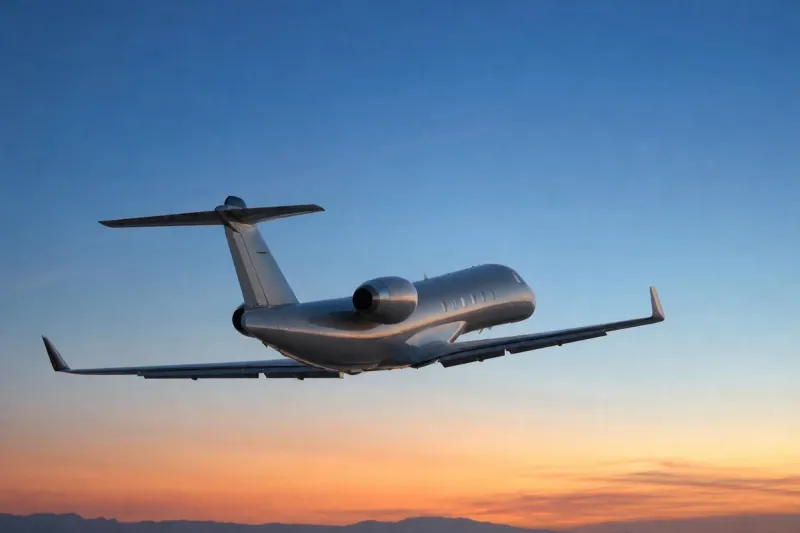
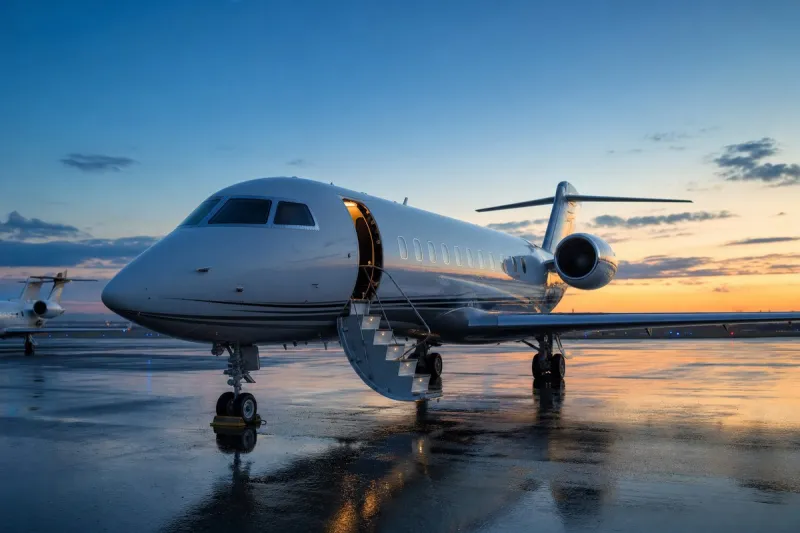
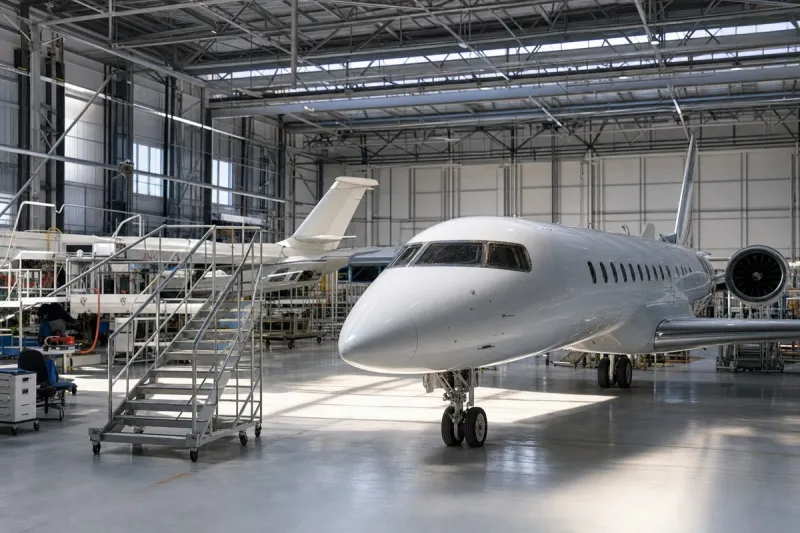
Gulfstream president Mark Burns says demand is strong, expects to build 160 aircraft this year and sees path to 200 a year
Why It MattersLarge-cabin supply depends on factory throughput and certification pace more than on order intake, so output targets and regulatory timelines now set how fast new deliveries reach the market.
What happened
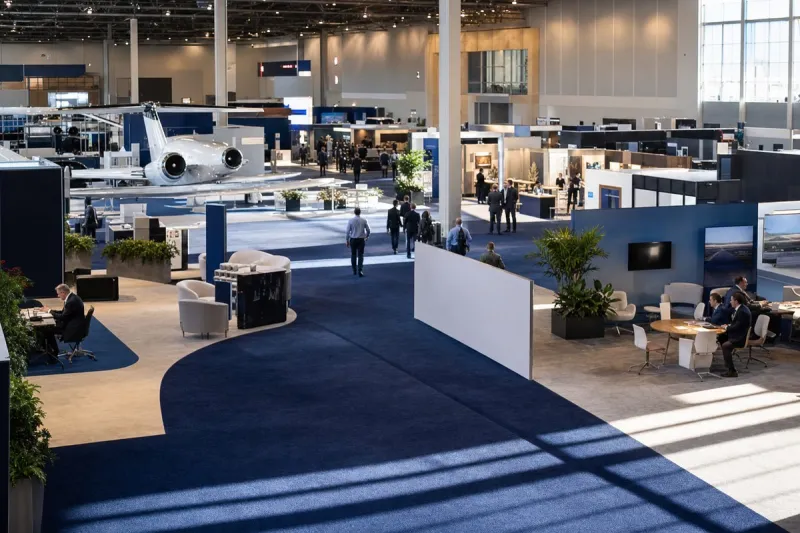
Gulfstream president Mark Burns spoke at NBAA-BACE media day on Oct. 19, 2026, his first appearance there since 2019. Asked whether economic and geopolitical worries were reaching his order book, he said, "Demand is not the concern right now," while noting that customers raise the economy constantly. He said the buyer base has widened from "basically the Fortune 100 of the United States and Europe" to "everywhere," with a younger demographic and more wealthy individuals, and that the current AI boom has created new opportunities.

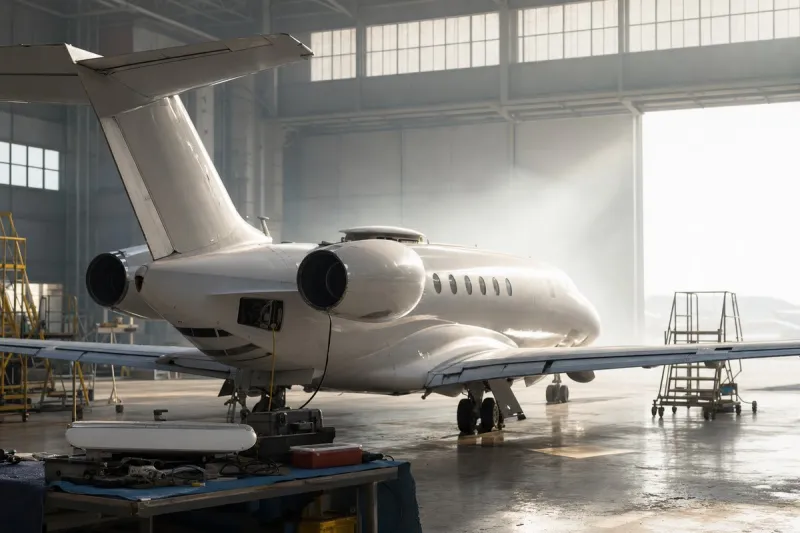
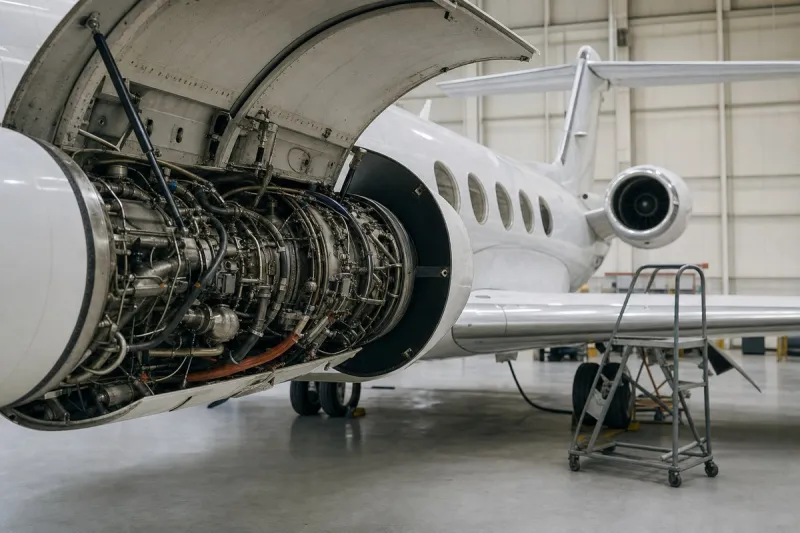
Burns said Gulfstream will build 160 airplanes this year and will build more in the future. Asked about reaching 200 aircraft a year, he said the company is "well on that path" and that, barring unforeseen catastrophe, it is "inevitable." He pointed to factory automation: Gulfstream took wing production in-house in 2014, and "almost every hole is robotically drilled now," largely eliminating errors that once took hours or hundreds of hours to correct. Gulfstream has grown from 900 employees when he started to close to 25,000, and it has delivered 34 G800s in less than a year.
On certification, Burns said Gulfstream has certified the G500, G600, G700 and G800 in the last seven years. Development of the G700 began in earnest in 2018 and lost time to COVID before certification in 2024; he said he was highly vocal about his dissatisfaction with the process. The G800 "went just according to schedule." He said he has made the case for modernization to the Department of Transportation, that faster certification is possible without compromising safety, and that delays are partly regulators' schedules as well.
On supply chain and workforce, Burns said that after post-COVID issues, "I don't see the supply chain as limiting us today," and that suppliers say they can keep up. Gulfstream expects to vertically integrate somewhat more work internally.
Industry impact & what to watch
For a manufacturer in the large-cabin segment, the binding constraints on delivery volume are production capacity, supplier performance and the pace of type certification, not the number of buyers. Burns's account places Gulfstream's ceiling in those three areas, which is why his remarks centre on robotic drilling, in-house wing production and regulator timelines rather than on sales.
His comments on a widening buyer base describe a demand pool that no longer rests on a narrow group of corporate customers in the US and Europe. A manufacturer selling into a broader set of wealthy individuals and regions is less exposed to a downturn in any single corporate sector, though that is a general feature of how the market works and not something Burns quantified.
What settles the 200-a-year question is whether output steps up from 160 in the coming years and whether suppliers keep pace as Gulfstream pulls more work in-house. The next certification decisions on new Gulfstream types will show whether his case to the Department of Transportation for faster approval changes the schedule.