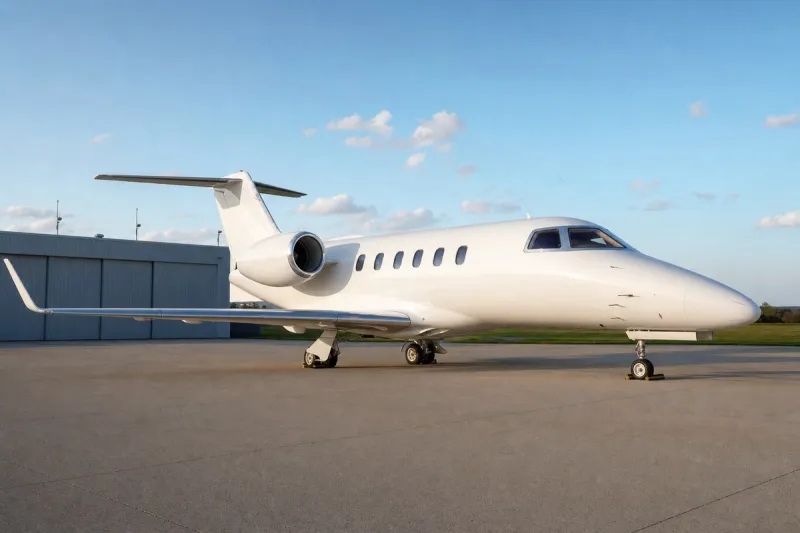
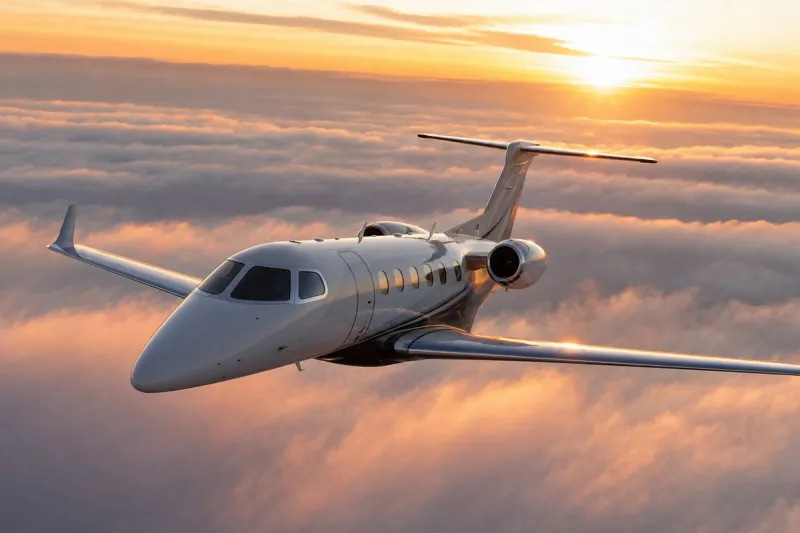
Cirrus Marks 10 Years of Vision Jet, Citing More Than 800 Deliveries and Growing Mission Use
Why It MattersA decade of continuous generational upgrades on one certified airframe shows how single-engine personal jets compete on iterative safety and connectivity features, with emergency automation increasingly shaping buyer expectations.
What happened
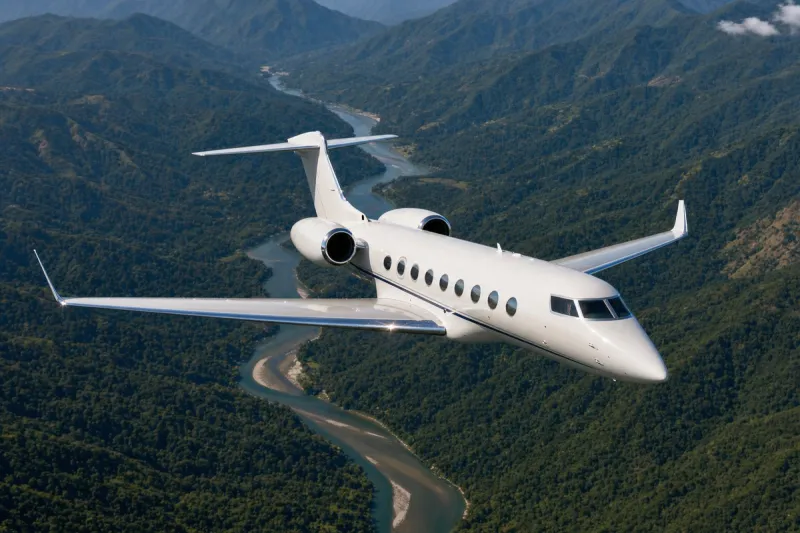
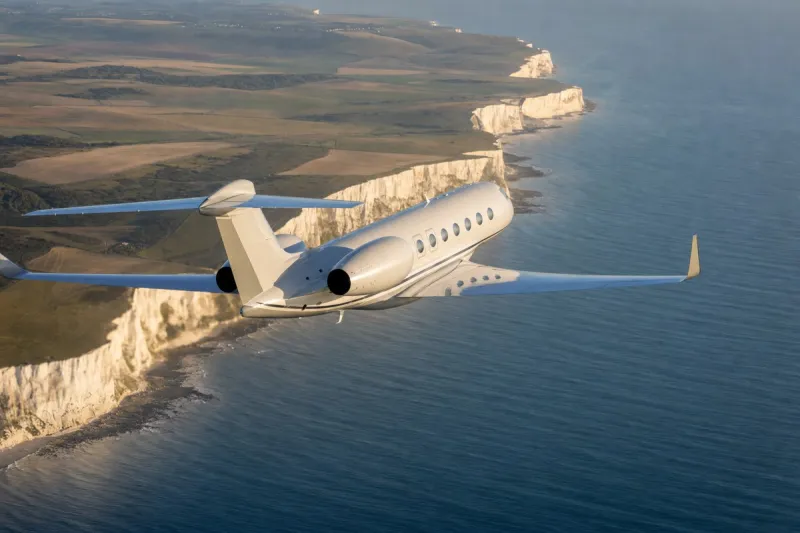
Cirrus is celebrating 10 years of its Collier Trophy-winning Vision Jet at NBAA-BACE 2026, highlighting a decade of development of what it describes as the world's first single-engine personal jet equipped with the Cirrus Airframe Parachute System (CAPS), an integrated whole-airframe parachute.
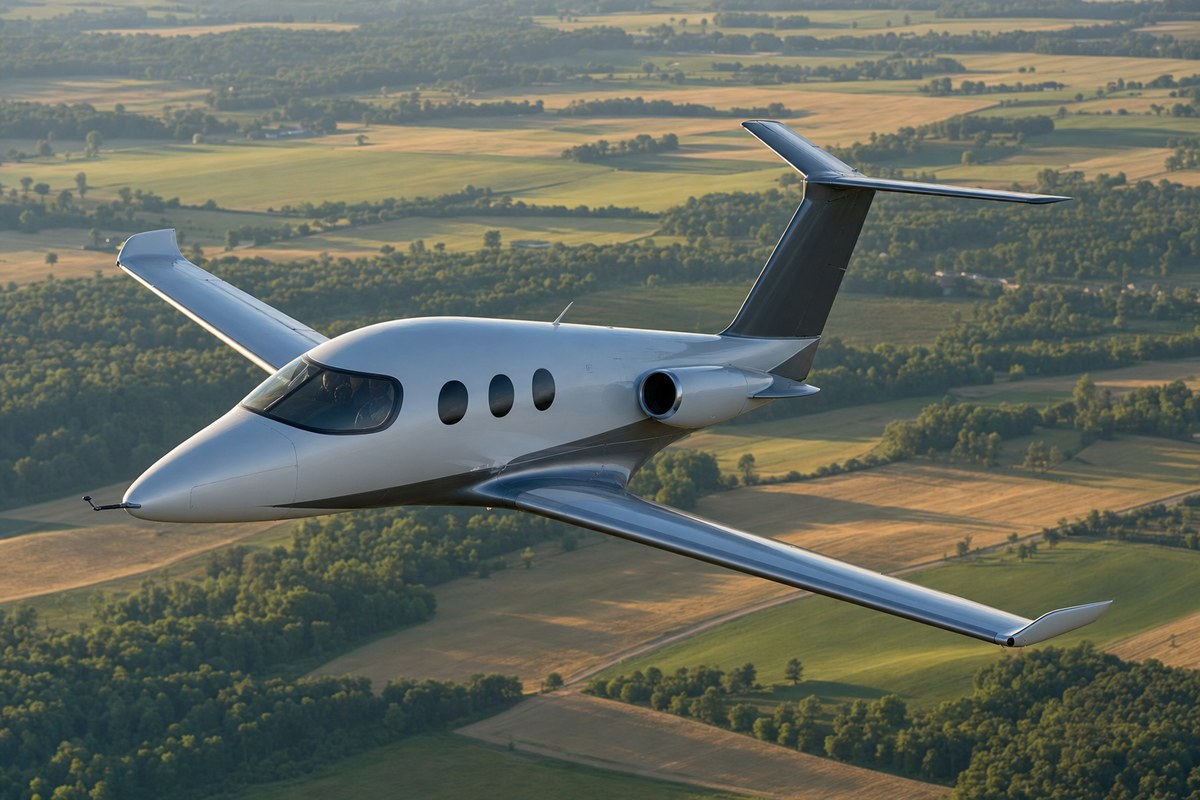
The aircraft earned FAA type certification in 2016 and has since evolved through three generations. The G2 introduced improved performance, range and cabin enhancements, and the G2+ added expanded connectivity, better takeoff performance and Safe Return Emergency Autoland. The G3 is capable of 317 ktas.
Cirrus also cites more than 800 deliveries and growing mission use as markers of the program's first decade.
Industry impact & what to watch
The Vision Jet's path shows how a single certified airframe can stay competitive in the personal jet segment: rather than a clean-sheet redesign, each generation layered on performance, cabin, connectivity and safety-system changes. Emergency automation such as Safe Return Emergency Autoland, introduced with the G2+, is now part of the baseline case manufacturers make to owner-pilots and small operators.
The 800-plus delivery figure positions the type as an established product rather than a niche experiment, which matters for resale values, training pipelines and insurer comfort in the segment. How growing mission use translates into fleet utilisation will be clearer as Cirrus shares more detail at the show.