Archer's Midnight Prototype Makes Three Demonstration Flights Over San Francisco Bay from Oakland
Why It MattersThe Bay Area flights show eVTOL developers still validating piloted operations in the field while competitors and regulators set the pace on transition flight and FAA pilot-program data sharing.
What happened
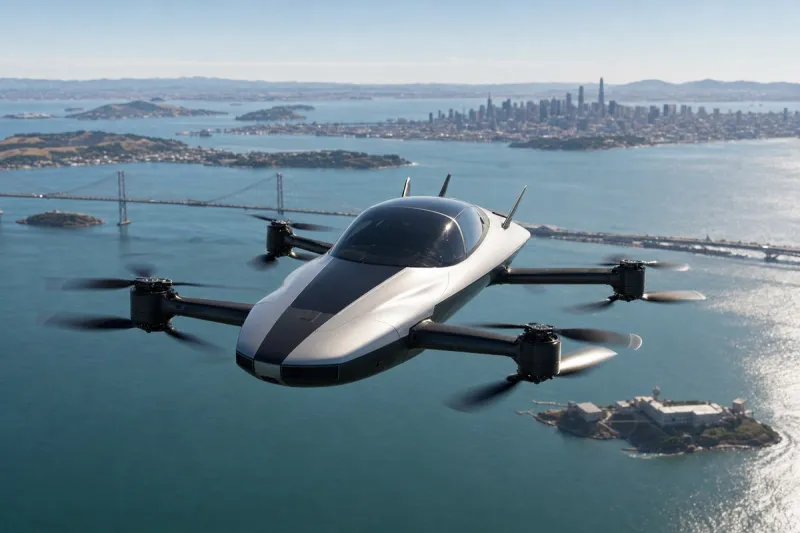
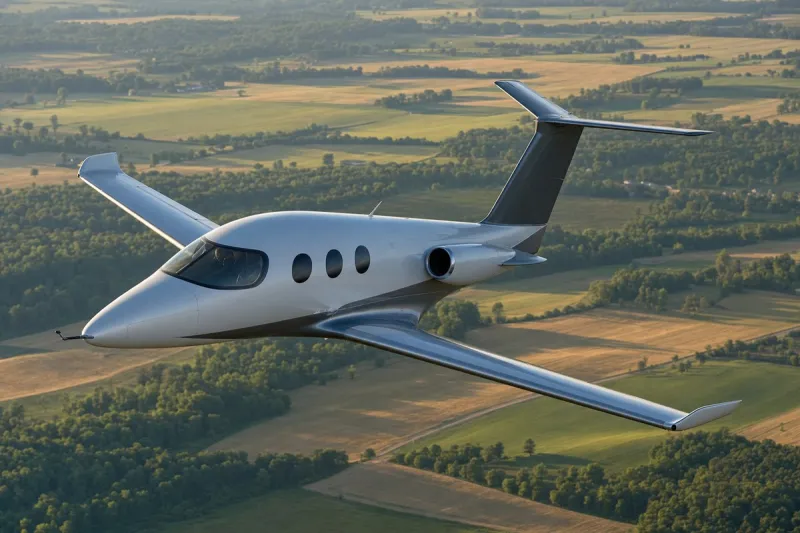
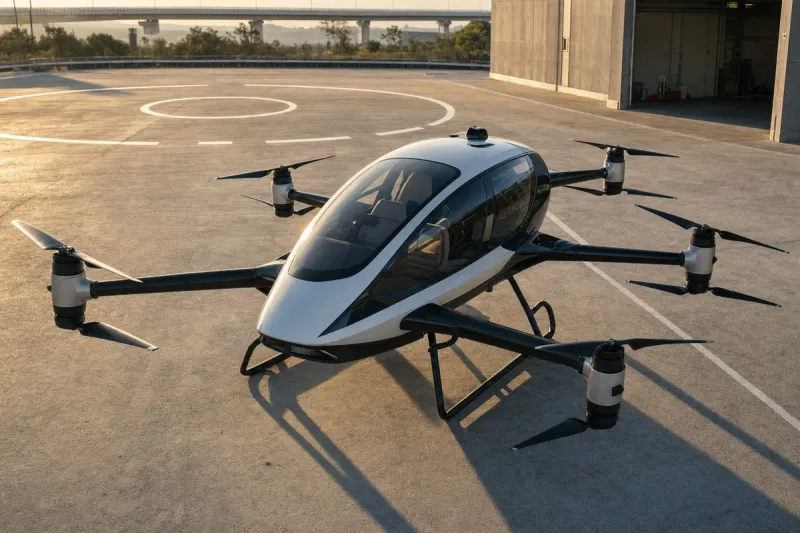
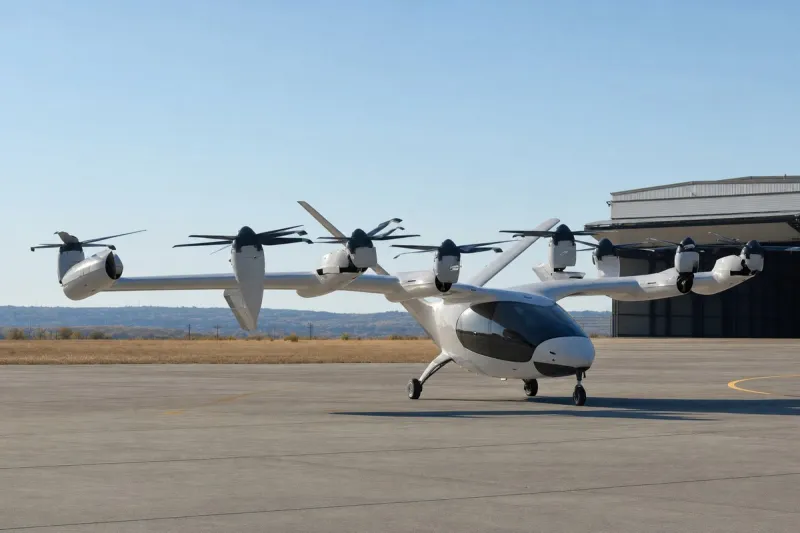
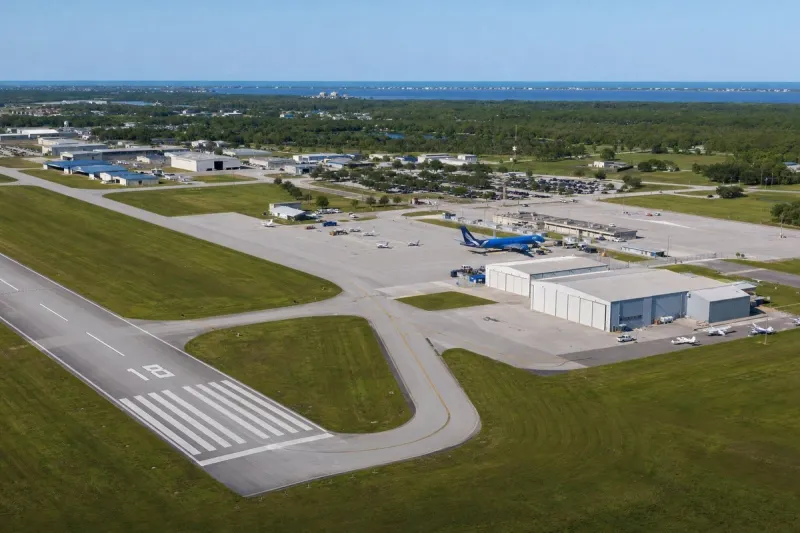
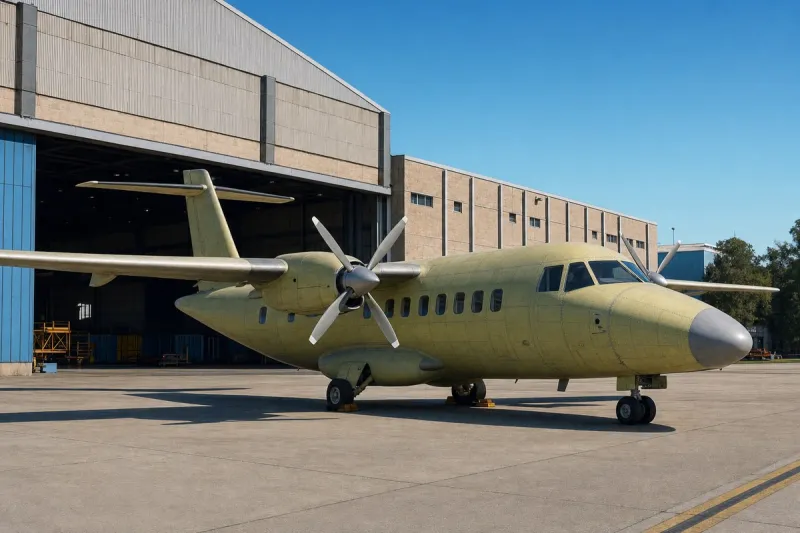
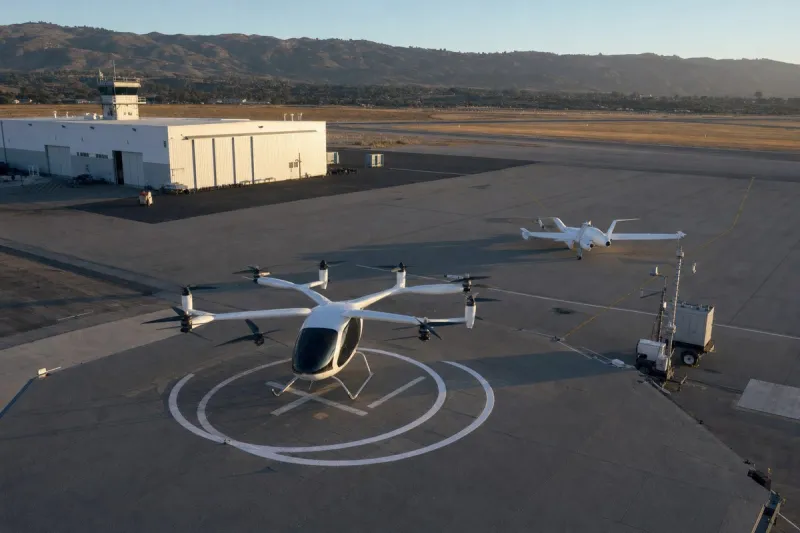
Archer Aviation flew its Midnight prototype over the San Francisco Bay on Thursday as it lays the groundwork for future commercial service in the region. According to FlightAware, the aircraft, registered N703AX, made three flights over the bay, each lasting about 20 minutes. It took off and landed using the runway at Oakland International Airport (KOAK) and did not land in San Francisco's Marina District.
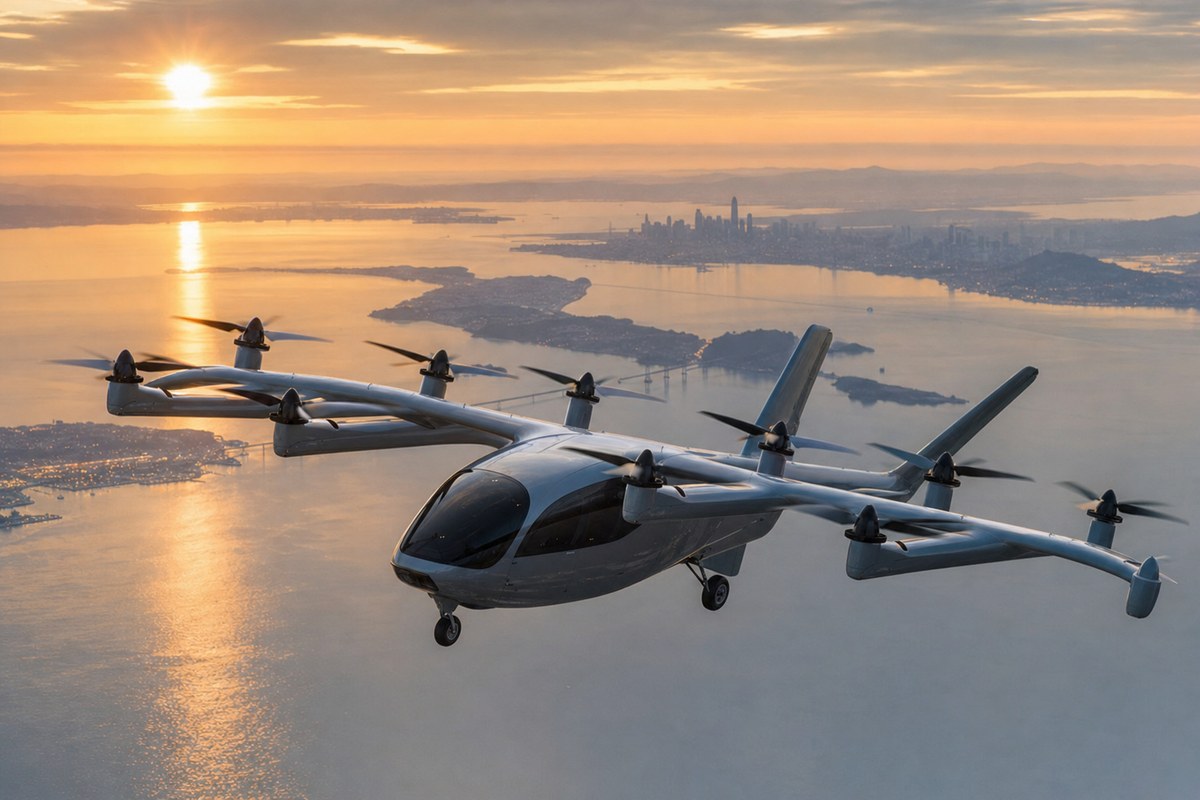
Archer said the demonstration showed that a Midnight trip to the Marina District could take about 10 minutes, compared with more than one hour by car in traffic. Aviation International News reports that N703AX is a preproduction prototype that cannot transition between vertical and wingborne flight, and Archer has not yet showcased that transition.
The Bay Area flights were part of a week of piloted flights across Northern California in which the aircraft flew more than 200 miles and reached a top speed of 131 mph. The company said it flew into seven cities over three days, completing the first leg of its "No Roads" demonstration campaign, which began in September with round-trip flights between its California facilities in Salinas and Mont…
The next leg will take Midnight to Los Angeles, where Archer is partnering to build a vertiport; the company plans on-demand passenger service there during the 2028 Olympic Games. Later legs are planned for Texas and Florida, where Archer will conduct activities under the FAA's eVTOL Integration Pilot Program (eIPP), in which participants share data with the FAA to guide future operational rules. In March, Archer said its latest test aircraft was on track for piloted VTOL activities during the eIPP later this year.
Founder and CEO Adam Goldstein said the flights show Archer can connect communities "with no roads, no traffic, and no emissions in minutes instead of hours." Midnight is designed to carry a pilot and up to four passengers, cruise at up to 150 mph and recharge in about 10 minutes, making 10-20 minute trips in places such as Los Angeles and New York City.
How it unfolded
Midnight heads to Los Angeles, with later legs in Texas and Florida under the eIPP.
Three roughly 20-minute flights over San Francisco Bay from Oakland International Airport.
Midnight flies into seven cities across Northern California, covering more than 200 miles at a top speed of 131 mph.
Archer's "No Roads" campaign begins with round-trip flights between its California facilities in Salinas and Mont…
Industry impact & what to watch
Demonstration tours like this one are how eVTOL developers build the case for passenger service before type certification is in hand. Archer and Joby both hold FAA Part 135 certification, which covers operating a carrier, but neither has yet obtained type certification for its aircraft design, so field flying and data sharing carry much of the proof burden.
The comparison with Joby is the sharpest in the segment: Joby flew over the same bay in March and shared video of a full transition from vertical to wingborne flight, while Archer's preproduction prototype has not yet shown that transition. Joby also began eIPP operations in Texas in September. Both companies aim to begin passenger flights in the coming months, and their partnerships (United Airlines and Stellantis for Archer, Delta Air Lines and Toyota for Joby) tie each to a major airline-backed route to market.
The near-term markers are concrete: the Los Angeles leg, where a vertiport is being built ahead of planned Olympic Games service in 2028, and the Texas and Florida legs under the eIPP, where data shared with the FAA will help guide future operational rules. Archer's March statement that its latest test aircraft was on track for piloted VTOL activities during the eIPP later this year sets the timeframe in which a transition demonstration could follow.