United Therapeutics to Build Corporate Hangar at Rochester International Airport, Construction Set for Early 2027
Why It MattersA biotech tenant building its own mass timber hangar shows corporate aviation demand at secondary airports being pulled by non-aviation industrial investment, giving regional general aviation ramps a new anchor-tenant model.
What happened
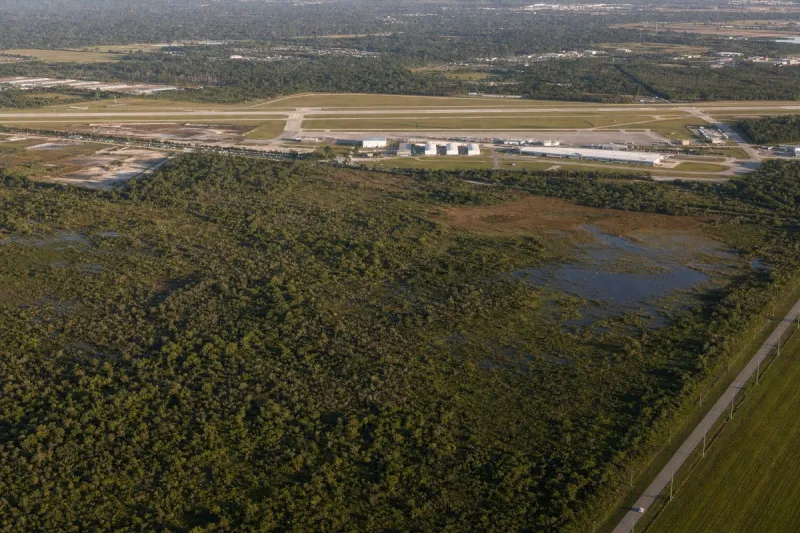
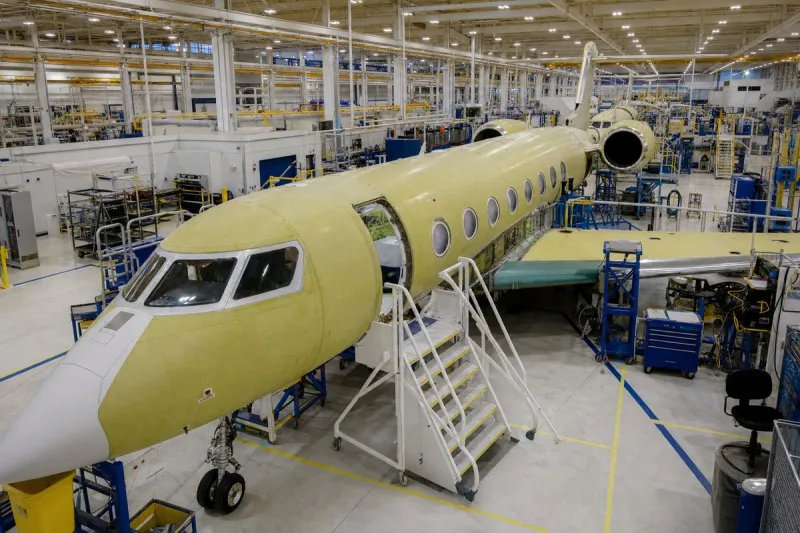
United Therapeutics, a Maryland-based biotechnology company, will begin construction of a corporate hangar at Rochester International Airport (RST) in Minnesota in early 2027. The hangar will support travel tied to the company's new facility in Schumann Business Park on the north side of Stewartville, which is expected to be fully operational early next year. The airport is about 10 minutes from the Stewartville site and 15 minutes from downtown Rochester.
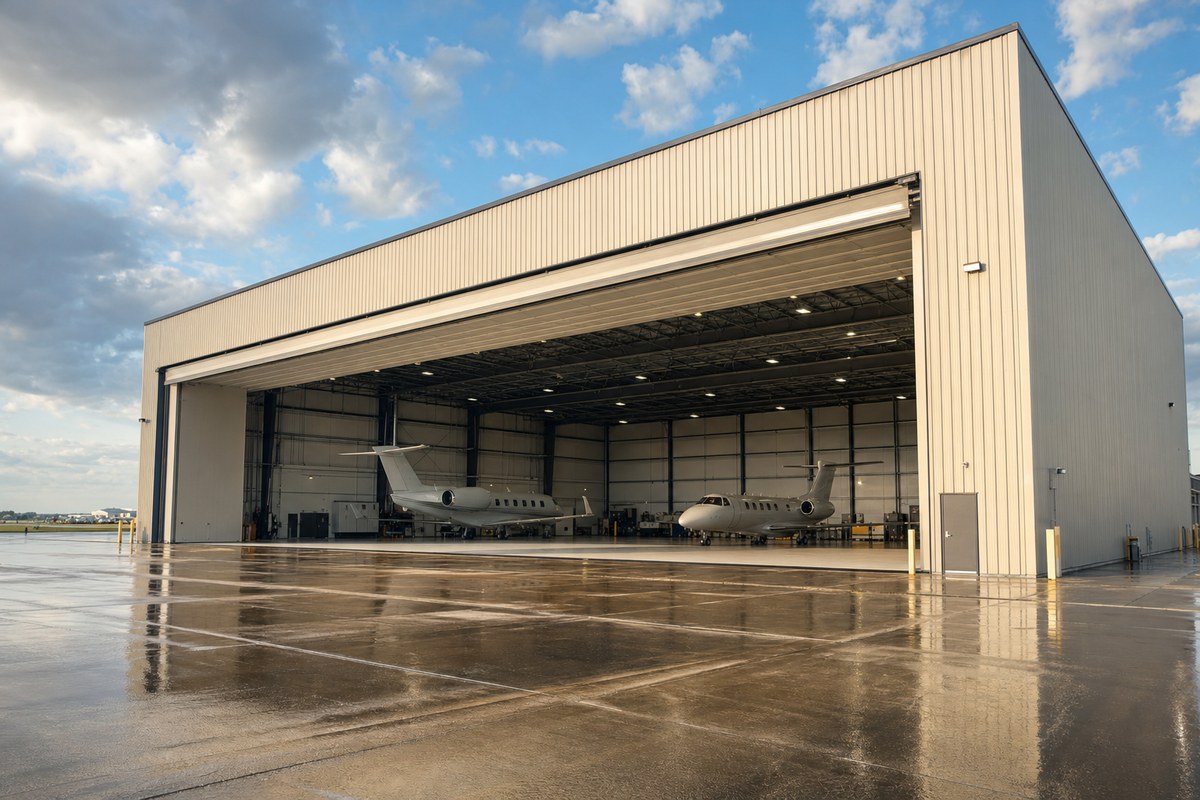
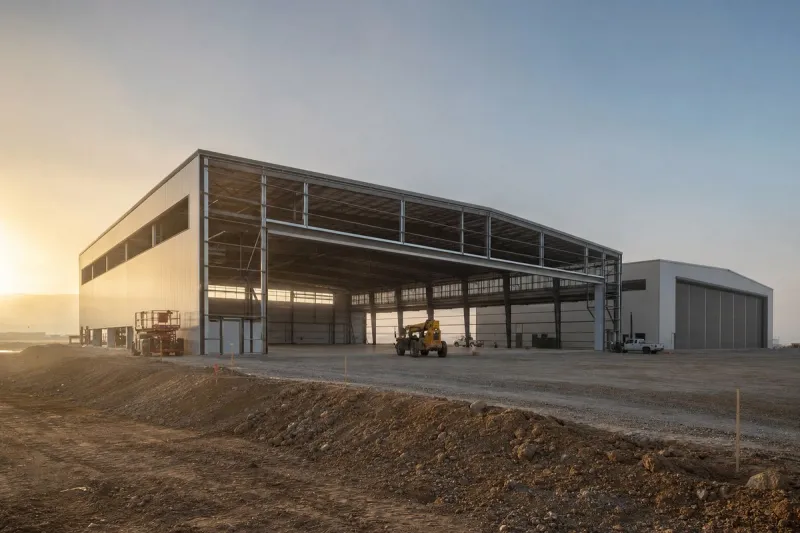
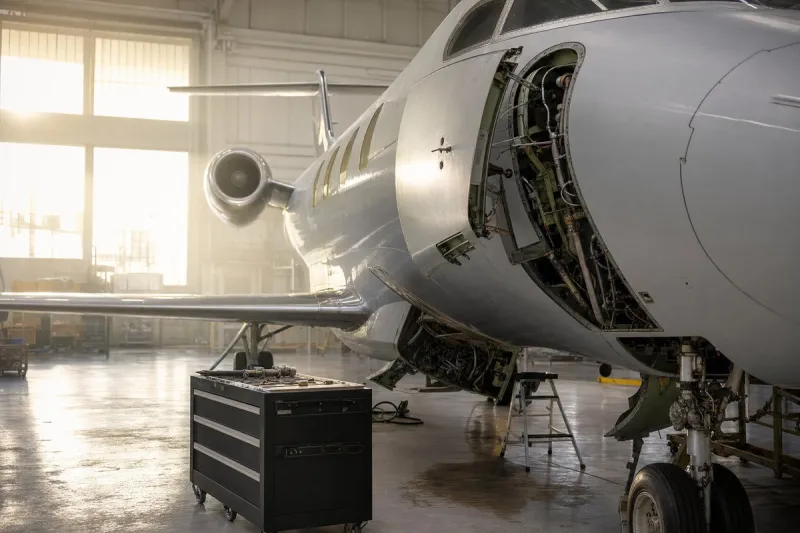
The building is expected to measure about 27,000 to 33,000 square feet and will sit on about 143,720 square feet of airport land west of RST's General Aviation area. It is being designed to accommodate a Gulfstream and a Pilatus aircraft. Site preparation, including drainage, underground utilities and grading, is already underway under the guidance of Mead and Hunt. Minnesota-based Mortenson will serve as general contractor, and construction is expected to take about 12 months, according to Thomas Kaufman, United Therapeutics' Vice President of Corporate Real Estate.
The company plans a mass timber structural system, which it says can reduce construction-related carbon by relying less on steel and concrete. Timber will be visible inside the hangar, and the exterior is expected to use shou sugi ban, a Japanese technique that chars the wood surface to resist rot and insects.
The company said its Minnesota work is tied to its xenotransplantation program, which focuses on genetically modifying pigs so their organs are less likely to be rejected by the human body. The Stewartville facility is part of that effort. Kaufman said aviation could also have a future role in transporting manufactured organs, but for now the hangar's immediate purpose is to support employees traveling to and from the Stewartville facility.
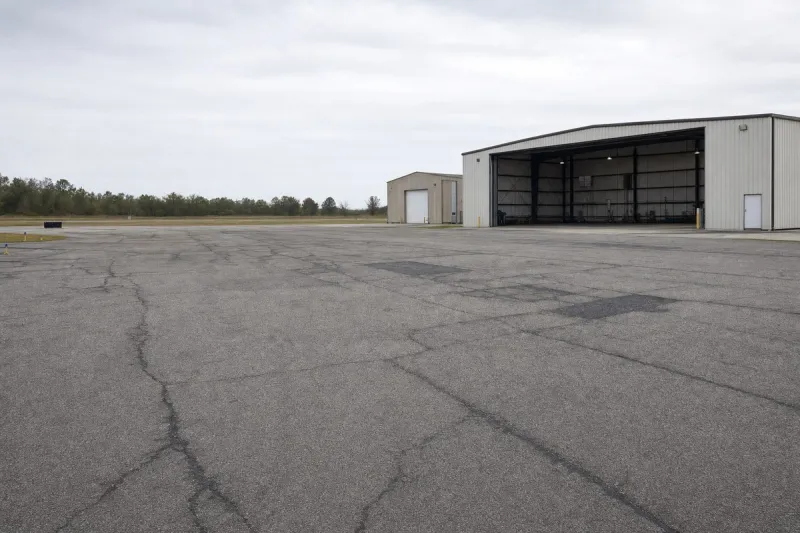
RST Executive Director John Reed called the project an investment in the airport and the region. The investment comes as RST expands and reconstructs its General Aviation ramp for corporate and private aircraft, air ambulances, flight training programs and local flying clubs. Airport leaders said the hangar is the first of its kind at RST.
Industry impact & what to watch
Corporate hangars at smaller commercial-service airports usually follow a company's ground footprint rather than lead it. Here the sequence is visible: a manufacturing and research site in Stewartville comes first, and a dedicated hangar for a Gulfstream and a Pilatus follows to move staff between it and the company's Maryland base. For regional airports, a tenant like this brings a long-term lease, steady fuel and handling demand, and a reason to keep general aviation infrastructure current.
The airport side matters as much as the tenant side. RST is already rebuilding its General Aviation ramp, and airport leaders say this first-of-its-kind hangar could lay the groundwork for more hangar development. A single private hangar can change how an airport plans land use, since the 143,720 square feet it occupies west of the General Aviation area sets a template for later tenants.
The mass timber design is a smaller but separate signal. Corporate flight departments increasingly treat hangars as part of an owner's sustainability reporting, and a visible timber structure with a charred-wood exterior is a way to make that claim concrete. Whether it becomes common depends on how the building performs over its 12-month construction window and how it compares with conventional steel hangars on cost and schedule.
The next milestone is the early 2027 construction start, with the Stewartville facility expected to be fully operational before that. Kaufman's remark that aviation could later play a role in transporting manufactured organs is a stated possibility, not a plan, and any such use would depend on the xenotransplantation program's progress.