Gulfstream Aims to Raise Output to 200 Aircraft a Year or More Amid Full Orderbook
Why It MattersA manufacturer pushing toward 200 airframes a year shows large-cabin demand is limited by factory and global support capacity, so supply-chain control and in-house production become the competitive lever.
What happened
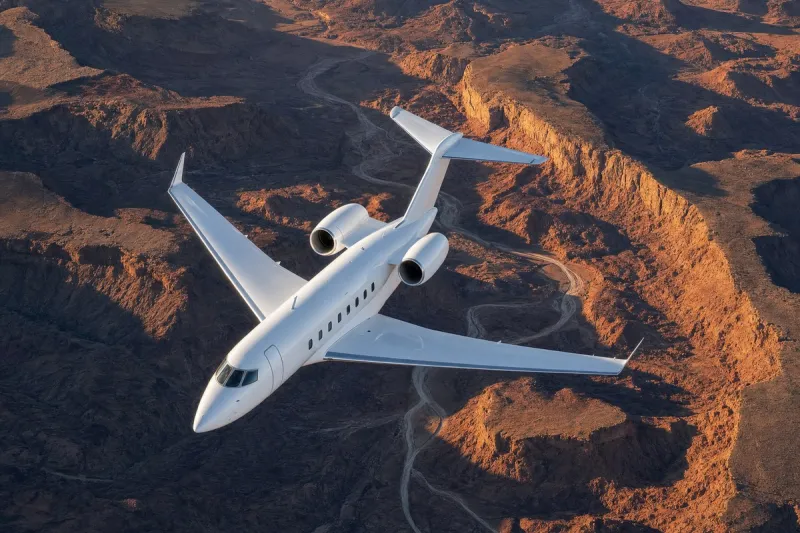
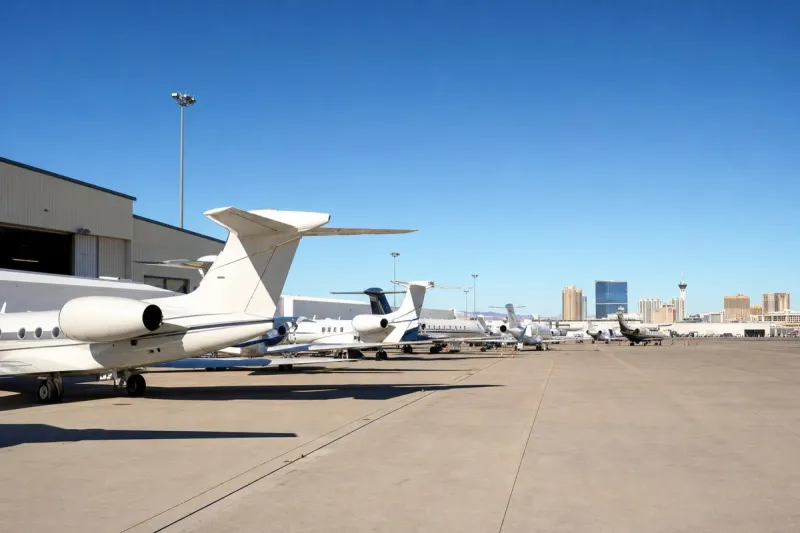
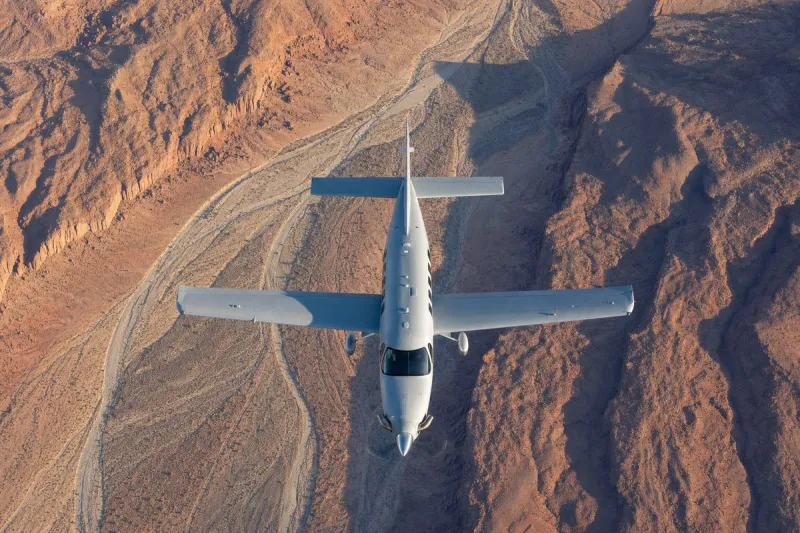
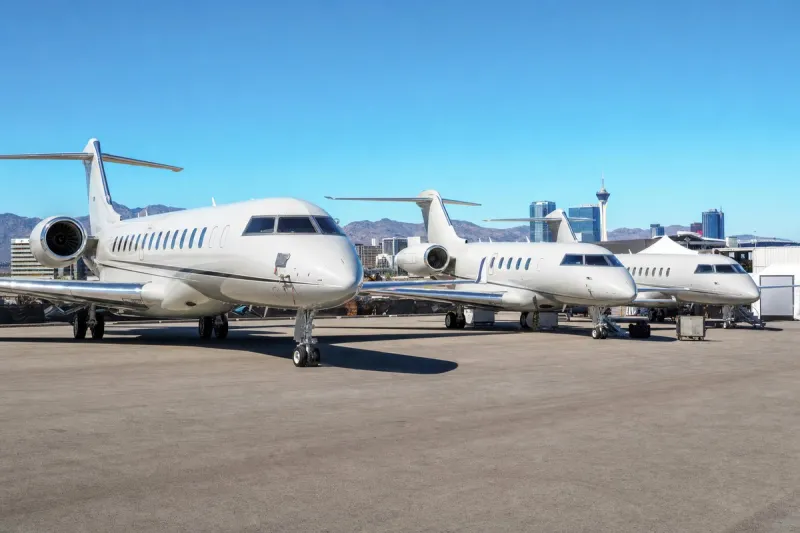
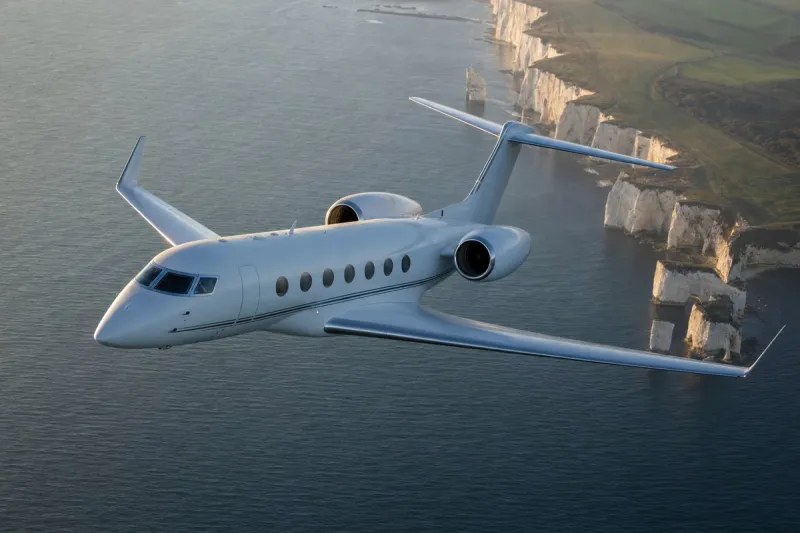
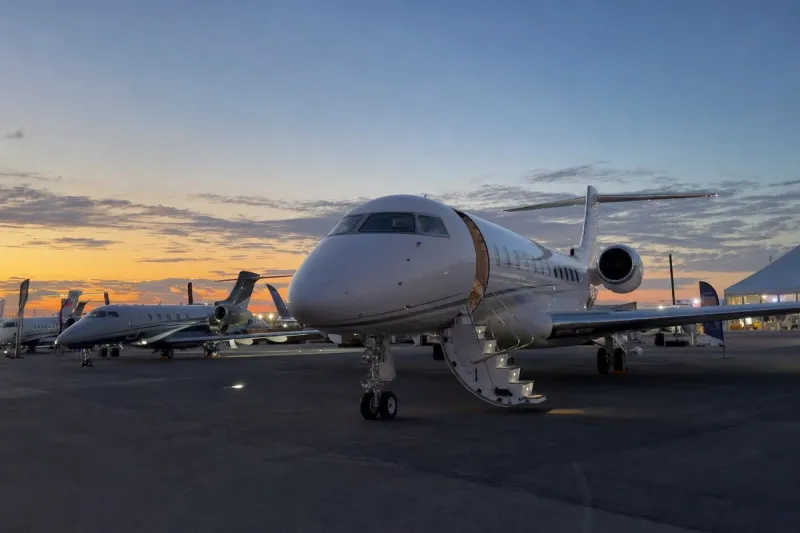
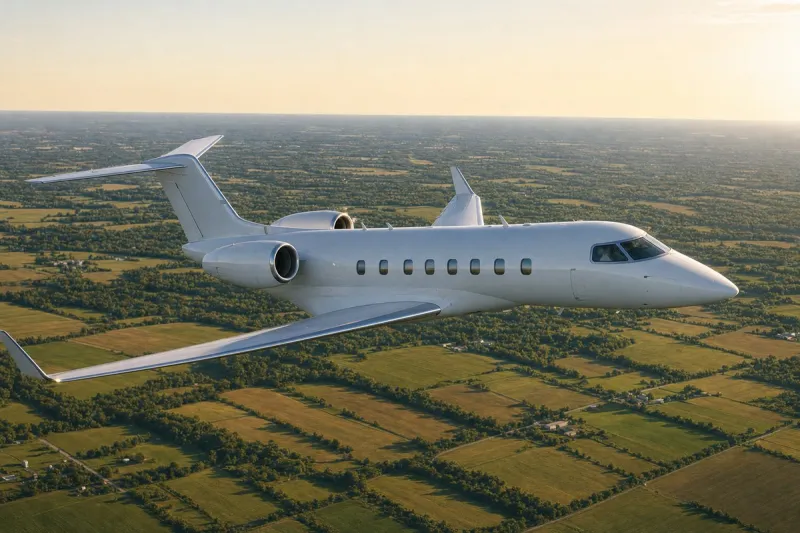
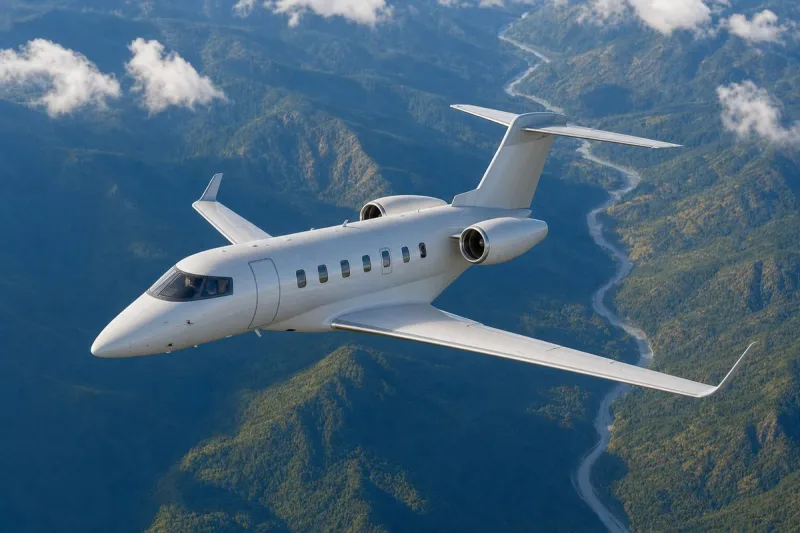
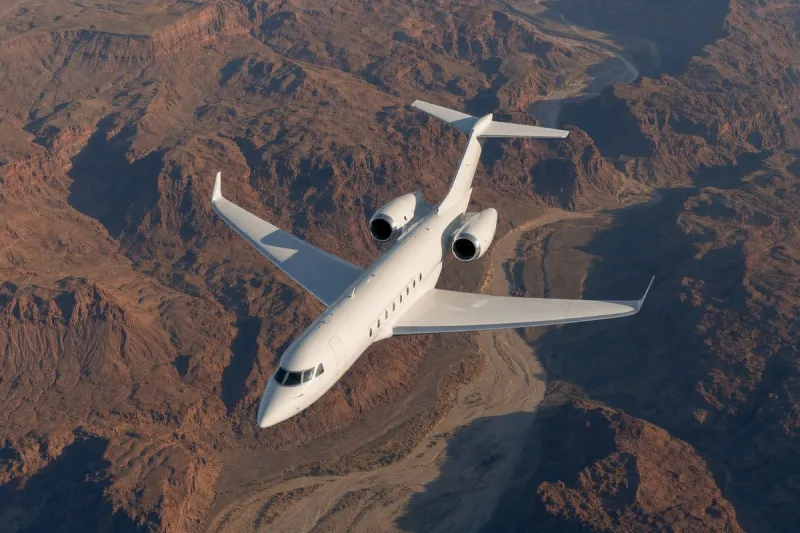
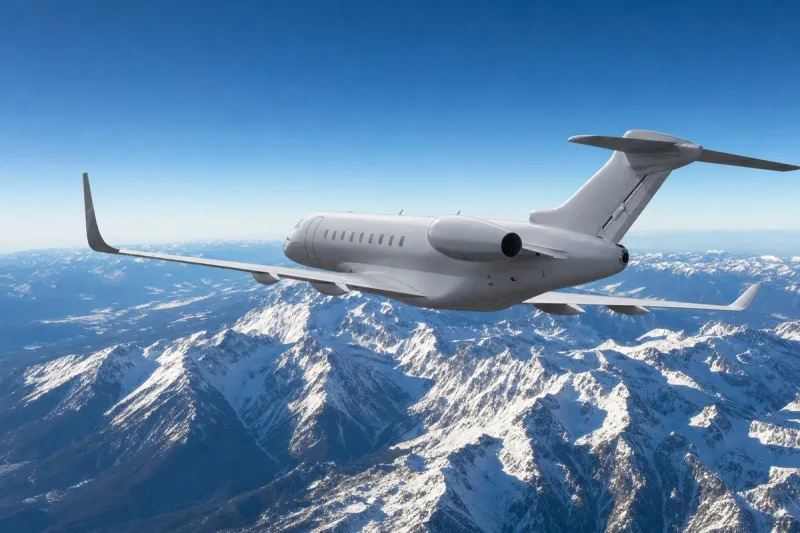
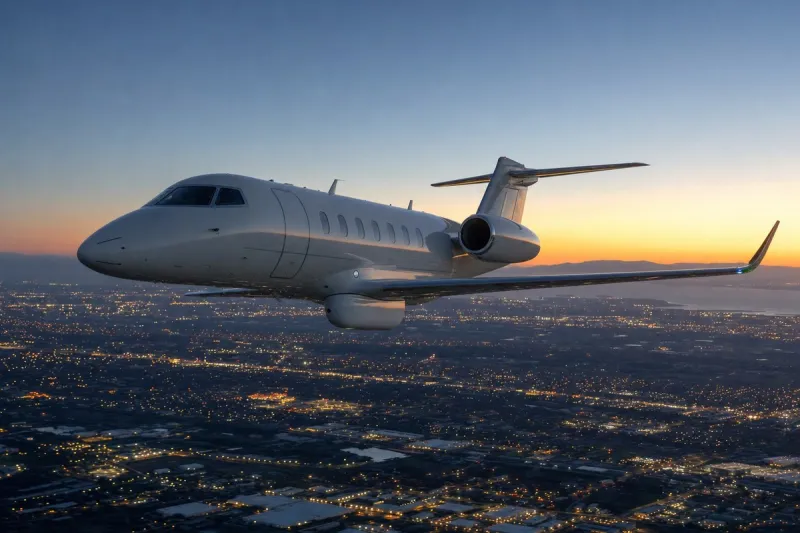
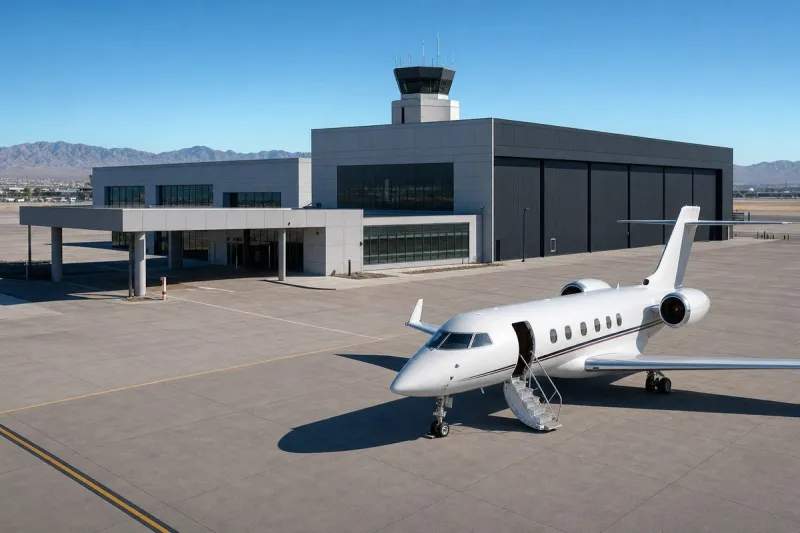
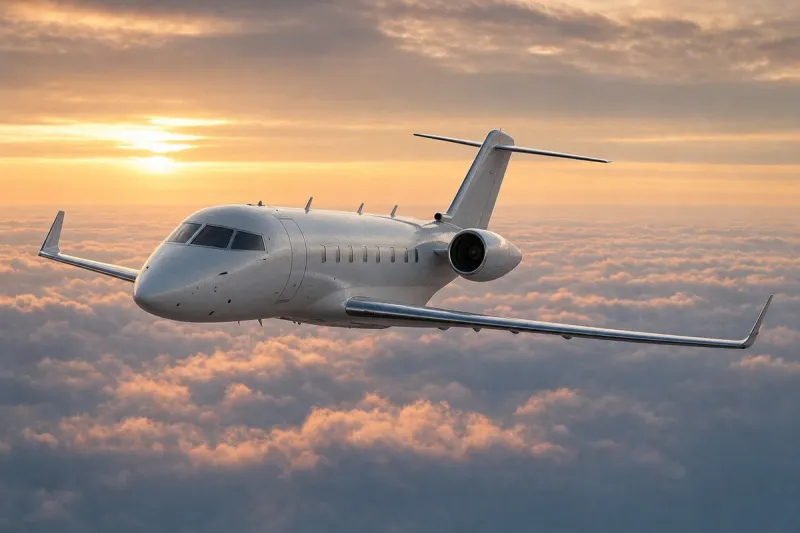
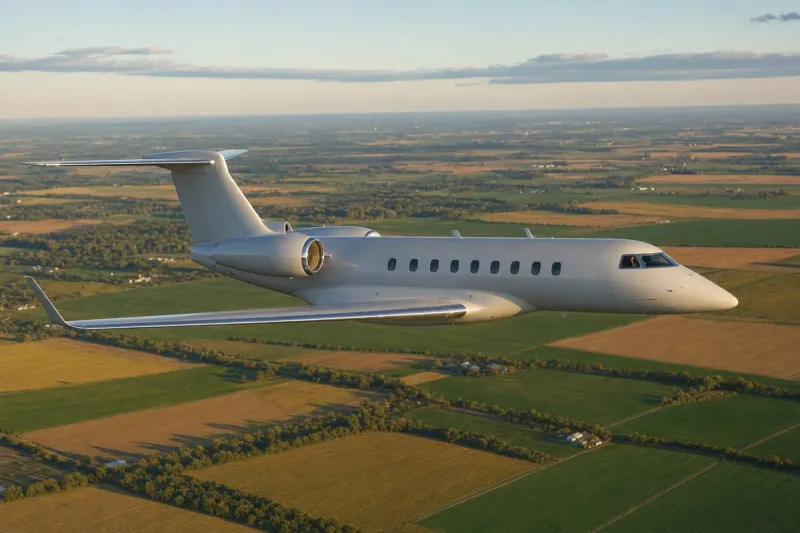
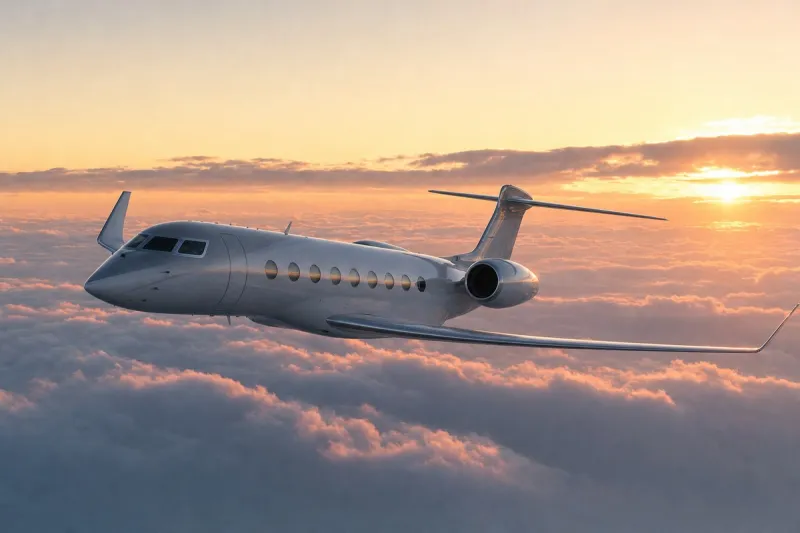
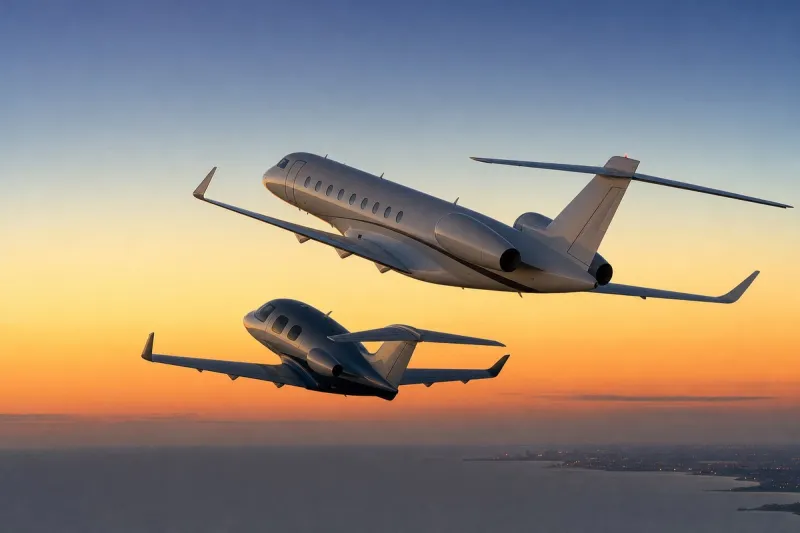
Gulfstream is looking to raise production to as many as 200 aircraft per year or more, President Mark Burns said at NBAA-BACE in Las Vegas. He tied the goal to an expanding product line and a full orderbook. Sales of the large-cabin G500, G600, G700 and G800 continue to build, while flight tests of the company's next two models, the G400 large-cabin and G300 super-midsize jets, are accelerating toward certification.
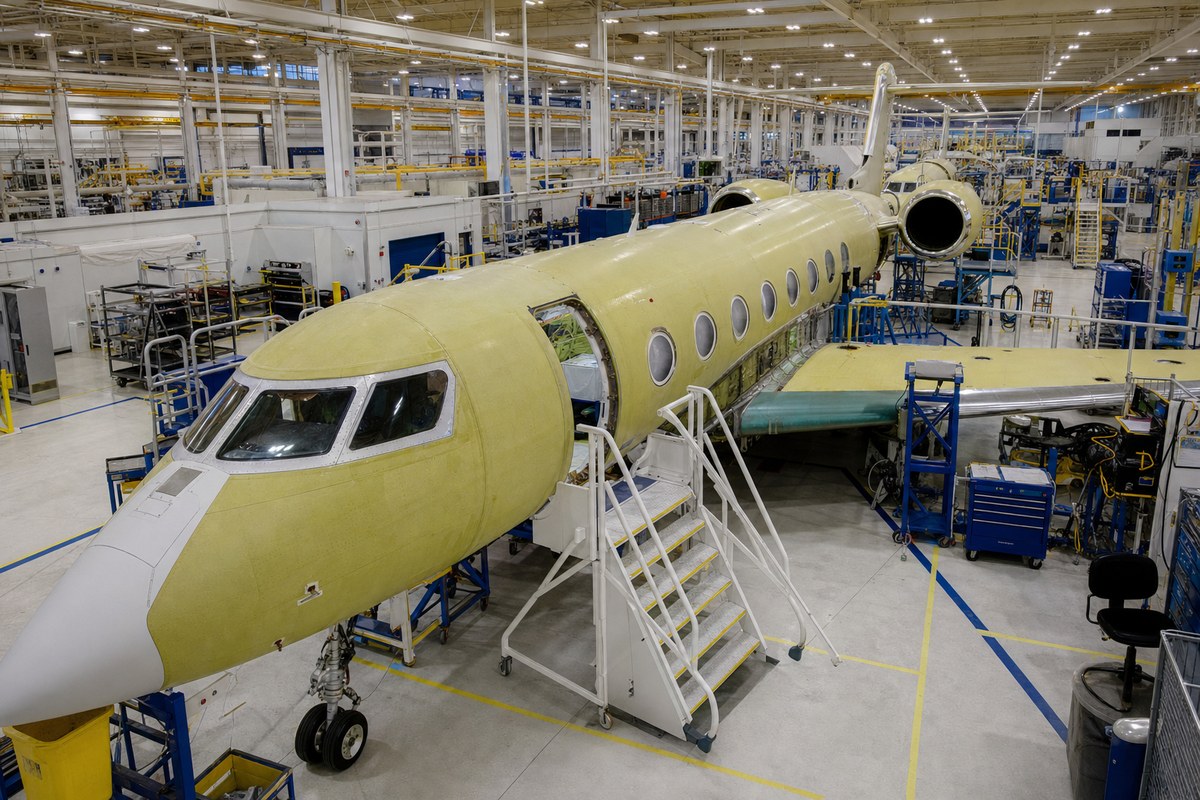
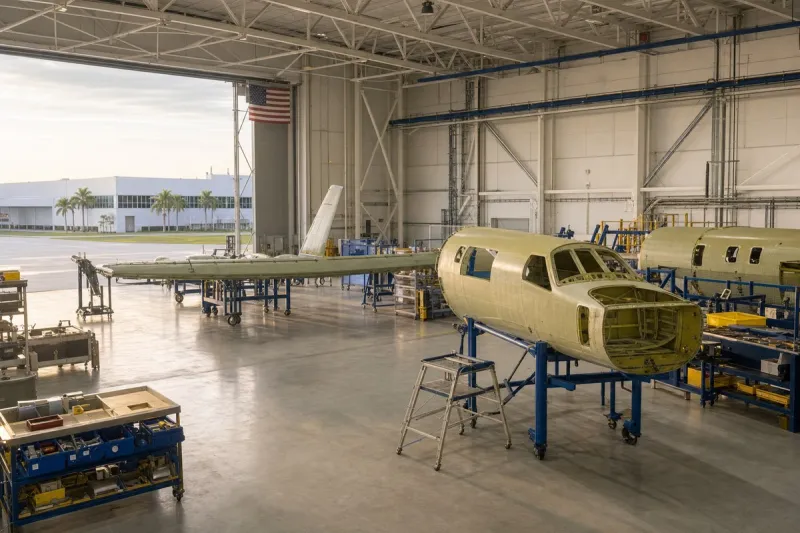
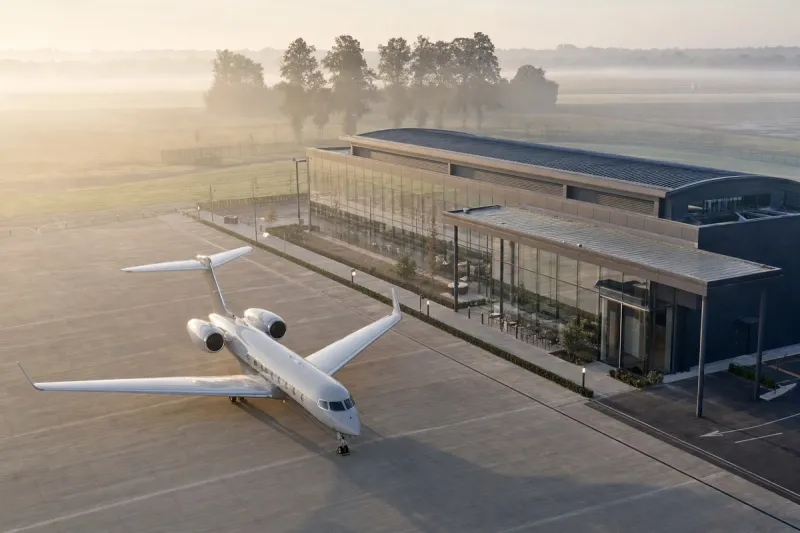
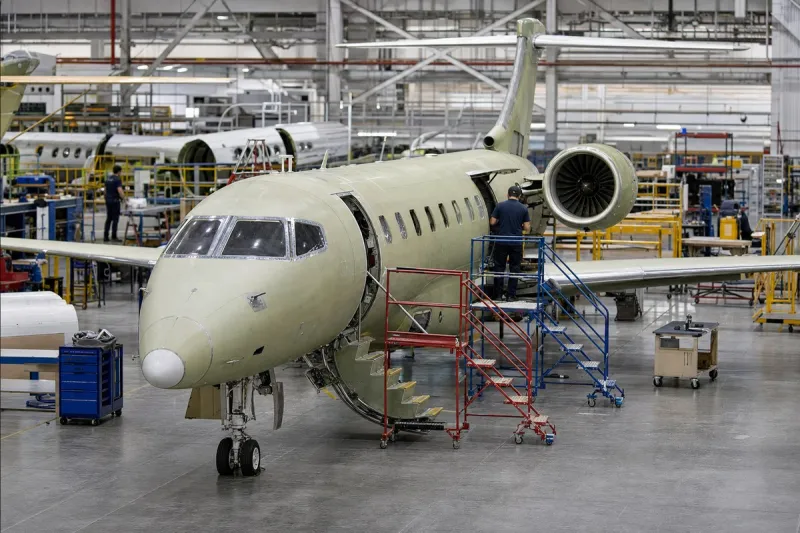
Burns said 160 aircraft are due to be assembled in 2026 and that Gulfstream is "well on the path" to exceed that number. He said the factories were built to produce more than 160 airplanes and that the company can build more than 200. The open question, in his words, is how many aircraft Gulfstream can assemble and still support around the world.
On the supply chain, Burns said he does not see it as a limiting factor today and expects growth in 2027, 2028 and 2029, adding that the suppliers he speaks with say they can keep pace. Gulfstream has built its own wing sets since 2014 and may vertically integrate further, potentially bringing in house some items that slowed it down during COVID.
Burns also gave delivery counts: 135 G700s have been handed over since the aircraft was certified in March 2024, and the G800, certified in April 2025, has seen 35 deliveries. More than 200 G600s have been delivered, and the G500 has also surpassed 200 deliveries.
Industry impact & what to watch
Burns framed the ceiling on output as a support question as much as a factory one: aircraft only count if they can be maintained and serviced worldwide. For large-cabin buyers, that makes a manufacturer's service network and parts availability part of the delivery-slot decision, not an afterthought once the aircraft is built.
The mention of possibly bringing some items in house, after wing sets were internalised in 2014, points to a strategy of controlling the parts of the build that stalled production during COVID. Vertical integration trades capital and complexity for schedule certainty, which matters most when an orderbook is already full and the constraint is throughput rather than demand.
The next concrete markers are the certification of the G400 and G300, which Burns said are accelerating through flight test, and whether the 2026 assembly count of 160 is exceeded as he indicated.