Gulfstream Becomes First OEM to Earn NBAA Sustainable Flight Department Reaccreditation
Why It MattersAccreditation now carries a renewal cycle and independent data validation, so sustainability claims in business aviation are shifting from one-time recognition toward progress that has to be re-demonstrated against a stated baseline.
What happened
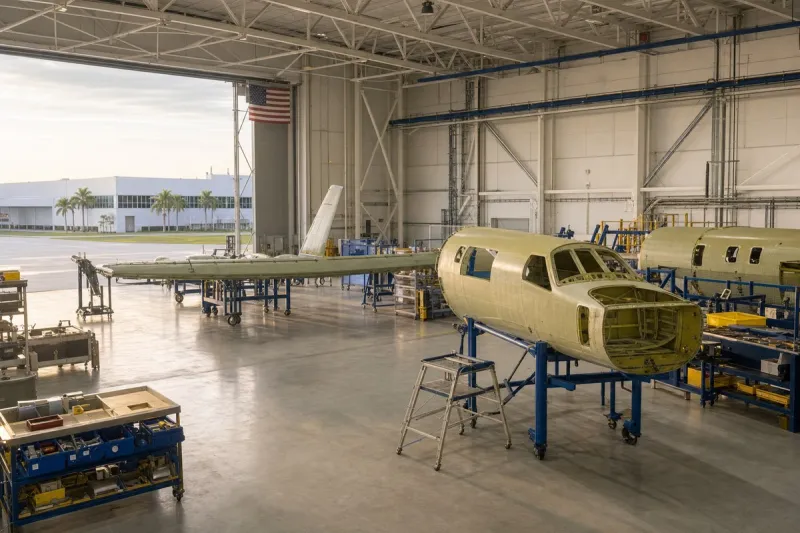
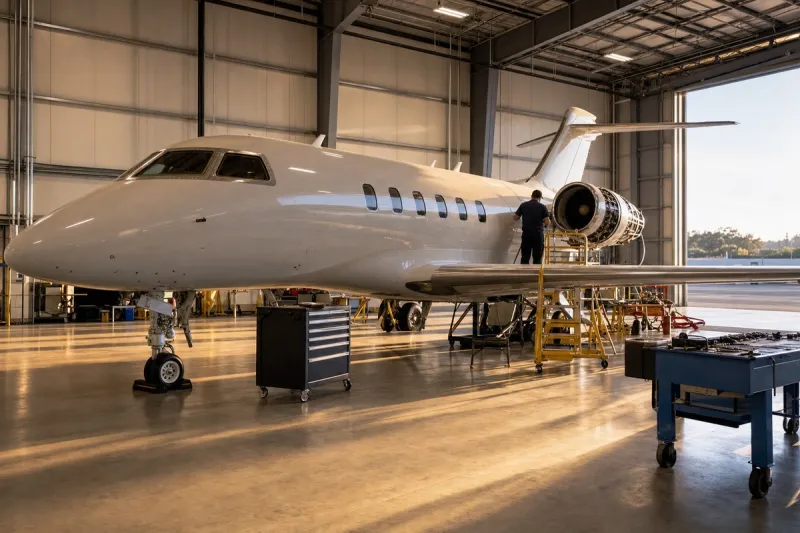
Gulfstream, based in Savannah, Georgia, has earned reaccreditation under the NBAA Sustainable Flight Department Accreditation Program, becoming the first original equipment manufacturer to achieve reaccreditation. It was already the first OEM to hold accreditation in all four program categories. The reaccreditation reflects measurable progress across its flight, ground support, infrastructure and operational activities.

Against a 2019 baseline, Gulfstream reported a 44% reduction in fuel consumption and flight emissions across the Flight Department fleet and a 21% improvement in emissions per flight hour. Use of sustainable aviation fuel in 2025 delivered a carbon dioxide emissions improvement of nearly 719.8 metric tons.
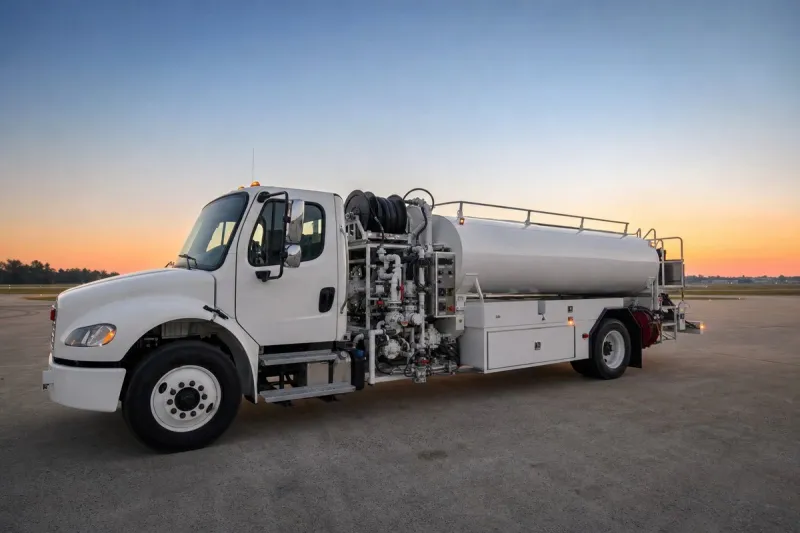
Ground support emissions fell 18%, driven by electric tugs, electric golf carts and EV charging infrastructure. Emissions intensity per square foot fell 25%, and Gulfstream operates more than 2.3 million square feet of LEED- and BREEAM-certified facilities.
"At Gulfstream, sustainability is not a standalone initiative—it is integrated into how we operate, innovate and lead," said Mark Burns, president of Gulfstream.
The program recognizes organizations that demonstrate excellence in environmental stewardship and sustainable operations. It is now managed by 4AIR under a strategic partnership with NBAA announced in March; 4AIR provides technical oversight, independent data validation and sustainability expertise. Nancy Bsales, chief operating officer of 4AIR, said step-by-step emissions reductions are how business aviation will meet its commitment to net-zero carbon emissions by 2050.
Industry impact & what to watch
The notable feature of this announcement is the mechanism as much as the manufacturer. Accreditation that must be renewed, with data checked by a third party, turns sustainability reporting from a statement of intent into a recurring audit against a fixed baseline. Gulfstream's figures are measured from 2019, which is the kind of reference point that lets a renewal show direction of travel rather than a single good year.
The results also span several distinct areas: flight operations, ground equipment and buildings. Fuel and emissions gains on the flight side sit alongside smaller, more mundane changes such as electric tugs and charging infrastructure. For other flight departments, that mix is a reminder that an accreditation portfolio is built from operational detail across the whole site, not from fuel choices alone.
Bsales framed the 2050 net-zero commitment as something reached through step-by-step reductions, and the shift of program management to 4AIR is the structure now behind that. The next point of scrutiny is how other organizations fare when their own renewals come up under the same independent validation.