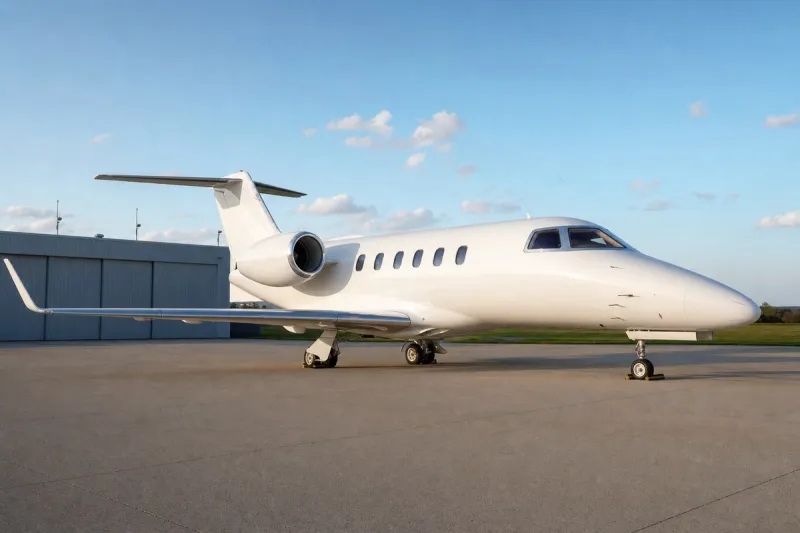
Flexjet Opens $34 Million Dedicated Terminal at Farnborough Airport, Reserved for Its Own Passengers
Why It MattersA fractional operator building passenger-only infrastructure shows competition in private aviation moving from aircraft access to ground experience, putting pressure on open-access FBO terminals that serve all general aviation flyers.
What happened
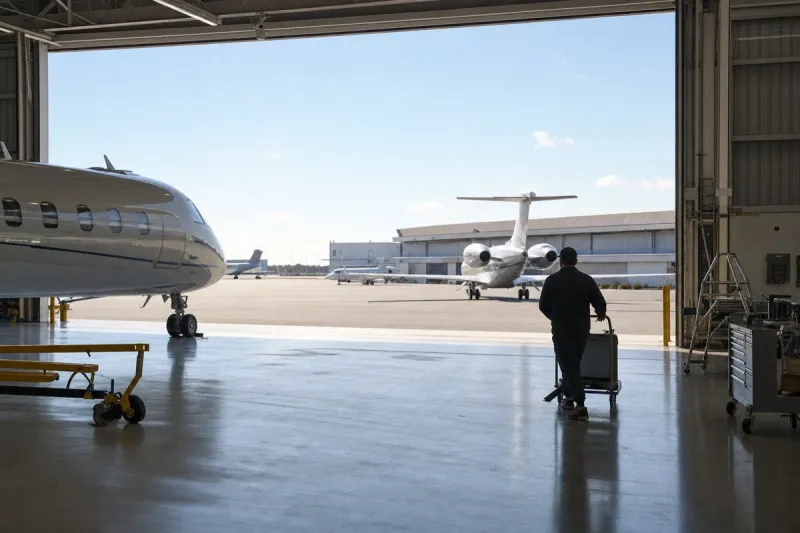
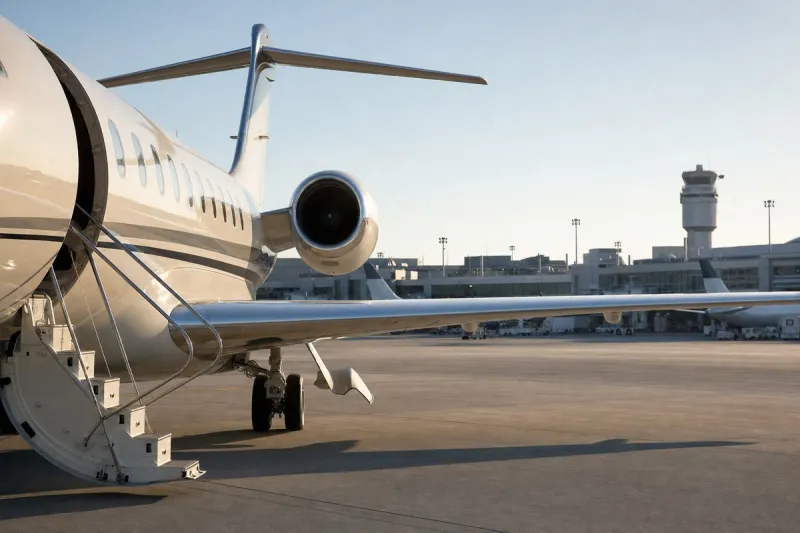
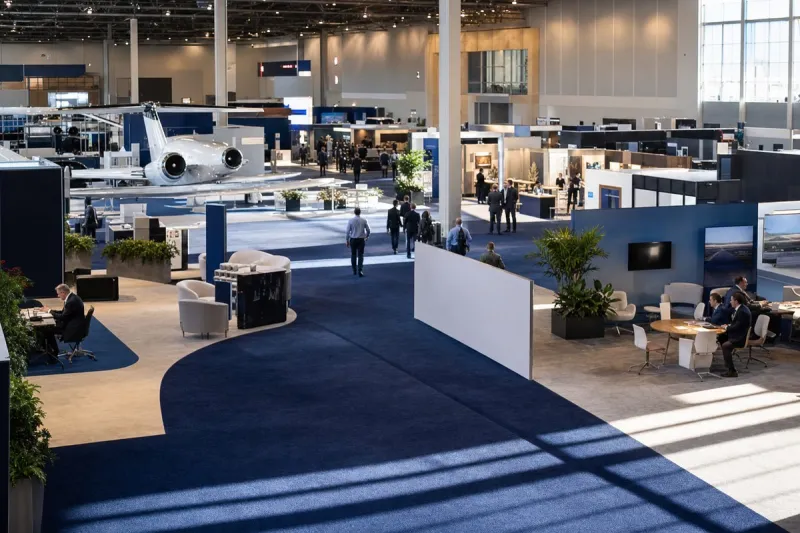
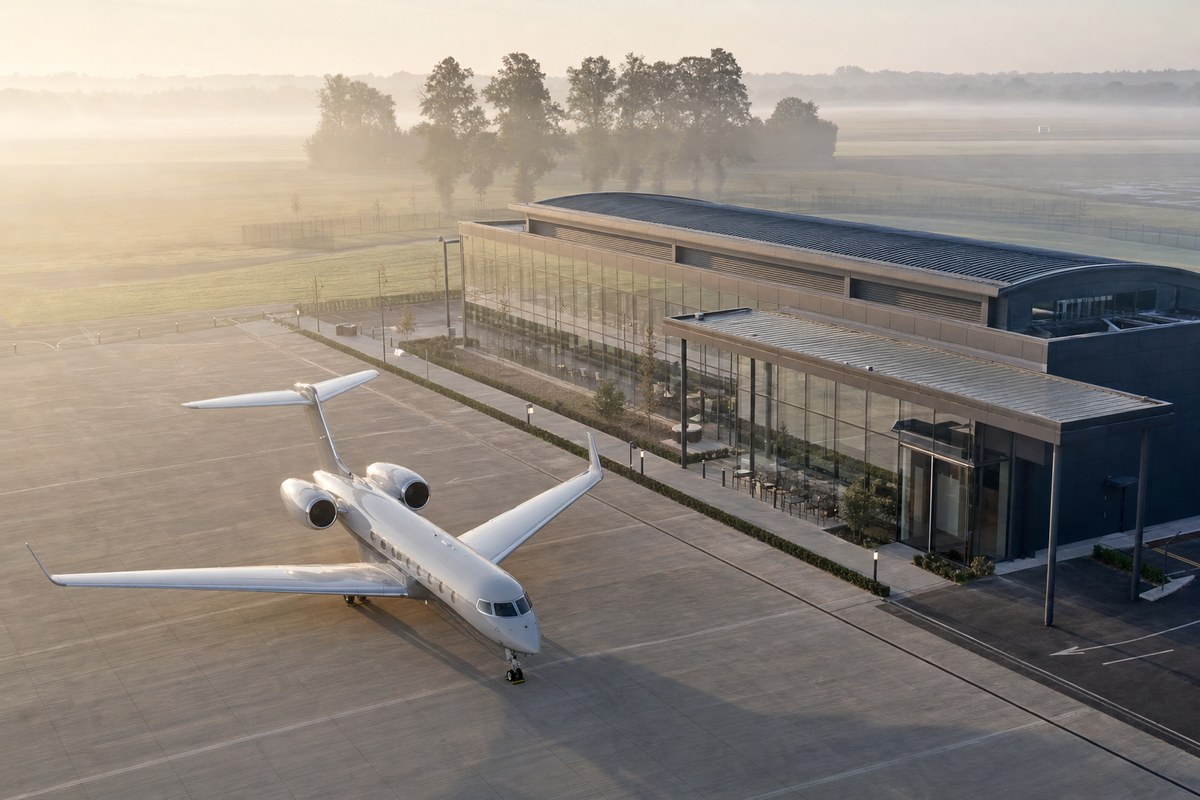
Flexjet officially opened a new private terminal at Farnborough Airport, west of London, on 10 September 2026. The company says the $34 million, 2,098-square-metre facility is the first of its kind in Europe. It sits in a new ramp-side building separate from the airport's existing main terminal, is hosted by Flexjet staff, and is provided exclusively for Flexjet passengers. Flexjet contrasts this with traditional FBO terminals and lounges, which are open to all private or general aviation flyers.
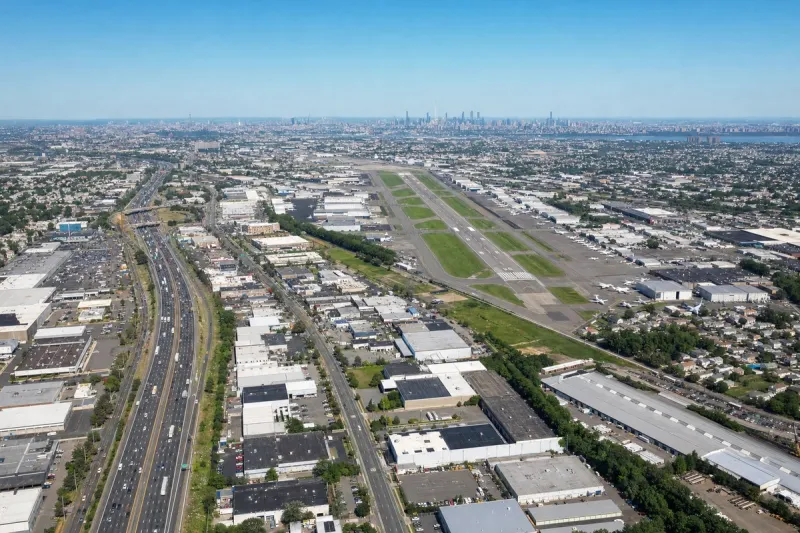
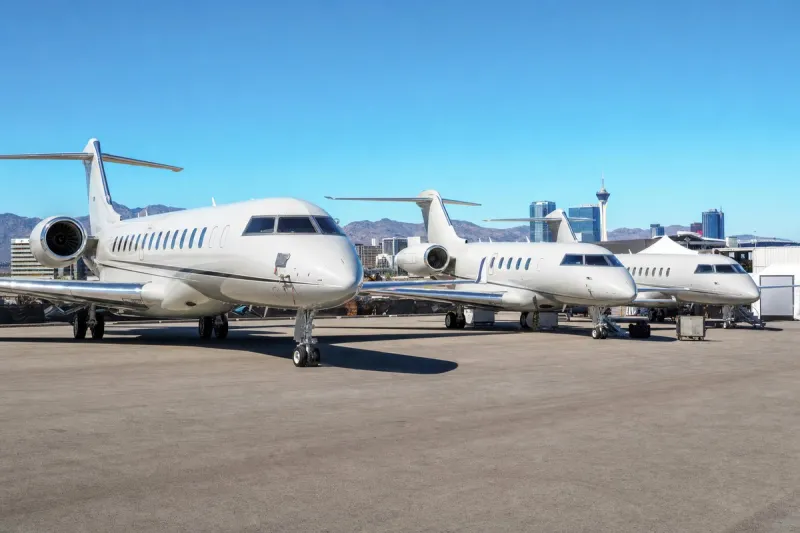
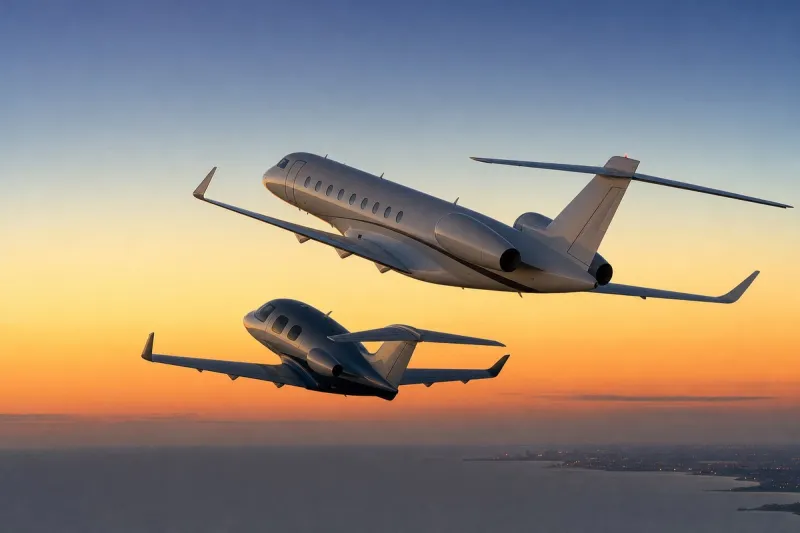
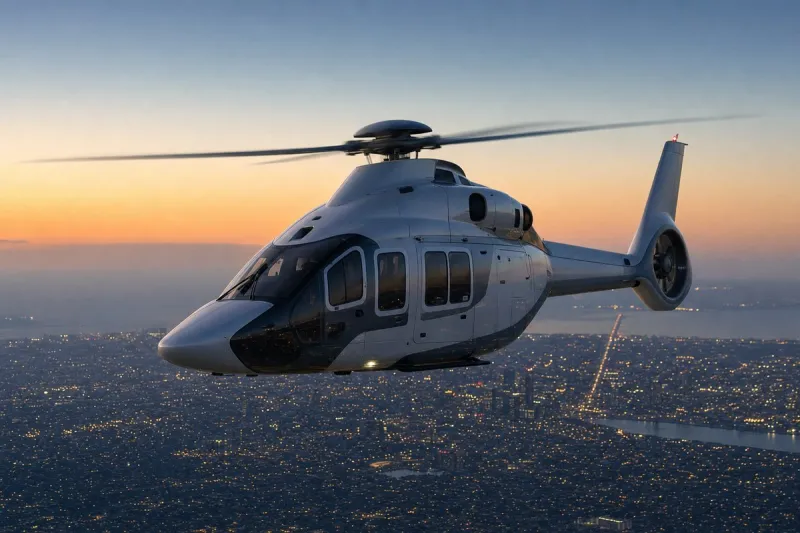
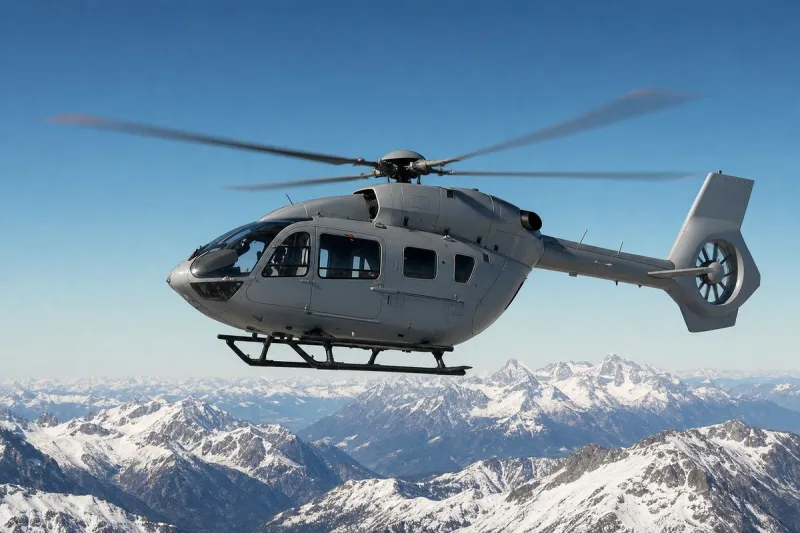
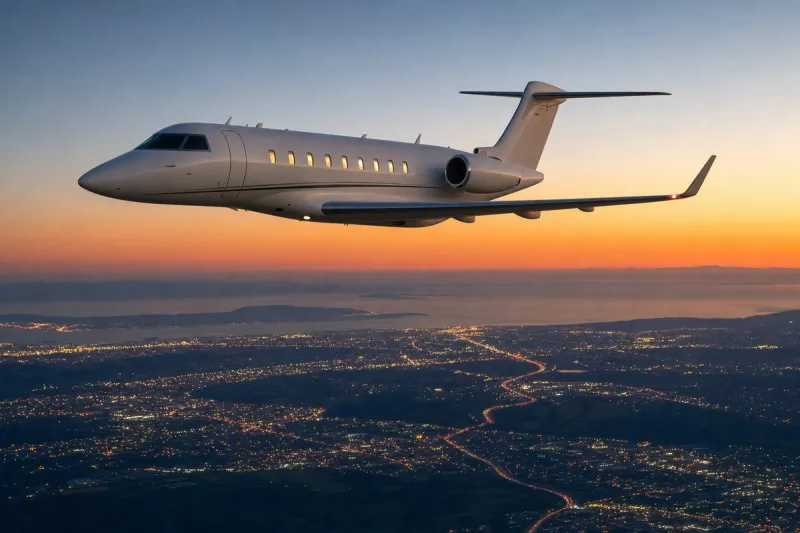
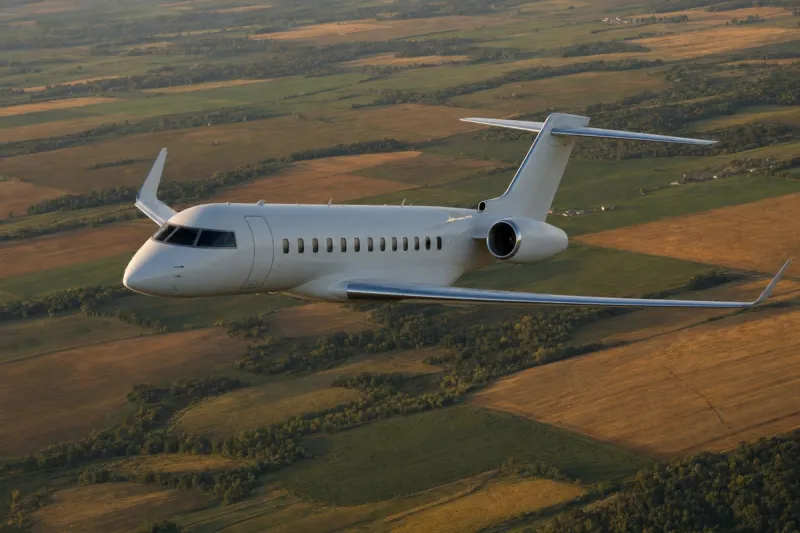
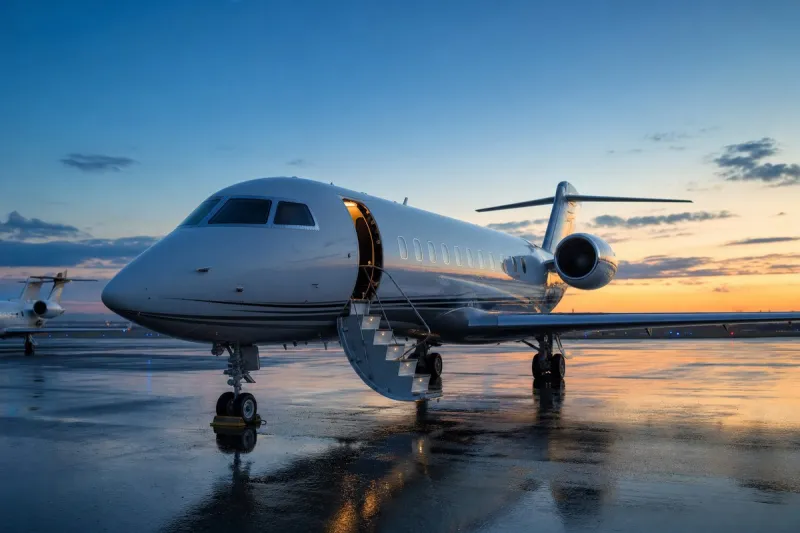
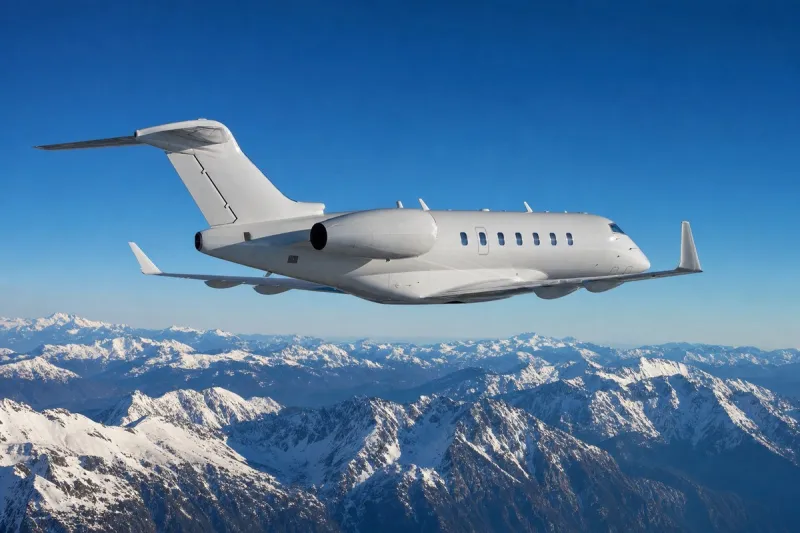
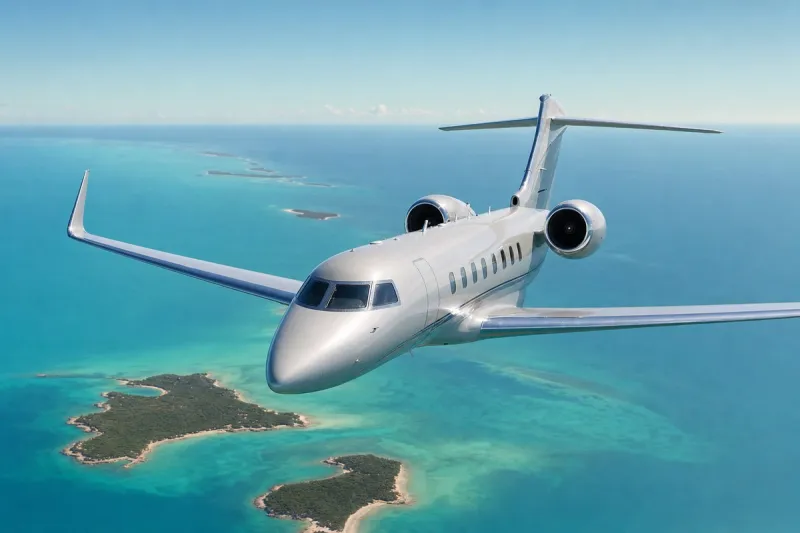
Flexjet says it operates a fleet of more than 350 private jets and helicopters. The Farnborough terminal adds to its network of nine private terminals in the United States, already established or under development, including an existing terminal at Teterboro Airport serving New York. The company counts ten private terminals open or in development globally and says its infrastructure spans operations, sales and maintenance at more than 25 locations.
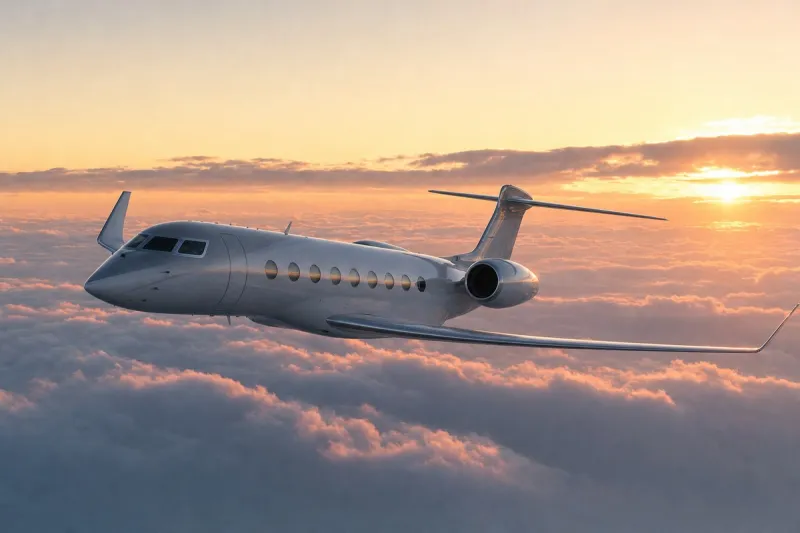
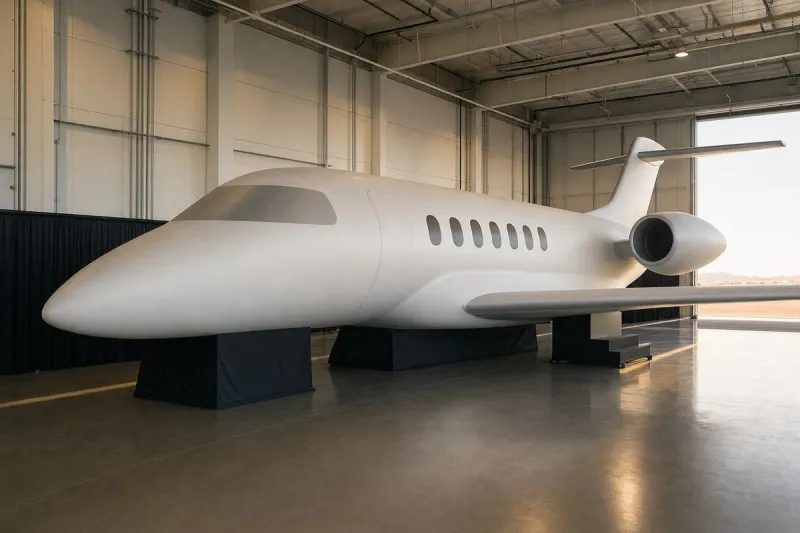
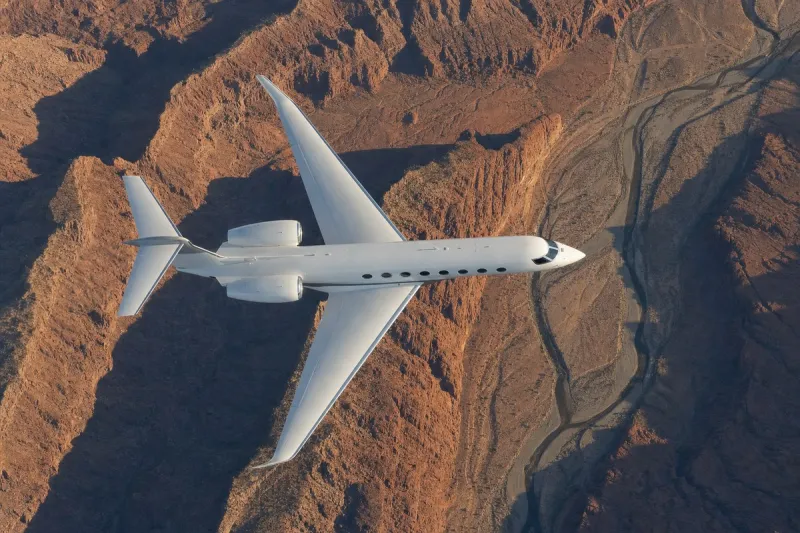
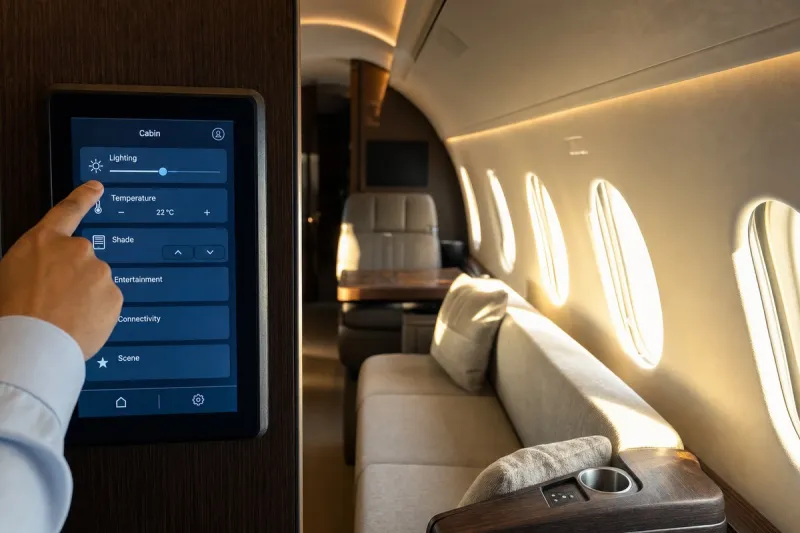
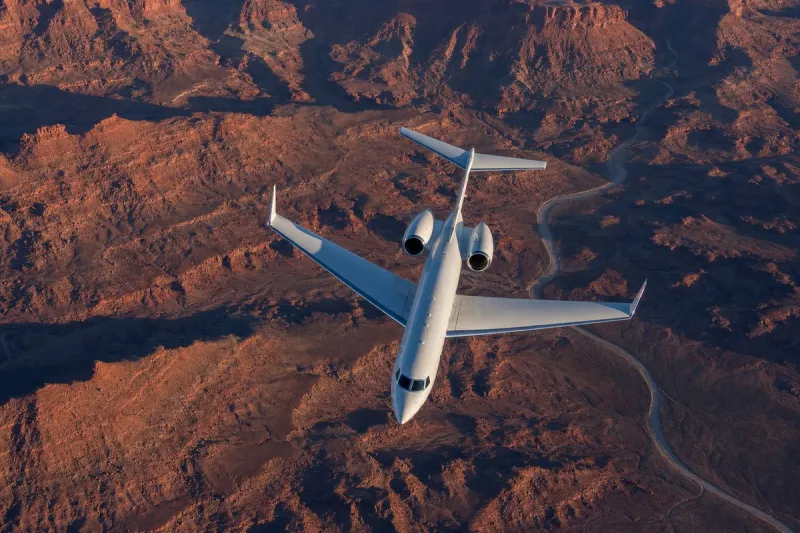
The interior was led by Carver Hain Art + Design. Features include the Flexjet Gulfstream G700 Fuselage Lounge, a full-size recreation of the company's flagship ultra-long-range cabin with a private master bedroom suite; the Owners Bar & Lounge, with floor-to-ceiling views of the airfield; and 'Aero', a commissioned sculpture by British Canadian artist David Spriggs. There are also private meeting spaces accessible only to Flexjet owners and their guests, and dedicated security screening and immigration provided by Farnborough Airport.
Construction began two years earlier. The opening was marked by a ceremony hosted by Flexjet Chairman Kenn Ricci, who called it the company's most ambitious infrastructure completion beyond its North American headquarters. Wines from Marchesi Antinori and Château Cheval Blanc are offered through the terminal's Flexjet Cellar, and Maybourne presented The Connaught cuisine at the launch event.
Environmental measures and the separate MRO hangar
Environmental measures in the construction include 138 solar panels forecast to generate about 37,848 kWh a year, and a syphonic drainage system that collects rainwater for internal reuse.
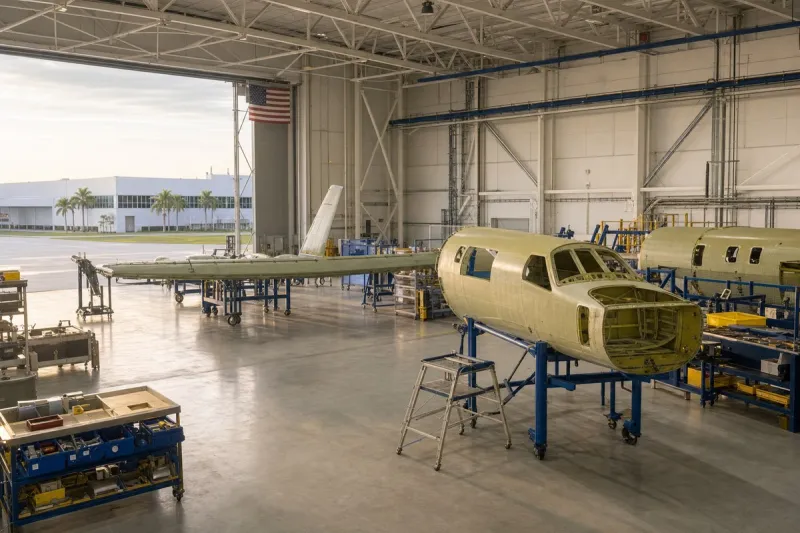
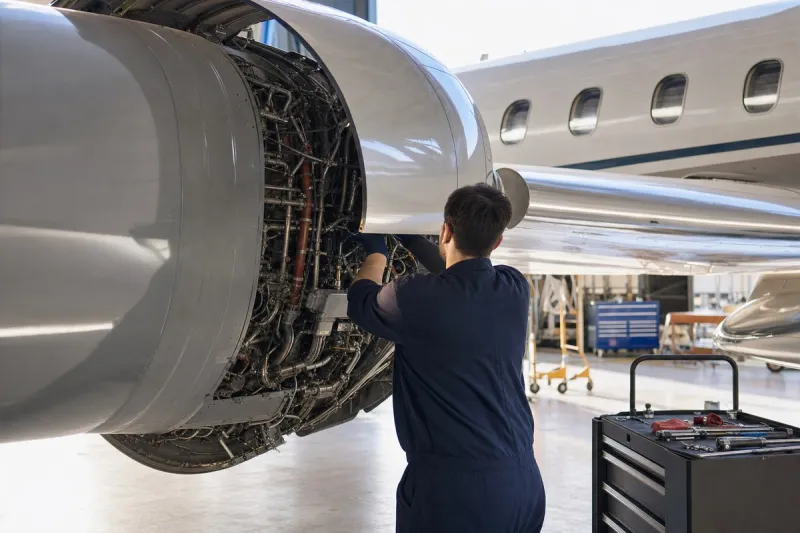
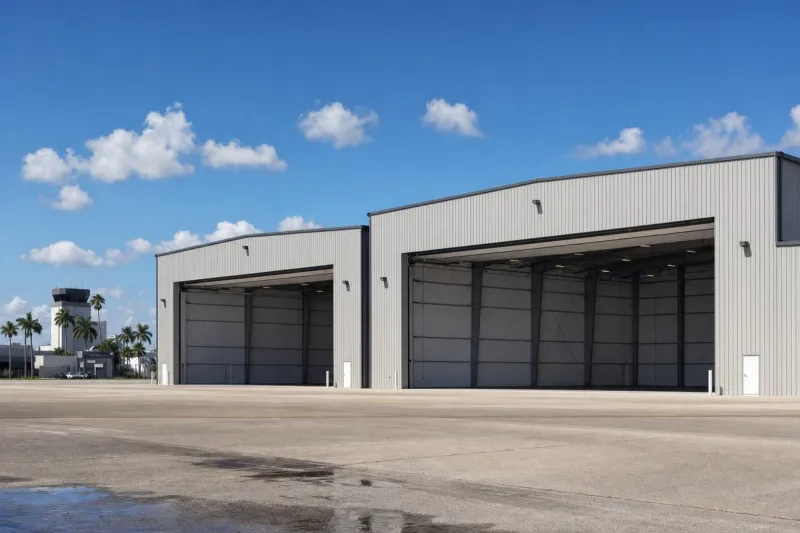
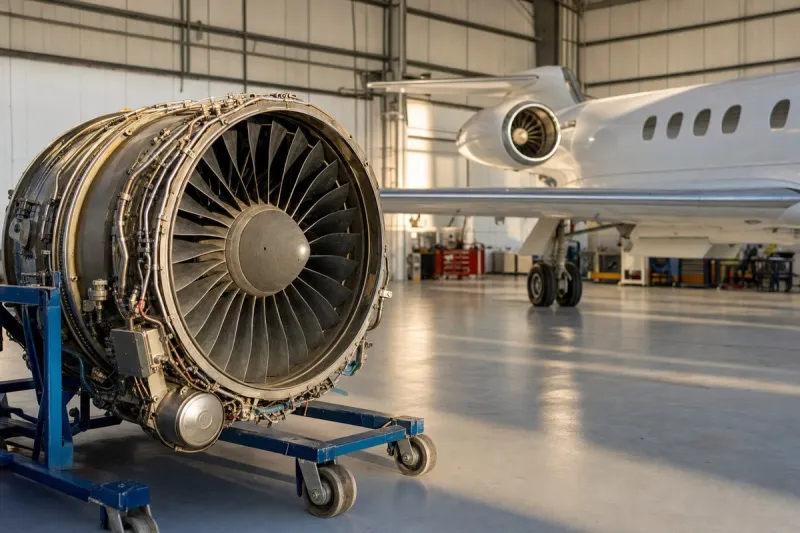
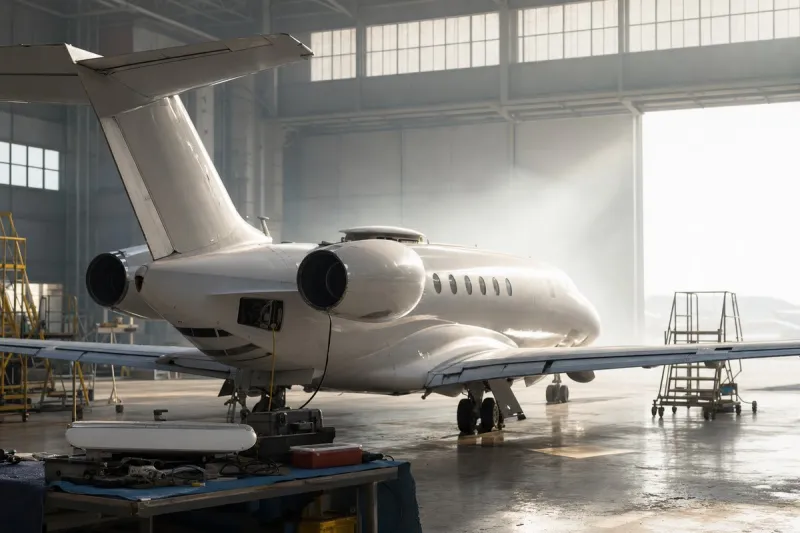
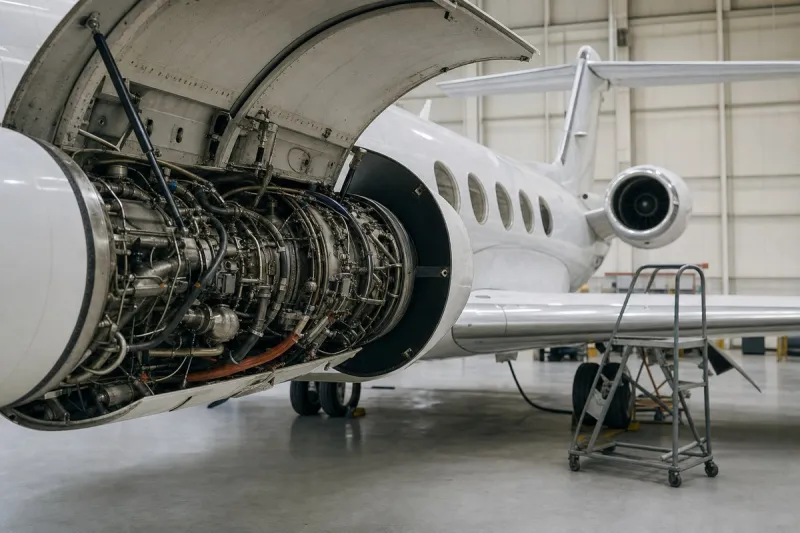
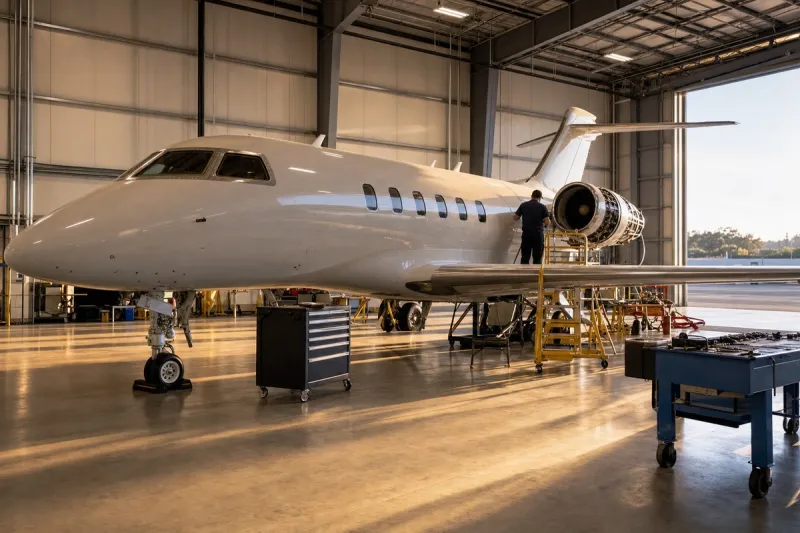
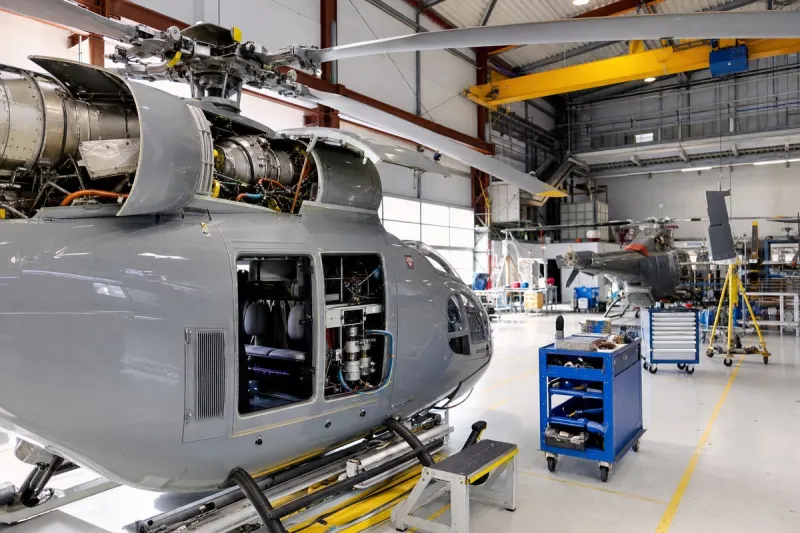
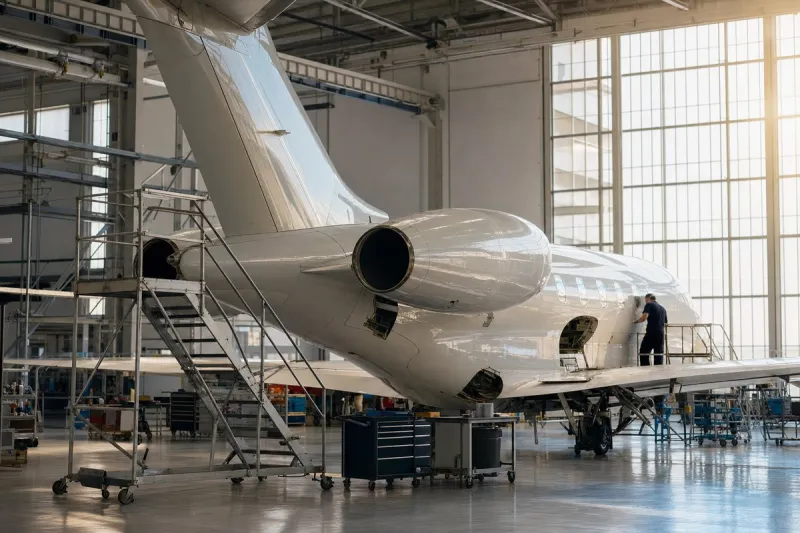
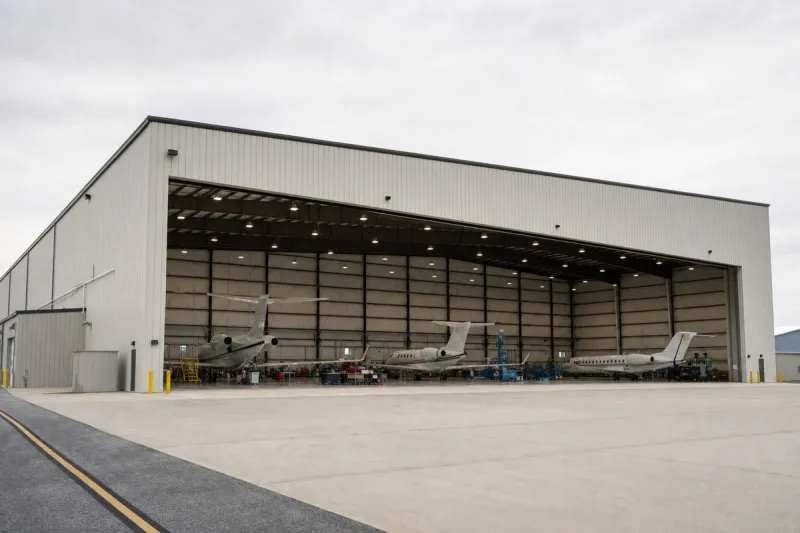
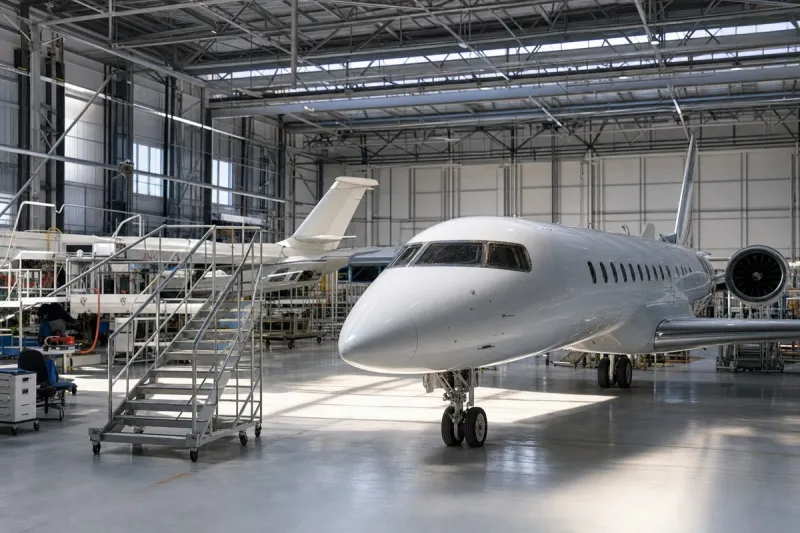
Separately, Flexjet has opened a new 3,530-square-metre maintenance, repair and overhaul (MRO) hangar on the Farnborough site. It is a distinct asset from the passenger terminal, so its floor area and the terminal's $34 million cost should not be conflated. Flexjet says it has more than 1,500 maintenance team members in 15 locations worldwide.
Industry impact & what to watch
Fractional and jet-card programmes sell a service, and the aircraft is only one part of it. A terminal reserved for one operator's customers moves part of that service onto the ground, where the traditional FBO model is built around serving any private or general aviation flyer who arrives. Flexjet's network of ten terminals open or in development, set against more than 25 locations of operations, sales and maintenance, shows the economics behind this approach: the cost is carried by a fleet large enough to fill the building with its own members.
For FBOs and airport operators, the effect is on who uses the open-access facility. When a large operator's passengers route through their own building, the shared terminal serves a smaller and different mix of customers, and the commercial case for FBO lounge investment depends on what remains. The pairing of a passenger terminal with an on-site MRO hangar also points to operators tying together the ground experience and maintenance footprint at a single airport.
The next point to follow is whether other operators answer with comparable dedicated facilities at European airports, and how Farnborough Airport shapes the shared services, security and immigration, that a dedicated building still depends on. Those arrangements, not the lounge fit-out, determine how far the model can spread.