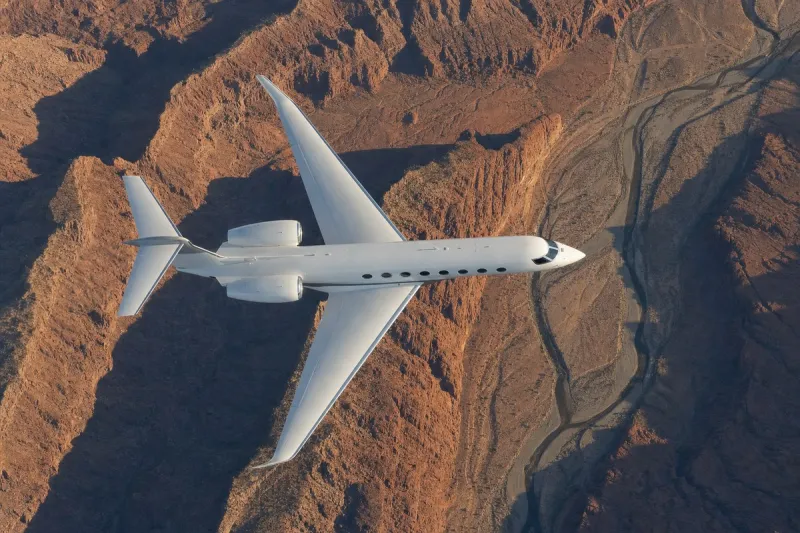
Aegis Air Launches By-the-Seat Embraer E135 Flights Between Miami Opa-locka and Caracas
Why It MattersPer-seat pricing on small wet-leased jets is being tested as a premium niche above scheduled airline service, in a corridor whose demand depends on Venezuela's reopening and Maiquetía's recovery.
What happened
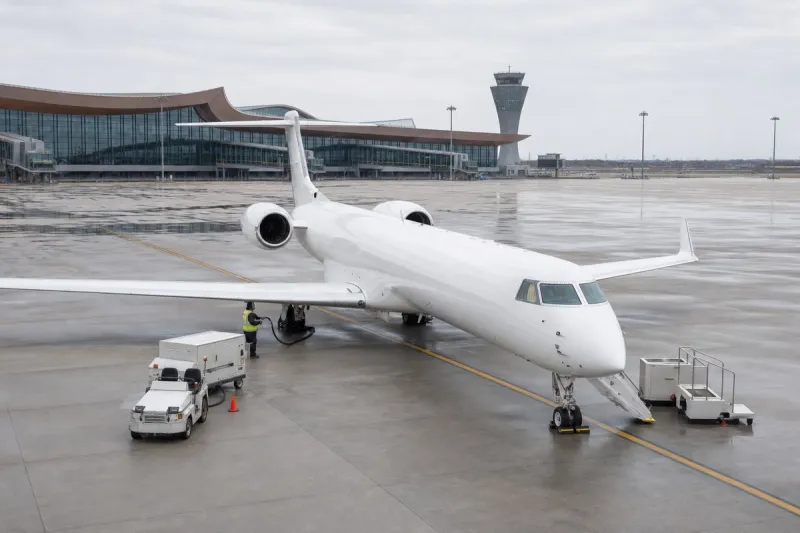
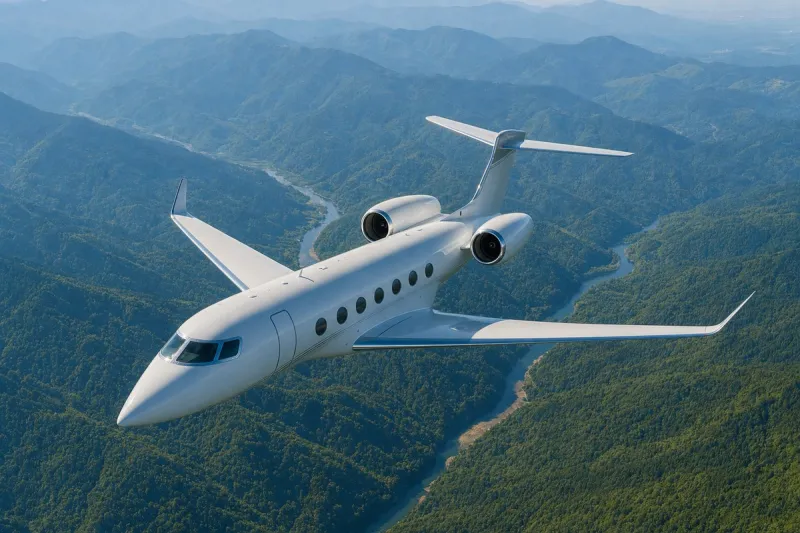
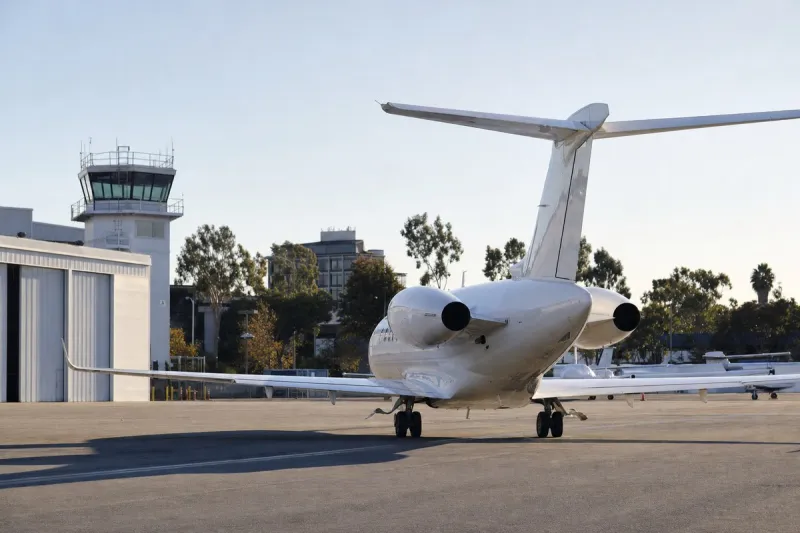
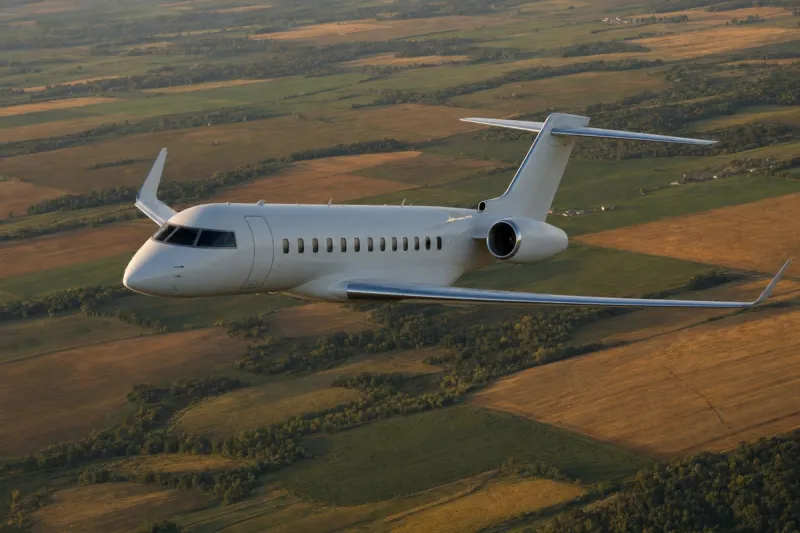
Aegis Air, a virtual carrier founded this year, is due to start by-the-seat flights between Miami and Caracas on 20 October aboard a 16-seat Embraer E135. By-the-seat flying lets travellers buy a single place on a small private-style jet instead of chartering the whole aircraft.
The flights link Miami Opa-locka Executive Airport with Caracas Simón Bolívar International Airport at Maiquetía, a sector of roughly 1,360 miles. The opening schedule is two round trips a week, with southbound departures at 9 am and northbound returns at 2 pm. Seats cost $3,750 each way or $7,500 round trip.
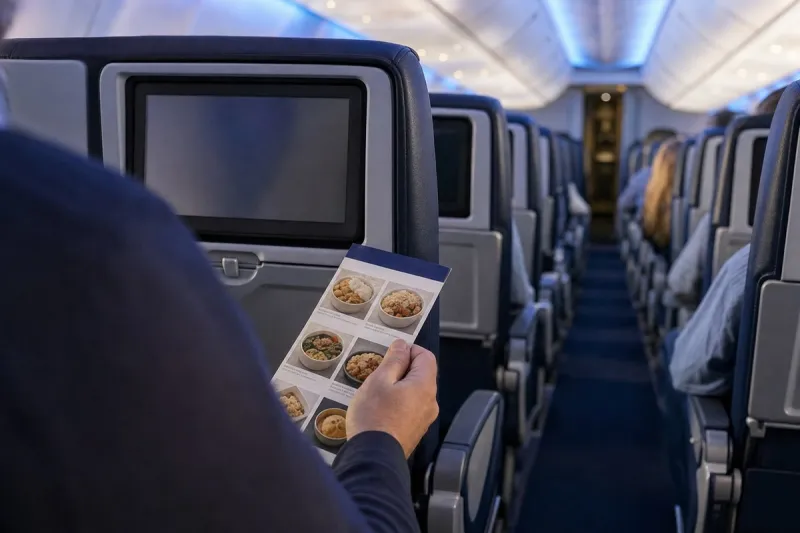
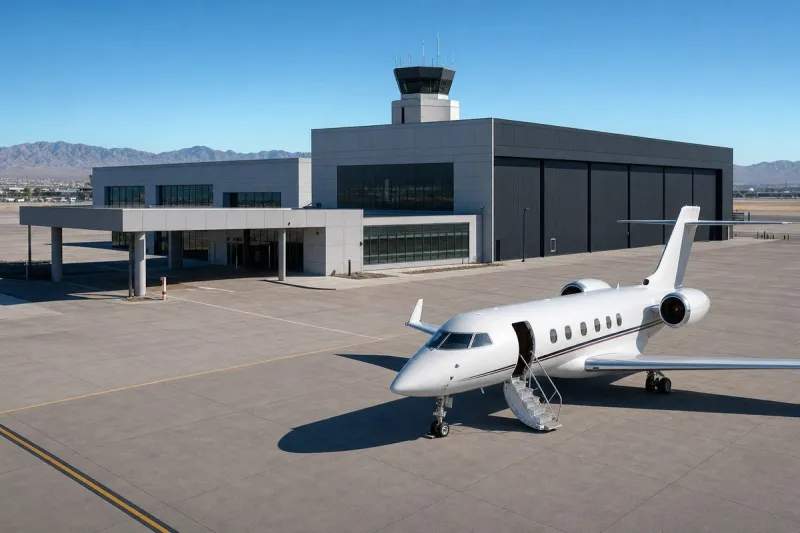
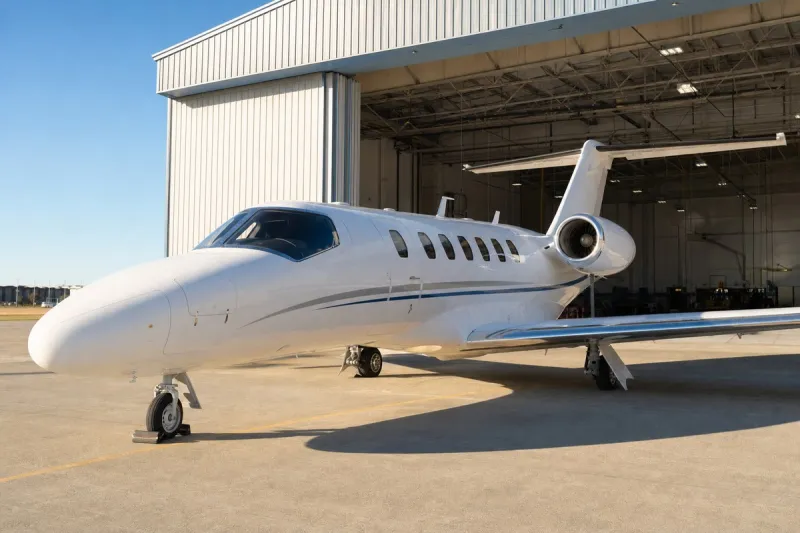
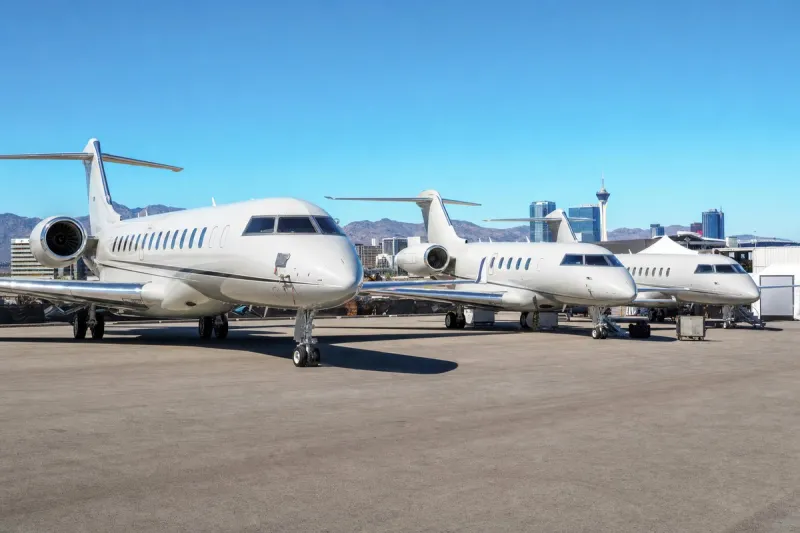
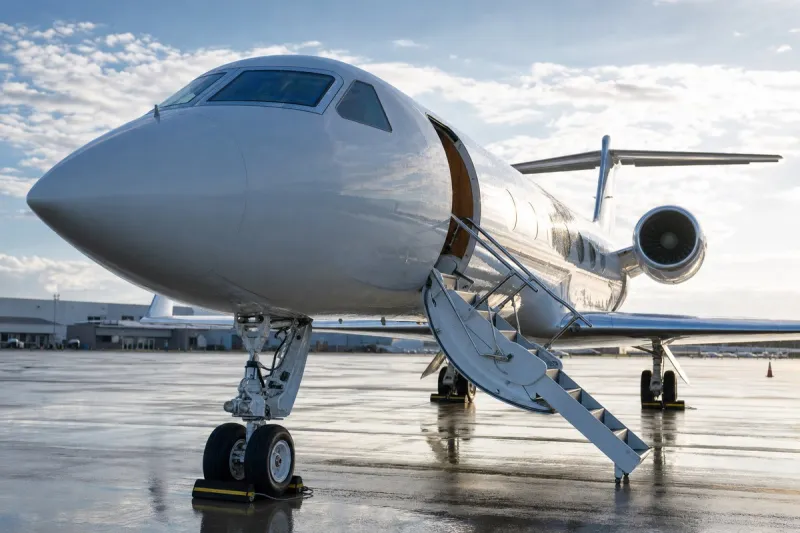
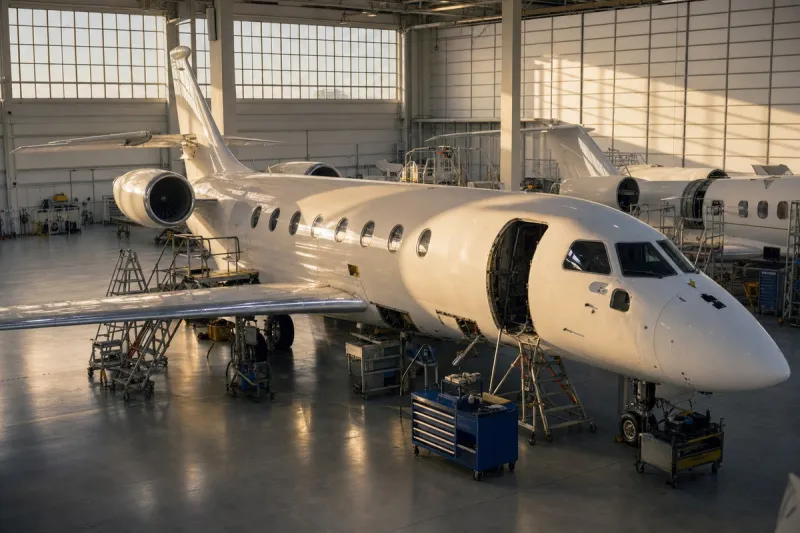
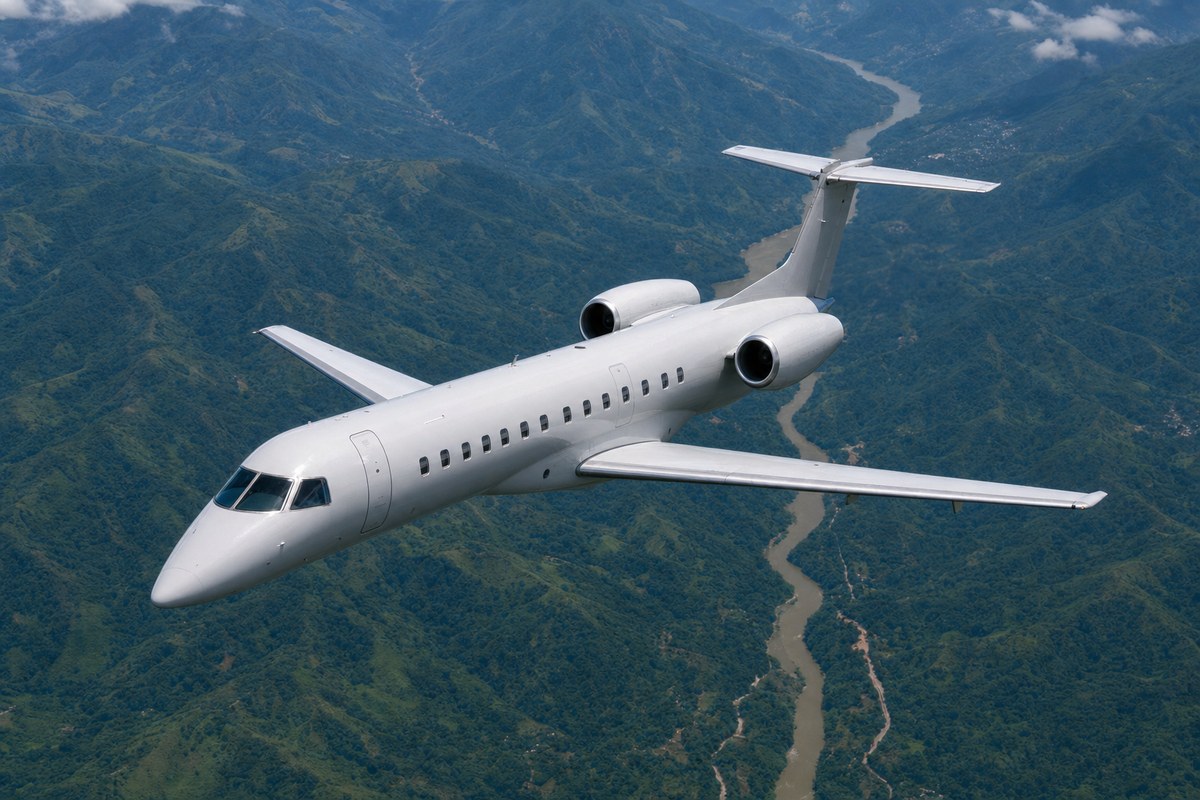
The E135 is wet-leased from Aero, a Part 135-certified US private jet airline that supplies the crew and operates the flights. Aero flies four of the type and will also operate Blade's seasonal New York to South Florida service from 19 November. The cabin has leather seats in a one-by-one layout. The flights operate as Part 380 public charters on a fixed timetable, a US Department of Transportation framework that requires a charter operator to have a prospectus accepted before selling seats. Operations run through private terminals (FBOs) rather than main airline terminals.
CEO Ross Thompson says the service targets bankers, business executives, diplomats, lawyers and affluent members of the Venezuelan diaspora; local reporting adds oil and gas executives and international attorneys. He cites major oil deals announced by the Trump administration and infrastructure work after June's earthquakes as reasons commercial links are expanding. Thompson has worked in intelligence, security and crisis management since 2006 and founded Covac Global, a medical repatriation provider. He co-founded Aegis Air with Frank Ornstein, a former Four Seasons executive.
A US restriction on flights to Venezuela that had stood for years was lifted after the January US military operation that removed Nicolás Maduro from power. American Airlines became the first US carrier back on 30 April after nearly seven years away, flying Embraer 175 jets. Two earthquakes on 24 June killed more than 6,500 people and damaged Maiquetía's main runway and terminals. The airport reopened on 1 September from temporary modular terminals, and Transport Minister Francisco Garcés has put the recovery of the original facilities at around the end of the first half of 2027.
Expansion plans and funding
Aegis Air expects to add Houston-Caracas soon, followed by Washington, D.C. One founder says the goal is to become "the JSX of Latin America and the Caribbean"; JSX seats 30 passengers on its Embraer E135 and E145 jets.
The company is talking to other operators about additional services, with plans that could extend to VIP-configured Boeing 757s, and ultimately wants to own aircraft. The launch is self-funded for now, although Thompson says several investors are interested. Ornstein says he and Thompson are also exploring hospitality deals in Latin America, including buying a hotel in Caracas.
Industry impact & what to watch
The opening scale is modest: two weekly round trips on a 16-seat jet add 32 seats each way per week, while American's twice-daily service uses a 76-seat Embraer 175 and a Boeing 737-800. When American relaunched in April, NBC6 reported round-trip fares from just over $1,000 to above $2,700, against $7,500 for Aegis Air's round trip. The two products are therefore priced in different bands, and Aegis is selling a private-terminal, small-cabin experience rather than competing seat for seat with the scheduled carrier.
The structure is a familiar one in business aviation. A virtual carrier holds the customer relationship and the Part 380 filing, while a certificated operator supplies aircraft and crew under wet lease. That keeps the start-up's capital needs low, which fits a launch that is self-funded, but it also ties service continuity to the lessor's fleet. Aero flies four E135s and has Blade's New York to South Florida programme starting 19 November, so aircraft availability across its commitments is a practical constraint on any growth.
Demand in this corridor rests on conditions outside the operator's control. The lifting of the US flight restriction opened the route, and reconstruction and oil-sector activity are the stated reasons for business traffic, but Maiquetía is still running from modular terminals, with recovery of the original facilities pointed to around the end of the first half of 2027. The next milestones are the Houston-Caracas addition Aegis says is coming, and the progress of the airport rebuild.