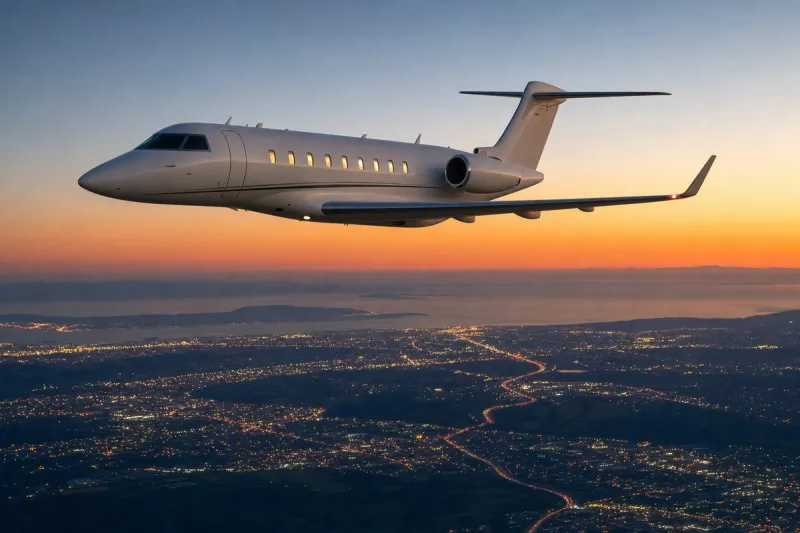
Single-Engine Turboprops Gain Ground on Light Jets as Fuel Costs Climb; GAMA Counts 289 Turboprop Shipments in H1 2026
Why It MattersRising fuel costs are pushing short-haul private buyers toward single-engine turboprops, narrowing the light-jet segment's cost advantage and shifting demand toward the entry end of the market.
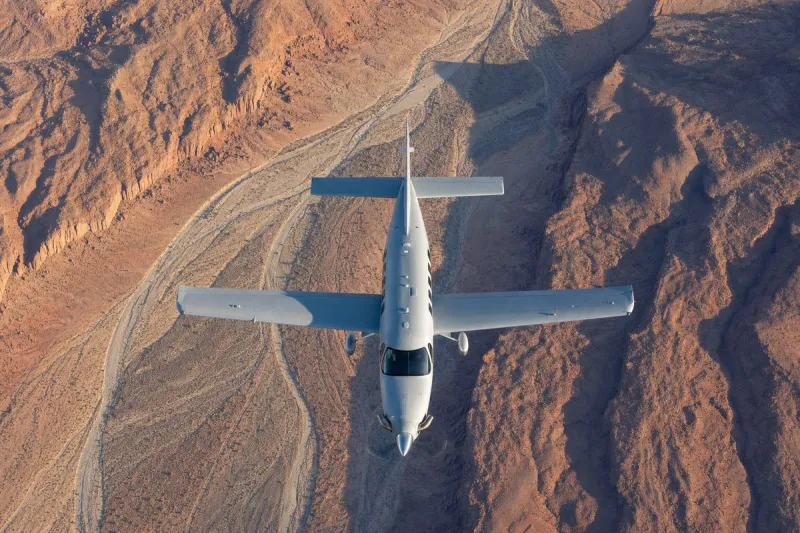
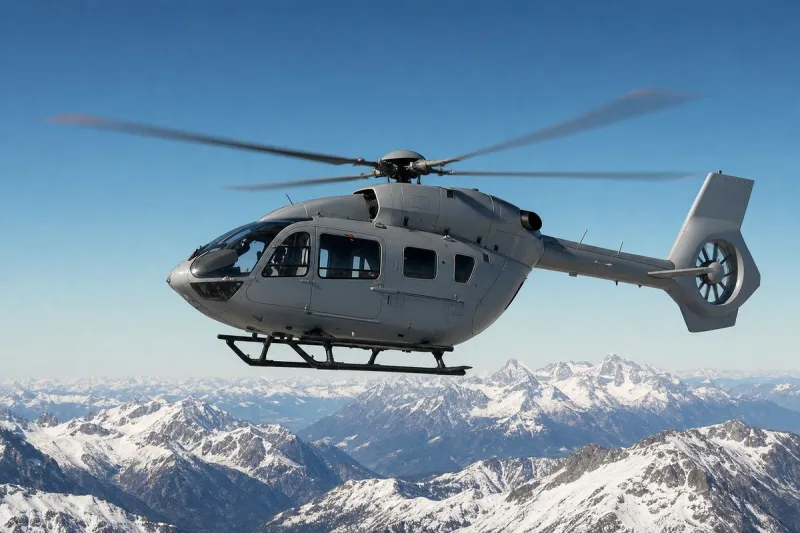
Single-engine turboprops such as the Daher TBM 960, Pilatus PC-12 NGX and Piper M600 SLS are drawing owners who want a fast private aircraft at a lower operating cost than a light jet. Aircraft finance broker Jaken Aviation puts typical single-engine turboprop fuel burn at roughly 55 to 75 gallons per hour (208 to 284 L/h) of Jet A, against 120 to 200 gallons per hour (454 to 757 L/h) for light jets. GlobalAir.com's operating report for the TBM 960 lists $1,515 per flight hour, based on 275 flight hours a year and an annual all-in budget of $416,643. Pilatus claims the PC-12 NGX runs 30% to 60% below twin-engine turboprops and jets.
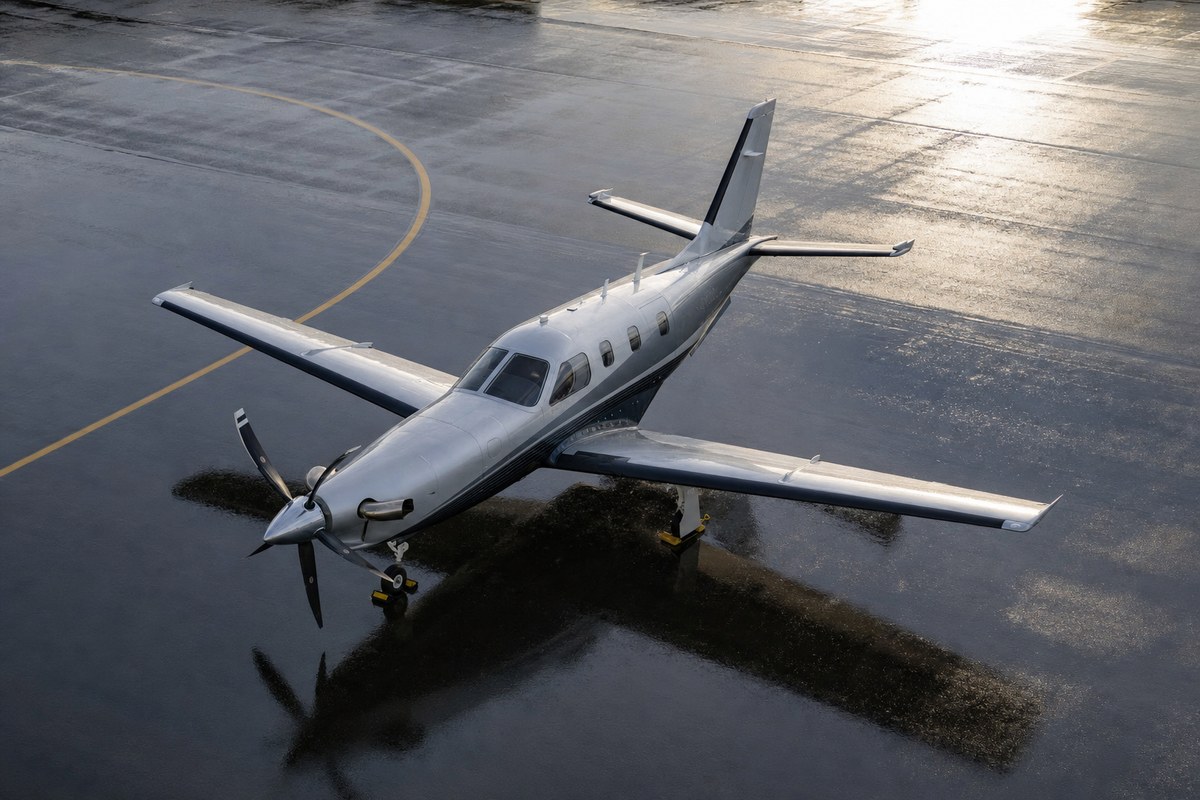
The TBM 960 cruises at 330 knots (611 km/h) with a maximum range of 1,730 nautical miles (3,204 km) and burns 57 gallons per hour (216 L/h). The PC-12 NGX cruises at 290 knots (537 km/h), has a 1,803 nautical mile (3,339 km) range and burns 69 gallons per hour (261 L/h). The M600 SLS cruises at 274 knots (507 km/h), has a 1,658 nautical mile (3,071 km) range and burns 37 to 46 gallons per hour (140 to 174 L/h). The twin-engine Cessna Citation M2 cruises at 404 knots (748 km/h) and has a 1,550 nautical mile (2,871 km) range.
General Aviation Manufacturers Association (GAMA) data show 289 turboprops shipped in the first half of 2026, up 7.8% from 268. Single-engine models accounted for 531 of the 594 turboprops shipped in 2025, while manufacturers delivered 854 business jets globally that year. According to GAMA's year-end report, the PC-12 shipped roughly 45% of its 2025 total of 82 in the final quarter, and the TBM 960 shipped more than 40% of its total of 51 in the same period. Second-quarter single-engine turboprop shipments rose from 105 to 139.
Roughly 80% of private flights last under two hours, and on short trips of 300 to 500 nautical miles a light jet spends most of its time climbing and descending. A high-performance single-engine turboprop burns about 50 to 90 gallons per hour against 200 to 300 gallons per hour for a comparable light jet, equal to more than $200,000 in annual fuel savings over a 200-hour schedule. Turboprops can land on runways as short as 2,500 feet, and the PC-12 can use unpaved dirt, gravel or grass strips.
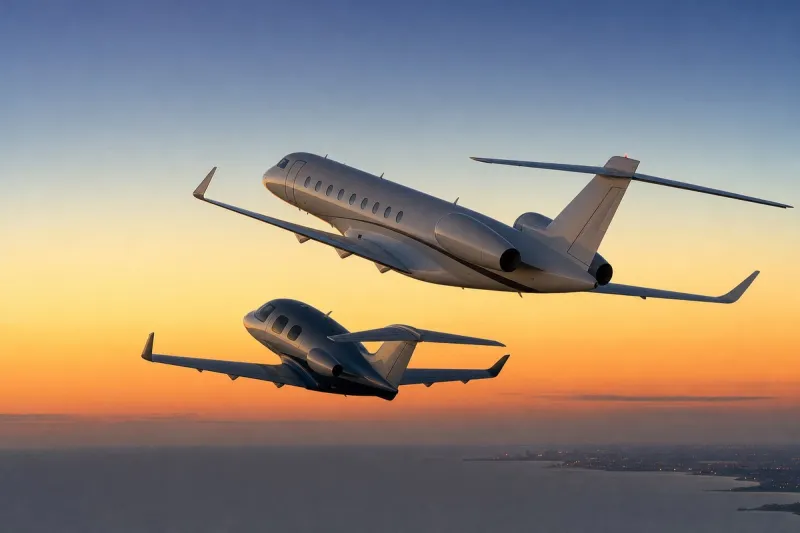
Single-engine jets are the stiffest competition. A 2022 AvBuyer comparison found the Cirrus Vision Jet G2+ burning 49 gallons per hour (185 L/h) against 99 gallons per hour (375 L/h) for the twin-engine Embraer Phenom 100EV. A PC-12 NGX or TBM 960 costs between $4.3 million and $5.2 million, while the Vision Jet is priced around $3.2 million to $3.5 million, at parity with entry-level turboprops like the M600 SLS.
Fuel prices are part of the shift. Oil volatility that began with Russia's 2022 invasion of Ukraine has been amplified by Operation Epic Fury in Iran and a blockade of the Strait of Hormuz, pushing retail Jet A past $8.00 to $9.00 per gallon at many fixed-base operators. Turboprops, operating between FL250 and FL280, avoid steep climb penalties and burn 35% to 40% less fuel than single-engine jets.