Pratt & Whitney Canada Unveils Certified PT9 Turboprop for 1,700-2,300 shp Class
Why It MattersFilling the gap between PT6 and PW100 power ratings with a scalable core lets one manufacturer cover more of the turboprop market, though the engine's commercial case rests on airframers choosing it.
What happened
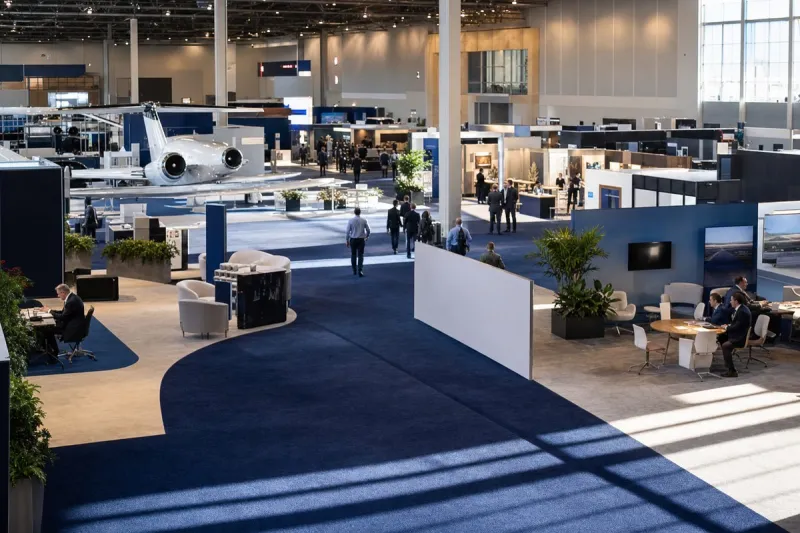
Pratt & Whitney Canada (P&WC) has unveiled the PT9, a newly certified turboprop engine developed in a secretive five-year program for new-generation single- and twin-turboprop aircraft. Transport Canada approved the engine on Oct. 1. P&WC disclosed details at NBAA-BACE in Las Vegas; first signs of the engine had appeared in FAA regulatory documents in 2025, but the company had declined to comment until now.
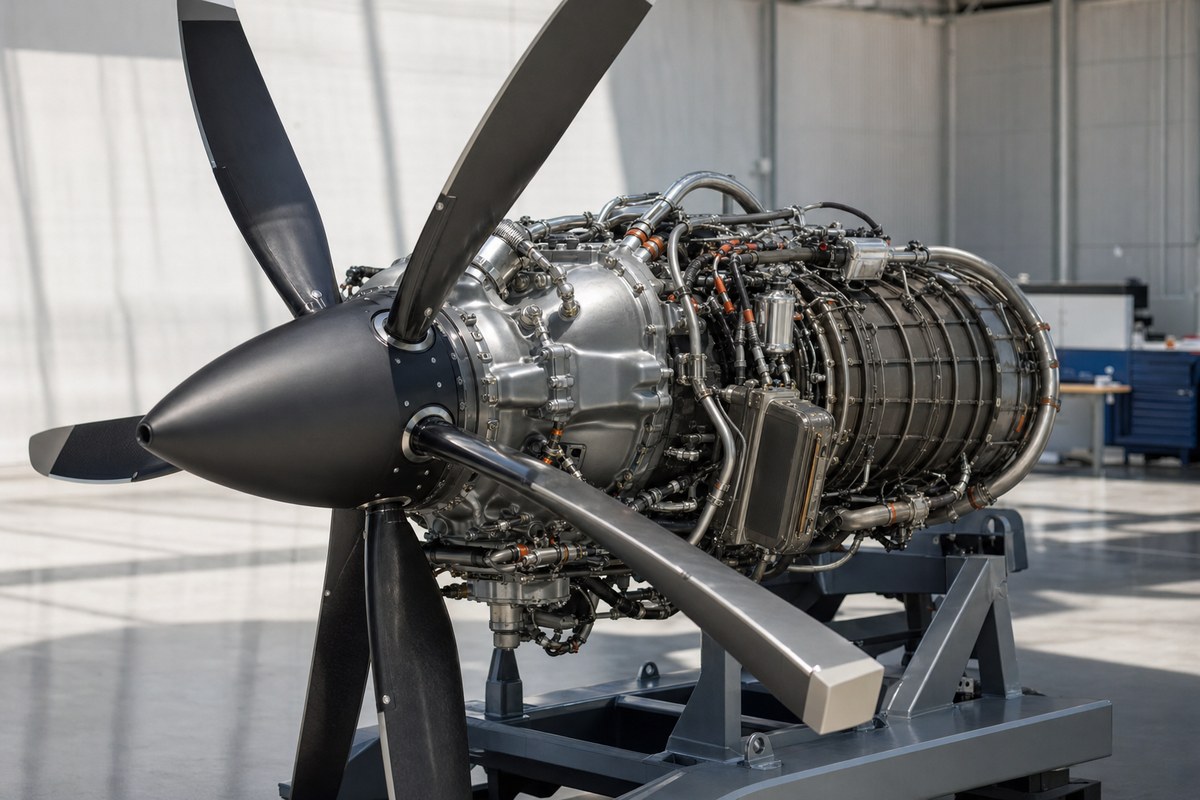
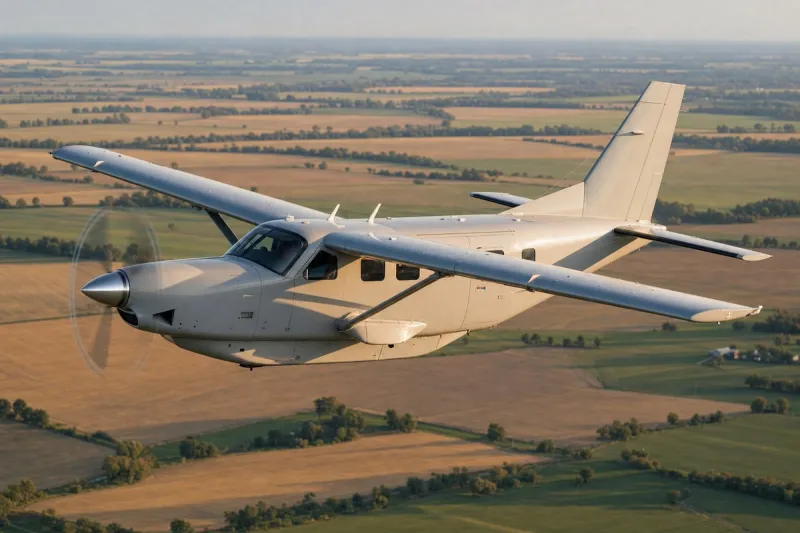
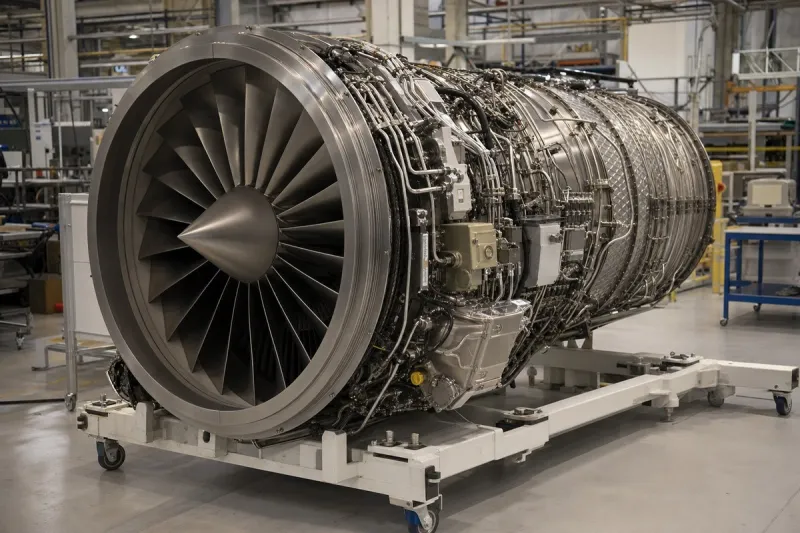
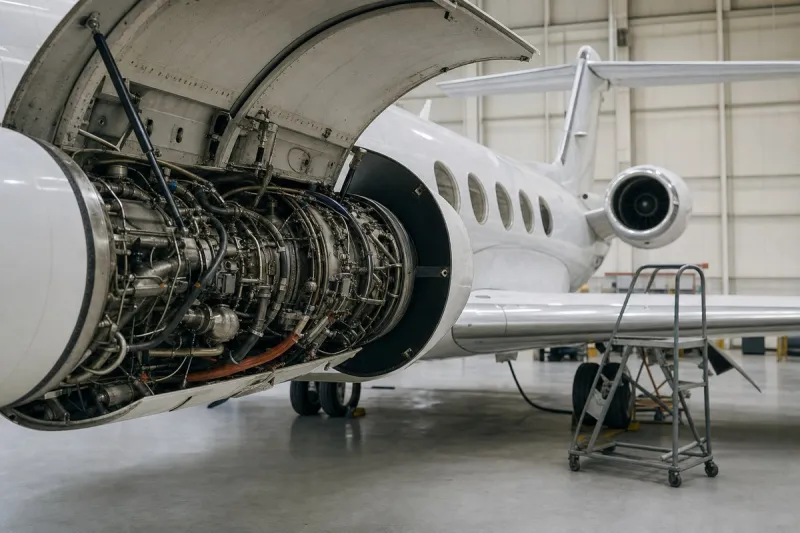
The PT9 is initially targeted at the 1,700-2,300 shp range and is the first all-new turboprop from the company in decades. It is a scalable, modular design with growth potential and the ability to be integrated in the future with hybrid-electric power systems. It bridges the power range between the larger PT6-series engines and the lower-rated PW100-series turboprops. P&WC says the engine is designed to deliver 33% more power at altitude with 20% lower fuel consumption than current engines in its class, using materials and technologies derived from the PW800 turbofan and the PW127XT regional turboprop.
P&WC president Satheeshkumar Kumarasingam said the PT9 "is not a replacement" for the PT6, which still has many years ahead of it. No specific aircraft application has yet been identified, though he said he is confident of signing one or two customers. The engine will be assembled at P&WC's Lethbridge, Alberta, facility, and he estimated about 18 months to serial production, depending on customer engagements. The development program involved 14,000 test hours and 12 test engines.
Like the PT6, the PT9 uses a reverse-flow combustor and a 19-inch-wide barrel section intended to enable low-drag airframe integration. P&WC declined to give further architectural details, such as whether it has a free power turbine. According to FAA documents, the high-pressure rotor shaft design is closest to that of the PW307 turbofan. The engine adds digital prognostics, including a sensor and performance-monitoring system that reads more than 300 engine parameters, and builds on the PT6 E-Series single-lever, dual-channel integrated electronic propeller and engine control.
Kumarasingam said the PT9 has no link to P&WC's hybrid-electric thermal engine concepts, including the hybrid electric propulsion (HEP) demonstrator, a modified Dash 8 with a 2-megawatt hybrid system that is preparing for test-cell runs ahead of flight next year. P&WC is also developing a hybrid version of the PW127XT powering the ATR 72-600 under Europe's Clean Aviation program, for flight testing by 2030, and has partnered with Evo Aero on a hybridized PT6E and with the now-defunct Maeve Aerospace on a hybrid open-fan powerplant.
Industry impact & what to watch
A turboprop engine only becomes a product when an airframer designs an aircraft around it. Certification clears the engine itself, but the commercial test is whether a new single or twin turboprop picks the PT9 over the established PT6 family. Kumarasingam's expectation of one or two customers is a statement of confidence, not a signed program, and the roughly 18-month path to serial production is explicitly tied to those customer engagements.
The power band matters for how the engine can be positioned. Sitting between the PT6 series and the lower-rated PW100 series, a 1,700-2,300 shp engine gives P&WC an option for aircraft that outgrow one family without needing the other. Because the company says the PT9 does not replace the PT6, the two lines would be sold side by side, which makes the claimed gains in altitude power and fuel consumption the main argument an airframer would weigh against the PT6's long service record.
The next milestone the company itself names is the first customer announcement and the start of production at Lethbridge. Until an aircraft application is identified, the claimed performance figures remain design targets as stated by the manufacturer, and any hybrid-electric integration stays a future capability rather than part of this engine's initial offering.