RTX Collins Unveils Tower MicroELITE Display for Contract and Private ATC Towers; FAA Approves It as APRT
Why It MattersBringing terminal-radar-grade displays to small towers shows surveillance modernization reaching beyond major facilities, with incumbent vendors using lower-tier products to build positions ahead of larger FAA automation awards.
What happened
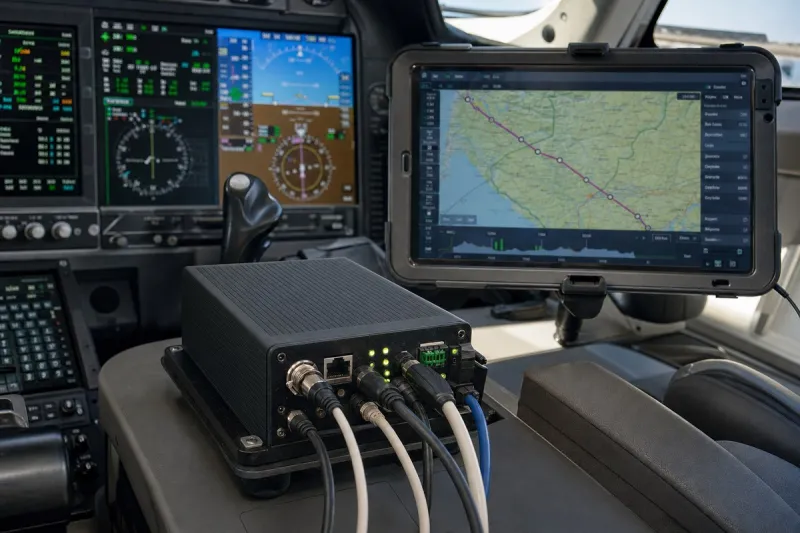
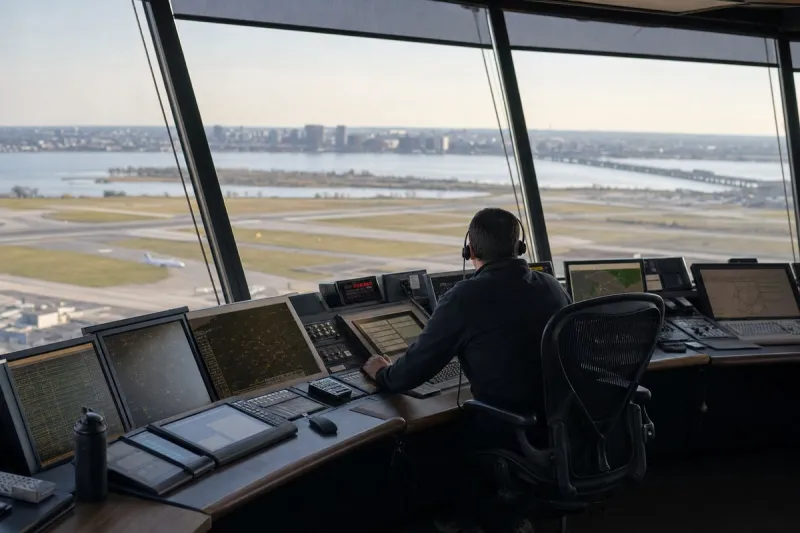
RTX Collins Aerospace has unveiled the Tower MicroELITE (TME), a digital display and surveillance system built to improve air traffic controller situational awareness at federal contract towers and privately operated ATC facilities. The system is described as compact and enterprise-grade, and it combines Automatic Dependent Surveillance-Broadcast (ADS-B) and radar surveillance data.
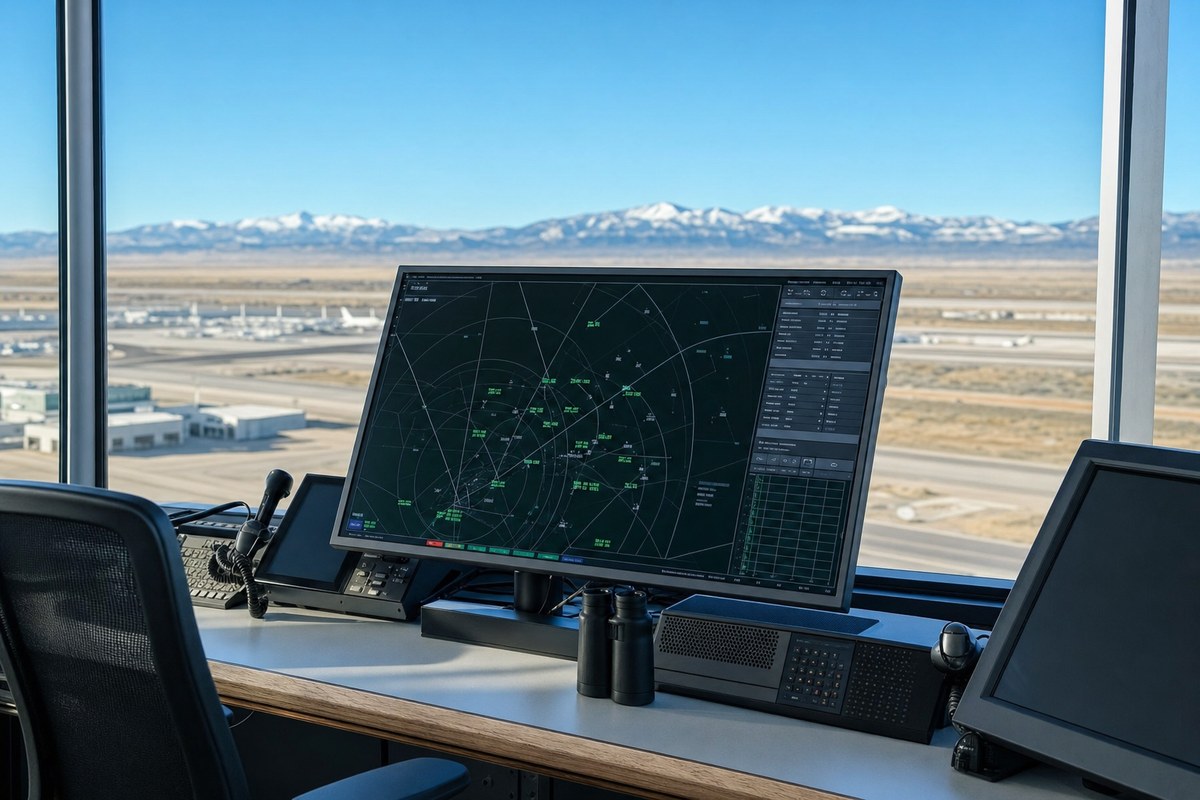
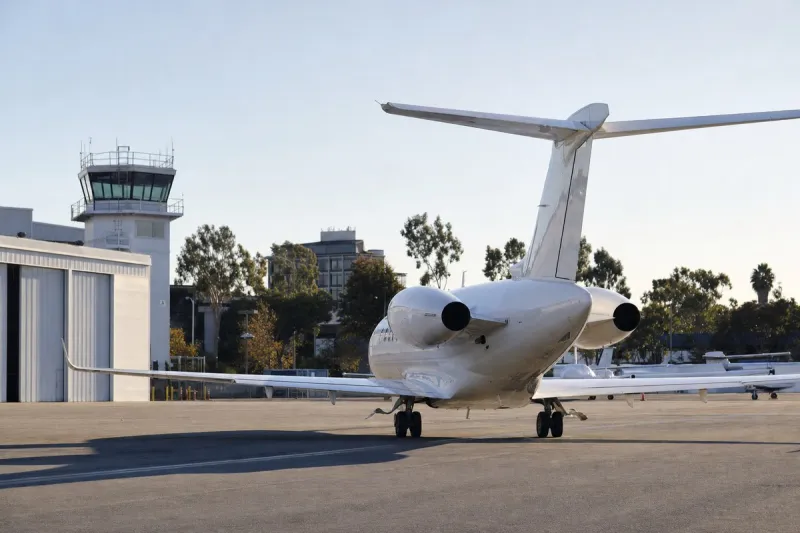
According to the company, TME can be deployed at regional and general aviation reliever airports, business aviation terminals and heliports. It recently received system design approval from the FAA as an Airborne Position Reference Tool.
TME is derived from RTX Collins' Standard Terminal Automation Replacement System (STARS), which integrates aircraft surveillance and flight-plan data and presents it on high-resolution color displays in terminal radar approach control (tracon) facilities. RTX Collins says STARS manages 80% of U.S. air traffic.
Nicole White, RTX Collins vice president and general manager of Connected Aviation, said TME is customizable. Depending on location, controllers can view track history and predicted track lines, use customizable overlays, and see aircraft speed, altitude and identification.
Where it sits in FAA modernization
RTX Collins is among the companies competing to build the Common Automation Platform (CAP), a common surveillance system for terminal, enroute and oceanic airspace. The platform is estimated at $6-10 billion and is a key component of the FAA's Brand New Air Traffic Control System (Bnatcs) modernization effort.
The company is also supplying new primary and secondary surveillance radar systems under Bnatcs.
Industry impact & what to watch
Contract towers and privately operated facilities at reliever airports, business aviation terminals and heliports have typically worked with far less surveillance capability than a tracon. TME takes a display architecture proven at the tracon level, STARS, and scales it down to that tier. For business aviation, whose traffic concentrates at exactly these smaller airports, better tower situational awareness bears directly on how efficiently arrivals and departures are sequenced.
The product also reads as part of a positioning contest. RTX Collins is competing for the multibillion-dollar CAP award while already supplying radars under Bnatcs, and a footprint at small towers adds to its presence across the national surveillance picture.
The next milestone is conflict detection, one of the future enhancements White said is under consideration. The company hopes to obtain approval for it in the second half of 2027.