Gogo Demonstrates Galileo HDX Wi-Fi on a Pilatus PC-24 at NBAA-BACE and Outlines Upgrade Roadmap
Why It MattersGogo's upgrade plan, which keeps antenna mounts, fairings and wiring across hardware generations, shows business-aviation connectivity vendors competing on lower retrofit cost and shorter aircraft downtime, not only on speed.
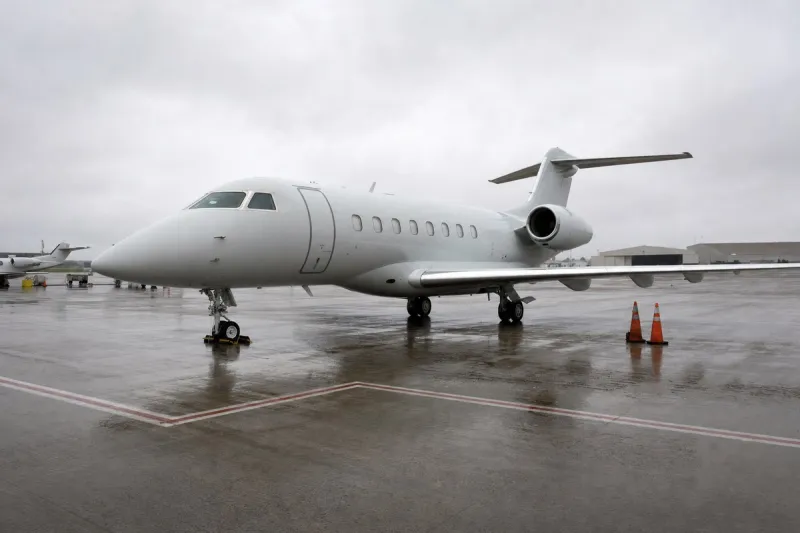
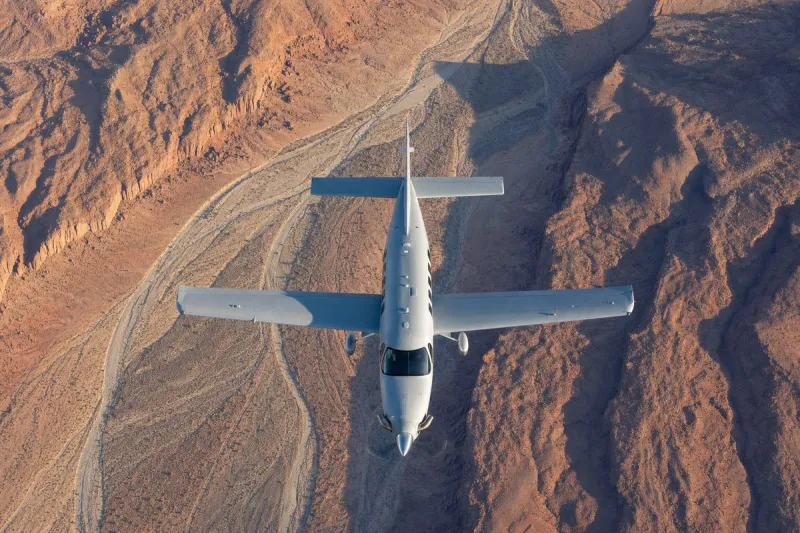
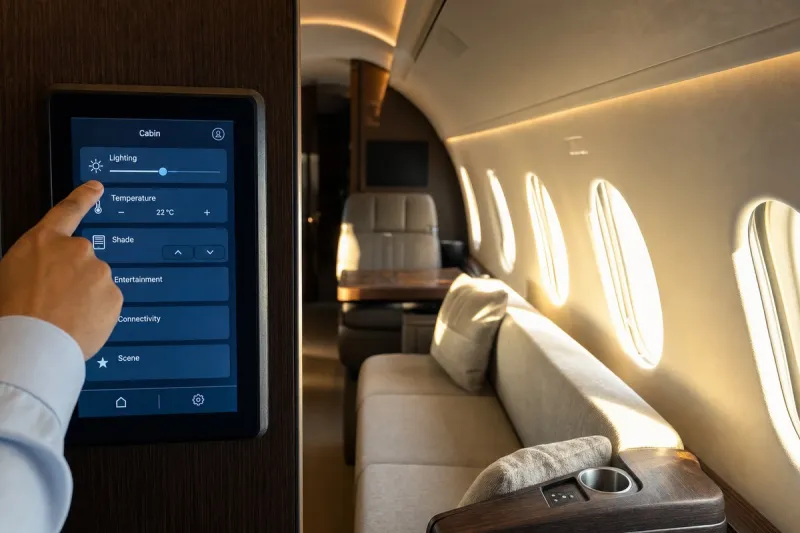
Gogo demonstrated its Galileo satellite Wi-Fi service aboard a Pilatus PC-24 in Las Vegas on October 19, 2026, letting journalists attending NBAA-BACE 2026 try streaming, video calls and online gaming. With about 16 devices connected at once, the Galileo HDX system performed much like a home or office connection: Netflix videos loaded instantly and played without buffering, online gaming with players halfway around the world was shown on a Nintendo Switch, and a speed test recorded about 50 Mbps download throughput. The demonstration took place on the ramp at Harry Reid International Airport (LAS); a planned flight was canceled after air traffic control advised of a two-hour departure wait and potentially a similar delay on return, so the service was shown on the ground rather than in flight.

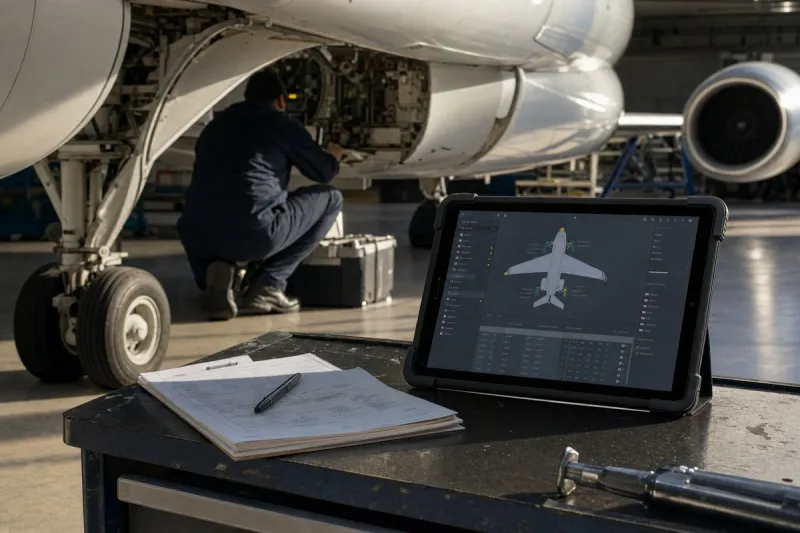
Gogo CEO Chris Moore said the company wants owners to benefit from faster connectivity over the coming years without repeatedly paying for extensive installation work. "The wiring is actually the bit that everybody overlooks," Moore said. "Because if you have to take the entire interior out, that's a massive cost." Future upgrades will still require some hardware and software changes, but Gogo is designing them to retain antenna mounts, fairings and wiring wherever possible, reducing the work involved and the time an aircraft spends out of service. In a development plan announced October 19, Gogo outlined performance upgrades roughly every two years over the next six years, targeting download speeds five times current levels and upload speeds 10 times current levels, with gains coming from changes to both onboard equipment and satellite networks.
The PC-24's HDX system uses a low-profile, electronically steered antenna mounted atop the fuselage, measuring about 24 inches long, 11.8 inches wide and 2.1 inches high and weighing 21.6 pounds. It connects by cable to a Gogo AVANCE or Satcom Direct SDR cabin system, and aircraft already fitted with compatible cabin equipment can keep it when adding Galileo. Gogo advertises HDX download speeds of up to 60 Mbps. The antenna has a published list price of $120,000, excluding the cabin unit and installation. Galileo uses Eutelsat's OneWeb network of more than 600 satellites orbiting about 1,200 kilometers (746 miles) above Earth in 12 orbital planes. Published monthly HDX plans with a three-year price lock start at $3,500 for 25GB of data, rising to $7,000 for 50GB and $10,500 for unlimited data, and the capped plans carry a $215-per-GB overage charge.
Gogo acquired satellite communications specialist Satcom Direct in December 2024, combining the two companies' connectivity businesses and support capabilities. Gogo offers round-the-clock assistance and says its global support network can dispatch a technician to an aircraft within 24 hours anywhere in the world. The company serves business aviation and military and government customers, and sold its commercial airline connectivity business to Intelsat in 2020.