Valais voters to decide on Sion Airport operating company and ownership structure on Nov. 29, 2026
Why It MattersThe vote tests whether a regional airport serving mainly rescue and supply flights stays under cantonal and municipal control or becomes exposed to private operators once its federal concession lapses in 2031.
What happened
Voters in the Swiss canton of Valais will decide on November 29, 2026 on the law governing the management and operating company of Sion Valais-Wallis Airport. The Grand Council of the Canton of Valais passed the legislation in March 2026, and it was put to a referendum after a referendum was initiated.
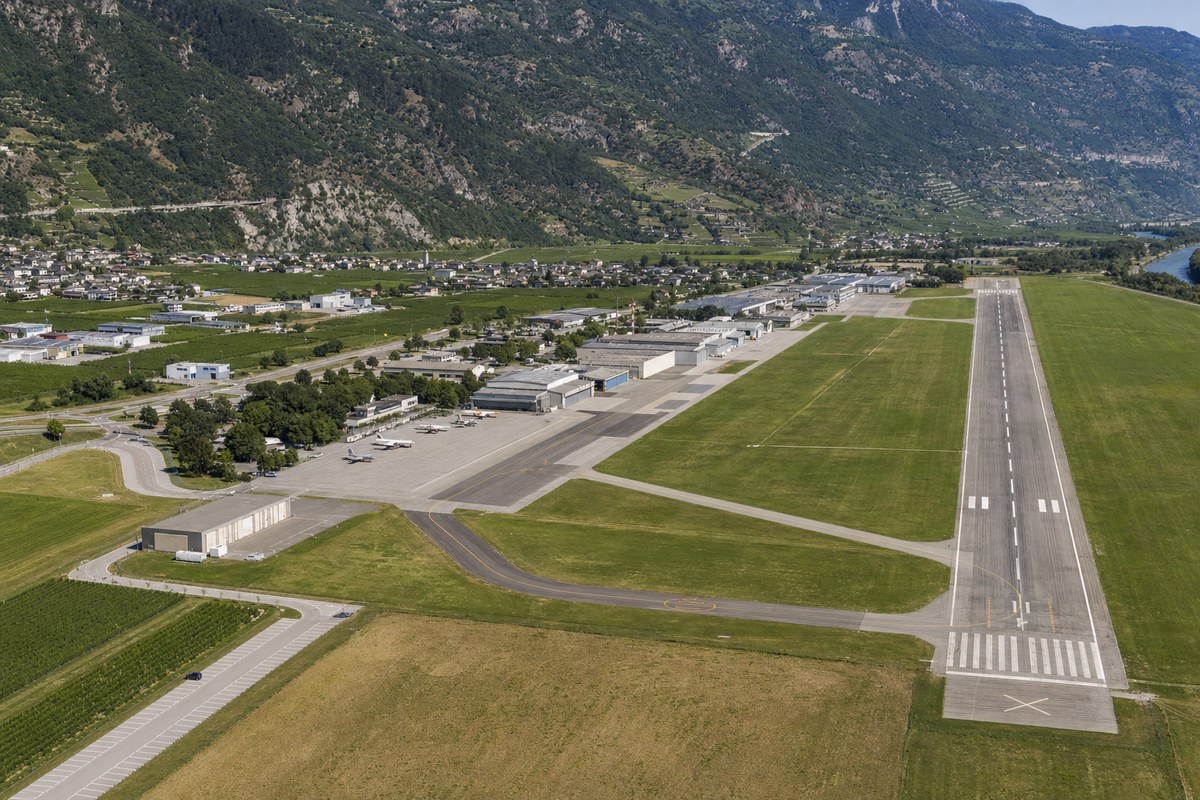
The law would take the civilian regional airport out of the sole responsibility of the city of Sion, which currently holds the federal operating concession, normally valid until 2031. Operations would instead pass to a public limited company in which the Canton of Valais would hold at least 34 percent of the capital and the municipality of Sion 20 percent. Together with other public authorities, the public sector would retain an absolute blocking minority. The Valais State Council is recommending a "yes" vote, citing long-term public control, clearer operational responsibilities and direct canton involvement.
The law also changes the public funding system. Until now, the canton has covered a flat 50 percent of the operating deficit and half of required infrastructure investments without a direct say in spending. Once the law takes effect and the concession is transferred, that blanket deficit coverage would end, and the public sector would pay the company only for specific public-interest services. Net costs would be split 70 percent to the Canton of Valais, 20 percent to the city of Sion and 10 percent to all other Valais municipalities together.
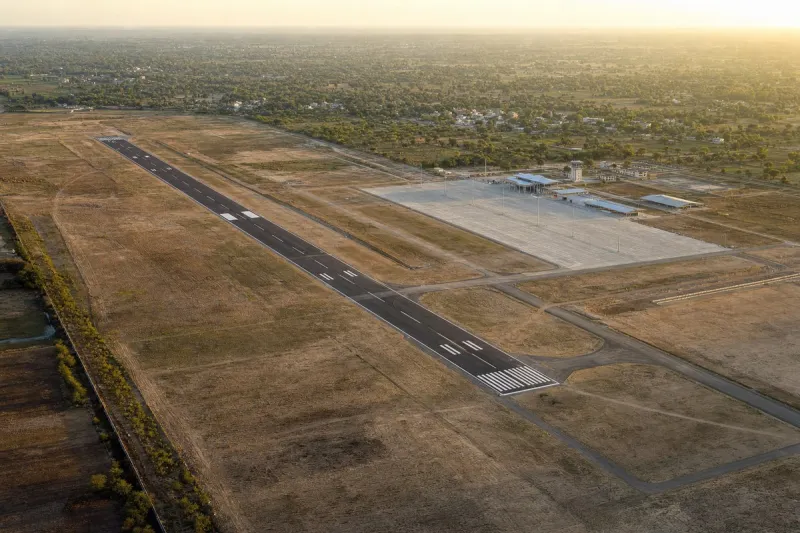
Since the Swiss Air Force withdrew from regular jet operations in 2018, the airfield has been used mainly as a civilian regional airport. According to official surveys, about 80 percent of flight movements are public-interest missions and supply flights, including alpine mountain rescue, the Air-Glaciers helicopter ambulance service and supply flights to mountain huts and alpine farms. The site is also used for civil aviation training and testing and hosts research and aviation service companies. Its military role is essentially limited to serving as an alternate airfield for the air force.
If voters reject the law, the current structure led by the municipality of Sion would remain until the federal concession expires in 2031, after which the federal government would decide on the subsequent award of civilian operations. Federal authorities could then award them to private operators without direct cantonal or municipal control. The Swiss Confederation, through its Defence Group, owns about 77 percent of the land and buildings at the site, so the Federal Department of Defence (VBS) would retain access rights.
Industry impact & what to watch
Sion shows how a regional airport whose traffic is dominated by rescue and supply flights depends on public money rather than on commercial passenger demand. When about 80 percent of movements are public-interest missions, the economic case for the airfield rests on who pays for those services and on whose terms. The law replaces an open-ended 50 percent deficit guarantee with payment for defined public-interest services, a model that gives the funding bodies a direct line of sight into what they are buying.
The ownership question runs in parallel. With the federal government holding about 77 percent of the land and buildings, a cantonal or municipal operator is in effect a tenant on federal ground, and its leverage comes from holding the operating concession. A structure that keeps a blocking minority in public hands is a way of retaining that leverage ahead of the 2031 expiry, when the concession would otherwise return to a federal award decision.
The decision point is the November 29 ballot itself. A yes vote would start the path toward transferring the concession to the new company, while a no vote leaves the municipality of Sion in charge until 2031 and moves the next decision to the federal level.