Lufthansa Technik Engine Services Expands Tulsa Engine Maintenance Plant, Raising Engine Maintenance Jobs From 28 to 46
Why It MattersMoving module-level repair into regional shops shows how engine MRO providers cut turnaround by localizing work near North and South American fleets, with skilled-labor supply becoming the constraint on that model.
What happened
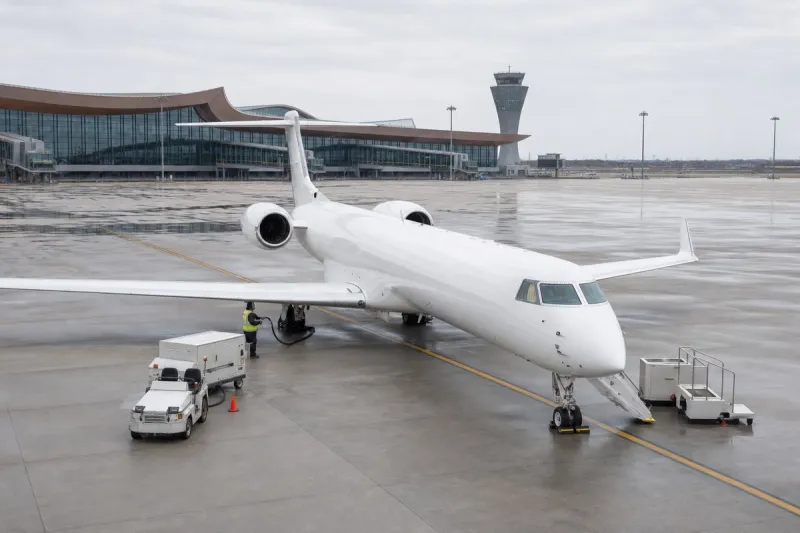
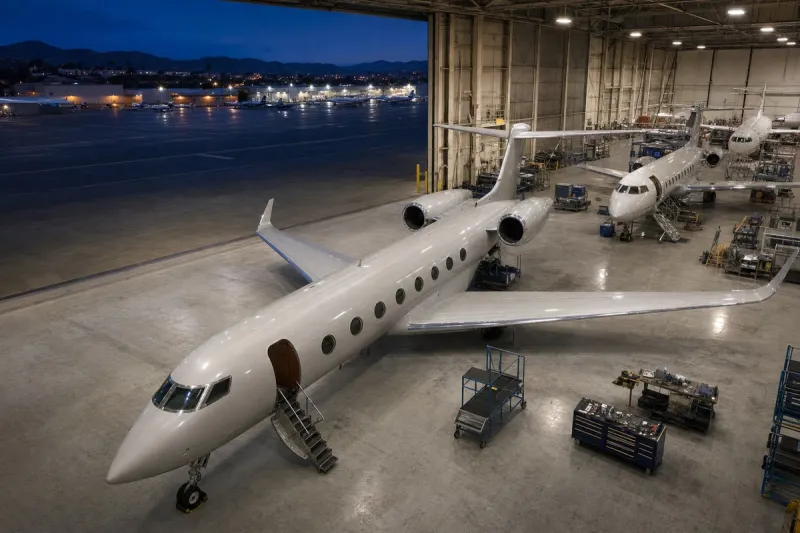
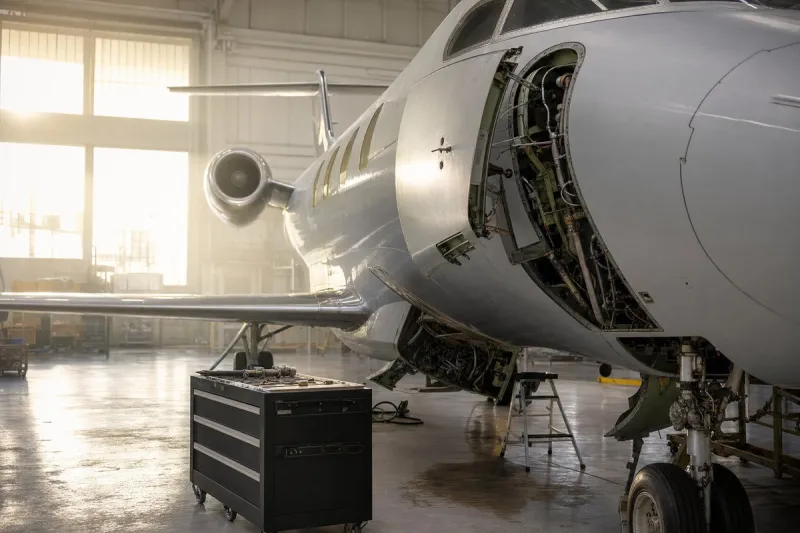
Lufthansa Technik Engine Services (LTES), the US subsidiary of Lufthansa Technik, has announced an increase in maintenance capacity at its Tulsa site in Oklahoma. The number of engine maintenance jobs there will rise from 28 to 46. The stated aim is to shorten turnaround times for overhauls and repairs of commercial and business jet engines in the North and South America region, and to raise throughput for on-site services and quick turnaround events across the company's global network of workshops.
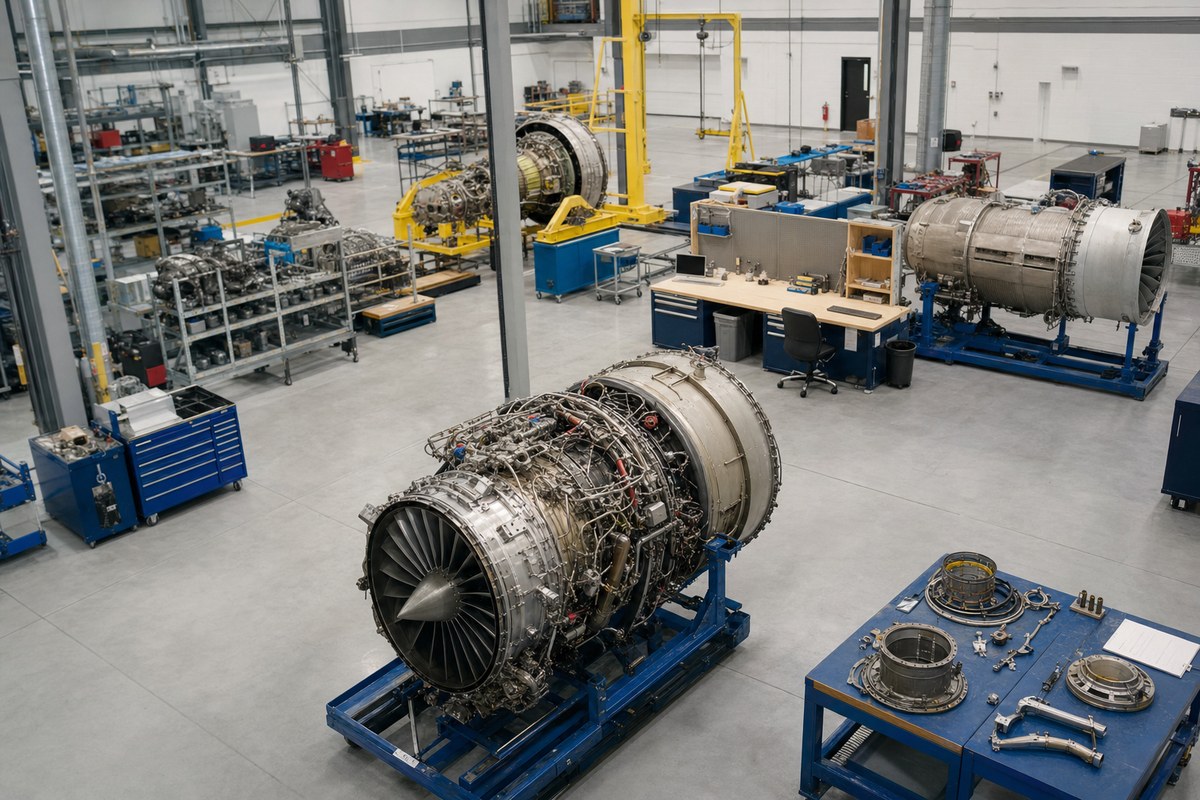
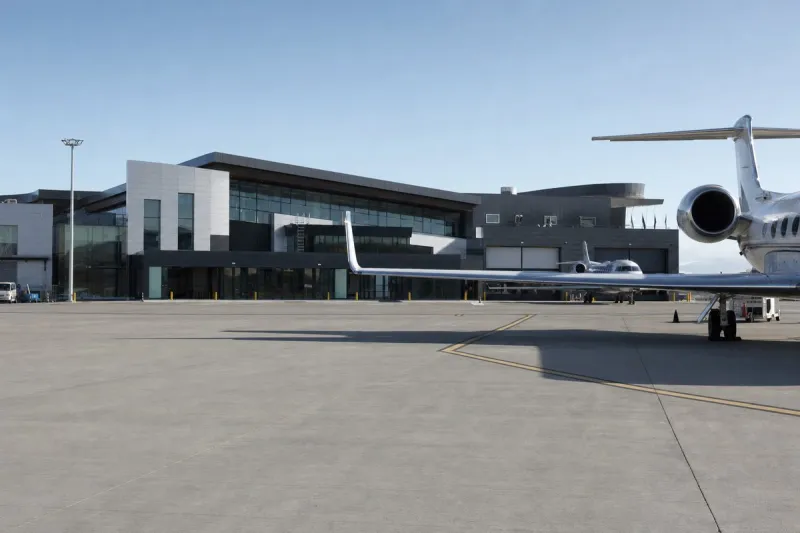
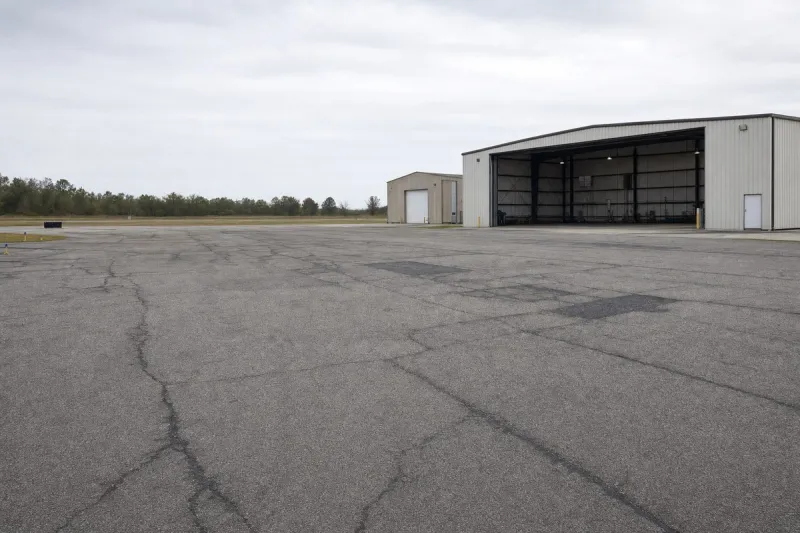
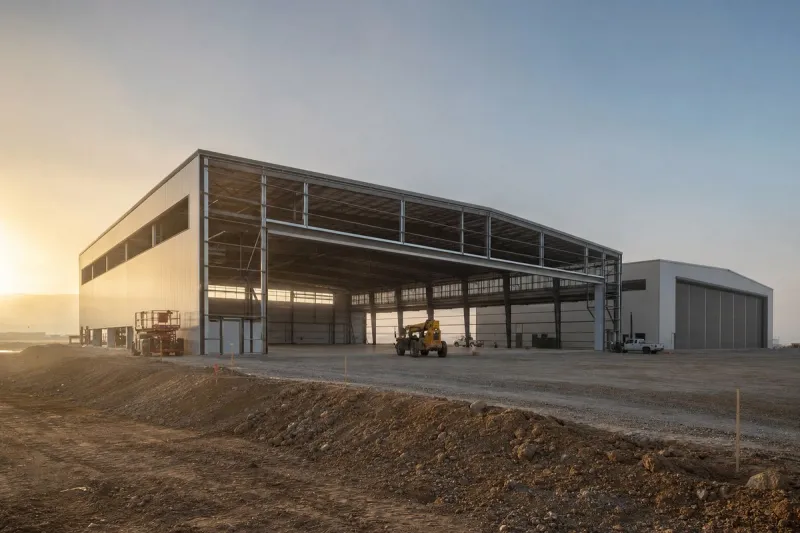
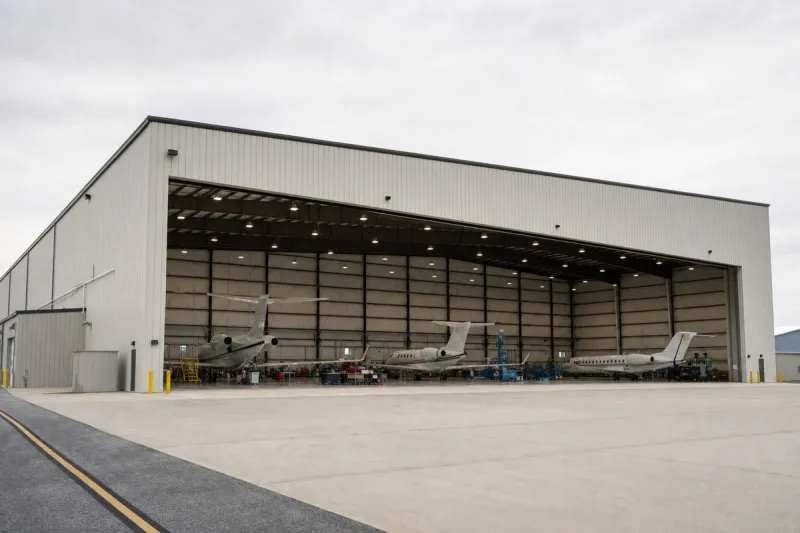
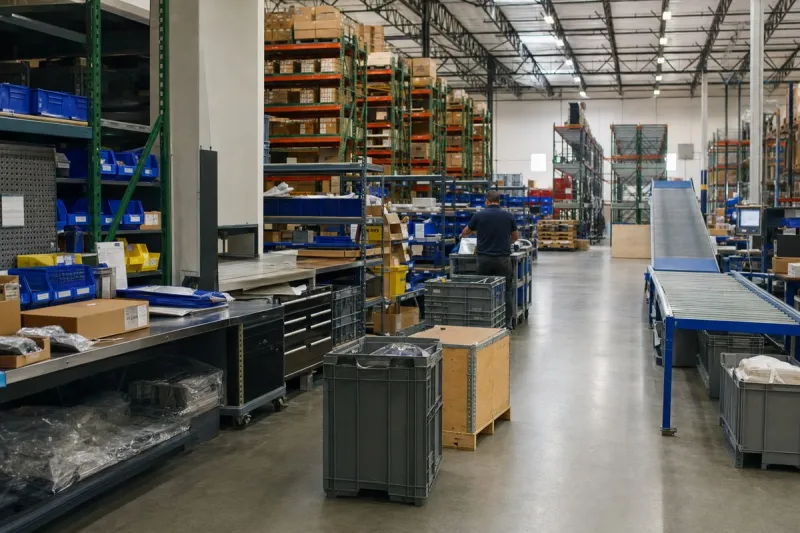
The site operated as BizJet International until it was renamed in 2024. The expansion includes construction of a specialized module shop, which will allow engine components to be disassembled, repaired and assembled on-site, removing the need to ship individual modules to locations in Europe or Asia.
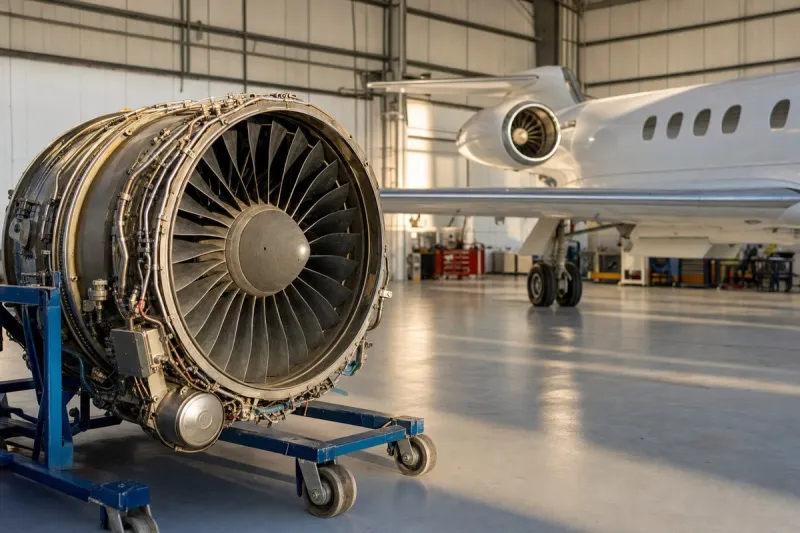
In Tulsa, LTES covers the service portfolio for the CFM56-5B/7B, IAE V2500, Pratt & Whitney GTF and Rolls-Royce Tay 611-8/8C engine series, and operates a fully digitalized engine test stand. The capacity expansion is expected to create more than 100 new jobs by 2030. Its sister company Lufthansa Technik Component Services (LTCS) is also expanding its component maintenance capabilities in Tulsa.
Training pipeline
To secure skilled staff, the company introduced an 18-month dual vocational training program modeled on the German system at the beginning of 2025. It concludes with the examination for the Powerplant Certificate of the US Federal Aviation Administration (FAA).
By October 2026, 24 participants had been enrolled, ten of whom had successfully completed the program.
Industry impact & what to watch
Engine overhaul is a logistics business as much as an engineering one. When a module has to be crated and sent to another continent for repair, the engine sits out of service for the whole round trip, and that idle time is what operators pay for in lost availability. A module shop located in the same region as the fleet it serves attacks that delay directly, which is why capacity added in Tulsa is aimed at North and South American customers specifically.
The mix of engines supported matters for who benefits. The listed series span narrowbody airliner powerplants alongside the Tay 611-8/8C, so the site serves both commercial and business jet work. Combining that breadth with in-house module repair and a digitalized test stand lets one location close more of the repair loop itself.
The second constraint is people. Adding jobs only raises throughput if certified mechanics are available to fill them, which explains why the company built its own FAA-linked training route rather than relying on hiring alone. The figure to follow is how many of the 24 enrolled participants complete the program, since that pipeline feeds the staffing needed to reach the more than 100 new jobs planned by 2030.